

Intro
Children explore the world with curiosity, speed, and limited risk awareness. That combination is developmentally normal, but it also means that ordinary spaces such as kitchens, bathrooms, bedrooms, driveways, and playgrounds can become hazardous quickly.
A supportive safety plan is not about eliminating independence or making caregivers feel blamed. It is about matching the environment to a child’s age, motor skills, and behavior, then reviewing that plan as the child grows. If an injury, exposure, or concerning symptom occurs, caregivers should seek timely professional advice and use emergency services when needed.
Highlights
The leading risks vary by age, but suffocation, choking, drowning, falls, burns, poisoning, and transport injuries are consistently important.
Many severe injuries occur during brief lapses in supervision, especially around water, hot liquids, medicines, button batteries, and roads.
Child-resistant packaging and safety devices reduce risk, but they are not substitutes for locked storage and active adult supervision.
A practical safety approach combines environmental changes, age-appropriate teaching, and a clear emergency plan.
Why children are uniquely vulnerable to injury
Children are not simply small adults. Their anatomy, physiology, and cognition make certain injuries more likely and sometimes more severe. Infants have relatively large heads and immature neck control, increasing risk during falls or unsafe sleep positioning. Toddlers have improving mobility but little hazard perception, so they climb, mouth objects, pull cords, and reach for hot drinks before they understand consequences. School-age children gain independence outdoors and in sports, while adolescents may face risk-taking, traffic exposure, and peer-influenced decisions.
Development changes quickly, so a home that was safe last month may not be safe today. A baby who could not roll may suddenly reach a blanket or cord. A toddler who could not open a drawer may discover a climbable handle. Caregivers can reduce risk by periodically viewing the environment from the child’s height: what is reachable, pullable, swallowable, climbable, sharp, hot, poisonous, or capable of trapping a finger or airway?
Injury prevention also works best when it is layered. Supervision matters, but even attentive adults cook, answer phones, help siblings, or become tired. Physical barriers, locked storage, safe routines, and clear family rules create backup protection when attention is divided.
Falls, crush injuries, and trapped fingers
Falls are among the most common reasons children need medical assessment or hospital care. Typical sources include beds, change tables, stairs, windows, balconies, playground equipment, shopping carts, and furniture used for climbing. The severity depends on height, landing surface, body part struck, and the child’s age. Head injury is a particular concern in infants and young children because they may not be able to describe headache, visual symptoms, or nausea clearly.
Practical prevention focuses on removing predictable opportunities. Use stair gates where appropriate, keep windows locked or fitted with guards that allow emergency escape, avoid placing furniture near windows or balcony railings, and never leave an infant unattended on a raised surface. On playgrounds, choose age-appropriate equipment and surfaces designed to absorb impact. At home, secure heavy furniture and televisions to the wall, because drawers and shelves can become climbing ladders and topple forward.
Finger entrapment is often underestimated. Door hinges, door jambs, folding chairs, exercise equipment, and recliners can cause crush injuries, nail-bed trauma, or fractures. Finger-jam protectors, slow-closing mechanisms, and keeping children away from gym equipment or moving furniture can prevent painful and sometimes function-limiting injuries. Seek medical advice for significant swelling, deformity, uncontrolled bleeding, loss of sensation, or inability to move the finger normally.
Choking, suffocation, strangulation, and safe sleep
Airway-related injuries can deteriorate rapidly. In children under five, choking, suffocation, and strangulation are major causes of accidental death. Infants are vulnerable because they cannot reposition themselves reliably, while toddlers explore by putting objects in the mouth. High-risk foods include whole grapes, nuts, popcorn, hard sweets, chunks of raw carrot or apple, sausages cut into coin shapes, and spoonfuls of thick nut butter. Food should be prepared to match chewing ability; for example, grapes and similar foods should be cut lengthwise into small pieces.
Non-food hazards include small toy parts, beads, coins, pen caps, magnets, deflated balloons, plastic bags, and button batteries. Button batteries are especially dangerous because they can lodge in the esophagus and cause caustic tissue injury within a short time. Magnets can trap bowel tissue if more than one is swallowed. Suspected ingestion of a button battery or multiple magnets warrants urgent medical advice even if the child looks well.
Safe sleep reduces suffocation risk. Babies should sleep on a firm, flat surface without pillows, loose bedding, soft toys, or sleep positioners. Couches, adult beds with gaps, and shared sleep surfaces can create entrapment or overlay hazards, especially when adults are exhausted or sedated. Blind cords, curtain cords, necklaces, drawstrings, and monitor cables should be kept well away from cots and play areas because they can create strangulation loops.
Caregivers may benefit from certified first-aid training that covers infant and child choking response. However, training is not a substitute for emergency care. If a child has persistent coughing, breathing difficulty, cyanosis, altered consciousness, or a suspected aspirated object, urgent assessment is needed.
Poisoning, medicines, and chemical exposures
Poisoning commonly involves ordinary household items: prescription medicines, over-the-counter medications, vitamins, cleaning products, laundry capsules, pesticides, alcohol, cosmetics, essential oils, and nicotine products. Many are brightly colored, scented, or packaged in ways that appeal to children. Child-resistant caps are helpful, but they delay access rather than prevent it completely.
The safest approach is locked storage, out of sight and out of reach, for all medicines and toxic substances. This includes medications in handbags, bedside tables, pill organizers, visitors’ luggage, and grandparents’ homes. Vitamins and supplements deserve the same caution as medicines; iron-containing products, for example, can be dangerous in overdose. Cleaning products should remain in original containers with labels intact and should never be transferred into drink bottles.
Medication dosing errors are another preventable risk. Caregivers should use an oral syringe or dosing device supplied for the product, avoid kitchen spoons, check concentration carefully, and maintain a written pediatric medication plan when more than one adult gives doses. Medications for children safety rules are particularly important when a child is moving between homes, school, childcare, and relatives.
If poisoning is suspected, do not wait for symptoms and do not induce vomiting unless a poison center or clinician specifically instructs it. Call the local poison information service or emergency number and have the container, estimated amount, time of exposure, and the child’s age and weight available. Immediate emergency care is needed for respiratory distress, seizures, severe drowsiness, burns around the mouth, or altered mental status.
Burns, scalds, fire, and electrical hazards
Young children have thinner skin than adults, so hot liquids can cause deeper burns with shorter exposure. Hot drinks are a frequent source of scalds; a cup of tea or coffee pulled from a bench, tablecloth, or caregiver’s hand can injure the face, chest, or arms. Kitchens are high-risk spaces because they combine heat, sharp objects, cords, glass, and distracted adults.
Prevention includes keeping hot drinks out of reach, turning saucepan handles inward, using rear stove burners when possible, keeping children away from ovens and grills, and creating a child-free zone during cooking. Kettles, slow cookers, irons, hair straighteners, and charging cords should be positioned so they cannot be pulled down. Bath water should be tested before a child enters, and hot tap temperature should be controlled where possible.
Smoke alarms, fire escape planning, and safe storage of matches and lighters are essential. Children should learn that fire tools are for adults, but education must be paired with restricted access. Electrical sockets, damaged cords, overloaded power boards, and accessible appliance cords also deserve routine checks. If a burn occurs, cool the area under cool running water for about 20 minutes if feasible, remove tight clothing or jewelry near the burn unless stuck to the skin, and seek medical advice for burns involving the face, hands, genitals, major joints, electrical injury, chemical exposure, blistering, or a large area.
Drowning and water-related hazards
Drowning can occur silently and quickly, including in shallow water. Infants and toddlers are top-heavy and may be unable to lift their face out of a bucket, bath, paddling pool, toilet, or garden pond. Unattended bath water is a well-recognized hazard; even a short trip to answer the door or collect a towel can be long enough for a serious event.
Active supervision means an adult is within arm’s reach of young children in and around water, without relying on older siblings, flotation toys, or bath seats. Bath seats can tip or give a false sense of security. Pools should be fenced according to local regulation, gates should self-close and latch, and toys should be removed from pool areas so children are not tempted to reach through or climb. Buckets and containers should be emptied immediately after use and stored upside down.
Swimming lessons can build skills but do not make a child drown-proof. Children with epilepsy, neurodevelopmental differences, impulsivity, or limited mobility may need individualized water-safety plans. Any episode involving submersion, persistent cough, breathing difficulty, unusual sleepiness, vomiting, or abnormal behavior after water exposure should prompt medical evaluation.
Road, vehicle, outdoor, and play safety
Transport injuries remain a major safety concern. Correctly used, age- and size-appropriate car seats, booster seats, and seat belts reduce injury risk. The right restraint depends on the child’s age, weight, height, and local law; caregivers should follow manufacturer instructions and have installations checked when uncertain. Children should not ride in front seats before it is legally and developmentally appropriate, and they should never be left alone in a vehicle because heat injury can develop rapidly.
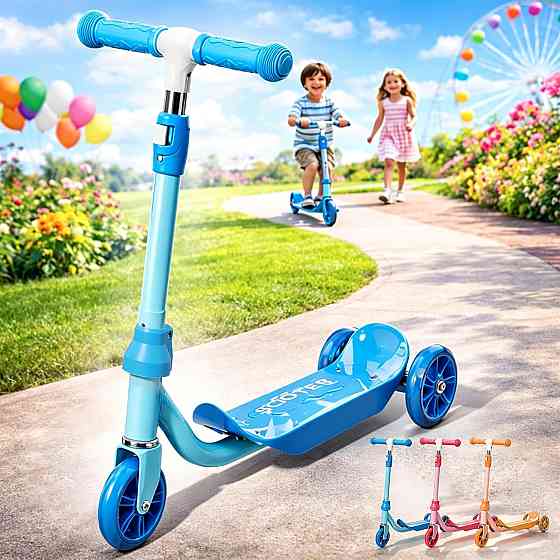
Driveways and car parks are especially hazardous because young children are short, unpredictable, and difficult for drivers to see. Hold hands near traffic, supervise outdoor play, and teach road rules repeatedly in simple terms. For bicycles, scooters, and skates, helmets and protective gear should fit properly and be worn consistently, not only on long rides.
Outdoor safety also includes sun protection, safe storage of gardening chemicals, supervision around animals, and checking play spaces for sharp objects or entrapment hazards. Trampolines, climbing frames, and sports equipment should match the child’s developmental ability and be maintained. Risk cannot be removed entirely from play, and some challenge supports motor development and confidence. The goal is to prevent high-consequence hazards while allowing children to move, explore, and learn.
Building a realistic family safety plan
A useful safety plan is simple enough to maintain. Start with the highest-risk zones: sleep space, kitchen, bathroom, stairs, medicine storage, water access, driveway, and any area with cords, batteries, chemicals, or heat. Then repeat a brief review whenever the child reaches a new milestone, such as rolling, crawling, walking, climbing, opening doors, or visiting friends independently.
Families should also plan for emergencies before they happen. Keep local emergency numbers, poison center details, the child’s allergies, medications, and key medical conditions accessible to all caregivers. Discuss pediatric emergency warning signs with babysitters and relatives, including severe breathing difficulty, persistent altered consciousness, seizure, suspected poisoning in a child, significant head injury, and any situation where the caregiver feels the child is seriously unwell.
Regular well-child visits are a good time to ask about age-specific injury prevention, safe sleep, feeding progression, car restraints, and behavioral risks. Clinicians can help tailor advice for children with prematurity, developmental delay, seizures, chronic respiratory disease, mobility limitations, or sensory-seeking behaviors. Most importantly, caregivers deserve encouragement: safety is a continuing practice, not a test of perfection. Small, consistent changes often prevent the most serious injuries.
Seek urgent help now if
- A child has severe breathing difficulty, blue lips, choking that does not resolve, or loss of consciousness.
- There is suspected ingestion of a button battery, multiple magnets, medicine overdose, or a toxic chemical.
- A child has a significant head injury with repeated vomiting, worsening drowsiness, seizure, confusion, or abnormal behavior.
- A child has been submerged in water and later develops cough, breathing trouble, unusual sleepiness, or vomiting.
- A burn involves the face, hands, genitals, electrical source, chemical exposure, or a large or blistering area.
Tools & Assistance
- Create a room-by-room safety checklist at the child’s eye level.
- Store poison center and emergency numbers in every caregiver’s phone.
- Book certified infant and child first-aid and CPR training.
- Ask a clinician about safety risks during regular well-child visits.
- Use a car seat fitting or inspection service if available locally.
FAQ
At what age can I rely on teaching instead of childproofing?
Teaching helps, but young children have limited impulse control. Continue physical safeguards until the child consistently demonstrates safe behavior across settings.
Are child-resistant caps enough for medicines?
No. Child-resistant caps are not childproof. Medicines, vitamins, and supplements should be locked away and kept out of sight and reach.
What is the most dangerous room in the home?
Risk depends on the child’s age, but kitchens, bathrooms, stairs, and sleep areas often contain several high-consequence hazards such as heat, water, falls, and airway risks.
Should I take my child to the doctor after every fall?
Not every minor fall needs urgent care, but seek medical advice for infants, high-impact falls, loss of consciousness, repeated vomiting, worsening drowsiness, seizure, deformity, or caregiver concern.
Sources
- National Library of Medicine (PubMed Central) — Safer children, healthier lives: reducing the burden of serious injuries in children
- Memorial Hermann Health System — Six Common Childhood Injuries and How to Prevent Them
- Royal Children's Hospital Melbourne — Kids Health Info : Safety: Around the home
Disclaimer
This article is for general medical education and does not replace care from a qualified healthcare professional. Seek urgent medical help for serious injury, suspected poisoning, breathing difficulty, or any concern that a child may be seriously unwell.















Please log in to leave a comment.