
Intro
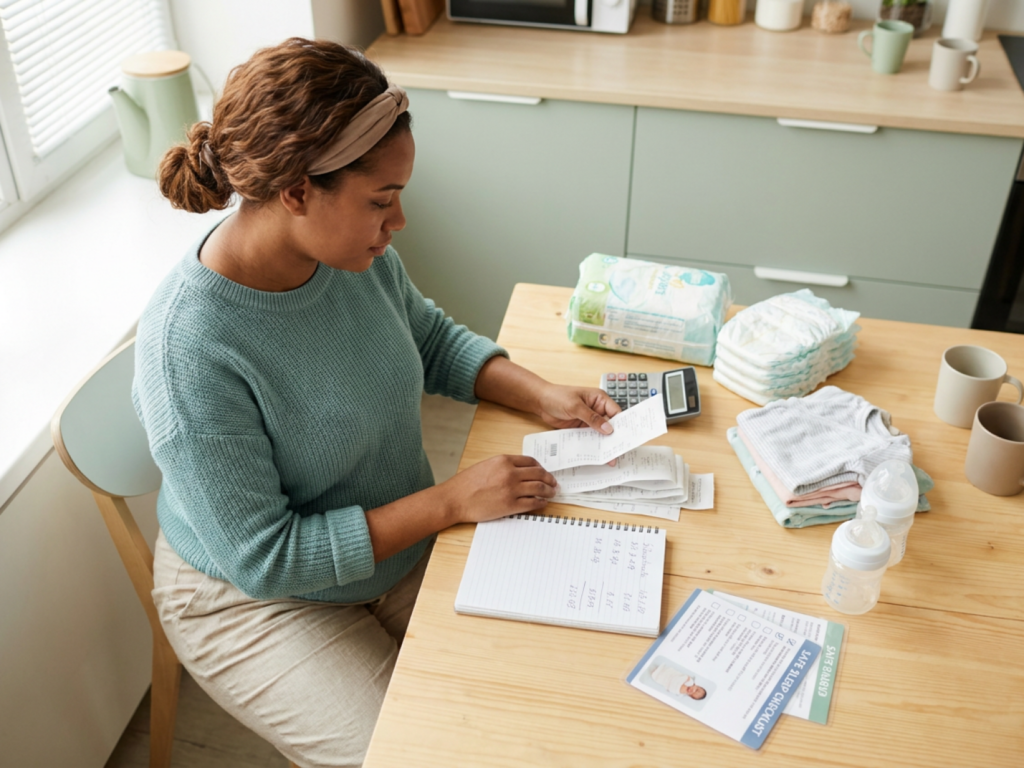
Preparing for a baby can bring excitement alongside real financial pressure. Prices, recommendations, and social media checklists can make it seem as though every item is urgent, but a thoughtful budget helps you focus on products that support feeding, sleep, hygiene, transport, and your household's daily routine.
A useful baby-products budget is not about buying the cheapest option or achieving a perfect nursery. It is about making informed, safety-conscious choices, anticipating recurring costs, and preserving enough financial flexibility for changing needs after birth.
Highlights
Separate one-time setup costs from recurring monthly expenses so the first year feels more predictable.
Safety-critical products deserve priority in the budget; price alone should never determine an infant's sleep or travel setup.
Buying gradually, accepting appropriate hand-me-downs, and delaying nonessential purchases can reduce financial strain without compromising care.
A contingency fund is valuable because feeding plans, infant growth, childcare arrangements, and medical needs can change.
Start with a realistic spending map
Begin by listing expected purchases in two columns: one-time setup items and recurring costs. A stroller, infant car seat, cot or bassinet, changing surface, and initial clothing supply may be purchased once or replaced only as your child grows. Nappies, wipes, feeding supplies, formula when used, laundry, toiletries, and clothing in new sizes are ongoing expenses. This distinction matters because a low-cost first month can still be followed by substantial, regular spending.
Use your current household budget as the starting point rather than relying on a universal total. Housing, commuting, parental leave, insurance coverage, family support, local childcare availability, and feeding choices all influence the result. Estimate a modest, expected, and higher-cost version of each category. The range is more useful than a single number because it acknowledges uncertainty without encouraging panic.
Set a monthly amount for recurring baby supplies and a separate sinking fund for predictable future purchases, such as the next clothing size, a larger car seat, or seasonal outerwear. A sinking fund is money set aside in small installments for a known future expense. MoneyHelper’s calculator approach is useful here: it frames baby costs as both upfront and continuing, allowing families to see the full pattern rather than only the nursery-shopping total.
- Setup: safe sleep space, transport equipment, basic feeding equipment, clothing, and hygiene supplies.
- Monthly: nappies, wipes, feeds, laundry, medicines or pharmacy items as advised, and replacement clothing.
- Periodic: developmental changes, childcare deposits, travel, childcare equipment, and larger gear upgrades.
Prioritize safety before convenience
When funds are limited, direct spending first toward products that address a clear safety need. For sleep, budget for a separate, firm, flat sleep surface that is appropriate for your baby’s age and current safety guidance. Avoid allowing attractive marketing, premium finishes, or promises of better sleep to displace the essentials. Products marketed for reflux, positioning, or prolonged soothing may not be necessary and can create safety concerns when used outside their intended purpose.
A properly selected and correctly installed car seat is another high-priority expense. Confirm that it is compatible with your vehicle and follow the manufacturer instructions. Build time, not only money, into your plan for car-seat installation checks. Retail staff, local services, or qualified technicians may be able to help, depending on where you live. Do not assume that a more expensive model is automatically safer; correct fit, appropriate use, and an intact product history matter.
Keep a small protected amount for replacements prompted by a recall, damage, expiry date, or change in fit. This is especially relevant for helmets, car seats, bottle teats, and sleep products. Budgeting for safe products is a preventative measure, but product choice does not replace supervision, safe use, or individual advice from your paediatric clinician, midwife, health visitor, or other qualified professional.
Buy less at first and plan for growth
Babies grow quickly, and individual preferences can be difficult to predict before birth. Buying a limited initial supply reduces the risk of unused bottles, unopened skincare products, newborn clothes that never fit, or specialised equipment that does not suit your routine. Start with enough essentials to cover the first days and weeks, then purchase more after you understand your baby’s feeding, laundry, and sleep patterns.
Clothing is a common area for overspending. Choose a practical rotation that supports frequent changes, local temperatures, and laundry capacity rather than building a large wardrobe in one size. Prioritize comfortable garments that make nappy changes easier. Gifts and sales can be useful, but only when they meet an identified need; a bargain can still consume space and budget if it is not used.
The same logic applies to feeding. Breastfeeding may still involve costs for nursing bras, breast pads, pumping equipment, storage containers, or lactation support. Formula feeding involves formula, bottles, teats, cleaning supplies, and potentially different formulas if advised by a clinician. Do not make feeding purchases based on guilt or assumptions. Discuss feeding concerns, weight gain, hydration, allergy symptoms, or formula changes with an appropriate healthcare professional instead of treating a product purchase as medical care.
Create a waiting list for convenience products. Revisit it after several weeks of real-world use. This gives you time to borrow, rent, find a safe alternative, or decide that the item is unnecessary.
Use secondhand options carefully
Secondhand baby products can substantially reduce costs, particularly for clothing, books, toys, high chairs, and some furniture. Accepting hand-me-downs can also be emotionally supportive, allowing friends and relatives to contribute in a practical way. However, savings should not override condition, recall status, missing parts, hygiene, or safe-use requirements.
Be selective with secondhand baby products. Inspect items in person when possible, obtain assembly instructions, and check for cracks, loose hardware, mould, frayed straps, or missing labels. Search official recall information in your country. Do not use items that have been modified, lack essential components, or cannot be used according to manufacturer instructions. For upholstered or sleep-related items, consider whether they can be adequately cleaned and whether their structure remains sound.
Use particular caution with car seats. A used seat may have an unknown crash history, damage not visible externally, an expiry date, or missing instructions. Only consider one when its complete history, age, model, condition, and recall status can be verified. New mattresses and safe sleep equipment are often a sensible priority, especially if an older product is worn, soft, damaged, or inconsistent with current safety recommendations.
Borrowing can work well for short-lived items, but agree in advance who is responsible for cleaning, repairs, replacement, and returning the item. This protects relationships and prevents a budget surprise later.
Account for the ongoing household impact
Baby-product costs extend beyond what appears on a registry. Your household may use more water, electricity, detergent, transport, storage, and cleaning supplies. You may also face costs related to childcare, returning to work, home delivery, parking at appointments, or replacing household items as your child becomes mobile. New York Life notes that location and lifestyle shape the budget, so adapt broad estimates to the realities of your area.
Review subscription services and automatic deliveries carefully. Bulk nappies or formula can reduce unit costs when they are suitable and safely stored, but large quantities can become waste if your baby develops skin irritation, outgrows a size, or needs a different product. Begin with smaller quantities, then increase only when your usage is predictable. Compare price per unit, delivery fees, return policies, and storage capacity rather than focusing only on the advertised discount.
Include a healthcare line in your budget even where public health coverage is available. This may cover prescriptions, over-the-counter products recommended by a clinician, transport to appointments, dental care for a parent, lactation consultation, or a replacement thermometer. It is not a prediction that something will go wrong. It is a practical allowance for normal uncertainty during infancy.
For some families, a brief weekly review is more sustainable than a detailed daily ledger. Track the categories that change decisions: feeds, nappies, pharmacy items, transport, and childcare. Use the information to adjust next month’s budget, not to judge yourself for having an expensive week.
Build flexibility and use support early
A resilient baby budget includes a small contingency fund alongside planned spending. BECU’s overview of first-year costs emphasizes that major spending is spread across several categories, which is why leaving no margin can be stressful. A contingency can help cover a growth spurt, unexpected laundry needs, a replacement item, or a change in work arrangements without relying immediately on high-interest borrowing.
Look for support before finances become urgent. Depending on your location, this may include parental benefits, public-health services, community baby banks, food support, breastfeeding support, childcare subsidies, nonprofit equipment exchanges, and employer benefits. Ask a social worker, health visitor, midwife, paediatric clinic, or community organisation what programs are available locally. Seeking assistance is an appropriate part of family financial planning.
Consider Emergency preparedness for baby as a modest budget category rather than an elaborate shopping project. A basic reserve of essential supplies, a way to maintain safe feeding, and an accessible record of important contacts can be more useful than accumulating duplicate gear. Review emergency supplies for expiry dates and changing sizes, particularly formula, batteries, nappies, and clothing.
Finally, revisit your plan at meaningful transitions: before birth, after the first month, when feeding changes, before returning to work, and when your baby begins to outgrow equipment. The goal is not to forecast every detail. It is to keep spending aligned with safety, your baby’s actual needs, and your family’s capacity.
Safety and spending cautions
- Do not choose sleep or positioning products solely because they claim to treat reflux or improve sleep; seek clinical advice for concerning symptoms.
- Do not use a car seat with unknown crash history, visible damage, missing parts, or an expired label.
- Do not stockpile large amounts of formula or skincare products before confirming your baby tolerates them.
- Check official recalls and instructions before using borrowed or secondhand equipment.
- Seek urgent medical advice for signs of infant illness, feeding difficulty, dehydration, breathing problems, or reduced responsiveness rather than relying on a consumer product.
Tools & Assistance
- Use the MoneyHelper Baby Costs Calculator to map one-time and ongoing expenses.
- Create a shared household spreadsheet or banking category for baby purchases.
- Check official product recall databases before accepting used equipment.
- Ask local maternity, paediatric, or public-health services about financial and equipment support.
- Compare unit prices, expiry dates, storage needs, and return policies before buying in bulk.
FAQ
How much should I budget for baby products each month?
There is no universal figure. Start with local prices for nappies, feeding supplies, clothing, laundry, transport, and any planned childcare, then track actual use for one or two months and adjust.
Which baby products should I buy new?
Prioritize products where safety, hygiene, product history, or current standards are difficult to verify, especially a safe sleep mattress and a car seat unless the used seat has a fully verifiable history and meets current guidance.
Is buying in bulk always cheaper?
Not always. Bulk buying is helpful only when the product is suitable, will be used before expiry, can be stored safely, and has a lower total unit cost after delivery and membership fees.
How can I avoid overspending before birth?
Buy core essentials first, make a waiting list for convenience products, accept appropriate hand-me-downs, and delay size-specific or preference-dependent purchases until you know what your baby needs.
Sources
- MoneyHelper — Baby costs calculator
- BECU — Year 1 Baby Costs: It's More Than You Think
- New York Life — How to Budget for a Baby
Disclaimer
This article is for general educational information and is not medical, financial, or legal advice. Consult a qualified healthcare professional for concerns about your baby's health, feeding, sleep, or product safety.













Please log in to leave a comment.