
Intro
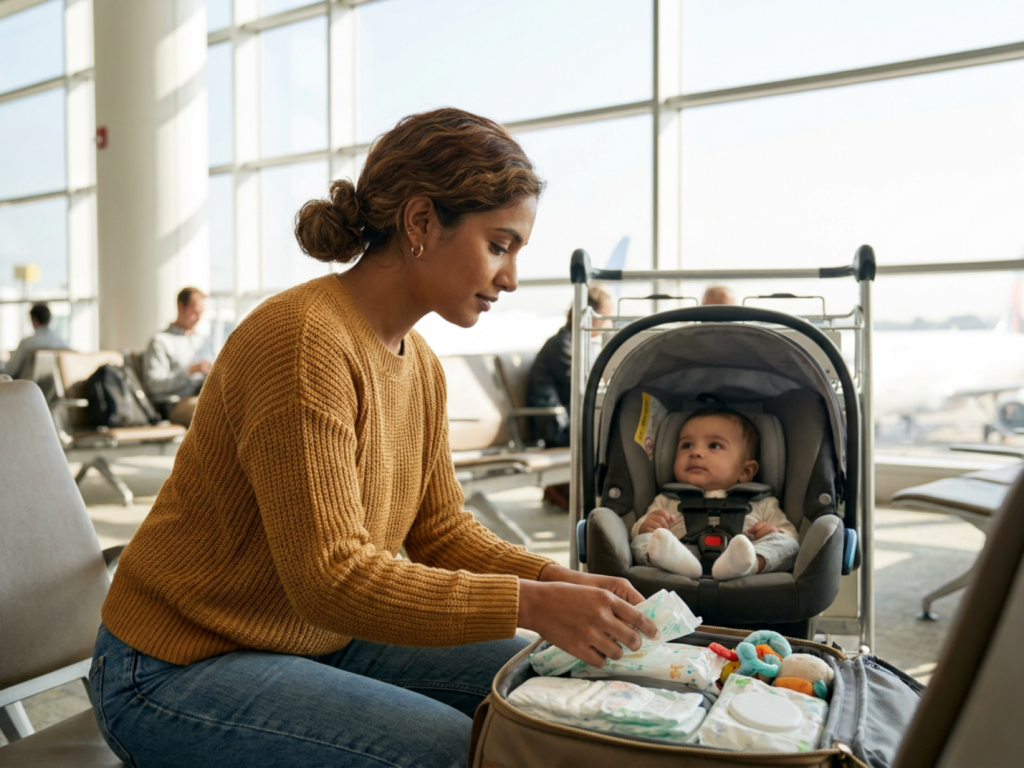
Choosing the best age to travel with a baby depends on more than the number of weeks since birth. Birth history, medical stability, feeding, sleep, vaccination needs, destination, transportation method, and access to healthcare all influence whether a journey is reasonable. Many healthy, full-term infants can travel after the first few weeks, but a later trip may be more manageable for both baby and caregiver.
For air travel, pediatric guidance commonly identifies 2 to 3 months as a practical time to consider flying when circumstances are uncomplicated. Some healthy newborns may be able to fly from about 7 days of age, while other infants, particularly those born prematurely or with medical conditions, may need individualized clearance. The most appropriate timing should be discussed with the baby's healthcare professional.
Highlights
For many healthy, full-term babies, 2 to 3 months is a practical age to consider air travel, although individual circumstances matter.
Experts generally caution against flying during the first 7 days after birth unless a healthcare professional advises otherwise.
Prematurity, cardiopulmonary disease, recent illness, feeding difficulty, or oxygen requirements can change travel planning substantially.
The destination and travel duration may matter as much as age: a short domestic trip is different from international travel or a remote destination.
Flexible plans, safe restraint, infection prevention, feeding support, and reliable medical access can make travel safer and less stressful.
What is the best age to travel with a baby?
There is no universal age that makes travel safe or easy for every infant. For a healthy, full-term baby with no current medical concerns, many families find that travel becomes more manageable between 2 and 3 months. By this stage, caregivers may have learned the baby’s feeding pattern, regained some confidence with routine care, and had an opportunity to discuss any early health concerns with a clinician.
That practical window is not a strict medical rule. Some families need to travel earlier for family, immigration, work, or medical reasons, and some babies are not ready for a longer journey even at 3 months. Conversely, delaying travel does not automatically eliminate all risks. The decision should consider the baby’s current condition, the type of transportation, the destination, and whether caregivers can respond calmly to feeding, sleep, or illness needs during the trip.
The first week deserves particular caution. The Mayo Clinic notes that air travel is typically safe for most healthy, full-term infants after the first few weeks, while experts caution against flying during the first 7 days after birth. Airlines may also impose their own documentation or minimum-age requirements, so caregivers should verify policies before booking.
How birth history and medical status change timing
Chronological age is only one part of travel readiness. A premature infant may need assessment according to corrected age, respiratory stability, growth, feeding endurance, and the presence of complications related to prematurity. Cabin pressure during flight lowers available oxygen compared with sea level, which is usually tolerated by healthy infants but may be clinically relevant for a baby with pulmonary or cardiovascular disease.
Before travel, ask the baby’s pediatrician or another qualified healthcare professional whether the infant’s current status supports the proposed journey. This is particularly important if the baby was born prematurely, required neonatal intensive care, has chronic lung disease, congenital heart disease, anemia, a history of apnea, ongoing oxygen therapy, or difficulty maintaining adequate feeding and hydration. The clinician may advise additional planning or coordinate with a specialist.
Recent fever, respiratory symptoms, vomiting, diarrhea, poor feeding, unusual lethargy, or a significant reduction in wet diapers should prompt medical advice before departure. These signs do not establish a diagnosis, but they can indicate that travel should be postponed while the infant is assessed. Families should also understand how to obtain urgent care at their destination and carry relevant medical information, medication details, and contact numbers.
Travel readiness for premature infants is therefore individualized rather than determined by a single birthday. A written care plan can be useful when the baby has ongoing needs, especially for longer journeys or travel away from major medical facilities.
Choosing the right type of journey
The best age may differ according to how you are traveling. A short car journey allows more control over stops, feeding, and the environment, but the baby must remain in a properly installed rear-facing car seat whenever the vehicle is moving. Caregivers should plan regular breaks to remove the infant from the restraint while parked safely and supervised. Never use a car seat as the routine sleep location once the journey has ended.
Train travel may provide more room to move and can avoid some airport logistics, but crowded stations, transfers, and limited privacy can complicate care. Air travel is often efficient for long distances, yet it involves airport exposure, security procedures, cabin noise, pressure changes, and less flexibility once onboard. For a first trip, a direct route and a short itinerary may be easier than a multi-leg journey, regardless of whether the baby is 6 weeks or 6 months old.
During takeoff and landing, sucking and swallowing may help some infants equalize middle-ear pressure. Feeding or offering a pacifier at an appropriate time may be useful, but caregivers should not force feeding or delay attention to signs of distress. Adults should follow the airline’s instructions for an approved infant restraint system; holding a baby in arms does not provide the same protection during turbulence or an emergency.
Consider the whole journey rather than only time in transit. A two-hour flight can become a ten-hour travel day after transportation to the airport, check-in, delays, baggage collection, and ground transfers. Build in extra time and avoid scheduling essential connections immediately after arrival.
Health preparation before departure
A pre-travel appointment can help identify issues that are easy to overlook. Discuss the destination, duration, altitude, climate, transportation, feeding method, and access to healthcare. The clinician can review routine immunizations and any destination-specific recommendations. International travel may involve additional vaccine timing or infection risks, so advice should be obtained well before departure rather than immediately before boarding.
Pack enough familiar feeding supplies for delays and carry them in hand luggage. Breast milk and formula require careful handling, and prepared formula should be stored and used according to appropriate food-safety guidance. Infants are vulnerable to dehydration because of their small fluid reserves, particularly during hot weather, gastrointestinal illness, or disrupted feeding. Do not give extra water or oral rehydration products without professional guidance appropriate to the baby’s age and condition.
Infection prevention becomes more important in crowded terminals, airplanes, stations, and tourist settings. Adults should clean their hands before feeding or handling bottles and avoid close contact between the baby and people who are ill. The CDC also highlights mosquito protection and other destination-related precautions. Use only products and methods considered appropriate for infants, and obtain specific advice for the destination’s infectious disease risks.
Keep essential items accessible: diapers, wipes, feeding supplies, a change of clothing, a thermometer, medical documents, and any prescribed treatment. Medication should remain in its original labeled container. Avoid giving sedating medicines to make a baby sleep during travel unless a qualified clinician has specifically advised it; sedation can impair breathing and does not reliably solve travel difficulties.
Sleep, restraint, and comfort during travel
Disrupted sleep is one of the main reasons travel feels difficult with a young infant. Try to preserve familiar cues such as feeding order, a sleep sack, and a predictable wind-down routine, while accepting that exact schedules may not be possible. A baby may cry more because of fatigue, hunger, noise, temperature changes, or overstimulation. Responding to basic needs is more useful than pursuing a perfect itinerary.
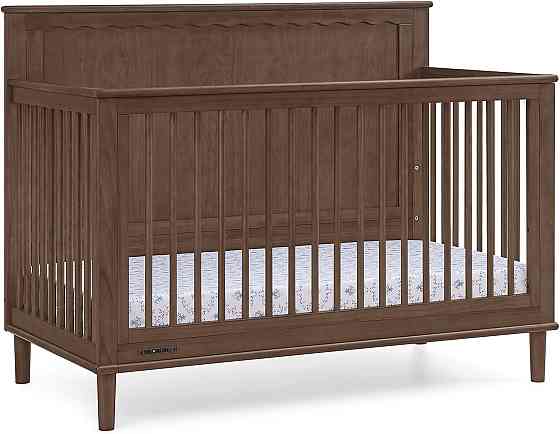
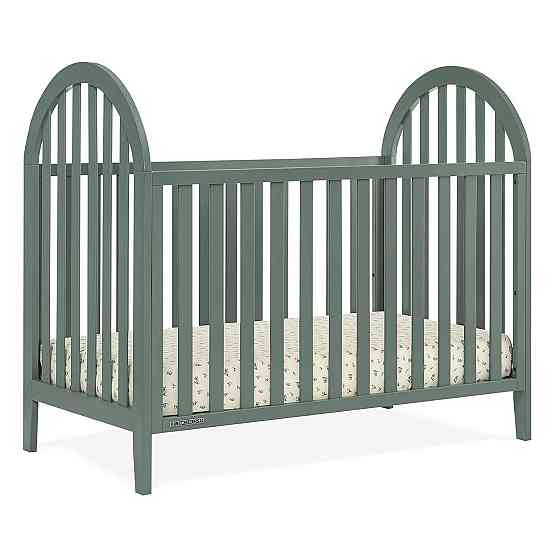
Safe sleep principles continue during travel. Place the baby on the back on a firm, flat, separate sleep surface that meets current safety standards, with no loose pillows, blankets, bumpers, or soft objects around the face. A car seat, stroller, or adult bed is not a substitute for a safe sleep surface. Check any provided crib before use, including its stability, mattress fit, and absence of gaps or damaged components.
Use an age- and size-appropriate restraint correctly in cars and aircraft. Bulky outerwear can interfere with harness fit, so caregivers should follow the restraint manufacturer’s instructions for clothing and positioning. Keep the baby’s airway visible and unobstructed when using a carrier or stroller, and check frequently during naps. Safe infant restraint in transit is a core part of travel planning, not an optional accessory.
Comfort items should be simple and familiar. A feeding break, a clean diaper, skin-to-skin contact when practical and safe, or a quiet change of environment may help. Caregivers should share responsibilities where possible so that one exhausted adult is not solely responsible for monitoring the infant throughout a long journey.
Destination planning matters as much as age
A baby who is ready for a short domestic visit may not be ready for a remote international trip. Evaluate healthcare access at the destination, travel insurance coverage, water and food safety, climate, altitude, transportation standards, and the prevalence of infectious diseases. Identify the nearest hospital or pediatric service before leaving, and learn how emergency services are accessed locally.
Hot or humid conditions increase the need for shade, appropriate clothing, and careful feeding. High-altitude destinations may require particular caution if the baby has respiratory or cardiac concerns. In areas with mosquitoes, use physical barriers such as clothing and netting when suitable, and ask a healthcare professional or travel-medicine service about age-appropriate repellents. Avoid exposing an infant to unnecessary environmental extremes when a simpler destination is available.
Accommodation should offer a safe sleeping arrangement, clean water, temperature control, and a quiet place for feeding and changing. A flexible itinerary with a baby is usually more sustainable than a schedule built around multiple daily activities. Plan one major activity, or none, on arrival day; allow recovery time; and choose transport that makes it possible to stop, feed, and change the baby without rushing.
Travel can be reasonable at many ages when the destination matches the infant’s needs. Conversely, postponement may be sensible if the trip involves political or environmental instability, limited medical access, extreme heat, a high infection burden, or logistics that would leave caregivers unable to maintain basic care.
When postponing travel may be wise
Some situations call for a pause while the baby is evaluated. These include current or recent significant illness, breathing difficulty, persistent vomiting or diarrhea, poor weight gain, inadequate feeding, dehydration concerns, unstable chronic disease, or a recent procedure. A baby who is not medically stable should not be taken on a demanding journey simply because tickets have already been purchased.
Caregivers should also consider their own condition. Recovery after childbirth, cesarean birth, sleep deprivation, postpartum complications, and limited support can make travel physically unsafe or emotionally overwhelming. Asking another trusted adult to travel with you, shortening the trip, or delaying it can be appropriate ways to protect the whole family.
Seek urgent medical help if the baby develops breathing difficulty, bluish or gray coloring, markedly reduced responsiveness, a seizure, signs of severe dehydration, or another emergency symptom. Fever in a young infant can require prompt assessment, and caregivers should ask their healthcare professional in advance what temperature threshold and symptoms require urgent attention for their baby’s age.
The goal is not to meet an ideal travel milestone. It is to choose timing and conditions that support safe feeding, breathing, sleep, warmth, supervision, and rapid access to help. A healthcare professional can help translate the general age guidance into a plan for your particular infant.
When to seek medical advice before travel
- The baby was born prematurely or has heart, lung, neurologic, or other ongoing medical problems.
- The infant currently has fever, breathing symptoms, vomiting, diarrhea, poor feeding, or fewer wet diapers.
- The baby requires oxygen, specialized equipment, regular medical monitoring, or time-sensitive treatment.
- The destination has limited healthcare access, extreme climate, high altitude, or significant infectious disease exposure.
- A clinician has advised postponing travel, or the airline requires medical documentation that has not been completed.
Tools & Assistance
- Pre-travel appointment with the baby's pediatrician or qualified healthcare professional
- Airline infant-age, documentation, and approved-restraint policy
- Destination travel-medicine clinic and official public-health guidance
- Travel insurance with infant medical coverage and emergency assistance
- Written baby travel care plan with healthcare contacts and treatment information
FAQ
Can a newborn fly at 2 weeks old?
Some healthy newborns may be permitted to fly from about 7 days, but experts commonly suggest waiting longer when possible. Discuss the baby's individual health and the airline's requirements with a healthcare professional before booking.
Is 3 months a good age to travel with a baby?
For many healthy, full-term infants, 3 months can be a practical time because caregivers may understand feeding and sleep patterns better. It is not a universal medical threshold, and destination and birth history still matter.
Should premature babies wait longer before flying?
Possibly. Timing depends on corrected age, respiratory status, oxygen needs, feeding, growth, and other complications. Premature infants should receive individualized advice, and some may need specialist assessment before air travel.
How can I reduce infection exposure while traveling?
Clean hands before feeding or handling bottles, avoid close contact with ill people, choose less crowded arrangements when practical, and follow destination-specific advice about food, water, mosquitoes, and immunizations.
What should a baby sleep in during a trip?
Use a firm, flat, separate sleep surface with the baby placed on the back and the sleep area kept free of loose objects. Do not use a car seat, stroller, or adult bed as the routine sleep surface.
Sources
- Mayo Clinic — Air travel with infant: Is it safe?
- Centers for Disease Control and Prevention — Traveling Safely with Infants and Children
- HealthyChildren.org, American Academy of Pediatrics — Flying With Baby: Parent FAQs & Tips for Safer, Easier Air Travel
Disclaimer
This article provides general educational information and is not a diagnosis or a substitute for individualized medical advice. Consult a qualified healthcare professional before traveling with an infant, especially after premature birth or when medical conditions are present.















Please log in to leave a comment.