
Intro
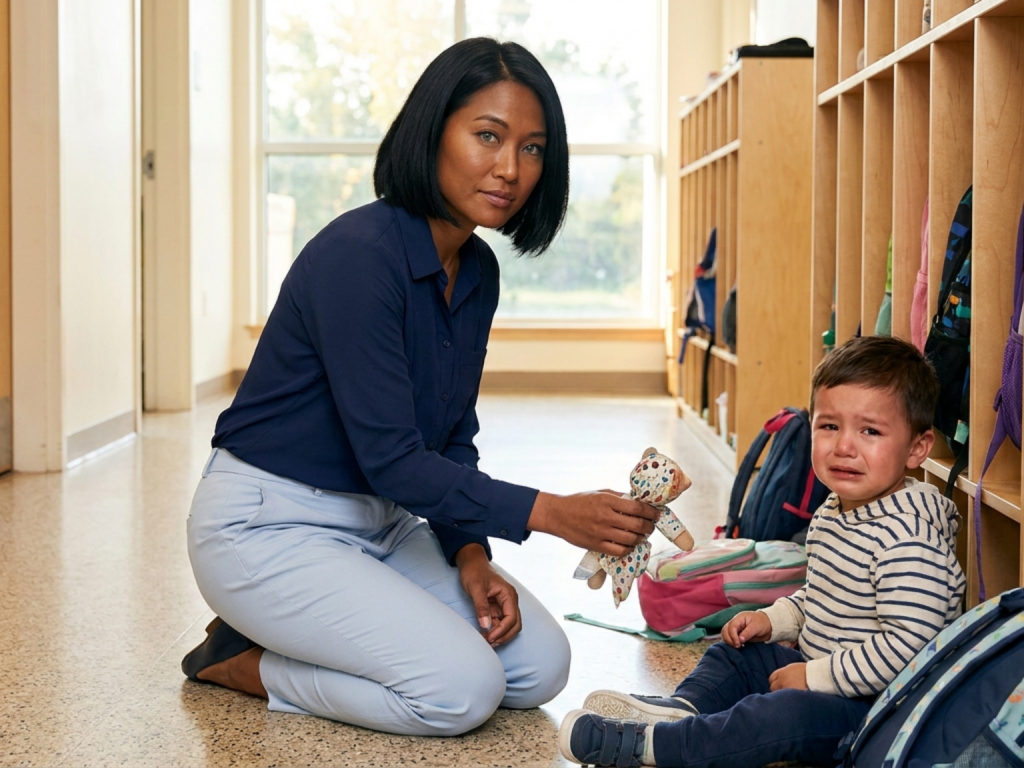
Tantrums can be loud, sudden, and deeply upsetting for both children and caregivers. They are also a common part of early childhood, especially when a child’s emotional intensity exceeds their still-developing language, inhibitory control, and frustration tolerance.
Handling tantrums well does not mean being permissive, and it does not mean forcing a child to calm down instantly. The goal is to keep everyone safe, stay emotionally regulated as the adult, hold reasonable limits, and gradually teach the child more adaptive ways to communicate distress.
Highlights
Tantrums are often a sign of developmental overload rather than deliberate misbehavior.
The adult’s calm nervous system is one of the most useful tools during a child’s emotional storm.
Validation and boundaries can coexist: a child’s feelings can be accepted while unsafe or inappropriate behavior is limited.
Teaching emotional regulation works best after the child is fully calm, not at the peak of the tantrum.
Understand what a tantrum is trying to communicate
A tantrum is an acute behavioral and emotional dysregulation episode. In young children, the prefrontal cortical systems involved in impulse control, flexible thinking, and emotional modulation are immature. When fatigue, hunger, frustration, sensory overload, disappointment, pain, or transition demands accumulate, the child may lose access to language and problem-solving skills. Crying, screaming, dropping to the floor, kicking, clinging, or refusing may be the visible expression of an overwhelmed nervous system.
This does not mean every demand should be removed or every request granted. It means the behavior should be interpreted in context. A child who is melting down because a toy was taken away may be communicating disappointment, difficulty shifting attention, limited language, or a need for co-regulation. A child who erupts every evening may be showing cumulative fatigue. A child who tantrums during transitions may need more predictable cues and support.
Viewing tantrums as communication helps caregivers remain curious rather than reactive. Ask yourself: What happened just before the tantrum? Was the child tired, hungry, overstimulated, rushed, or asked to stop a preferred activity? Is this a predictable pattern? This curiosity does not excuse unsafe behavior, but it guides a more effective response.
Regulate yourself before trying to regulate the child
The caregiver’s first task is not to deliver the perfect sentence. It is to stay as regulated as possible. Children borrow regulation from adults through tone of voice, facial expression, posture, and pacing. If the adult becomes highly escalated, the child’s stress response may intensify.
Useful adult strategies include taking one slow breath before speaking, lowering your voice, relaxing your shoulders, and using brief phrases. Long explanations rarely work during the peak of a tantrum because the child’s receptive language and executive function are temporarily reduced. A calm statement such as “I’m here. You are safe. I won’t let you hit” is usually more helpful than a lecture.
Regulation does not mean pretending to feel calm. It means noticing your own physiological activation and choosing a response that keeps the situation safer. If another safe adult is available, it is appropriate to switch out briefly when you feel close to yelling or using harsh discipline. This models an important skill: taking a break before losing control.
Respond differently in each phase of the tantrum
Tantrums often have phases: escalation, peak intensity, and recovery. Matching the response to the phase prevents many power struggles.
- Escalation: The child is becoming upset but may still be reachable. Use redirection, choices, or a brief reminder. For example: “First shoes, then playground,” or “You can walk to the car or I can carry you.” Keep choices limited and acceptable.
- Peak: The child is overwhelmed. Prioritize safety and reduce verbal input. Move dangerous objects, block hitting gently if needed, and keep your language short. Avoid arguing, bargaining, or asking complex questions.
- Recovery: The child may cry softly, seek contact, or look exhausted. Offer comfort if the child wants it. Some children need a hug; others need space nearby. Teaching and problem-solving should wait until the child is fully calm.
During the peak, the goal is not to make the tantrum stop immediately. The goal is to avoid making it worse, protect safety, and allow the nervous system to return to baseline. Later, when the child is calm, you can name what happened and practice a better response: “You were very angry when it was time to leave. Next time you can say, ‘I need help,’ or stomp your feet in the stomp spot.”
Validate feelings while holding firm limits
Validation is not the same as permission. A child can be allowed to feel angry while not being allowed to throw a block at someone. This combination is central to effective tantrum response because it protects the relationship and maintains behavioral boundaries.
Use concise emotion labeling: “You are mad because the tablet is all done.” Then state the limit: “The tablet is still all done.” If needed, add a safe alternative: “You can squeeze this pillow or sit with me.” This approach helps the child gradually connect body sensations, emotions, words, and actions.
A common caregiver fear is that empathy will reinforce tantrums. Empathy alone does not mean giving in. In fact, giving the forbidden item only after a tantrum can unintentionally teach that escalation is effective. The boundary should remain consistent when possible. The child receives connection, not the unavailable cookie, toy, screen, or unsafe action.
For aggressive behavior, use immediate safety limits: “I won’t let you hit.” Gently block or move away while keeping your voice neutral. Avoid shaming labels such as “bad” or “naughty.” The behavior is unsafe; the child is still a child learning regulation.
Use selective attention and reinforcement carefully
Behavioral principles can be useful when applied with warmth. Some tantrum behaviors are maintained by intense adult attention, repeated negotiation, or escape from a reasonable demand. In these situations, caregivers may reduce attention to the tantrum behavior while giving strong attention to calm or cooperative behavior. This is sometimes called differential reinforcement.
For example, if a child screams because they do not want to put on pajamas, the caregiver might remain nearby, keep the instruction simple, and avoid debate. When the child pauses or uses a calmer voice, the caregiver immediately reinforces that behavior: “You used your calm voice. Thank you. Pajamas first, then story.”
Ignoring should never mean ignoring safety, fear, illness, or genuine distress. It means not feeding the escalation with repeated arguments, threats, or emotional intensity. For some children, a brief quiet space or calm corner can help if it is used as regulation support rather than humiliation. The caregiver can say, “We’re going to the quiet spot until your body is safe.”
Once calm is restored, reissue the original reasonable direction if appropriate. If every tantrum removes the demand, the child may learn that dysregulation is the most reliable way to escape tasks. Consistency matters, but it should be paired with developmentally appropriate expectations.
Prevent predictable tantrums with routines and preparation
Prevention often works better than intervention. Many tantrums occur around predictable stress points: hunger, fatigue, transitions, overstimulating environments, waiting, screen limits, and abrupt changes. A child who struggles in the supermarket at 6 p.m. may not need a more complicated consequence; they may need a snack, shorter errands, or a different schedule.
Helpful prevention strategies include predictable routines, visual or verbal warnings before transitions, simple first-then language, and offering limited choices. For example: “Two more minutes, then bath,” followed by “Do you want to hop to the bathroom or walk?” A timer can help some children externalize the transition, though it should not become a source of conflict.
Build acceptable outlets for anger into daily life. Children can be taught to stomp feet, rip scrap paper, squeeze a stuffed toy, push against a wall, draw an angry picture, or ask for help. These alternatives should be practiced when the child is calm, not introduced for the first time during a crisis.
Positive attention is also preventive. Many children cooperate better when they receive frequent, specific acknowledgment for small moments of regulation: “You waited while I poured the milk,” or “You were disappointed and you used words.” These comments strengthen the behaviors caregivers want to see more often.
Talk after the tantrum, not during the storm
The teaching moment comes after recovery. Once the child is fully calm, use a brief, non-shaming conversation. For toddlers, this may be one or two sentences. For preschoolers, it can include simple problem-solving.
A useful structure is: name the event, validate the feeling, restate the limit, and practice an alternative. For example: “You were angry when your tower fell. It is okay to be angry. Blocks are not for throwing. Next time, say ‘Help please’ or stomp here.” Then practice once, playfully and briefly.
Repair matters too. If you yelled or handled the situation in a way you regret, a developmentally appropriate repair can be powerful: “I got too loud. I’m sorry. I’m working on using a calm voice.” This does not remove the child’s responsibility for unsafe behavior, but it models accountability.
Over time, these conversations build emotional literacy: recognizing feelings, linking triggers to body states, and choosing safer behaviors. Progress is often gradual. A child may not stop having tantrums immediately, but episodes may become shorter, less intense, or easier to recover from.
Know when to seek professional guidance
Many tantrums are developmentally typical, especially between toddlerhood and the preschool years. Still, some patterns deserve additional assessment. Consider discussing concerns with a pediatrician, child psychologist, developmental-behavioral pediatrician, or early childhood mental health professional if tantrums are very frequent, prolonged, injurious, occur across multiple settings, or are associated with developmental regression, severe sleep disruption, marked language delay, or significant family impairment.
Professional guidance can help identify contributing factors such as communication difficulties, sensory processing differences, anxiety, trauma exposure, sleep problems, pain, neurodevelopmental differences, or environmental stressors. Seeking help is not a failure of parenting. It is a way to understand the child’s needs and select supports that fit the family.
Caregivers should also seek urgent help if a child’s behavior creates immediate risk of serious harm to self or others, or if the adult feels unable to keep the child safe. In these moments, safety planning and professional support are more important than trying to manage alone.
When to be more cautious
- Seek urgent help if a child is at risk of serious self-injury or harming others.
- Consult a healthcare professional if tantrums are prolonged, very frequent, or worsening despite consistent support.
- Ask for assessment if tantrums occur with language regression, developmental concerns, severe sleep problems, or suspected pain.
- Avoid physical punishment, humiliation, or threats; these can increase fear and dysregulation.
- Do not ignore a tantrum when safety, illness, trauma, or intense fear may be involved.
Tools & Assistance
- Create a simple tantrum log noting trigger, time of day, duration, and recovery strategy.
- Use first-then language and transition warnings for predictable difficult moments.
- Prepare a calm corner with safe sensory tools such as pillows, books, or squeeze toys.
- Discuss persistent concerns with your child’s pediatrician or an early childhood mental health clinician.
- Practice emotion words and safe anger outlets during calm play.
FAQ
Should I ignore my child during a tantrum?
Sometimes reducing attention to screaming or arguing can help, but safety and emotional connection still matter. Stay nearby, keep the child safe, and reinforce calm behavior when it appears.
Is it okay to give a hug during a tantrum?
Yes, if the child wants physical comfort and it is safe. Some children calm with closeness; others need space with a caregiver nearby.
What if the tantrum happens in public?
Focus on safety and calm, not embarrassment. Move to a quieter place if possible, use brief language, hold the limit, and discuss it later when the child is calm.
Do tantrums mean my child has a behavioral disorder?
Not usually. Tantrums are common in early childhood. However, very intense, prolonged, injurious, or impairing tantrums should be discussed with a qualified professional.
Sources
- Greater Good Science Center at UC Berkeley — Six Ways to Respond to Your Child's Tantrum
- Zero to Three — Toddler Tantrums 101: Why They Happen and What You Can Do
- National Association of School Psychologists — Temper Tantrums: Guidelines for Parents and Teachers
Disclaimer
This article is for informational purposes only and does not replace medical, developmental, or mental health advice. Consult a qualified healthcare professional for concerns about your child’s behavior or safety.


















Please log in to leave a comment.