
Intro
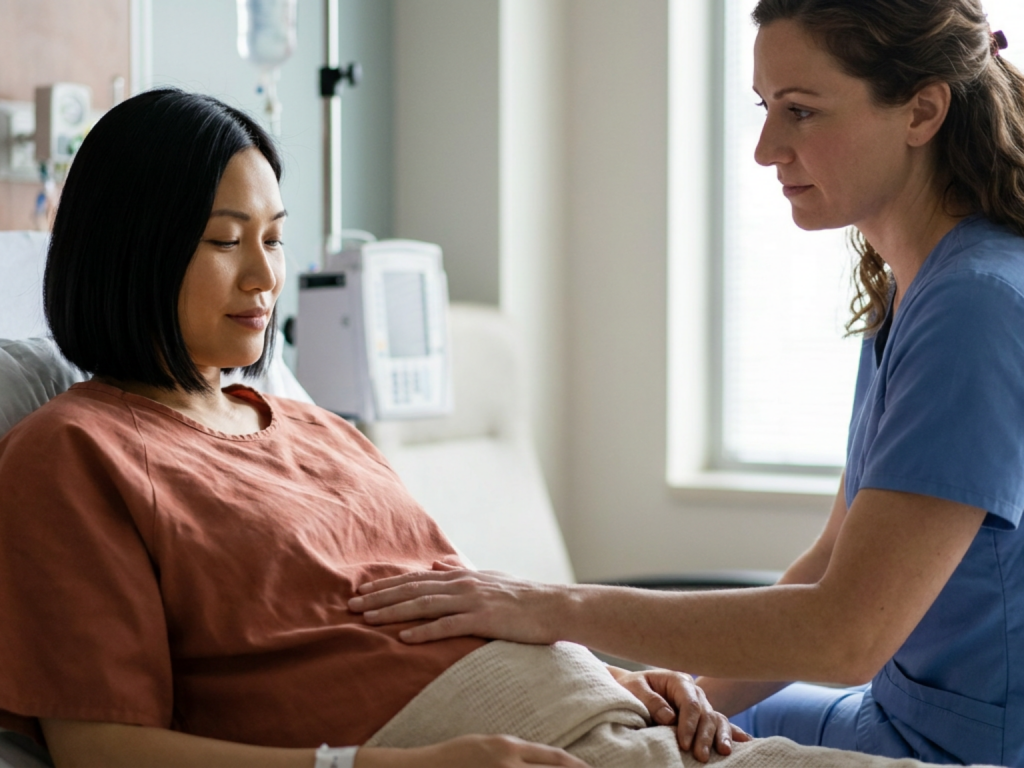
The first minutes and days after giving birth can feel surprisingly intense. Your body is shifting from labor or surgery into recovery, your uterus is contracting down, hormones are changing rapidly, and your tissues may be swollen, tender, numb, or hypersensitive. Many sensations are expected, but they can still feel unfamiliar or emotionally overwhelming.
This article explains common first physical sensations after delivery in a medically informed but supportive way. It is not meant to diagnose what you are feeling; if pain, bleeding, dizziness, fever, weakness, or any symptom concerns you, contact your maternity care team promptly.
Highlights
Cramping, bleeding, swelling, sweating, shakiness, and profound fatigue are common early postpartum sensations as the body begins recovery.
The type of birth matters: vaginal birth often brings perineal soreness and altered pelvic sensation, while cesarean birth adds incisional and post-anesthesia sensations.
Numbness, tingling, or altered pelvic sensitivity can occur after delivery and is usually monitored in context with pain, mobility, bladder function, and healing.
Some symptoms are urgent, especially heavy bleeding, chest pain, shortness of breath, fainting, fever, severe headache, or one-sided leg swelling.
The first minutes: pressure, shaking, relief, and intense fatigue
Immediately after the baby is born, many people notice a dramatic change in pressure. The stretching and downward force of the second stage ends, but the pelvis, vagina, rectum, abdomen, and thighs may still feel heavy, trembly, or bruised. Some describe a wave of relief followed by exhaustion so deep that lifting the head or arms feels difficult. This can be true even after an uncomplicated birth.
Shaking or chills are also common in the first hours after birth. They may relate to hormonal shifts, exertion, temperature changes, intravenous fluids, blood loss, anesthesia, or the normal stress response after labor. Shaking can feel alarming, but maternity teams routinely assess it alongside temperature, blood pressure, pulse, bleeding, and uterine tone after delivery.
You may also feel continued contractions as the uterus clamps down. These contractions help compress blood vessels where the placenta was attached. They can feel like menstrual cramps, labor-like waves, or a firm tightening under the lower abdomen. Nurses or midwives may press on the abdomen to assess the fundus, the upper portion of the uterus, which can be uncomfortable but is clinically important in immediate postpartum recovery.
Uterine cramps, lochia, and pelvic heaviness
After delivery, the uterus begins involution, the process of shrinking from pregnancy size toward its nonpregnant state. The first sensation is often cramping, sometimes called afterpains. These cramps may become stronger during breastfeeding or chestfeeding because oxytocin release stimulates uterine contraction. People who have given birth before may notice stronger afterpains than they remember from a first birth.
Bleeding and discharge, called lochia, begin right away. At first it is usually red and may include small clots, then gradually becomes lighter in color and amount over days to weeks. Sensations may include warmth, wetness, pelvic fullness, or the need to change pads frequently. Your care team will tell you what amount of bleeding is expected in your setting and when to seek urgent help.
Pelvic heaviness can reflect swollen tissues, stretched pelvic floor muscles, bladder fullness, constipation, or simply the muscular effort of birth. It should gradually improve, but a feeling of severe pressure, rapidly increasing pain, inability to urinate, or heavy bleeding should be discussed promptly with a clinician. If you are unsure whether bleeding or pressure is normal, it is safer to call your postpartum unit or maternity triage.
Perineal and vaginal sensations after vaginal birth
After vaginal birth, the perineum and vaginal opening may feel swollen, stinging, burning, bruised, or tender. The sensation can be more pronounced after a long pushing phase, an episiotomy, perineal tears, forceps or vacuum assistance, or significant edema. Sitting, urinating, changing position, or having a bowel movement can make the area feel more noticeable.
Stitches may feel tight, prickly, or pulling, especially when swelling changes. Urine passing over small abrasions can sting. Many postpartum units suggest measures such as cold packs, peri bottles with warm water during urination, careful patting rather than rubbing, and supported sitting; however, follow the instructions given by your own care team, especially if you had a higher-degree tear or complex repair.
Altered pelvic sensation is also possible. Research on pelvic sensory function has found that vibration sensation may improve shortly after birth while stretch sensation can deteriorate, particularly after vaginal delivery. This helps explain why some people feel both hypersensitive in one area and strangely numb or less aware in another. Vaginal delivery can be associated with transient or, less commonly, prolonged nerve injury, while cesarean delivery may offer some neuroprotection for pelvic sensory pathways. Persistent numbness, weakness, fecal leakage, or loss of bladder control deserves clinical assessment rather than self-diagnosis.
Cesarean sensations: incision pain, numbness, gas, and anesthesia recovery
After a cesarean birth, early sensations often combine postpartum uterine cramping with surgical recovery. The lower abdomen may feel sore, tight, burning, or pulling near the incision. The skin around the incision can also feel numb because small superficial nerves are cut or stretched during surgery. Numbness may improve slowly, but the timeline varies.
Post-anesthesia recovery after cesarean can include heavy legs, itching, nausea, shivering, grogginess, or delayed return of full sensation if spinal or epidural anesthesia was used. Nurses will usually check leg strength, sensation, blood pressure, pain level, bleeding, and the ability to urinate. Do not get out of bed until staff confirm it is safe, because dizziness or residual numbness can increase fall risk.
Gas pain can be surprisingly intense after abdominal surgery. It may feel like sharp abdominal pain, bloating, shoulder discomfort, or pressure under the ribs. Gentle movement, hydration as allowed, and time often help bowel function return, but severe or worsening abdominal pain, vomiting, fever, a distended abdomen, or inability to pass gas should be reported. Postpartum cesarean pain control should be individualized by your clinician, especially if you are breastfeeding, have medication allergies, or have medical conditions affecting medication choices.
Breasts, nipples, sweating, and whole-body fluid shifts
In the first day or two, breasts or the chest may feel soft, warm, tingly, or mildly tender as colostrum is produced. As milk volume increases, sensations can become fuller, heavier, or achy. Let-down may feel like tingling, pins and needles, warmth, or sudden leaking. Nipples may feel sensitive during early feeds, but severe pain, cracking, bleeding, or pain that persists through an entire feed is worth discussing with a lactation professional or clinician.
Night sweats are another common postpartum sensation. During pregnancy, the body carries extra fluid; after birth, hormonal changes and kidney activity help mobilize that fluid. You may wake soaked, chilled, or needing to change clothes. Sweating can be normal, but fever, foul-smelling discharge, worsening pelvic pain, breast redness with systemic illness, or feeling acutely unwell should prompt medical advice.
Swelling may shift rather than disappear immediately. Feet, hands, vulva, or the face can look puffy after labor, intravenous fluids, or pregnancy-related fluid retention. Most postpartum swelling improves gradually. However, one-sided leg swelling, calf pain, chest pain, shortness of breath, or severe headache is not something to watch at home without guidance; these symptoms require urgent evaluation.
Bladder, bowel, pelvic floor, and altered nerve signals
The bladder can behave unpredictably after birth. Some people feel an urgent need to urinate; others have little sensation even when the bladder is full, especially after epidural anesthesia, prolonged labor, instrumental birth, perineal swelling, or catheter use. A very full bladder can increase discomfort and may interfere with uterine contraction, so postpartum teams often monitor the first voids carefully.
Bowel sensations can include gas, pressure, constipation, hemorrhoid discomfort, or fear of opening the bowels because of perineal pain. The pelvic floor has worked hard, and nerves may be stretched or irritated. You might notice temporary difficulty sensing gas versus stool, a heavy feeling with standing, or reduced coordination when trying to contract pelvic floor muscles. These concerns are common topics for postpartum clinicians and pelvic floor physical therapists.
Because pelvic sensory changes can overlap with normal recovery and nerve injury, it helps to describe what you feel precisely: numbness, tingling, burning, electric pain, reduced awareness, weakness, leakage, or pressure. Symptoms that worsen, prevent urination or bowel control, involve leg weakness, or do not improve should be assessed. Early support can make recovery less frightening and help identify when specialist care is appropriate.
Pain, emotions, and when sensations do not feel normal
Physical sensation and emotion are tightly linked after birth. Pain may feel sharper when you are sleep deprived, frightened, or processing a difficult labor. Conversely, adrenaline and joy can temporarily mask pain, making soreness more noticeable hours later. Mood swings and tearfulness are common in the early postpartum period, but emotional distress combined with uncontrolled pain, panic, or feeling unsafe deserves compassionate professional support.
Common discomforts should still be taken seriously. Pain after vaginal birth, perineal trauma after birth, cesarean incision pain, cramping, and breast tenderness can usually be managed with a care plan, but you should not be expected to endure severe pain silently. Tell your nurse, midwife, obstetrician, or primary care clinician if pain limits breathing, walking, feeding, urinating, sleeping, or caring for yourself.
Seek urgent care for heavy bleeding, fainting, chest pain, shortness of breath, seizures, severe headache, vision changes, fever, worsening abdominal or pelvic pain, foul-smelling lochia, wound opening, or thoughts of harming yourself or your baby. Trust your perception: if a sensation feels dramatically wrong, new, or rapidly worsening, ask for help. Postpartum recovery is not a test of toughness; it is a medically important transition that deserves attentive care.
Seek urgent medical help if you notice
- Heavy bleeding, soaking pads rapidly, large clots, fainting, or feeling unable to stay upright.
- Chest pain, shortness of breath, coughing blood, or one-sided leg swelling or calf pain.
- Severe headache, vision changes, seizure, confusion, or very high blood pressure if measured.
- Fever, worsening pelvic or abdominal pain, foul-smelling discharge, or an incision that opens or drains pus.
- Inability to urinate, new leg weakness, loss of bowel control, or rapidly worsening numbness.
- Thoughts of harming yourself or your baby, or feeling unsafe with your mental state.
Tools & Assistance
- Postpartum symptom log noting bleeding amount, pain location, temperature, urination, bowel movements, and medications taken.
- Direct contact number for your maternity unit, midwife, obstetrician, or postpartum triage service.
- Peri bottle, maternity pads, cold packs, supportive pillow, and clean supplies recommended by your care team.
- Lactation consultant or infant-feeding clinic for nipple pain, latch pain, engorgement, or milk transfer concerns.
- Pelvic floor physical therapy referral if pelvic heaviness, numbness, leakage, or pain persists.
FAQ
Is it normal to feel cramping after the baby is born?
Yes, uterine cramping is common as the uterus contracts and shrinks. It can intensify during breastfeeding or chestfeeding, but severe or worsening pain should be discussed with a clinician.
Why does my perineum feel numb and painful at the same time?
Swelling, stretching, tissue repair, and nerve irritation can create mixed sensations such as numbness, burning, pressure, and soreness. Persistent or worsening numbness, weakness, or leakage needs medical assessment.
Are night sweats after delivery expected?
Night sweats can occur as hormones shift and the body removes extra pregnancy fluid. Fever, feeling very unwell, breast redness with flu-like symptoms, or foul-smelling discharge should be reported.
How are sensations different after cesarean birth?
Cesarean recovery often includes uterine cramps plus incision soreness, abdominal tightness, numb skin near the scar, gas pain, and temporary effects from anesthesia.
When should I call instead of waiting for my postpartum visit?
Call promptly for heavy bleeding, fever, severe pain, shortness of breath, chest pain, fainting, severe headache, vision changes, wound problems, inability to urinate, or any symptom that feels urgent to you.
Sources
- Nature — The impact of pregnancy and childbirth on pelvic sensation
- Cleveland Clinic — Postpartum: Stages, Symptoms & Recovery Time
- Mayo Clinic — Postpartum care: What to expect after a vaginal birth
Disclaimer
This article is for general educational purposes only and is not a substitute for individualized medical advice, diagnosis, or treatment. Contact your healthcare professional or emergency services for concerning postpartum symptoms.

















Please log in to leave a comment.