

Intro
Birth preparation is the practical, physical, emotional, and medical planning that helps you approach labor, delivery, and the early postpartum period with more confidence. It does not mean controlling every detail; birth can be unpredictable, and safe care often requires flexibility.
For many people, preparation works best when it begins gradually in mid-pregnancy and becomes more specific in the third trimester. The aim is to understand your options, support your body, communicate your preferences, and know when to seek professional guidance.
Highlights
Birth preparation can start months before the due date, with gentle body positioning often beginning around 20 weeks if your clinician agrees.
The third trimester, beginning at 28 weeks, is a key time for birth classes, birth preferences, hospital bag planning, and conversations about pain relief.
A useful birth plan is flexible and clinically realistic, not a rigid script.
Physical preparation may include staying active, pelvic mobility, perineal massage when appropriate, rest positioning, and avoiding movements that worsen discomfort.
Always individualize preparation with your obstetrician, midwife, or maternity team, especially if you have medical or pregnancy complications.
What birth preparation really means
Birth preparation is a broad term covering several connected tasks: learning about labor physiology, discussing delivery options, preparing your body for the demands of labor, planning postpartum support, and clarifying your preferences with the clinical team. It is not a guarantee of a particular type of birth. Rather, it helps you make informed decisions if labor is straightforward, prolonged, induced, assisted, or requires operative delivery.
Medically, preparation often includes understanding cervical change, uterine contractions, fetal monitoring, analgesia and anesthesia options, indications for induction, operative vaginal delivery, and cesarean birth. For a medically literate reader, the key point is that birth planning should be compatible with maternal and fetal safety. Preferences are valuable, but real-time clinical factors such as fetal heart rate patterns, meconium, maternal blood pressure, bleeding, infection risk, malpresentation, or labor dystocia may change the plan.
Good preparation also reduces cognitive load. In labor, pain, fatigue, and stress can make decision-making harder. If you have already discussed your values, understood likely interventions, and chosen a support person who can advocate calmly, you may feel more grounded even when events move quickly.
When to start preparing
You can begin birth preparation early, but it does not need to become a full-time project. A practical timeline is to start general education and healthy habits in the second trimester, add body-based preparation from around 20 weeks if appropriate, and intensify planning from 28 weeks, when the third trimester begins.
Starting weeks or months ahead is useful because not all births happen exactly at the estimated due date. Preterm birth occurs in a meaningful minority of pregnancies, so waiting until the final days can leave important decisions unfinished. Early preparation may include choosing your birth setting, reviewing insurance or hospital registration requirements, discussing risk factors with your clinician, and asking what symptoms should prompt urgent assessment.
Around 20 weeks, some people begin labor-preparing positions and pelvic mobility work, especially if they are comfortable and have no contraindications. The goal is not to induce labor but to support posture, hip mobility, and awareness of pelvic positioning. By 28 weeks, preparation becomes more concrete: taking a birth class, drafting flexible birth preferences, considering pain management options, learning newborn basics, and checking whether your hospital or birth center has specific admission procedures.
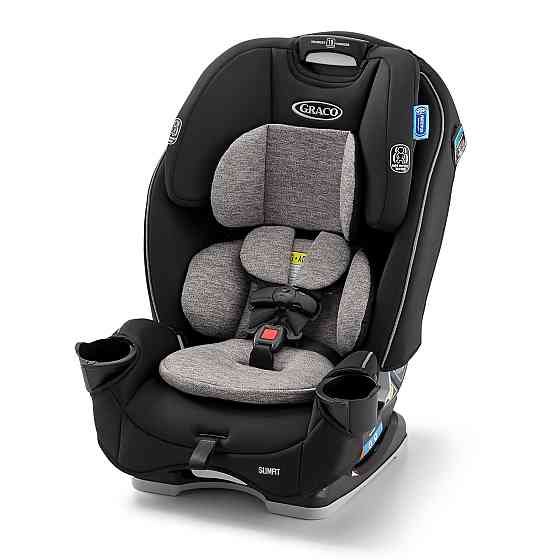
By 34 to 36 weeks, many families pack a hospital bag, confirm transportation, install the car seat, and finalize support arrangements. If you have a planned C-section before labor, a breech presentation, a multiple pregnancy, placenta-related concerns, hypertension, diabetes, prior uterine surgery, or any other higher-risk factor, your timeline may need to be earlier and more individualized.
Physical preparation: movement, posture, and pelvic awareness
Physical preparation is about helping your body tolerate late pregnancy and labor, not about achieving a perfect delivery. Most maternity services encourage regular, pregnancy-appropriate activity unless a clinician has advised restriction. Walking, prenatal yoga, swimming with suitable technique, and gentle strength work can support cardiovascular endurance, musculoskeletal comfort, and mental wellbeing.
Pelvic mobility exercises and upright positions may help you become familiar with movements used in labor, such as leaning forward, kneeling, side-lying, supported squatting, or sitting on a birthing ball. A birthing ball can be used for gentle hip circles, pelvic tilts, and supported upright sitting. The ball should be the right size so your hips are at least level with, or slightly higher than, your knees, and you should use it near a stable surface.
Some guidance recommends avoiding habitual positions that may encourage pelvic tightness or poor alignment, such as sitting with crossed legs for long periods. If swimming, ask your clinician or physiotherapist about stroke choice if you have pelvic girdle pain or discomfort. Late pregnancy is not the time to push through pain, dizziness, contractions, vaginal bleeding, fluid leakage, or reduced fetal movement.
Sleep positioning also matters for comfort and safety. Many people are advised to sleep on their side in later pregnancy. Pillows between the knees, behind the back, or under the abdomen can reduce strain. If you wake on your back, simply roll to your side rather than panic. Individual guidance should come from your maternity team, especially if you have sleep apnea, severe reflux, or cardiopulmonary disease.
Perineal preparation and protecting tissue during birth
Perineal preparation aims to increase familiarity with the sensations of stretching and may reduce the likelihood or severity of perineal trauma for some people. Perineal massage in late pregnancy is commonly discussed, usually beginning in the final weeks rather than early pregnancy. It should be avoided or postponed if you have active genital infection, unexplained bleeding, ruptured membranes, significant pain, or if your clinician advises against it.
The technique generally involves clean hands, trimmed nails, a comfortable private position, and a suitable lubricant. Gentle downward and side-to-side pressure is applied inside the lower vaginal opening, avoiding the urethra. The sensation may be stretching or mild stinging, but it should not be sharply painful. If you are unsure, ask a midwife, pelvic health physiotherapist, or obstetric clinician to explain the method in person.
Perineal outcomes are influenced by many factors: fetal size and position, speed of birth, tissue characteristics, prior tears, maternal position, coached versus spontaneous pushing, use of forceps or vacuum, episiotomy indications, and clinician support of the perineum. Preparation may help, but it cannot eliminate risk. A respectful team should discuss interventions when time allows and explain urgent decisions when time is limited.
Pelvic floor awareness is also valuable. This does not mean only strengthening. Some people need to learn relaxation and coordinated release, especially if they have pelvic pain, vaginismus, prior trauma, or hypertonic pelvic floor muscles. Referral to a pelvic health physiotherapist can be very helpful when symptoms are complex.
Birth education, preferences, and informed decision-making
A birth class can demystify the sequence of labor, common interventions, and newborn procedures. Classes may be hospital-based, community-based, online, or led by doulas, midwives, nurses, physiotherapists, or childbirth educators. A strong class explains both physiologic labor and medical escalation, rather than presenting intervention as either failure or inevitability.
Your birth preferences should be brief, flexible, and clinically useful. Consider including who you want present, preferred communication style, mobility and positioning preferences, fetal monitoring discussions, pain relief options, pushing preferences, immediate skin-to-skin contact if safe, infant feeding plans, and newborn care preferences. Some families use a natural birth checklist and planning approach, while others focus on epidural planning, induction readiness, or cesarean preparation. All are valid when centered on safety and informed consent.
Pain management deserves particular attention. Nonpharmacologic options may include breathing techniques, water immersion if available, massage, counterpressure, movement, heat, cold, visualization, sterile water injections in some settings, and continuous labor support. Pharmacologic options may include nitrous oxide where available, systemic opioids, or neuraxial analgesia such as an epidural. Each option has benefits, limitations, timing considerations, and contraindications.
It is also wise to discuss scenarios that might alter your plan. These include induction for medical indications, prolonged rupture of membranes, abnormal fetal heart rate tracing, maternal fever, stalled labor, shoulder dystocia, postpartum hemorrhage, operative vaginal birth, or emergency cesarean birth. Understanding types of childbirth explained in advance can make rapid discussions less frightening if they arise.
Third trimester checklist: the practical home stretch
The third trimester is often when preparation becomes visible and logistical. From about 28 weeks onward, many maternity teams recommend daily awareness of fetal movement patterns, sometimes using kick counts or another structured method. If movement is reduced or feels significantly different, contact your maternity unit promptly rather than waiting for the next appointment.
Practical preparation includes packing an overnight bag before the final weeks. Useful items may include maternity notes or identification, comfortable clothing, toiletries, phone charger, snacks if allowed, feeding bras or tops, newborn clothing, nappies or diapers, and any medications you normally take, with approval from your team. If you expect a longer stay or a cesarean birth, consider clothing that avoids pressure on the incision area.
At home, organize postpartum support. This may include meals, transport, pet care, sibling care, lactation support, and someone who can notice if you are becoming physically or emotionally overwhelmed. Talk with experienced parents, but filter advice through your own medical situation and values. Parent groups can reduce isolation, yet they should not replace clinical advice.
Confirm when to call or come in: regular painful contractions, rupture of membranes, vaginal bleeding, severe headache, visual symptoms, right upper quadrant pain, fever, reduced fetal movement, or any symptom your care team has flagged. Keep phone numbers accessible. Preparation is partly about having fewer decisions to make when your body is already doing intense work.
Emotional readiness and support during labor
Emotional preparation is as important as physical and logistical planning. Labor can activate fear, past trauma, body memories, or anxiety about loss of control. Naming these concerns early allows your team to adapt communication, consent processes, examinations, and support. If you have a history of birth trauma, sexual trauma, panic disorder, depression, or severe anxiety, consider discussing this with your clinician before labor begins.
Choose a support person who can remain calm, listen closely, and help communicate your preferences without creating conflict with the clinical team. Some families also hire a doula for continuous nonmedical support. A support person can remind you to hydrate if allowed, change positions, use coping strategies, ask clarifying questions, and rest when possible.
A helpful framework for decisions is to ask: What are the benefits? What are the risks? What are the alternatives? What happens if we wait? Is this urgent? These questions support informed consent during labor while acknowledging that emergencies may require rapid action.
Finally, prepare for the emotional variability of birth. You may feel powerful, frightened, disappointed, relieved, joyful, or numb, sometimes within minutes. None of these reactions makes you a bad parent. A safe birth experience is not defined by how perfectly it matched a plan, but by respectful care, appropriate clinical decisions, and support for recovery afterward.
When to seek medical advice promptly
- Contact your maternity unit immediately for reduced or absent fetal movements.
- Seek urgent care for vaginal bleeding, suspected ruptured membranes, fever, or severe abdominal pain.
- Report severe headache, visual changes, chest pain, shortness of breath, or right upper abdominal pain.
- Do not start new exercises, perineal massage, supplements, or labor-preparation techniques if your clinician has advised restrictions.
- If contractions, pelvic pressure, or back pain suggest possible preterm labor, call your healthcare team promptly.
Tools & Assistance
- Discuss birth options and risk factors with your obstetrician or midwife
- Enroll in a reputable childbirth education class
- Book a pelvic health physiotherapy appointment if you have pain or pelvic floor concerns
- Prepare a concise, flexible birth preferences document
- Keep hospital, birth center, and emergency contact numbers easily accessible
FAQ
Is 20 weeks too early to prepare for birth?
It is not too early for gentle education, healthy habits, and some posture or mobility work if your clinician agrees. More detailed planning usually increases in the third trimester.
Do I need a birth plan?
You do not need one, but a short preferences document can help communicate your values. It should remain flexible because labor and fetal wellbeing can change quickly.
When should I pack my hospital bag?
Many people pack by about 34 to 36 weeks, or earlier if there is a higher chance of preterm birth or a planned early delivery.
Can birth preparation prevent tearing or cesarean birth?
Preparation may support coping, mobility, and tissue awareness, but it cannot guarantee outcomes. Perineal tears and cesarean birth depend on multiple maternal, fetal, and clinical factors.
Should I take a birth class if I am planning an epidural or cesarean?
Yes, it can still be useful. Classes often cover early labor, anesthesia, recovery, newborn care, and how to make informed decisions if plans change.
Sources
- Health Service Executive (HSE) — Preparing your body for labour and birth
- Premier Women's Health — 6 Tips For The First Time Mother Preparing For Labor And Delivery
- The Mother Baby Center — Third trimester checklist: preparing to welcome your baby
Disclaimer
This article is for informational purposes only and does not replace individualized medical advice. Always consult your obstetrician, midwife, or qualified healthcare professional about your pregnancy and birth plan.
















Please log in to leave a comment.