
Intro
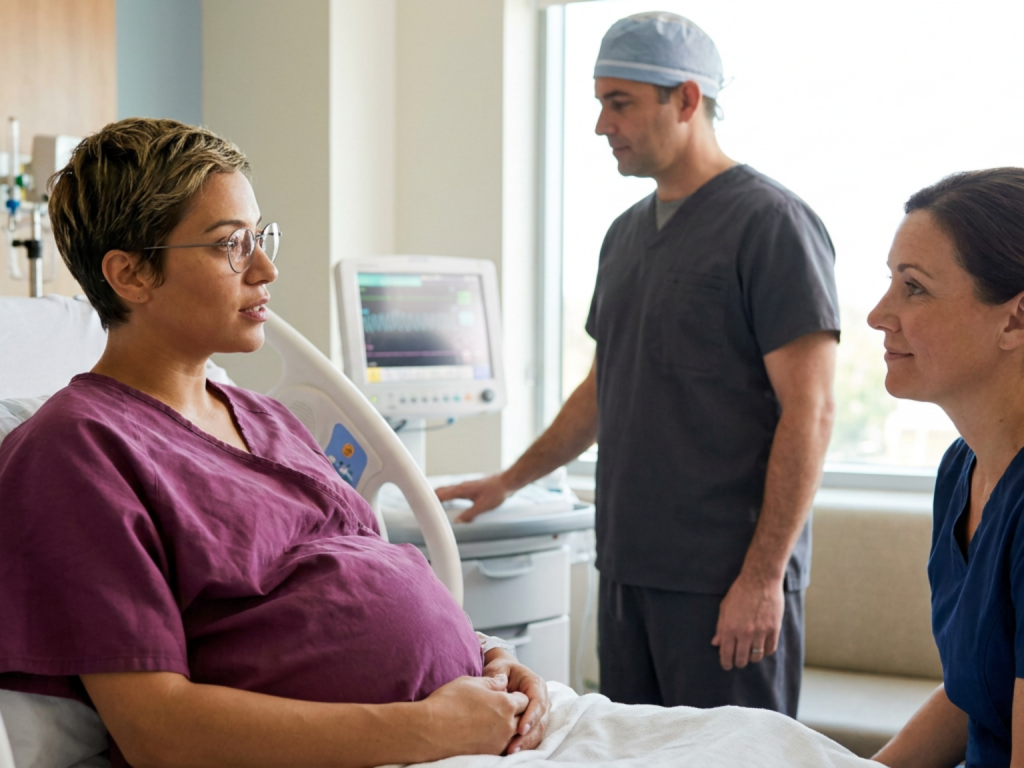
Choosing between natural and medicated birth is not a test of endurance, identity, or parental commitment. It is a clinical and personal decision shaped by pain tolerance, medical history, labor progress, fetal status, birth setting, support, and how a person wants to experience childbirth.
In everyday language, “natural birth” usually means labor and vaginal birth without pharmacological pain relief, while “medicated birth” means using analgesia or anesthesia such as an epidural, spinal medication, nitrous oxide, or opioid medicines. Both approaches can be safe in appropriate circumstances, and many births include elements of both.
Highlights
Natural birth generally relies on physiologic labor, mobility, breathing, water, massage, and continuous support rather than pharmacological pain relief.
Medicated birth can substantially reduce pain, especially with neuraxial analgesia such as an epidural, but may add monitoring, mobility limits, or medication-related side effects.
Neither option is universally better; the safest plan depends on maternal health, fetal wellbeing, labor course, facility resources, and patient preferences.
Birth plans should be flexible because labor can change quickly, and pain relief choices may need to adapt to clinical circumstances.
What the terms mean
Natural birth is most often used to describe an unmedicated vaginal birth, meaning labor without pharmacological pain relief such as epidural analgesia, spinal anesthesia, or systemic opioids. The word “natural” can be emotionally loaded, so many clinicians prefer terms such as physiologic birth, low-intervention birth, or unmedicated birth. These terms are more precise because they focus on what is actually happening: labor progresses with minimal medical intervention unless a clinical need arises.
Medicated birth refers to childbirth in which medications are used to reduce pain, provide anesthesia, or manage labor complications. The most common highly effective option is neuraxial analgesia, which includes epidural, spinal, or combined spinal-epidural techniques. Other options may include inhaled nitrous oxide where available, injected or intravenous opioids, and local anesthesia for procedures such as perineal repair.
The distinction is not always absolute. A person may labor for many hours using breathing, movement, water immersion, and massage, then choose an epidural during active labor. Another person may plan an epidural but deliver rapidly before it can be placed. Induction of labor, fetal monitoring, intravenous fluids, assisted vaginal birth, and cesarean birth are separate issues from pain relief, although they often intersect with the choice between unmedicated and medicated labor.
Pain experience and coping
The most obvious difference is pain management. In unmedicated labor, contractions are fully perceived, although their intensity varies widely. Pain often changes as labor progresses: early labor may feel like strong menstrual cramping, active labor may bring rhythmic abdominal and back pain, and the second stage may create intense rectal and pelvic pressure. Some people experience pain as manageable when they feel supported and informed; others experience it as overwhelming despite excellent preparation.
Natural approaches aim to improve coping rather than eliminate pain. Common labor coping strategies include upright positions, walking, slow breathing, vocalization, counter-pressure, massage, sterile water injections for back labor in some settings, hydrotherapy, heat or cold, visualization, and continuous doula or midwifery support. These methods may enhance a sense of control and reduce fear-tension-pain cycles, but they do not provide the same degree of analgesia as an epidural.
Medicated birth offers pharmacological pain relief options. Epidural analgesia can markedly reduce contraction pain while allowing the patient to remain awake and participate in birth. The level of numbness varies depending on dosing and technique. Nitrous oxide may reduce anxiety and alter pain perception but usually does not remove pain. Opioids can blunt pain and promote rest but may cause drowsiness, nausea, or temporary neonatal respiratory or alertness effects, depending on timing and dose.
Mobility, monitoring, and labor mechanics
Unmedicated labor typically allows more freedom of movement, assuming maternal and fetal status are reassuring. A person may walk, squat, kneel, use a birth ball, shower, or change position frequently. Upright and lateral positions can help some people cope with contractions and may support fetal rotation and descent. Because no neuraxial medication is present, leg strength and proprioception are usually preserved.
With an epidural, mobility often changes. Many hospitals use continuous fetal monitoring, blood pressure checks, an intravenous line, and bladder management because neuraxial analgesia can reduce bladder sensation and sometimes lower blood pressure. Some settings offer “walking epidurals,” but actual walking depends on institutional policy, leg strength, monitoring equipment, and safety assessment. Even when walking is not possible, position changes in bed, peanut balls, side-lying release, and supported sitting can still promote pelvic mobility.
Labor mechanics can also differ. Effective pain relief may reduce catecholamine-driven stress and allow rest, which can be helpful during prolonged labor. However, epidural analgesia may be associated with a longer second stage in some patients and may affect the sensation of when and how to push. Modern low-dose epidural techniques aim to preserve enough motor function for active participation. Clinicians often guide pushing by contraction timing, fetal descent, and maternal feedback rather than pain alone.
Benefits and trade-offs of natural birth
For people who want an unmedicated birth, potential benefits include full mobility, immediate awareness of bodily cues, avoidance of medication-related side effects, and a sense of active physiologic participation. Some value being able to eat or drink according to local policy, use water immersion during labor, and choose spontaneous pushing positions. Recovery may feel straightforward when birth is uncomplicated, although vaginal birth itself can still involve perineal trauma, pelvic floor strain, blood loss, and postpartum pain.
Natural birth may also reduce exposure to interventions that sometimes accompany neuraxial analgesia, such as urinary catheterization, more intensive blood pressure monitoring, or medication to treat maternal hypotension. It may be particularly appealing in a birth center or hospital setting designed for low-intervention care with rapid escalation if needed.
The trade-off is that pain can become severe, especially with back labor, induction using oxytocin, prolonged labor, malposition, exhaustion, or anxiety. If a person becomes depleted, pain and fatigue can make decision-making and pushing more difficult. Unmedicated birth is not automatically safer, and declining medication does not remove the possibility of hemorrhage, fetal heart rate abnormalities, shoulder dystocia, operative assistance in second stage, or emergency cesarean birth. A low-intervention plan still benefits from skilled monitoring and clear transfer or escalation pathways.
Benefits and trade-offs of medicated birth
The main benefit of medicated birth is pain relief. Epidural analgesia is often the most effective labor pain treatment and can be especially valuable for long labor, induction, severe back pain, hypertensive disorders where stress reduction is helpful, or anticipated need for operative delivery. If cesarean birth becomes necessary, an existing epidural may sometimes be extended to provide surgical anesthesia, avoiding general anesthesia in many cases.
Medicated birth can also support rest. A patient who has been awake for many hours may regain energy before the second stage. For some, reduced pain improves emotional safety and prevents a traumatic experience. Choosing medication is not “giving up”; it is using a medical tool when its benefits fit the situation.
Potential trade-offs include maternal blood pressure changes, itching, shivering, fever, urinary retention, limited mobility, and incomplete or one-sided pain relief requiring adjustment. Epidurals can occasionally cause headache from dural puncture, and very rare serious complications include infection, bleeding, or nerve injury. Systemic opioids may cause sedation, nausea, and neonatal effects if given close to birth. Medicated labor can also involve more equipment and monitoring, which some people find reassuring and others find restrictive.
Effects on the baby and early postpartum period
When used appropriately, common labor analgesia methods are generally considered compatible with safe birth, but neonatal effects vary by medication type, dose, timing, and fetal condition. Epidural medications primarily act near the maternal spinal nerves, and only small amounts typically reach the fetus. Clinicians still monitor fetal heart rate because maternal hypotension or rapid physiologic changes after analgesia can affect uteroplacental perfusion and may require prompt treatment.
Opioids cross the placenta more readily. If administered close to delivery, they may contribute to newborn sleepiness, respiratory depression, or less vigorous early feeding in some cases. This is why timing, dose, and neonatal support availability matter. Nitrous oxide is rapidly cleared when inhalation stops and is usually self-administered during contractions, but suitability depends on local protocols and maternal contraindications.
Postpartum recovery is influenced more by the overall birth course than by pain relief alone. A short unmedicated vaginal birth with minimal tearing may have a very different recovery from a prolonged unmedicated birth with severe perineal trauma. Similarly, a medicated vaginal birth may be followed by rapid bonding and breastfeeding, or it may involve recovery from assisted delivery, fever evaluation, or cesarean surgery. Skin-to-skin contact, early feeding support, hemorrhage surveillance, perineal care, and mental health check-ins remain important regardless of pain management choice.
How to choose and plan flexibly
A thoughtful birth plan focuses less on proving commitment to one method and more on matching preferences with medical safety. Discuss your history with an obstetrician, midwife, anesthesiologist, or labor unit before birth if possible. Relevant factors include prior cesarean or uterine surgery, bleeding or clotting disorders, spine surgery, platelet count concerns, hypertensive disease, fetal growth or placental issues, multiple pregnancy, induction plans, and distance from emergency care.
If you hope for unmedicated birth, prepare practical supports: childbirth education, a trained support person, comfort measures, position practice, realistic expectations for transition and second-stage pushing pain, and a clear plan for when you might request medication. If you prefer medicated birth, ask about epidural placement timing, availability of anesthesia staff, monitoring routines, eating and drinking policies, urinary catheter practices, and options if an epidural is incomplete.
The most compassionate plan is flexible. You can request minimal intervention and still accept pharmacologic pain relief. You can plan an epidural and still use movement, breathing, and water before placement. You can change your mind without apology. Safe childbirth care is not defined by the absence or presence of medication; it is defined by respectful communication, timely clinical assessment, informed consent, and readiness to respond when mother or baby needs help.
When to seek urgent guidance
- Contact your maternity unit promptly for decreased fetal movement, heavy bleeding, severe headache, vision changes, or severe abdominal pain.
- Ask for immediate help during labor if pain relief is inadequate, you feel faint, or you develop sudden shortness of breath or chest pain.
- Report fever, foul-smelling fluid, or concerns about ruptured membranes to a healthcare professional.
- Do not attempt high-risk birth settings or unassisted delivery without discussing your medical risk profile with qualified clinicians.
- If you have a bleeding disorder, very low platelets, infection near the spine, or certain neurologic conditions, discuss anesthesia options before labor.
Tools & Assistance
- Schedule a prenatal birth-preference discussion with your obstetrician or midwife.
- Ask whether an anesthesia consultation is recommended based on your medical history.
- Tour or contact the birth unit to learn about epidural availability, nitrous oxide, water immersion, and monitoring policies.
- Create a flexible birth plan that includes both non-medication comfort measures and medication preferences.
- Consider childbirth education or doula support for coping techniques and communication during labor.
FAQ
Is natural birth safer than medicated birth?
Not automatically. Safety depends on maternal health, fetal status, labor progress, setting, and clinical support. Unmedicated birth avoids medication side effects, while medicated birth can provide important pain relief and anesthesia options.
Does an epidural increase the chance of cesarean birth?
Modern evidence does not show that epidurals inevitably cause cesarean birth. They may be associated with changes such as longer second stage or increased need for guidance while pushing, depending on the situation.
Can I start naturally and choose medication later?
Often yes, especially in a hospital with anesthesia services. Timing matters, because very rapid labor or certain medical findings may limit available options.
Will medication affect breastfeeding?
Many people breastfeed successfully after medicated birth. Opioids given close to delivery may cause temporary newborn sleepiness, while recovery factors such as fatigue, cesarean birth, and feeding support also matter.
What if my birth does not follow my plan?
That is common and not a failure. A flexible plan helps your team honor your preferences while responding to pain, labor progress, and maternal or fetal safety.
Sources
- Mayo Clinic — Natural Birth vs. Medicated Birth: What to Know
- NHS — Pain Relief for Labour and Birth
- PubMed — Natural versus Artificial (Medicated) Birth: A Comparative Review of Maternal Outcomes
Disclaimer
This article is for informational purposes only and does not replace individualized medical advice. Discuss labor pain relief, birth setting, and risk factors with your obstetric, midwifery, or anesthesia team.
















Please log in to leave a comment.