
Intro
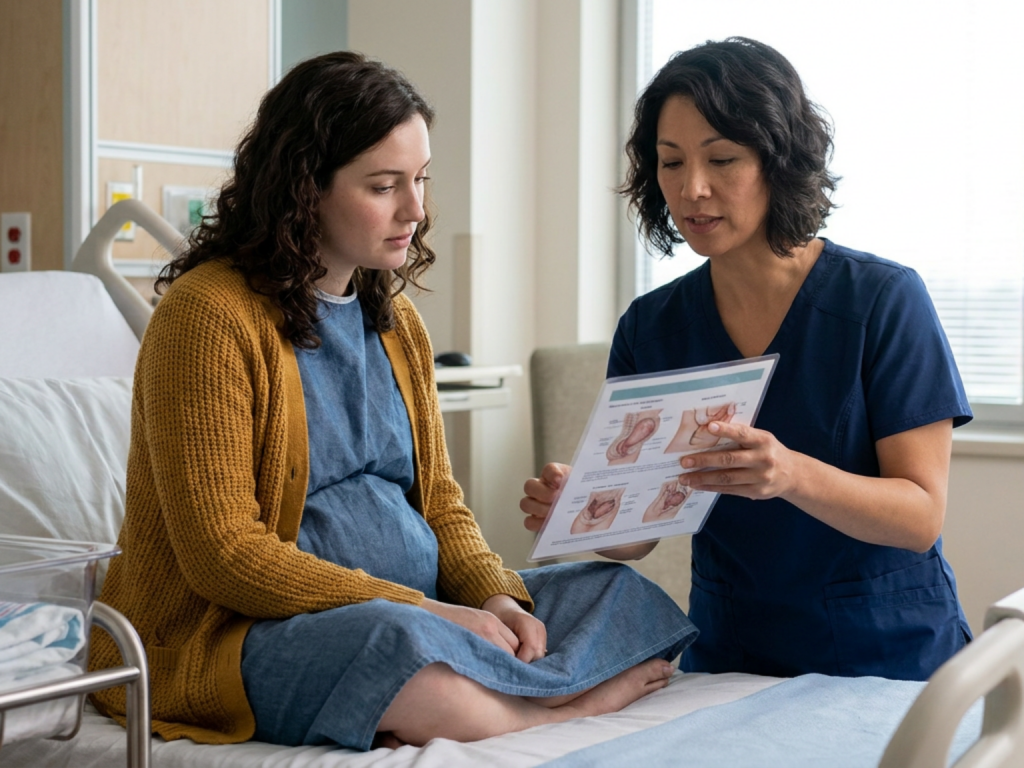
An assisted delivery, also called assisted vaginal delivery or operative vaginal birth, uses forceps or a vacuum device to help guide the baby through the birth canal when birth is close but extra support is needed. For many families, it is a safe and timely intervention that avoids cesarean birth in the second stage of labor.
Recovery can feel physically intense and emotionally complicated, especially if the birth was urgent, painful, or different from what you expected. Understanding common risks, normal healing, and warning signs can help you seek support early and feel more grounded in the postpartum period.
Highlights
Assisted vaginal delivery can increase the likelihood of perineal trauma, bruising, pelvic floor symptoms, and short-term urinary or bowel difficulties.
Most newborn effects, such as scalp swelling or bruising after vacuum or forceps use, are minor and resolve with observation, but clinicians should assess any concerning signs.
Recovery often includes pain control, perineal care, mobility to reduce clot risk, pelvic floor rehabilitation, and emotional processing of the birth experience.
Heavy bleeding, fever, worsening pain, urinary retention, severe headache, calf swelling, or concerns about the baby need prompt medical advice.
What assisted delivery means
Assisted delivery refers to a vaginal birth in which a trained clinician uses either forceps or a vacuum extractor to help deliver the baby during the second stage of labor. Forceps are curved instruments placed around the baby’s head to guide descent and rotation. A vacuum extractor uses a soft or rigid cup applied to the baby’s scalp with suction, allowing traction during contractions and pushing.
Assisted vaginal delivery is usually considered when the cervix is fully dilated, the baby’s head is low enough in the pelvis, and vaginal birth appears achievable. Common reasons include a prolonged second stage, maternal exhaustion, a medical reason to shorten pushing, or a concerning fetal heart rate pattern. The clinician also considers fetal position, estimated size, gestational age, anesthesia, bladder emptying, and whether cesarean birth would be safer.
Although the word “assisted” can sound alarming, the goal is controlled, timely birth. It may prevent the risks of a late second-stage cesarean, but it also carries its own risks. The balance depends on the clinical situation, the clinician’s experience, and the type of instrument used. If circumstances allow, informed consent should include why assistance is recommended, what alternatives exist, and what maternal and neonatal effects to expect.
Maternal risks after forceps or vacuum birth
The most common maternal issues after assisted delivery involve the perineum, vagina, vulva, and pelvic floor. Compared with spontaneous vaginal birth, operative vaginal birth is associated with higher rates of lower genital tract lacerations, including deeper tears. Forceps, in particular, are linked with an increased risk of third- or fourth-degree perineal tears, also called obstetric anal sphincter injuries. These involve the anal sphincter complex and, in fourth-degree tears, the rectal mucosa.
Other possible complications include vaginal wall tears, cervical lacerations, vulvar or vaginal hematoma, urinary tract injury, postpartum hemorrhage, and infection. A hematoma is a collection of blood within tissues; it may cause severe, one-sided, pressure-like pain, swelling, or difficulty passing urine. Postpartum hemorrhage can occur when bleeding is heavier than expected, sometimes related to trauma, uterine atony, retained tissue, or coagulation problems.
Short-term bladder symptoms are also common. Some people need a catheter during or after delivery because regional anesthesia, swelling, pain, or perineal trauma can make urination difficult. Others notice stinging, urgency, or leakage. Bowel movements may feel frightening after perineal repair, particularly after an anal sphincter tear. These symptoms deserve practical support rather than embarrassment: stool softening strategies, hydration, pain control, and individualized pelvic floor guidance can make recovery safer and less distressing.
Research on maternal complications after assisted vaginal delivery consistently identifies genital tract lacerations as a major category of morbidity, with additional attention to hematoma, urinary injury, anal sphincter injury, and postpartum hemorrhage. The exact risk for an individual birth varies with fetal position, birthweight, duration of pushing, episiotomy use, parity, and the instrument used.
Newborn effects to expect and monitor
Many babies born with forceps or vacuum assistance do very well. Still, visible marks can be unsettling for parents. Vacuum delivery may leave a circular swelling or bruise on the scalp where the cup was attached. This is often called a chignon and usually improves over days. Forceps can cause temporary red marks, bruising, or mild facial swelling along the cheeks or head. These findings are commonly monitored by the maternity or newborn team.
Less commonly, assisted birth can be associated with more significant neonatal complications, such as deeper scalp bleeding, jaundice related to bruising, facial nerve weakness, skull injury, or intracranial bleeding. These are uncommon but clinically important. Babies who had a difficult vacuum or forceps delivery may need closer observation for feeding behavior, alertness, tone, head swelling, and jaundice. If a baby is unusually sleepy, feeds poorly, has a rapidly enlarging scalp swelling, seems very pale, has abnormal movements, or shows breathing difficulty, parents should seek urgent medical assessment.
It is reasonable to ask the birth team exactly what was seen at delivery: where the cup or forceps were placed, whether there were multiple pulls or cup detachments, whether the baby needed resuscitation, and what newborn checks are planned. Clear information can reduce anxiety and help parents know which changes are expected and which are not.
Early recovery in the first days
The first 24 to 72 hours after assisted delivery often involve perineal pain, swelling, bruising, fatigue, and emotional shock. Pain may be more noticeable when sitting, walking, passing urine, or opening the bowels. Clinicians commonly recommend simple analgesia that is compatible with breastfeeding when appropriate, cold packs for the first day, and warm sitz baths after the initial swelling period. Always follow the medication plan given by your own healthcare professional, especially if you have allergies, liver or kidney disease, bleeding risk, or other medical conditions.
Perineal care usually includes keeping the area clean, changing pads frequently, washing hands before and after pad changes, and using water while passing urine if stinging is present. If stitches were placed, they generally dissolve over time. Some pulling, itching, or tenderness can be part of healing, but worsening pain, foul-smelling discharge, fever, or wound opening is not something to ignore.
Early ambulation after delivery is encouraged when safe because it supports circulation and may reduce the risk of blood clots. This does not mean pushing through severe pain or dizziness. It means gradually sitting up, standing with help if needed, and taking short walks as advised. People with additional clot risks, such as cesarean birth after failed assistance, major hemorrhage, immobility, thrombophilia, obesity, or previous thrombosis, may receive individualized prevention measures.
Bladder function should be monitored. Being unable to pass urine, passing only small amounts despite a full sensation, or having increasing suprapubic pain needs prompt assessment. Constipation prevention is also important because straining can worsen perineal pain. Hydration, fiber-containing foods, appropriate stool softeners if recommended, and responding to bowel urges can help.
Perineal tears, episiotomy, and pelvic floor recovery
Assisted birth may involve an episiotomy, a surgical cut made in the perineum to enlarge the vaginal opening. Episiotomy practice varies by country, instrument, fetal position, and clinician judgment. Whether the wound is from an episiotomy or a spontaneous tear, recovery depends on depth, location, infection risk, and how well pain is controlled.
First- and second-degree tears involve skin, vaginal tissue, and perineal muscle but not the anal sphincter. Third- and fourth-degree tears require more specialized repair and follow-up because they can affect continence and sexual function. If you were told you had an obstetric anal sphincter injury, ask for a clear follow-up plan, including wound review, bowel regimen advice, pelvic floor physiotherapy, and guidance about future births.
Pelvic floor recovery after birth should be gradual. Gentle pelvic floor awareness exercises may be suggested early for some people, but severe pain, numbness, heavy bleeding, or a complex tear may require individualized timing. A pelvic health physiotherapist can assess muscle coordination, scar mobility, prolapse symptoms, urinary leakage, fecal urgency, and pain with intercourse when you are ready to discuss it.
Sexual recovery is not only about tissue healing. Fear, fatigue, breastfeeding-related vaginal dryness, birth trauma, and relationship stress can all affect desire and comfort. There is no universal deadline for resuming sex. If penetration is painful, if the scar feels tight, or if there is ongoing bleeding or discharge, seek clinical advice rather than assuming it is simply the new normal.
Emotional recovery and making sense of the birth
An assisted delivery can be experienced as lifesaving, frightening, disappointing, empowering, or all of these at once. Some people feel grateful that the baby arrived safely but still upset by the speed, pain, loss of control, or lack of explanation. These reactions are valid. Emotional recovery is part of postpartum care, not an optional extra.
A birth debrief after assisted delivery can help you understand the sequence of events: why assistance was recommended, what instrument was used, whether there were complications, and what this means for future pregnancies. Debriefing is not about blaming yourself or anyone else. It is about replacing fragmented memories with a coherent narrative and identifying any follow-up needs.
Watch for signs that emotional distress is becoming more than expected adjustment. Intrusive memories, nightmares, avoidance of reminders, panic, persistent guilt, inability to sleep even when the baby sleeps, or thoughts of self-harm require prompt professional support. Postpartum depression, anxiety, and post-traumatic stress symptoms can occur after any birth, including assisted birth, and effective help is available.
Partners and support people may also need space to process what happened. They may have witnessed urgency, bleeding, resuscitation, or pain without fully understanding the clinical context. Including them in debriefing or postpartum visits, if you wish, can improve communication and shared recovery.
Follow-up, future births, and when to seek care
Before leaving the hospital or birth unit, try to confirm several details: the type of assisted delivery, whether an episiotomy or tear occurred, the degree of any tear, estimated blood loss, whether a catheter was used, medications given, newborn observations needed, and follow-up appointments. These details matter for recovery and for planning any future pregnancy.
Routine postpartum review is important, but some symptoms should not wait. Contact a clinician urgently for soaking pads rapidly, passing large clots with dizziness or weakness, fever, worsening pelvic or perineal pain, foul-smelling lochia, wound breakdown, inability to urinate, severe headache, visual symptoms, chest pain, shortness of breath, or one-sided calf swelling. For the baby, seek urgent advice for poor feeding, lethargy, breathing difficulty, fever, jaundice that seems severe or early, abnormal movements, or increasing scalp swelling.
Future birth planning depends on why assistance was needed and what complications occurred. Many people who have had an assisted vaginal delivery later have an unassisted vaginal birth. Others may be advised to consider specific monitoring, pelvic floor assessment, or a discussion of mode of birth, especially after severe perineal trauma or persistent anal incontinence. A personalized conversation with an obstetrician or midwife is the safest way to interpret your history.
Most importantly, recovery is not a test of toughness. Pain, leakage, fear, and exhaustion deserve care. Assisted birth may be common in obstetrics, but your experience is individual, and you are entitled to clear explanations, respectful follow-up, and timely treatment when something does not feel right.
Seek urgent medical advice if you notice
- Heavy bleeding, soaking pads quickly, large clots, faintness, or symptoms of shock.
- Fever, foul-smelling discharge, worsening perineal pain, or wound opening.
- Inability to pass urine, severe bladder pain, or new loss of bowel control.
- Chest pain, shortness of breath, severe headache, visual changes, or one-sided calf swelling.
- A baby who is very sleepy, feeding poorly, breathing abnormally, pale, jaundiced, or has increasing scalp swelling.
Tools & Assistance
- Postpartum review with a midwife, obstetrician, or family physician.
- Pelvic health physiotherapy for urinary leakage, pelvic pain, prolapse symptoms, or anal sphincter injury follow-up.
- Birth debrief appointment to review the clinical notes and discuss future birth planning.
- Infant feeding support if pain, exhaustion, bruising, jaundice, or latch difficulties affect feeding.
- Urgent care or emergency services for red-flag maternal or newborn symptoms.
FAQ
Is pain worse after assisted delivery than after an unassisted vaginal birth?
It can be, especially if there is significant bruising, episiotomy, or a deeper tear. Pain should gradually improve; worsening or severe one-sided pain needs clinical assessment.
How long do vacuum marks or forceps bruises on the baby last?
Minor swelling, marks, or bruising often improve over several days. A clinician should assess any enlarging swelling, poor feeding, unusual sleepiness, jaundice, or breathing concerns.
Will I always need assisted delivery again?
No. Many people later have an unassisted vaginal birth. Future planning depends on the reason assistance was needed, your recovery, pelvic floor symptoms, and obstetric factors.
When should pelvic floor physiotherapy start?
Timing varies. Gentle awareness may begin early for some people, but complex tears, severe pain, or anal sphincter injury require individualized guidance from a clinician or pelvic health physiotherapist.
Is emotional distress after assisted birth normal?
Strong emotions are common, especially after an urgent or frightening birth. Persistent panic, intrusive memories, guilt, low mood, or thoughts of self-harm should be discussed promptly with a healthcare professional.
Sources
- American College of Obstetricians and Gynecologists — Assisted Vaginal Delivery
- NHS — Forceps or vacuum delivery
- PubMed Central — Maternal complications and risk factors associated with assisted vaginal delivery
Disclaimer
This article is for general educational purposes only and does not replace medical advice. Always consult your midwife, obstetrician, pediatric clinician, or emergency services for personal concerns or urgent symptoms.
















Please log in to leave a comment.