
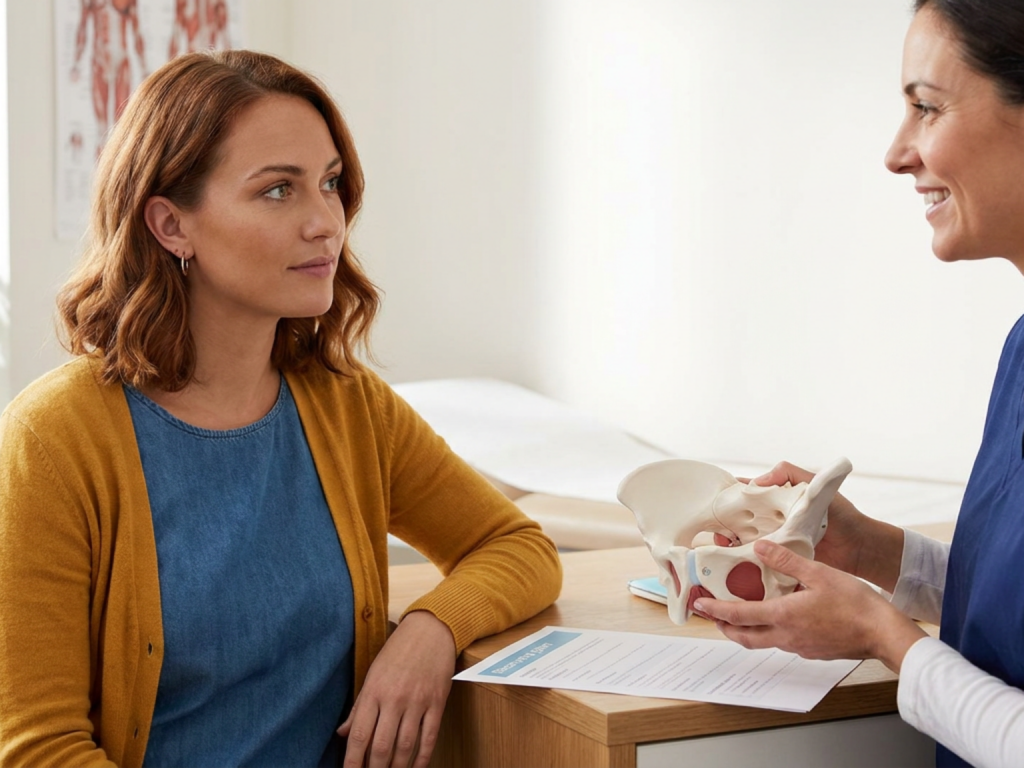
Intro
Perineal injury is common in vaginal birth, and it can feel emotionally loaded: some parents fear tearing, while others worry about being cut. In clinical terms, the comparison is usually between spontaneous, natural tearing of the perineum and a clinician-made episiotomy, an incision intended to enlarge the vaginal opening in selected situations.
This article explains risks, healing, and decision-making in a supportive but medically precise way. It does not replace individualized obstetric or pelvic floor assessment, especially if pain, bleeding, wound separation, urinary or bowel symptoms, or trauma responses persist after birth.
Highlights
Natural tearing and episiotomy are different types of perineal trauma, and neither is automatically safer in every birth.
Most minor perineal tears heal well with time, hygiene, pain control, and follow-up, while severe tears require careful repair and monitoring.
Routine episiotomy is no longer favored in many settings, but a selective episiotomy may be appropriate when fetal or maternal circumstances make it clinically necessary.
Recovery includes tissue healing, pelvic floor rehabilitation, sexual comfort, bowel and bladder function, and emotional processing of the birth experience.
Understanding perineal trauma in vaginal birth
During vaginal birth, the perineum, the tissue between the vaginal opening and the anus, stretches substantially as the fetal head and shoulders pass. Some people have no visible injury, but many experience perineal tears after vaginal birth. These are usually classified by depth: first-degree tears involve vaginal or perineal skin; second-degree tears involve perineal muscles; third-degree tears extend into the anal sphincter complex; and fourth-degree tears extend through the anal sphincter into the rectal mucosa.
An episiotomy is different from spontaneous tearing. It is a surgical incision, usually mediolateral or midline depending on local practice and anatomy. It may be used when rapid birth is needed, with some operative vaginal births, or when the clinician judges that an incision may reduce uncontrolled extension in a high-risk moment. However, routine episiotomy for every vaginal birth is not considered appropriate in many modern maternity settings because it can increase pain, bleeding, and more extensive injury when used unnecessarily.
The phrase “natural tearing” can sound reassuring, but spontaneous injury still deserves respect. A small natural tear may heal with minimal intervention, whereas a severe spontaneous tear can affect continence, sexual function, and pelvic floor recovery after birth. The clinically meaningful question is not whether tissue change is “natural” or “medical,” but which approach best reduces harm in a specific birth.
Risk factors and prevention: reducing harm without promising control
No one can guarantee an intact perineum, even with excellent care. Risk is influenced by fetal size and position, speed of crowning, first vaginal birth, operative vaginal delivery, shoulder dystocia, prolonged second stage, maternal tissue characteristics, previous obstetric anal sphincter injury, and the quality of support during crowning. Some factors are known only during labor, which is why shared decision-making must remain flexible.
Perineal support during birth may include warm compresses, controlled guidance as the head crowns, position changes, communication about pushing intensity, and careful assessment of whether an episiotomy is indicated. These techniques are intended to reduce rapid overstretching and uncontrolled tearing, but they do not eliminate risk. A person should not feel blamed if a tear occurs; tissue injury can happen despite appropriate, compassionate care.
There is a useful broader principle from recovery science: when damage is mild, natural recovery may be sufficient; when damage is severe or risk is high, active intervention can improve outcomes. Although ecological restoration research is not obstetric evidence, it illustrates a general risk-based framework: passive recovery is often adequate in less disturbed systems, while higher-severity injury benefits from timely, structured repair. In birth care, that translates into observing minor, well-approximated injuries when appropriate, but repairing deeper lacerations promptly and carefully.
Natural tearing versus episiotomy: what tends to differ
Natural tearing often follows the direction of least tissue resistance. Minor spontaneous tears may be irregular but superficial, and some first-degree tears may not require suturing if bleeding is minimal and the edges align well. Second-degree tears usually require repair to restore muscle support and promote healing. Third- and fourth-degree tears require skilled repair, often with specific postpartum follow-up because the anal sphincter is involved.
An episiotomy creates a deliberate incision through skin and muscle. Its theoretical advantage is control: the clinician chooses timing, location, and direction. Its disadvantage is that it is, by definition, at least a second-degree injury and may extend. Midline episiotomy has historically been associated with a higher risk of extension into the anal sphincter than mediolateral approaches, although technique, angle, anatomy, and clinical context all matter.
For many births, avoiding routine episiotomy lowers the chance of unnecessary surgical trauma. For selected births, however, episiotomy can be a protective or necessary intervention, particularly if expedited delivery is needed because of concerning fetal status or if instrumental delivery requires additional space. This is why “natural tearing is always better” and “episiotomy prevents tearing” are both oversimplifications. The safest approach is individualized, evidence-informed, and responsive to the actual labor situation.
Recovery in the first hours and weeks
The first hours after birth focus on bleeding, uterine tone, pain, urination, mobility, and inspection of any perineal wound. After repair, clinicians generally check that bleeding is controlled and that the person can pass urine. Swelling and bruising can be significant, especially after a prolonged second stage or operative vaginal birth. Pain control after birth may include local measures, oral analgesics considered safe for the individual, ice packs in the early period, and later warmth or sitz baths, depending on clinician guidance.
In the first week, discomfort typically peaks and then gradually improves. Stitches used for perineal repair are commonly absorbable. Hygiene usually centers on gentle rinsing with water, changing pads frequently, handwashing, and avoiding unnecessary friction. Bowel care is important because fear of defecation can lead to withholding, constipation, and increased strain. A clinician may discuss stool-softening strategies, hydration, dietary fiber, and safe movement, especially after deeper tears.
Recovery is not only the closing of skin. Muscle coordination, scar mobility, pelvic floor tone, nerve sensitivity, and emotional safety all matter. Some people feel mostly healed by six weeks; others need months, particularly after obstetric anal sphincter injury, infection, hematoma, wound breakdown, or traumatic birth. Follow-up should include permission to describe pain clearly, including burning, pulling, pressure, fecal urgency, urinary leakage, or pain with sitting or intimacy.
Complications to watch for with either type of injury
Both spontaneous tears and episiotomy can lead to complications. Early problems include excessive bleeding, expanding hematoma, infection, wound separation, urinary retention, and severe uncontrolled pain. Later concerns may include persistent perineal pain, painful intercourse, scar tenderness, pelvic organ prolapse symptoms, urinary incontinence, fecal urgency or incontinence, and psychological distress related to the birth or repair.
Third- and fourth-degree tears require particular attention because they involve the anal sphincter complex. Even with excellent repair, some people experience bowel urgency, difficulty controlling gas, or fecal leakage. These symptoms can be embarrassing to mention, but they are medically relevant and treatable in many cases. Prompt disclosure allows appropriate referral, which may include pelvic floor physiotherapy, urogynecology, colorectal assessment, or specialist perineal clinic review.
Emotional recovery also varies. A parent may appear physically well but feel frightened, violated, or hypervigilant after an unexpected tear, emergency intervention, or painful repair. Trauma literature shows that many people naturally recover after stressful events, while others develop persistent post-traumatic symptoms that benefit from support. In postpartum care, this means clinicians and families should avoid dismissing distress as “just hormones” and should encourage timely mental health assessment when intrusive memories, avoidance, panic, guilt, or sleep disruption remain intense.
Comparing “natural recovery” with active repair and rehabilitation
Minor perineal trauma may heal through normal biological repair: inflammation, tissue rebuilding, and remodeling. This is natural recovery, and it is often effective when the wound is small, clean, well aligned, and not under excessive tension. However, deeper muscle or sphincter injuries generally need active repair because anatomy must be restored for function. Letting a significant tear heal without appropriate assessment can increase the risk of chronic pain, weakness, and continence problems.
The same logic applies after the wound closes. Some people regain comfort through gradual daily activity and time. Others need more active rehabilitation: pelvic floor physical therapy, scar desensitization, guided strengthening or relaxation, bowel management, lactation-related vaginal dryness support, or review of persistent pain. Active recovery is not a sign of failure; it is a targeted response to risk, much like other health fields use structured intervention when passive recovery is unlikely to be enough.
When comparing episiotomy and natural tearing, recovery should be measured by meaningful outcomes, not only the appearance of the wound. These outcomes include pain trajectory, ability to sit and walk, bladder and bowel control, sexual comfort when the person is ready, confidence with infant care, and emotional integration of the birth. If recovery feels stalled, worsening, or frightening, consultation is appropriate even if a routine postpartum visit is weeks away.
How to approach future birth planning after a tear or episiotomy
A previous severe tear or difficult episiotomy does not automatically determine the next birth route, but it should prompt individualized counseling. Discussion may include the grade of previous injury, current symptoms, anal sphincter imaging or function testing when indicated, fetal size estimates, operative delivery risk, and personal values. Some people choose another vaginal birth with a prevention plan; others consider cesarean section after specialist counseling, particularly if persistent bowel symptoms remain.
For a future vaginal birth, the care plan may document prior perineal trauma, preferred communication during crowning, use of warm compresses, controlled birth of the head, avoidance of routine episiotomy, and criteria for selective episiotomy if clinically necessary. This plan should be flexible rather than rigid because fetal wellbeing and maternal safety can change quickly during labor.
Compassion matters. Many parents carry shame about tearing, pelvic floor symptoms, or fear of another birth. These outcomes are not personal failures. A good plan combines medical facts, respectful consent, and emotional support. The goal is not to force a “natural” or “intervention-free” ideal, but to support the safest possible birth and the most complete recovery available for the individual person.
Seek urgent medical advice if you notice
- Heavy bleeding, faintness, rapidly increasing swelling, or severe perineal pressure.
- Fever, foul-smelling discharge, worsening redness, pus, or increasing wound pain.
- Inability to pass urine, loss of bowel control, fecal leakage, or new numbness.
- Wound edges opening, stitches pulling apart, or severe pain not improving with advised care.
- Intrusive birth memories, panic, hopelessness, or thoughts of self-harm or harming the baby.
Tools & Assistance
- Postpartum visit with an obstetrician, midwife, or family physician.
- Pelvic floor physiotherapy assessment for pain, continence, scar mobility, or weakness.
- Perineal clinic, urogynecology, or colorectal referral after obstetric anal sphincter injury.
- Mental health support for traumatic birth symptoms or persistent anxiety.
- Written birth debrief and future birth planning consultation.
FAQ
Is natural tearing always better than an episiotomy?
No. Minor spontaneous tears often heal well, but severe tears can have lasting effects. Episiotomy is not recommended routinely, yet it may be clinically appropriate in selected situations.
How long does perineal healing usually take?
Skin healing often improves over several weeks, but deeper recovery of muscle, scar comfort, pelvic floor function, and sexual comfort may take longer. Persistent or worsening symptoms should be assessed.
Can I prevent tearing completely?
No method guarantees prevention. Warm compresses, controlled crowning, position changes, and skilled perineal support may reduce risk for some people, but anatomy and birth circumstances also matter.
When can sex resume after a tear or episiotomy?
There is no universal timeline. Many clinicians advise waiting until bleeding has stopped, wounds are healed, and the person feels ready, but pain, dryness, fear, or scar sensitivity should prompt professional guidance.
Should I see a pelvic floor physiotherapist?
It can be helpful, especially after second-degree or more severe tears, ongoing pain, urinary or bowel symptoms, pressure, or difficulty returning to activity. Ask your maternity clinician for an appropriate referral.
Sources
- ScienceDirect — Comparison between artificial restoration and natural recovery in...
- The Nature Conservancy — Nature-Positive Recovery: Protecting natural ecosystems will in all likelihood reduce risks of new zoonotic diseases spreading to humans, mitigating the risk of ...
- International Society for Traumatic Stress Studies — Natural Recovery vs. PTSD
Disclaimer
This article is for general medical education only and is not a diagnosis or treatment plan. Always consult your obstetric, midwifery, pelvic floor, or emergency care professional for personal advice.











Please log in to leave a comment.