
Intro
A cesarean section, often called a C-section, is a surgical birth in which a baby is delivered through incisions in the abdomen and uterus. For some families it is planned well before labor; for others it becomes the safest option during labor or near birth.
Having a C-section can bring relief, disappointment, gratitude, grief, or all of these at once. This article explains what the operation usually involves, why it may be recommended, and what recovery can look like, while emphasizing that individual decisions should be made with your obstetric, midwifery, anesthesia, and pediatric teams.
Highlights
A C-section is major abdominal and uterine surgery, usually performed with regional anesthesia so the birthing person is awake but numb from the chest or waist downward.
Cesareans may be planned before labor or performed urgently if vaginal birth is unsafe or not progressing safely.
The operation typically includes abdominal entry, a uterine incision, birth of the baby, delivery of the placenta, and layered closure of the uterus and abdomen.
Recovery involves pain control, early mobilization, wound care, bleeding monitoring, feeding support, and attention to emotional wellbeing.
What a cesarean section is
A cesarean section is an operative method of birth. The clinician makes an incision through the abdominal wall and then through the uterus, delivers the baby through those openings, removes the placenta, and closes the tissues in layers. In many hospitals, the abdominal incision is low and transverse, often called a bikini-line incision, because it sits near the lower abdomen. The uterine incision is commonly low transverse as well, although the exact approach depends on the clinical situation, prior surgery, placental location, fetal position, and urgency.
A C-section is not a lesser form of birth, and it is not simply a convenience procedure. It is major surgery used when the anticipated benefits outweigh the risks. Sometimes it is the safest route from the outset; sometimes it becomes advisable after hours of labor. A planned cesarean birth may feel controlled and predictable, while an emergency or urgent cesarean can feel abrupt and emotionally intense. Both experiences deserve careful explanation, respectful consent whenever possible, and compassionate follow-up afterward.
Clinically, cesarean delivery changes the route of birth but not the need for skilled monitoring. Maternal vital signs, fetal status, anesthesia, surgical sterility, blood loss, uterine tone, placental separation, newborn transition, and postoperative recovery are all part of the same coordinated event. The exact details vary by country, hospital policy, and individual medical factors.
Why a C-section may be recommended
A C-section may be recommended when vaginal birth is considered unsafe, unlikely to succeed safely, or associated with a higher risk of harm. Common indications include nonreassuring fetal status, obstructed labor, certain abnormal fetal positions, placenta previa, some cases of placenta accreta spectrum, umbilical cord emergencies, active genital herpes near birth, selected multiple pregnancies, and some serious maternal medical conditions. A prior uterine surgery, including a previous cesarean, may also influence the discussion, although many people with one prior low transverse cesarean may be candidates for vaginal birth after cesarean in appropriately equipped settings.
During labor, a cesarean after labor begins may be considered if cervical change stops despite adequate contractions, if the baby does not descend, or if fetal monitoring suggests the baby may not be tolerating labor. Before reaching that point, the team may assess contraction pattern, hydration, pain relief, fetal position, and cervical effacement and dilation. These details help distinguish slow but normal labor from labor that is becoming unsafe or mechanically obstructed.
Planned cesareans have different timing considerations. They may be scheduled because of placenta location, fetal presentation, prior uterine incision type, certain maternal conditions, or shared decision-making after a detailed risk-benefit discussion. If a cesarean is planned, the timing aims to balance neonatal maturity with the risk of spontaneous labor before surgery. Your care team can explain how local guidelines apply to your pregnancy.
Preparation before surgery
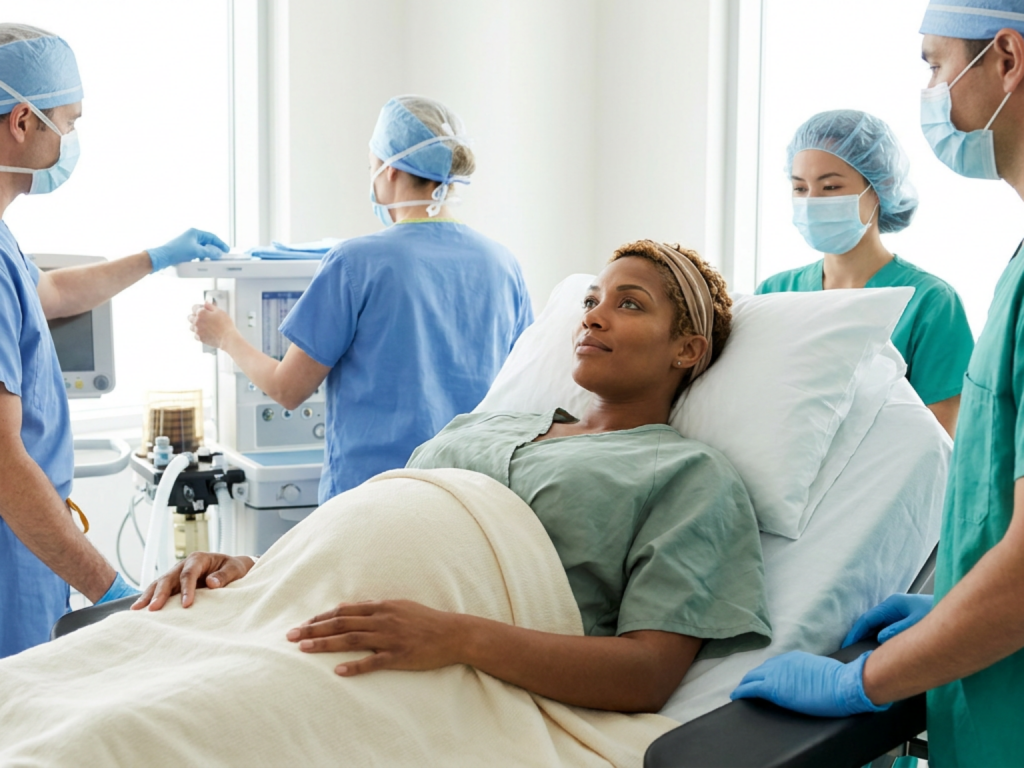
Before a non-emergency C-section, preparation usually includes confirming the indication, reviewing consent, checking allergies and medications, obtaining relevant blood tests, placing an intravenous line, and discussing anesthesia. The anesthesia team typically explains regional anesthesia for C-section, most often spinal, epidural, or combined spinal-epidural techniques. These methods numb the lower body while allowing you to remain awake. General anesthesia is less common but may be needed in specific emergencies or when regional anesthesia is not suitable.
Practical steps often include giving medication to reduce stomach acidity, placing a urinary catheter after anesthesia or shortly before surgery, cleaning the abdomen with antiseptic solution, and positioning the body with a slight tilt to reduce pressure from the uterus on major blood vessels. A sterile drape separates the surgical field from the upper body. In many settings, a support person may be present once anesthesia is established, unless the situation is too urgent or hospital policy restricts it.
If time allows, you can ask what sensations are expected. Many people feel pressure, pulling, rocking, or tugging, but not sharp pain. You can also ask about skin-to-skin contact, delayed cord clamping if appropriate, newborn assessment in the operating room, photos, music, or whether the drape can be lowered at the moment of birth. These preferences may not all be possible in every medical situation, but asking can help the team support a birth experience that feels more personal and less frightening.
What happens during the operation
Once anesthesia is working, the surgical team tests the numb area before starting. The surgeon then makes the abdominal incision and works through layers of skin, fat, fascia, and muscle separation to reach the peritoneal cavity and uterus. The uterine incision during cesarean is made carefully, usually in the lower uterine segment when feasible. The amniotic sac may be opened, and the baby is guided out through the uterine and abdominal openings. Sometimes pressure on the upper abdomen is used to help deliver the baby, which can feel intense but should not feel painful.
After the baby is born, the cord is clamped and cut according to the clinical situation and local practice. The newborn may be shown to you briefly, placed skin-to-skin if stable and feasible, or taken to a warmer for assessment by the pediatric or neonatal team. If the baby needs breathing support or closer observation, that can happen quickly in the operating room or nearby neonatal area.
The operation is not finished when the baby is born. The surgeon proceeds with delivery of the placenta, examines the uterus, and manages bleeding. Uterotonic medication is commonly used to help the uterus contract and reduce hemorrhage risk. The uterus is then repaired, and the abdominal layers are closed. Skin may be closed with sutures, staples, or adhesive methods depending on surgeon preference and clinical circumstances. The total time in the operating room varies, but the baby is often delivered within minutes after the first incision, while closure takes longer.
Benefits, risks, and informed consent
The main benefit of a medically indicated C-section is risk reduction when vaginal birth would be dangerous or impractical. It can be lifesaving for the baby, the birthing person, or both. In planned circumstances, it may also reduce some specific risks associated with labor, such as complications from placenta previa or a high-risk uterine scar. However, benefits depend heavily on the reason for surgery, timing, and the individual clinical context.
Risks include infection, bleeding, blood clots, injury to nearby organs such as the bladder or bowel, anesthetic complications, wound problems, and a longer physical recovery than many vaginal births. For the baby, transient breathing difficulty can be more common after cesarean, especially before labor or earlier gestational ages. Future pregnancies may carry increased risks related to uterine scar tissue, including placenta previa, placenta accreta spectrum, uterine rupture in labor, and repeat surgical complexity.
Informed consent should include why the C-section is being recommended, what alternatives exist, what could happen if surgery is delayed or declined, and what risks matter most in your situation. In emergencies, there may be limited time, but you still deserve clear, direct communication. If the indication is not urgent, it is reasonable to ask about expected timing, whether labor is possible first, how prior births affect risk, and how this decision may influence future pregnancies.
Immediate recovery after birth
After surgery, you are usually monitored in a recovery area or labor ward. Staff check blood pressure, pulse, bleeding, uterine firmness, pain level, nausea, urine output, and the incision dressing. The uterus should contract down, and vaginal bleeding, called lochia, is expected because the placental site still needs to heal. Heavy bleeding, large clots, dizziness, or worsening abdominal pain should be reported promptly.
Pain control is usually multimodal, meaning several types of medication may be used together to reduce opioid exposure while keeping pain manageable. Your team may encourage deep breathing, coughing support with a pillow, and early gentle movement to reduce risks such as atelectasis and venous thromboembolism. Walking for the first time can feel vulnerable; it is appropriate to ask for help and move slowly.
Feeding and bonding support should be offered whether you plan to breastfeed, chestfeed, formula feed, or combine methods. Positioning a newborn after abdominal surgery can be challenging, so side-lying or football-hold positions may reduce pressure on the incision. Emotional recovery also matters. Some people feel proud and relieved; others feel shaken, especially after an urgent operation. None of these reactions means you failed. Postoperative cesarean recovery includes the body and the mind.
Recovery at home and follow-up
At home, recovery usually centers on wound care, pain control, mobility, feeding, sleep, hydration, bowel function, and support with daily tasks. The incision should gradually become less tender, not more painful, red, swollen, or draining. Follow your clinician’s instructions about showering, dressings, lifting, driving, exercise, and medications. Because recommendations vary, it is safer to use your discharge plan rather than generic timelines.
Many people need help with stairs, laundry, meals, older children, and getting in and out of bed. Constipation is common after abdominal surgery, anesthesia, iron supplements, and opioid pain medicines; ask your healthcare professional what prevention or treatment is appropriate for you. If you are breastfeeding or pumping, check medication compatibility with your clinician or pharmacist rather than stopping pain relief unnecessarily.
Seek urgent medical advice for fever, chest pain, shortness of breath, fainting, severe headache, vision changes, one-sided leg swelling, heavy bleeding, foul-smelling discharge, severe wound pain, wound separation, or thoughts of harming yourself or your baby. A postpartum visit is also an opportunity to review the operative report, understand the uterine incision type, discuss future pregnancy planning, and process the birth experience. If the C-section felt traumatic, a debrief with the maternity team or a perinatal mental health professional may help.
When to seek urgent help
- Call emergency services for chest pain, severe shortness of breath, fainting, seizure, or heavy bleeding.
- Contact your maternity unit urgently for fever, worsening incision pain, pus, spreading redness, or wound opening.
- Seek same-day care for severe headache, vision changes, right upper abdominal pain, or sudden swelling.
- Get immediate support if you have thoughts of harming yourself, your baby, or feel unable to stay safe.
- Ask your clinician before changing prescribed medicines, activity restrictions, or wound care instructions.
Tools & Assistance
- Write a short list of questions for your obstetrician, midwife, or anesthesia clinician before a planned C-section.
- Ask for a copy or explanation of your operative note, especially the uterine incision type.
- Use your hospital discharge instructions for wound care, pain medicines, activity, and follow-up timing.
- Arrange practical help for meals, lifting, transport, older children, and night-time support.
- Contact postpartum, lactation, pelvic health, or perinatal mental health services if recovery feels difficult.
FAQ
Will I be awake during a C-section?
Many C-sections use regional anesthesia, such as spinal or epidural anesthesia, so you are awake but numb in the lower body. General anesthesia may be used in selected emergencies or if regional anesthesia is not appropriate.
Does a C-section hurt during the operation?
You should not feel sharp surgical pain once anesthesia is working, but pressure, pulling, tugging, or rocking sensations are common. Tell the anesthesia team immediately if you feel pain.
Can I have skin-to-skin contact after a C-section?
Often yes if you and the baby are stable and the operating room setup allows it. If immediate skin-to-skin is not possible, it may be offered in recovery or a support person may hold the baby first.
How long does C-section recovery take?
Recovery varies. Many people need several weeks for basic healing and longer for strength, scar comfort, sleep, and emotional recovery. Follow your own clinician’s guidance about lifting, driving, exercise, and sex.
Does one C-section mean all future births must be cesarean?
Not always. Some people are candidates for vaginal birth after cesarean, depending on the prior uterine incision, pregnancy details, hospital resources, and personal risks. Discuss this with your obstetric team.
Sources
- Johns Hopkins Medicine — Cesarean Section
- NCBI Bookshelf — Cesarean Delivery - StatPearls
- NHS — Caesarean section
Disclaimer
This article is for general educational information and is not a diagnosis, treatment plan, or substitute for care from a qualified healthcare professional. Always consult your maternity care team about your own pregnancy, birth, surgery, and recovery.















Please log in to leave a comment.