
Intro
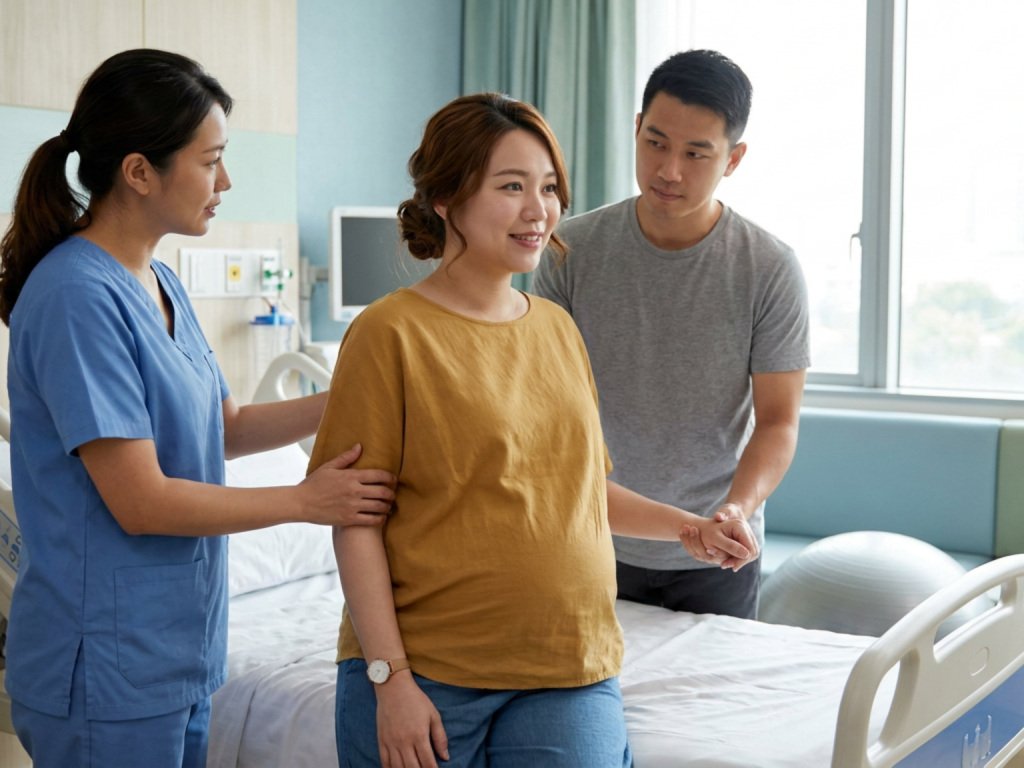
Natural vaginal birth is often described as a vaginal birth that unfolds with minimal medical intervention, especially without pharmacological pain relief. For many families, it represents trust in physiologic labor, active participation in birth, and a desire to remain mobile and responsive to the body’s cues.
At the same time, “natural” should never mean unsafe, unsupported, or rigid. A compassionate birth plan leaves room for monitoring, medical treatment, or cesarean delivery when clinically indicated. The most appropriate birth pathway depends on maternal health, fetal wellbeing, pregnancy history, local resources, and shared decision-making with qualified maternity professionals.
Highlights
Natural vaginal birth usually means vaginal delivery without pain medication and with limited interventions, while still allowing medical support when needed.
Potential benefits include avoiding abdominal surgery, shorter recovery for many people, lower infection and blood loss risks compared with cesarean birth, and greater mobility during labor.
Suitability depends on individual risk factors such as fetal position, placental location, previous uterine surgery, maternal illness, and real-time labor progress.
A flexible plan is often safer than an all-or-nothing approach; pain relief, induction, assisted birth, or cesarean delivery can become appropriate if circumstances change.
Definition of natural vaginal birth
Natural vaginal birth generally refers to birth through the vagina without pharmacological analgesia or anesthesia, such as an epidural, spinal anesthesia, systemic opioids, or nitrous oxide where available. It also often implies a preference for limited routine interventions, such as avoiding elective induction, continuous restriction to bed, or unnecessary augmentation with oxytocin. In everyday use, however, definitions vary. Some people use the term to mean any vaginal birth, while others mean an unmedicated, physiologic labor supported by movement, breathing, water therapy, massage, and continuous emotional support.
Medically, it is helpful to separate three ideas: vaginal route of birth, absence of pain medication, and degree of intervention. A person may have a vaginal birth with an epidural, an unmedicated vaginal birth after induction, or a spontaneous unmedicated vaginal birth with intermittent monitoring. All can be valid and safe depending on context. The word “natural” should not be used to rank births morally. A birth that requires medication, operative assistance, or cesarean delivery is not a failure; it is often the right response to changing clinical information.
How physiologic labor usually unfolds
Natural birth labor stages follow the same core physiology as other vaginal births. In the first stage, coordinated uterine contractions lead to cervical effacement and dilation. Effacement means the cervix thins and shortens; dilation means it opens, eventually reaching about 10 centimeters. Early labor may be irregular and manageable, while active labor usually brings stronger, closer contractions and more rapid cervical change. The transition phase can be intense, with nausea, shaking, rectal pressure, or a strong urge to give up, even when birth is near.
The second stage begins at full dilation and ends with birth of the baby. Some people feel an involuntary urge to push; others benefit from laboring down, especially if the baby is still descending. Upright, side-lying, hands-and-knees, squatting, or semi-reclined positions may help comfort and pelvic mechanics, though the best position depends on fetal monitoring needs, fatigue, and clinical circumstances. After the baby is born, the third stage is the delivery of the placenta. Uterine tone and bleeding are watched closely because postpartum hemorrhage can occur after any type of birth. Even in an otherwise low-intervention birth, timely treatment for excessive bleeding is essential.
Potential benefits for the birthing person
One major benefit of vaginal birth, when it is medically appropriate, is avoidance of abdominal surgery. Compared with cesarean delivery, vaginal birth is generally associated with lower risks of surgical wound infection, anesthesia-related complications, and major operative blood loss. Many people also have a shorter hospital stay and a faster return to basic mobility, although perineal pain, pelvic floor symptoms, fatigue, and emotional recovery still deserve serious care.
Unmedicated labor can offer additional practical advantages. Without neuraxial anesthesia, many people can change positions more freely, walk, use a shower or tub if available, and respond to pressure sensations during pushing. Some describe feeling more alert, more in control, or deeply connected to the labor process. Non-pharmacological pain management may include breathing exercises during labor, massage, counterpressure, heat or cold packs, hydrotherapy, visualization, vocalization, and continuous support from a trained partner, doula, midwife, or nurse.
These benefits are not guaranteed. Labor pain can be severe, prolonged, or exhausting, and a person’s preferences may change. Requesting pain relief is a reasonable medical choice, not a sign of weakness. The best plan supports autonomy while preserving access to analgesia, monitoring, fluids, antibiotics, oxytocin, operative vaginal birth, or surgery if needed.
Potential benefits for the baby and early bonding
For many pregnancies, vaginal birth is associated with a lower risk of transient breathing problems in the newborn compared with planned cesarean before labor. The mechanical and hormonal events of labor help move fluid out of the baby’s lungs and support physiologic transition to air breathing. Immediate skin-to-skin contact and early breastfeeding or chestfeeding may also be easier when the birthing person is awake, mobile, and recovering without an abdominal incision, though these practices can often be supported after cesarean as well.
Natural vaginal birth may also allow fewer medication-related newborn observations in some settings, depending on what medications were avoided and local protocols. However, the baby’s safety depends more on appropriate monitoring and rapid response than on the label attached to the birth. Fetal heart rate abnormalities, meconium-stained fluid, shoulder dystocia, infection concerns, or poor neonatal transition can occur in spontaneous unmedicated labor too. A supportive team balances respect for low-intervention preferences with readiness for neonatal assessment, resuscitation, or escalation when required.
Who may be a suitable candidate
A person may be a good candidate for natural vaginal birth when pregnancy is low risk, the fetus is in a favorable position such as head-down, there is no placenta previa or other contraindication to labor, and maternal medical conditions are stable. Access to skilled maternity care matters. Suitability is not only about risk on paper; it also includes proximity to emergency services, availability of fetal monitoring when indicated, the clinician’s assessment, and the birthing person’s informed preferences.
Some people planning vaginal birth after cesarean may also be candidates, depending on the type of previous uterine incision, number of prior cesareans, history of vaginal birth, reason for the earlier cesarean, and facility capability. Vaginal birth after cesarean can avoid another abdominal operation, but it carries a small risk of uterine rupture, which can be life-threatening. This decision requires individualized counseling with an obstetric clinician and a setting prepared for urgent cesarean delivery if needed.
Emotional suitability is relevant too. Natural birth often requires preparation for intense sensations, uncertainty, and sustained coping. A person with a history of trauma, anxiety, or prior difficult birth may still choose unmedicated labor, but may benefit from trauma-informed planning, clear consent practices, and flexible pain relief options.
When natural vaginal birth may be unsuitable or need caution
Natural vaginal birth may be unsuitable when vaginal delivery itself is unsafe, or when avoiding interventions would create unreasonable risk. Examples include placenta previa covering the cervix, some cases of vasa previa, certain non-head-down presentations, some multiple pregnancies, suspected severe fetal compromise, active genital herpes lesions at labor, or a prior classical uterine incision. Severe preeclampsia, significant cardiac disease, poorly controlled medical conditions, infection, fetal growth concerns, or abnormal placentation may not automatically rule out vaginal birth, but they often require higher-level monitoring and a more intervention-ready plan.
During labor, the plan may need to change. Prolonged labor with maternal exhaustion, fever, abnormal fetal heart rate patterns, stalled descent, excessive bleeding, cord prolapse, or suspected uterine rupture are not situations to “push through” for the sake of remaining natural. Assisted vaginal birth with vacuum or forceps, medication, or cesarean delivery may become the safest option. Informed consent remains important, but urgent situations can narrow the time available for discussion. Preparing in advance for possible changes can reduce fear and help the team act quickly.
Preparing for a safe and flexible natural birth
Preparation begins with a prenatal conversation about risk, preferences, and backup plans. A birth plan can state priorities such as mobility, intermittent auscultation if appropriate, dim lighting, minimal vaginal examinations, water therapy, delayed cord clamping when safe, and immediate skin-to-skin. It should also state openness to recommended interventions if maternal or fetal wellbeing changes. This framing helps clinicians understand what matters most without limiting safe care.
Practical preparation often includes childbirth education, practicing labor positions, learning breathing patterns, discussing support roles, and touring the birth setting. A doula or trained labor support person may help with coping techniques and communication. Packing comfort items, understanding hospital policies, and clarifying when to come in during labor can reduce uncertainty. It is also wise to learn the basics of induction, epidural analgesia, assisted birth, and cesarean delivery, not because they will be needed, but because knowledge can make unexpected decisions less overwhelming.
After birth, recovery still deserves attention. Vaginal soreness, perineal tears, urinary symptoms, hemorrhoids, pelvic heaviness, mood changes, and breastfeeding challenges are common enough to discuss early. A natural vaginal birth is not the end of care; postpartum follow-up, pelvic floor support, mental health screening, and urgent evaluation for heavy bleeding, fever, severe headache, chest pain, or shortness of breath remain essential.
When to seek urgent medical care
- Heavy vaginal bleeding, fainting, severe abdominal pain, or signs of shock during or after labor need emergency assessment.
- Decreased fetal movement, persistent severe headache, vision changes, or high blood pressure symptoms should be reported promptly.
- Fever, foul-smelling fluid, or prolonged rupture of membranes may indicate infection risk.
- Sudden severe pain between contractions, abnormal fetal heart rate concerns, or suspected uterine rupture require immediate obstetric evaluation.
- A birth plan should never delay recommended emergency treatment for the birthing person or baby.
Tools & Assistance
- Prenatal consultation with an obstetrician or midwife to assess birth suitability
- Childbirth education class focused on physiologic labor and emergency backup plans
- Doula or trained labor support for continuous comfort measures and communication
- Hospital or birth center tour to understand monitoring, water therapy, and analgesia options
- Postpartum follow-up plan including pelvic floor and mental health support
FAQ
Is natural vaginal birth the same as giving birth at home?
No. Natural vaginal birth describes the route and low-medication approach, not the location. It can occur in a hospital, birth center, or home setting depending on local regulations and risk assessment.
Can I change my mind and request an epidural?
Yes, if it is medically and logistically available. A flexible plan can include a preference for unmedicated labor while still allowing pain relief if labor becomes overwhelming or prolonged.
Is natural vaginal birth always safer than cesarean birth?
For many low-risk pregnancies, vaginal birth is generally safer and avoids abdominal surgery. However, cesarean birth is safer in some conditions, so individual medical assessment is essential.
Does a prior cesarean rule out natural vaginal birth?
Not always. Some people may be candidates for vaginal birth after cesarean, but eligibility depends on uterine incision type, prior history, current pregnancy factors, and facility readiness.
What if labor needs induction or augmentation?
Induction or oxytocin augmentation changes the intervention level but can still lead to vaginal birth. The priority is choosing the safest approach for the clinical situation.
Sources
- Mayo Clinic — VBAC: Know the pros and cons
- U.S. National Library of Medicine, National Institutes of Health — Why Natural Childbirth?
- University of Pittsburgh Medical Center — Labor Without Pain Medication: What is Natural Birth & How to Prepare
Disclaimer
This article is for informational purposes only and does not replace personalized medical advice. Always discuss birth planning, risks, and urgent symptoms with a qualified healthcare professional.
















Please log in to leave a comment.