
Intro
Pain can be physically exhausting and emotionally draining, especially when it lingers or recurs. Drug-free approaches do not replace medical evaluation, but they can reduce symptom burden, improve function, and give people more control over day-to-day coping. For many conditions, the most effective plan combines several nonpharmacologic strategies rather than relying on one technique alone.
This article reviews practical, evidence-informed methods that may help with acute or persistent pain, from heat and movement to relaxation training and cognitive strategies. The goal is not to promise universal relief, but to explain which approaches are commonly used, how they may work, and when it is important to involve a clinician or pain specialist.
Highlights
Drug-free pain relief is usually most effective when it is individualized and combined with other measures, such as physical therapy, sleep support, and relaxation techniques.
Many nonmedication methods target pain perception rather than the pain source alone, which can still meaningfully improve comfort and function.
Body-based strategies, including heat, pressure, gentle movement, massage, and transcutaneous electrical nerve stimulation, are widely used and often low risk when used appropriately.
Mind-body methods such as breathing exercises, biofeedback, and cognitive behavioral therapy can help reduce the stress-amplification that often worsens pain.
Persistent, severe, or new pain deserves medical assessment, even when non-drug coping strategies are helping.
What drug-free pain relief actually means
Drug-free pain relief refers to treatments and coping strategies that do not use analgesic medication. These methods may act on the nervous system, muscles, joints, circulation, breathing pattern, attention, or stress response. In clinical practice, they are often called nonpharmacologic or non-drug pain management.
These approaches are not limited to people who want to avoid medication. They are also used to complement medical treatment, lower reliance on rescue medicines, improve mobility, and support long-term self-management. For some pain syndromes, especially musculoskeletal pain, a non-drug plan can be a central part of care rather than an afterthought.
Physical methods that can ease pain
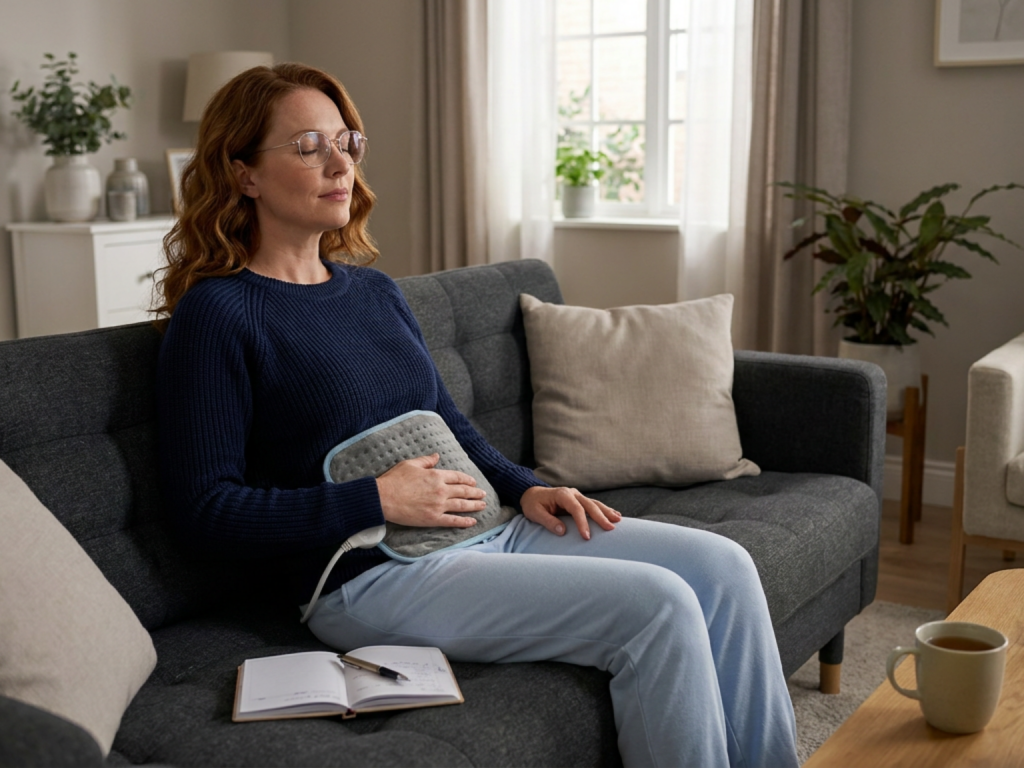
Several body-based methods have a long track record in pain care. Simple heat can relax muscles and improve local comfort, while cold may help some people with inflammation or acute tissue irritation. Pressure-based techniques, such as massage or sustained counterpressure, may reduce guarding and muscle spasm. These approaches do not cure the underlying cause of pain, but they can reduce the intensity of symptoms enough to make movement and rest more tolerable.
Transcutaneous electrical nerve stimulation (TENS) is another commonly used option. It delivers low-voltage electrical stimulation through the skin and may alter pain signaling for some users. The response is variable, but it can be useful when supervised or selected appropriately. In a similar category, biofeedback uses sensors to help people observe physiologic signals, such as muscle tension or breathing pattern, and learn to reduce them.
Physical therapy is often one of the most important non-drug interventions because it addresses biomechanics, strength, flexibility, and movement confidence. A clinician can tailor exercises to the pain condition and help prevent the cycle of deconditioning that often worsens symptoms over time.
Movement, pacing, and rehabilitation
Although pain can make movement feel counterintuitive, gentle activity often helps more than prolonged rest. The aim is not to push through severe pain, but to maintain enough movement to protect joint mobility, circulation, and muscle function. For many people, graded activity and pacing are more sustainable than alternating between overexertion and complete shutdown.
Pacing means dividing tasks into manageable segments, taking breaks before pain escalates, and respecting the body’s current capacity. This can be especially useful for people with chronic low back pain, fibromyalgia, headache disorders, or pain that flares with fatigue. A rehabilitation approach may also include posture training, core stabilization, stretching, or ergonomic changes to daily routines.
If pain changes during movement, that information is clinically useful. Sharp pain, neurological symptoms, or rapidly worsening pain should not be treated as routine soreness. In those cases, a health professional should reassess the problem rather than assuming self-management is enough.
Mind-body strategies that reduce pain amplification
Pain is a sensory and emotional experience, so the brain’s interpretation matters. Stress, fear, and hypervigilance can intensify pain perception, while calm attention and a sense of control can reduce distress. This is why breathing exercises, relaxation training, and mindfulness-based techniques are commonly recommended as part of pain care.
Breathing techniques can help downshift the autonomic stress response. Slow, diaphragmatic breathing may reduce muscle tension and make painful sensations feel less overwhelming. Relaxation methods such as progressive muscle relaxation can also help people identify and release unnecessary tension.
Distraction is not denial; it is a way to reduce the brain’s focus on pain signals. Listening to music, doing a puzzle, talking with a supportive person, or engaging in a meaningful task can lower perceived intensity for some people. These tools are especially helpful for short-term flares, procedures, or waiting periods.
Sleep, stress, and daily coping habits
Poor sleep and pain form a vicious cycle: pain disrupts sleep, and poor sleep lowers pain tolerance. Sleep hygiene therefore matters. Regular sleep timing, reduced late caffeine, a dark and quiet bedroom, and a consistent pre-sleep routine can all support better rest. When insomnia is persistent, it is worth discussing with a clinician because untreated sleep disorders can make pain much harder to manage.
Social support also has therapeutic value. Being able to describe pain without judgment, receive practical help, or simply feel less isolated can reduce the emotional load of chronic symptoms. Support groups, trusted family members, and patient education all contribute to coping.
Stress management is equally important. Many people notice that pain worsens during conflict, overwork, or uncertainty. Building predictable routines, protecting recovery time, and reducing avoidable stressors can make a real difference even when the pain generator itself remains unchanged.
Psychological approaches and self-management skills
Cognitive behavioral therapy, often abbreviated CBT, is one of the best-studied psychological approaches for persistent pain. It does not suggest that pain is “all in the head.” Instead, it helps people identify thought patterns, behaviors, and avoidance habits that can worsen disability and distress. CBT may improve coping, activity levels, and quality of life even when pain intensity does not disappear completely.
Other self-management skills include journaling symptom patterns, recognizing flare triggers, and setting realistic daily goals. Keeping track of what helps and what does not can reveal patterns that are hard to see in the moment. That can guide discussions with clinicians and reduce the feeling that pain is random or uncontrollable.
For some people, biofeedback or guided relaxation works best when learned with professional support. These approaches are skills-based; they often improve with practice and are not meant to deliver instant relief after one session.
When to seek medical help rather than only coping at home
Non-drug strategies are useful, but they are not a substitute for diagnosis when pain is new, severe, persistent, or changing in character. Medical evaluation is especially important if pain is associated with fever, trauma, weakness, numbness, unexplained weight loss, chest pain, breathing problems, or loss of function. Rapidly worsening pain or pain that wakes someone from sleep repeatedly also deserves attention.
Healthcare professionals can help determine whether the pain is musculoskeletal, inflammatory, neuropathic, visceral, or related to another condition, and they can advise which non-drug therapies are appropriate. In some cases, the safest and most effective plan is a combined one that includes rehabilitation, behavioral treatment, and medical treatment together.
For pregnant or postpartum patients, pain deserves additional caution because treatment choices may differ, and some causes of pain require prompt assessment. Even when the goal is to stay drug-free, it is still appropriate to ask a clinician for individualized guidance.
When to get urgent medical advice
- Seek urgent care for sudden severe pain, especially if it is new or unexplained.
- Get immediate evaluation for pain with chest symptoms, shortness of breath, fainting, or confusion.
- Do not ignore pain with weakness, numbness, trouble walking, or loss of bladder or bowel control.
- Fever, swelling, trauma, or rapidly worsening pain may signal a condition that needs prompt assessment.
- Pregnancy-related pain, postpartum pain, or pain after a procedure should be discussed with a healthcare professional promptly.
Tools & Assistance
- Primary care clinician or obstetric provider for individualized assessment
- Physical therapist for movement, posture, and graded exercise planning
- Pain specialist or rehabilitation medicine clinic for persistent complex pain
- Psychologist or therapist trained in CBT or pain coping skills
- Trusted sleep, relaxation, or mindfulness resources from reputable health systems
FAQ
What is the best drug-free pain relief method?
There is no single best method for everyone. The most effective approach usually combines movement, physical therapy, relaxation, and sleep support based on the pain type and the person’s situation.
Can heat and cold both help pain?
Yes. Heat often helps muscle tightness and stiffness, while cold may help some inflammatory or acute injuries. The best choice depends on the pain pattern and what feels safer and more comfortable.
Does distraction really reduce pain?
It can. Distraction does not remove the cause of pain, but it can reduce how much attention the brain gives the pain signal, which may lower perceived intensity for some people.
Can non-drug methods replace medical treatment?
Sometimes they are enough for mild, short-lived pain, but persistent or severe pain often needs medical assessment. Non-drug methods are best viewed as part of a broader care plan.
When should I stop self-managing and get checked?
Get evaluated if pain is severe, new, unexplained, worsening, or accompanied by red-flag symptoms such as weakness, fever, chest symptoms, or loss of function.
Sources
- MedlinePlus — Non-Drug Pain Management
- NHS — 10 ways to reduce pain
- Harvard Health Publishing — Drug-free solutions for pain
Disclaimer
This article is for general informational purposes only and does not diagnose, treat, or replace professional medical advice. If pain is severe, persistent, or associated with concerning symptoms, consult a qualified healthcare professional.














Please log in to leave a comment.