
Intro
Choosing to manage labor pain without medication is a deeply personal decision, and it does not mean you need to “tough it out.” Natural labor pain management usually means using non-pharmacological strategies to support comfort, reduce stress, and improve coping while labor unfolds in a physiologic way.
Evidence-based options can include breathing patterns, relaxation, movement, positioning, massage, water immersion, heat or cold, music, meditation, hypnosis, TENS, and acupressure. These approaches do not eliminate pain entirely, but they may reduce perceived intensity, preserve a sense of control, and help some people remain more active and engaged during labor.
Highlights
Natural labor pain management is usually most effective when it is planned before labor starts, not improvised in the moment.
Comfort strategies work best when they are combined, such as breathing plus movement, or massage plus heat and position changes.
Non-pharmacological methods can support coping, but labor pain is variable and some people later choose medication or other interventions.
Preparation should include a conversation with the birth team about goals, flexibility, and what options are available at the chosen birth setting.
What natural labor pain management means
Natural labor pain management refers to methods that do not rely on analgesic or anesthetic drugs. The goal is not always pain elimination; more often, it is to reduce distress, improve tolerability, and support the body’s own labor physiology. Many of these methods aim to lower sympathetic arousal, ease muscle tension, and give the laboring person a stronger sense of control.
Labor pain is shaped by uterine contractions, cervical dilation, fetal descent, tissue stretching, fatigue, fear, and the meaning a person assigns to the experience. Because the pain experience is multidimensional, the most useful strategies are often those that address both body and mind at the same time.
Evidence-based comfort measures during labor
Several non-drug approaches have the strongest practical support. Breathing exercises and relaxation techniques can help anchor attention and reduce panic during contractions. Massage may decrease tension and improve comfort, especially in the lower back, shoulders, or hips. Warm baths, showers, and water immersion may be soothing and can help some people relax between contractions.
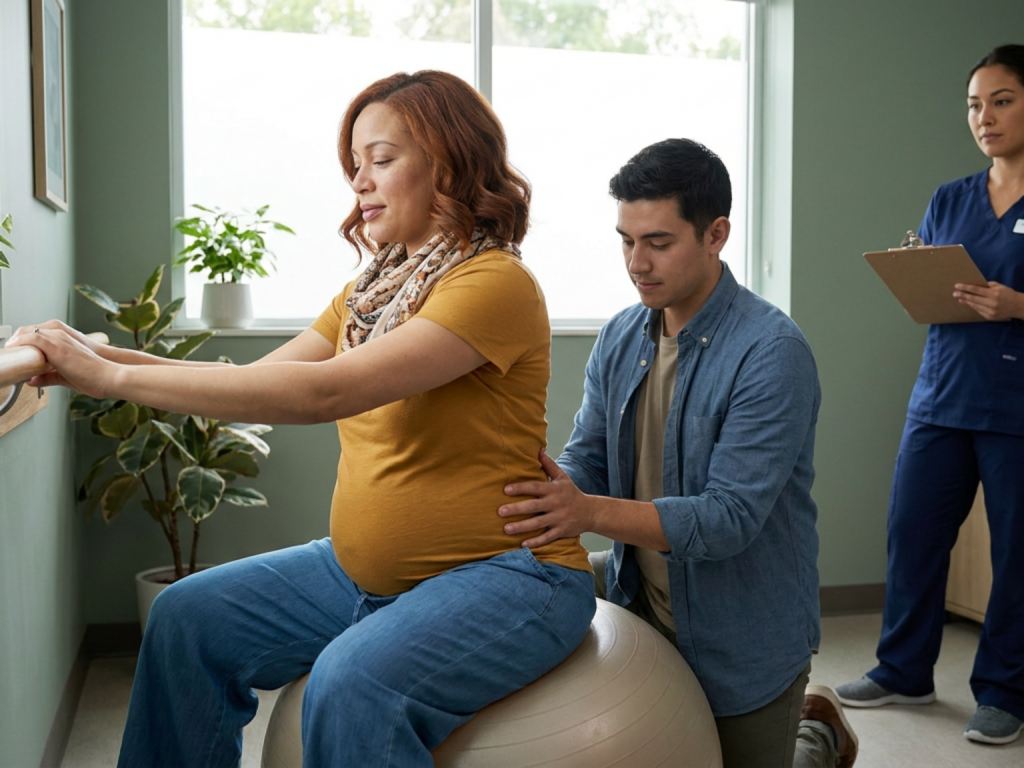
Movement and position changes are also important. Walking, rocking, lunging, kneeling, hands-and-knees positioning, and use of a birthing ball can improve comfort and help the baby rotate or descend in some labors. Heat or cold packs may be useful for focal pain, and TENS units can provide distraction and sensory modulation for some people.
Other options sometimes used include music, meditation, guided imagery, acupressure, hypnosis, and aromatherapy. These are not universally effective, but they may be helpful when matched to the person’s preferences and practiced ahead of time.
Breathing, relaxation, and the mind-body piece
Breathing techniques are often recommended because they are simple, portable, and easy to combine with other methods. Slow rhythmic breathing, patterned exhalation, and focused attention can reduce the feeling of being overwhelmed. For some people, a steady breathing rhythm becomes a cue for relaxation and concentration during contractions.
Relaxation practices can include progressive muscle relaxation, guided imagery, mindfulness, or hypnosis-based techniques. These tools may not remove pain, but they can reduce the intensity of the stress response that often amplifies it. A calm environment, minimal interruptions, and a supportive coach can make these techniques more usable in real labor.
Movement, positioning, and water-based relief
Upright movement is a core part of many natural labor plans. Standing, swaying, rocking on a ball, or changing sides can sometimes make contractions more manageable and help the pelvis move more freely. Position changes may also reduce back pressure, which is especially important when contractions are felt strongly in the low back.
Water immersion is another frequently used option. A warm shower or bath can offer sensory comfort and help with relaxation, while a labor tub may allow longer periods of immersion if the birth setting supports it. Some people find water especially useful during early active labor, when rest and rhythm matter as much as pain intensity itself.
Preparing before labor starts
Preparation is one of the strongest predictors of a smoother experience with natural pain management. It helps to discuss preferences with the obstetric or midwifery team before labor begins, including which options are available in the chosen setting. Not every hospital, birth center, or home birth plan offers the same tools, so practical planning matters.
A birthing class can be especially helpful because it gives repeated practice with breathing, relaxation, position changes, and partner support. Rehearsal matters: techniques that feel awkward in a calm classroom can become much easier when they are familiar. It is also useful to think through backup preferences in case pain becomes harder to manage than expected.
Some people create a comfort toolkit with items such as a birthing ball, heat packs, a portable speaker for music, a water bottle, lip balm, snacks if allowed, and clothes that allow easy movement. The details are less important than the principle: reduce friction so the laboring person can focus on coping rather than logistics.
The role of support people and the care team
Continuous emotional support can make a meaningful difference in labor experience. A support person, doula, partner, or nurse can help with counterpressure, reminders to breathe, timing position changes, offering water, and protecting the laboring person from excessive stimulation. Support is not just reassurance; it is active assistance that helps the chosen coping plan stay on track.
The care team should be informed early about the desire to use non-pharmacological methods. That allows time to check what is available and to integrate comfort measures safely with fetal monitoring, hydration, mobility, and any medical considerations. Good support teams also recognize that a natural plan can evolve. Switching strategies is not failure; it is responsive care.
When a natural plan may need to change
Labor is unpredictable, and even a well-prepared person may need additional options. Pain may become more intense, labor may become prolonged, or medical circumstances may change the balance of benefits and risks. In those moments, the key question is not whether the original plan was “followed perfectly,” but whether the current approach is supporting safety and coping.
It is reasonable to think about pain relief in layers. Many people begin with breathing, movement, and massage, then add water, heat, or TENS, and later reconsider medication if needed. Having that flexibility ahead of time can reduce disappointment and help the birth feel guided rather than reactive.
A practical preparation checklist
Before labor, it helps to prepare in concrete ways:
- Discuss preferences and backup plans with the clinician or midwife.
- Learn and rehearse breathing, relaxation, and position changes.
- Choose a birth setting that supports the comfort measures you want.
- Identify who will provide hands-on and emotional support.
- Gather simple tools such as a ball, music, water access, and heat or cold packs.
The most useful preparation is often specific, realistic, and flexible. Natural pain management works best when it is treated as a set of skills, not a test of endurance.
How to think about success
Success in natural labor pain management is not measured by whether labor felt easy. A more realistic measure is whether the person felt informed, supported, and able to use coping tools effectively. For some, that means progressing through labor with movement and breathing alone. For others, it means using a natural approach for part of labor and then adding medical pain relief later.
Either path can be thoughtful and appropriate. The best plan is the one that aligns with the person’s values, the clinical situation, and the realities of labor as it unfolds.
Seek urgent care if
- You have heavy vaginal bleeding, severe constant abdominal pain, or sudden worsening pain that does not fit the pattern of contractions.
- You notice decreased fetal movement, fever, or signs of infection such as foul-smelling fluid.
- Your water breaks and the fluid is green, brown, or you are unsure what is happening.
- You feel faint, have chest pain, severe shortness of breath, or a sudden severe headache.
- You are worried that labor is progressing too fast or that something does not feel right.
Tools & Assistance
- Obstetrician or midwife consultation before birth
- Childbirth education class focused on labor coping
- Hospital or birth-center tour to review comfort options
- Doula support or labor companion planning
- Patient education materials from ACOG or your maternity unit
FAQ
Can natural labor pain management completely remove labor pain?
Usually not. These methods are designed to improve coping, reduce distress, and make contractions more manageable rather than eliminate pain entirely.
Which natural method works best?
There is no single best method for everyone. Many people do best by combining breathing, movement, massage, and a calming environment.
Is water immersion safe for all labors?
Not always. It depends on the birth setting, fetal and maternal status, and local protocol, so it should be discussed with the care team in advance.
Should I still learn about medication if I want a natural birth?
Yes. It is helpful to understand all options, including medication, so you can make informed choices if labor becomes harder than expected.
When should I discuss my plan with my clinician?
Ideally well before labor begins, and again if your preferences change or if there are medical factors that could affect which comfort measures are appropriate.
Sources
- National Library of Medicine / PMC — Non-Pharmacological Pain Management During Labor
- American College of Obstetricians and Gynecologists — Thinking About Childbirth Without Pain Medication? Here’s How You Can Prepare
- Cleveland Clinic — Labor Pain Relief: Options & Side Effects
Disclaimer
This article is for general educational purposes only and does not replace care from a qualified clinician. Labor pain, birth plans, and comfort methods should be discussed with your obstetric or midwifery team, especially if there are medical risks or unexpected changes.

















Please log in to leave a comment.