
Intro
Traveling in your baby’s first year can feel both exciting and intimidating. You may be balancing feeding schedules, sleep needs, infection prevention, car seat logistics, and your own exhaustion while trying to make a trip possible. A thoughtful plan can reduce risk and make the journey more manageable, whether you are visiting family, flying internationally, or taking a short road trip.
Highlights
Most healthy, full-term infants can travel safely with preparation, but newborns, premature infants, and babies with cardiopulmonary conditions need individualized medical guidance.
Safety planning should prioritize an approved child restraint system, safe sleep during travel, feeding hygiene, and reducing exposure to respiratory and gastrointestinal infections.
A flexible routine usually works better than trying to recreate home perfectly; babies often need extra feeding, soothing, and recovery time after travel.
Parents and caregivers should know when to pause travel and seek medical care, especially for fever in young infants, breathing difficulty, dehydration, or unusual lethargy.
Start with age, health status, and trip urgency
The safest first-year travel plan begins with the baby in front of you: gestational age at birth, current age, feeding pattern, immune vulnerability, respiratory history, and access to care at the destination. Air travel is generally considered safe for many healthy, full-term infants after the earliest newborn period, but the first week of life is a particularly cautious window. Some clinicians advise waiting longer, especially when travel is elective, because newborns are still adapting to feeding, thermoregulation, bilirubin metabolism, and infection exposure.
Premature infants, babies with chronic lung disease, congenital heart disease, anemia, recent respiratory illness, or oxygen needs require medical clearance before flying. Aircraft cabins are pressurized but still have lower oxygen tension than sea level, which may matter for infants with limited cardiopulmonary reserve. If your baby recently had bronchiolitis, pneumonia, surgery, or hospitalization, ask the pediatrician whether travel should be delayed.
For road trips, the question is less about cabin pressure and more about restraint, positioning, feeding intervals, and access to urgent care. A long drive with a young infant should include planned stops for feeding, diaper changes, and supervised breaks out of the car seat. If travel is not essential and your baby is very young, medically fragile, febrile, or feeding poorly, postponing may be the safest choice.
Build a pre-travel medical plan
Before booking, review your baby medical care first year basics: routine immunizations, growth concerns, medications, allergies, and recent illnesses. A well-child visit can be a good time to ask about destination-specific risks, especially if you are traveling internationally, to a high-altitude location, or to an area with different infectious disease patterns. The goal is not to medicalize every trip, but to prevent predictable problems.
Ask your child’s clinician what to do if your baby develops fever, vomiting, diarrhea, poor intake, rash, or respiratory symptoms while away. Fever in young infants can be clinically significant, and the threshold for urgent evaluation depends strongly on age and appearance. Clarify which symptoms require immediate local care versus a phone call to your pediatric office.
Prepare a concise health summary on your phone and on paper. Include the baby’s full name, date of birth, gestational age at birth, medical conditions, medications, allergies, immunization record, pediatrician contact information, insurance details, and emergency contacts. If your baby uses formula, specialized feeding supplies, oxygen, a nebulizer, or other equipment, pack more than you expect to need and identify backup sources before leaving.
Flying with a baby: seat, pressure, and infection considerations
For air travel, the safest place for a baby is in an FAA-approved child restraint system rather than on an adult’s lap. Although lap travel may be permitted by some airlines for children under 2 years, severe turbulence can make it impossible to safely hold an infant. A properly installed car seat or approved harness gives the baby a protected space and can also make naps easier.
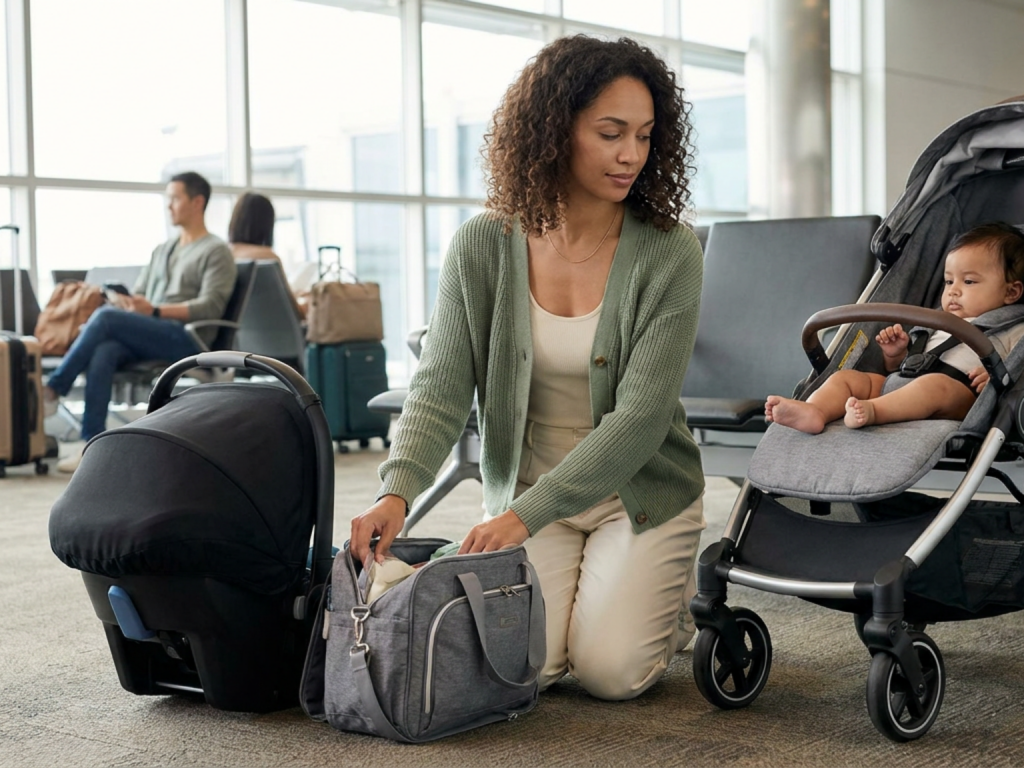
Check the airline’s infant policies before booking. Ask about car seat dimensions, bassinet availability on long-haul flights, stroller gate-check rules, family boarding, and whether an extra seat is required for the restraint system. Dress the baby in layers because cabin temperatures fluctuate. Keep essentials under the seat rather than in the overhead bin: diapers, wipes, feeding supplies, a change of clothes for baby and caregiver, burp cloths, pacifiers if used, and any medication or medical documents.
Pressure changes during takeoff and landing may cause ear discomfort because infants cannot intentionally equalize middle-ear pressure. Feeding at these times, offering a pacifier, or allowing sucking can help some babies. Avoid giving medication solely to sedate a baby for a flight unless specifically directed by a clinician; sedating medications may have unpredictable effects and can mask clinical symptoms.
Airports and aircraft involve close contact with many people. Use hand hygiene, avoid unnecessary face touching, and consider limiting pass-around cuddles during high respiratory virus seasons. If your baby is ill before departure, especially with fever, breathing difficulty, or poor feeding, seek medical guidance before flying.
Car travel and ground transportation
A rear-facing car seat is essential for every car ride, including taxis, ride-shares, rental cars, and short trips at the destination. Use a seat appropriate for the baby’s weight and length, installed according to the manufacturer’s instructions and vehicle manual. The harness should be snug, the chest clip positioned correctly, and bulky coats should not be placed under the harness because they can compress in a crash.
Young infants should not remain in a car seat for prolonged uninterrupted periods when the car is not moving, because semi-upright positioning can contribute to airway obstruction or oxygen desaturation in vulnerable babies. During long drives, plan regular stops so the baby can be fed, changed, and held awake under supervision. Never feed a bottle to an unattended baby in a moving vehicle because of choking risk and because caregivers cannot respond quickly.
For public transportation, think through the transition points: carrying luggage, folding a stroller, installing a car seat, and keeping feeding supplies clean. If using a rental car, do not assume a rented car seat will be available, clean, undamaged, or correctly sized. Bringing your own restraint system is often more reliable. For walking trips, a stroller or carrier can help, but follow manufacturer guidance for age, weight, airway positioning, and hip support.
Feeding, hydration, and diapering away from home
Responsive infant feeding cues matter even more during travel. Babies may feed more often because of disrupted sleep, dry cabin air, heat, overstimulation, or comfort needs. Breastfed babies may nurse for hydration and regulation as well as calories. Formula-fed babies need safe water access, clean preparation surfaces, and enough formula for delays. If your baby takes expressed human milk, plan for storage temperatures, ice packs, and safe warming.
For flights, pack more feeds than the scheduled travel time requires. Delays, cancellations, traffic, and lost luggage are common enough to plan for. Keep feeding supplies in carry-on bags, not checked baggage. If your baby has started solids, choose low-choking-risk foods that travel well and maintain feeding safety. Avoid introducing new allergenic foods for the first time during a trip if medical care may be harder to access or if the setting is chaotic.
Diapering needs can escalate during travel because of schedule disruption and mild gastrointestinal changes. Pack diapers, wipes, barrier ointment, disposable changing pads, extra clothing, and sealable bags. Watch for dehydration: fewer wet diapers than usual, dry mucous membranes, absence of tears when crying, sunken fontanelle, marked sleepiness, or persistent vomiting or diarrhea. These signs warrant prompt medical advice, particularly in younger infants.
Sleep, routines, and overstimulation
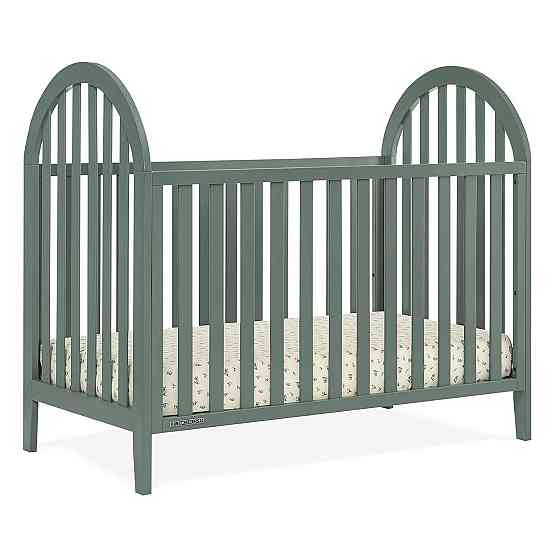
Travel often disrupts naps, bedtime, feeding rhythm, and caregiver sleep. Rather than aiming for a perfect schedule, aim for safe sleep practices for infants and predictable calming cues. Bring familiar sleep items that are safe for the sleep space, such as a sleep sack used at home, but avoid loose blankets, pillows, soft toys, and padded inserts. A crib, portable crib, or bassinet should have a firm, flat sleep surface and be used according to its instructions.
Safe sleep during travel deserves specific planning. Do not rely on couches, adult beds, car seats, swings, or loungers for routine sleep. If a baby falls asleep in a car seat while traveling, transfer the baby to a safe sleep surface when you arrive and can do so safely. Hotels and rentals may advertise baby equipment, but confirm what is available and inspect it before use.
Overstimulated babies may show gaze aversion, yawning, hiccups, fussing, arching, clenched fists, or difficulty feeding. Build decompression time into each day. A quiet room, dim light, skin-to-skin contact, feeding, gentle rocking, or a short stroller walk may help. After returning home, expect a few days of readjustment. A gradual sleep schedule adjustment is usually kinder than forcing an immediate return to the clock.
Packing: practical, medical, and emotional essentials
A good packing list is not about bringing the entire nursery; it is about protecting the functions your baby depends on. Think in categories: feeding, diapering, sleep, temperature control, transport, hygiene, medical needs, and soothing. Pack critical items in carry-on luggage or the passenger area of the car, not in checked bags or inaccessible storage.
Useful items include diapers, wipes, barrier cream, hand sanitizer, feeding supplies, burp cloths, extra outfits, layers, a thermometer, any prescribed medications, a first-aid kit appropriate for infants, copies of medical information, and comfort objects that are safe for age. If your baby uses a specific formula, bottle nipple, pacifier, or medication, bring extras. Substitutions may not be available at your destination.
For caregivers, pack snacks, water, an extra shirt, phone chargers, and realistic expectations. Babies feel caregiver stress, and travel days can be physically demanding. If possible, divide tasks: one adult handles documents and luggage while another focuses on the baby. Solo caregivers can request airline assistance, choose shorter itineraries, and prepare a written feeding and medication log to reduce cognitive load when tired.
At the destination: adapt rather than over-schedule
Once you arrive, give your baby time to acclimate. New rooms, smells, relatives, weather, noise, and time zones can be neurologically demanding for an infant. Keep the first day lighter if possible. Prioritize feeds, diaper output, naps, and safe sleep over sightseeing. A baby who is eating well, making wet diapers, breathing comfortably, and settling with support is usually coping better than the clock suggests.
Set boundaries kindly with visitors. Ask people to wash hands before holding the baby, avoid kissing the baby’s face or hands, and stay away if they have fever, cough, vomiting, diarrhea, or recent contagious illness. This is especially important for newborns and infants too young to have completed primary immunizations.
Before the trip, identify nearby urgent care or pediatric emergency services. For international travel, confirm how to access medical care and whether your insurance covers it. If the destination has heat, altitude, unsafe tap water, mosquito-borne illness risk, or limited medical access, discuss prevention with a clinician before departure. The best travel plan is flexible enough to change if the baby’s clinical status changes.
When to seek medical advice urgently
- Fever in a young infant, especially under 3 months, should be discussed promptly with a healthcare professional.
- Breathing distress in babies, blue color, pauses in breathing, grunting, or chest retractions requires urgent evaluation.
- Poor feeding, persistent vomiting, severe diarrhea, or signs of dehydration should not be ignored during travel.
- Unusual lethargy, inconsolable crying, seizure-like activity, or a new concerning rash warrants medical assessment.
- Consult your pediatrician before flying if your baby was premature or has heart, lung, oxygen, or recent serious illness concerns.
Tools & Assistance
- Pre-travel pediatric visit or nurse advice line for individualized clearance
- FAA-approved car seat or child restraint system appropriate for the baby’s size
- Written feeding and medication log kept in carry-on or diaper bag
- Destination list of pediatric urgent care, hospital, pharmacy, and emergency numbers
- Compact infant travel kit with thermometer, medical documents, diapers, feeding supplies, and spare clothing
FAQ
When can a newborn fly?
Many healthy, full-term infants can fly after the first few weeks, but travel in the first 7 days is generally approached with extra caution. Ask your pediatrician, especially if the baby was premature or medically fragile.
Is it safer to hold my baby on my lap during a flight?
The safest option is usually an FAA-approved car seat or restraint system in the baby’s own seat. Lap holding may be allowed by airlines but is less protective during severe turbulence.
How can I help my baby’s ears during takeoff and landing?
Sucking may help equalize pressure, so feeding, nursing, or offering a pacifier during ascent and descent can be useful if the baby is interested.
Should I keep my baby on the exact home schedule while traveling?
Try to preserve key cues such as feeds, naps, bedtime steps, and safe sleep, but expect flexibility. Many babies need a few days to readjust after travel.
What should stay in the carry-on bag?
Keep diapers, wipes, feeds, medications, medical documents, spare clothing, a thermometer, and comfort items with you. Do not place essential baby supplies only in checked luggage.
Sources
- HealthyChildren.org, American Academy of Pediatrics — Flying With Baby: Parent FAQs & Tips for Safer, Easier Air Travel
- Mayo Clinic — Air travel with infant: Is it safe?
- Centers for Disease Control and Prevention — Traveling with Children
Disclaimer
This article is for general educational purposes and does not replace medical advice. Consult your baby’s pediatrician or another qualified healthcare professional for individualized guidance before travel.














Please log in to leave a comment.