
Intro
Bottle sterilizers can feel like one more complicated product in an already demanding infant-feeding routine. In practice, they are simply tools that help reduce microbial load on feeding equipment after it has been cleaned, especially when babies are very young or medically vulnerable.
This article explains what sterilizers do, when they may be useful, how the common types differ, and how to use them safely without overcomplicating everyday feeding care.
Highlights
Sterilization is an added step, not a substitute for washing. Cleaning removes milk residue first; sterilizing comes afterward when it is indicated.
The main options are steam, boiling, and chemical cold-water sterilization. Each can work when used correctly and according to the manufacturer’s directions.
Sterilization is most relevant for newborns, premature infants, and situations where water quality is uncertain. For older healthy infants, routine sanitizing may be less necessary.
Safe handling matters as much as the method itself. Clean hands, clean surfaces, and proper drying/storage help prevent recontamination.
If you are unsure whether you need to sterilize, a pediatric clinician can help you match the method to your baby’s age, feeding pattern, and health context.
What bottle sterilizers are
A bottle sterilizer is a device or process used to reduce or eliminate many microorganisms on infant feeding items after they have been thoroughly cleaned. It is best understood as a secondary hygiene step: first remove visible milk, formula, and debris, then sterilize if the situation calls for it.
That distinction matters because sterilization cannot compensate for poor cleaning. If residue remains on a nipple, ring, or bottle base, heat or disinfectant may not reach every surface evenly. Good workflow is therefore: wash, rinse, sterilize when appropriate, and then dry and store carefully.
When sterilization is most useful
Public health and pediatric guidance generally emphasize sterilization most strongly for newborns, preterm infants, and babies with increased medical vulnerability. It may also be useful when you are unsure about water safety or if a clinician recommends extra precautions because of local conditions or a baby’s specific health needs.
For many families, the question is not whether sterilization is always required, but whether it is proportionate to the risk in a given setting. A healthy older infant may not need the same level of processing as a newborn in the first weeks of life. When the decision is unclear, the safest approach is to ask your child’s healthcare professional rather than guessing.
How the main sterilizer types work
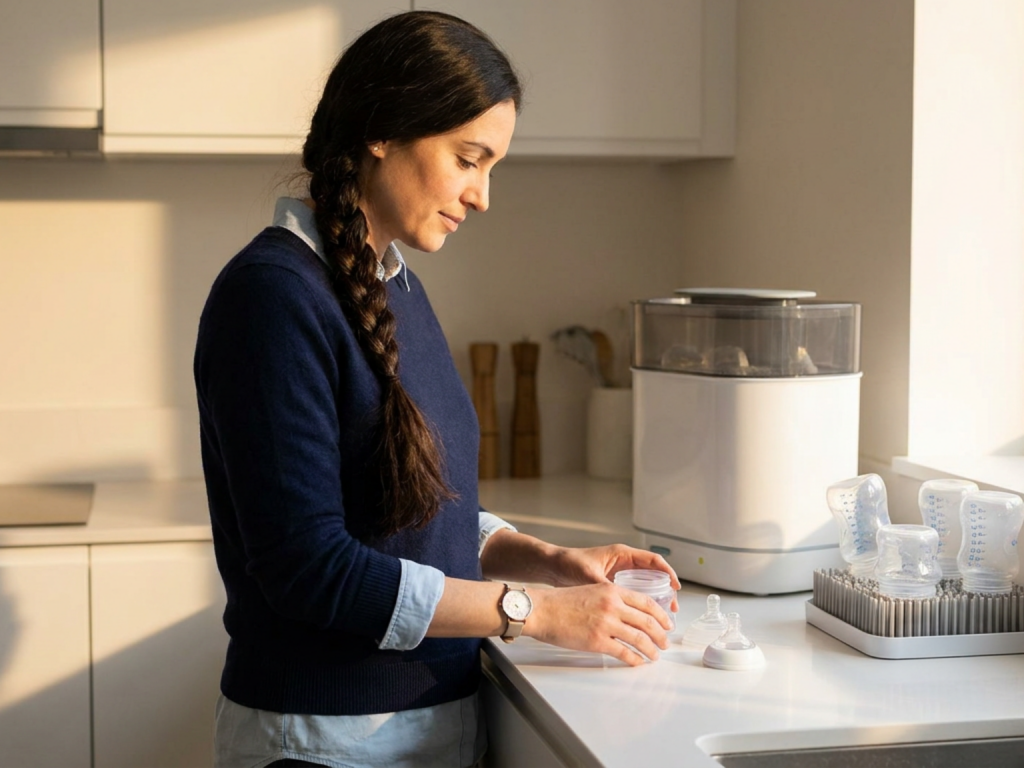
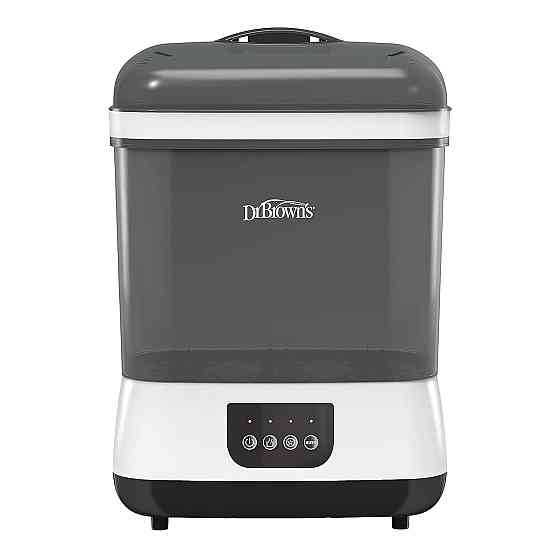
Steam sterilizers use high-temperature steam generated by electricity or a microwave-compatible unit. They are popular because they are quick, relatively easy to use, and do not require chemicals. Most models rely on a sealed chamber, water reservoir, and a fixed cycle time; the exact procedure varies by product.
Boiling is the most traditional method. Clean bottle parts are submerged in water and boiled for the recommended duration. It is simple and does not require special equipment, but it needs careful timing and attention to avoid damage to heat-sensitive parts.
Cold-water chemical sterilization uses a disinfecting solution or tablet in water. Items are typically fully submerged for a set period. This method can be practical when electricity is unavailable, but it requires meticulous adherence to dilution, contact time, and rinsing rules if the product instructions call for it.
All three methods can be effective when used correctly. The most important variable is not novelty or brand, but whether the process is followed exactly as intended.
How to use a sterilizer safely
Start with thorough washing. Disassemble bottles, nipples, rings, and valves if applicable, then wash with soap and water and rinse well. Sterilization works best on items that are already visibly clean.
Next, follow the device or method instructions closely. For steam and electric units, do not overload the chamber. For boiling, make sure items are fully immersed and the boil time is long enough. For chemical methods, measure the solution accurately and respect the full contact time.
After sterilizing, reduce the chance of recontamination. Clean hands, clean tongs if needed, and a clean drying or storage area matter. Some guidance allows air drying on a clean rack; others recommend assembling or storing items only once they are fully dry. The most reliable rule is to follow the manufacturer’s instructions for the item you are using.
- Wash first, then sterilize.
- Do not mix methods unless the instructions support it.
- Handle sterilized parts with clean hands or clean utensils.
- Store items so they stay dry and protected from contamination.
Choosing the method that fits your routine
The best sterilizer is often the one you can use consistently and correctly. Steam units are convenient for daily use if you have access to electricity and want a faster cycle. Boiling is low-tech and inexpensive, which can be helpful for travel or backup use. Chemical cold-water sterilization may suit situations where heating options are limited or when you need to process items for a longer period without active attention.
Practical factors matter too: how many bottles you use each day, whether you need to sterilize on the go, whether your bottle system has many small components, and how much counter space you have. It is reasonable to choose a method that is slightly less automated if it is more realistic for your household.
Also consider material compatibility. Some nipples, valves, or pump parts may not tolerate repeated boiling or prolonged heat exposure. Always check the product instructions, because the safest method for one bottle set may be different for another.
Common mistakes to avoid
A frequent error is skipping the wash step and assuming sterilization alone will solve the problem. Another is overfilling a steam unit or crowding bottle parts so steam cannot circulate properly. With boiling, people sometimes leave items in too long, which can deform plastic or rubber components.
Other pitfalls include using the wrong water-to-chemical ratio, removing items before the full disinfection time has elapsed, or touching sterile surfaces with unwashed hands. Storing bottle parts in a damp container can also undo the benefit of sterilization by encouraging new microbial growth.
If a bottle smells unusual, looks damaged, or has cloudy buildup that does not wash away, replace the part rather than trying to sterilize it repeatedly. Sterilizers are for hygiene, not for repairing worn materials.
When to seek medical guidance
It is sensible to ask for individualized advice if your baby is premature, recently hospitalized, immunocompromised, or has a condition that changes infection risk. The same applies if you are using well water, traveling in areas with uncertain water quality, or caring for a baby who has had recurrent gastrointestinal illness.
Healthcare professionals can help you balance infection prevention with practicality. In some households, rigorous sanitizing may be enough; in others, routine sterilization remains worthwhile for a period of time. The right plan depends on context, not on a one-size-fits-all rule.
The bottom line
Bottle sterilizers are useful tools, but they are not magical. Their real value comes from a simple sequence: clean well, sterilize when appropriate, dry fully, and store safely. For many families, that routine becomes easier once the method is matched to the baby’s age and the household’s practical constraints.
If you are unsure how much sterilization is necessary, ask your pediatric clinician or health visitor. A tailored recommendation is often more reassuring than trying to interpret conflicting advice online.
When to be extra careful
- Sterilize more carefully for newborns, premature infants, or medically fragile babies.
- Do not assume sterilization makes dirty bottles safe; cleaning comes first.
- Follow the manufacturer’s instructions for each bottle part and sterilizer model.
- Be cautious if your water source is uncertain or not routinely treated.
- Replace warped, cracked, or degraded feeding parts instead of reusing them.
Tools & Assistance
- Your pediatrician or family doctor for individualized guidance
- A hospital or community health nurse for feeding safety questions
- The bottle and sterilizer manufacturer’s instructions
- Local public health information about water safety and infant feeding
FAQ
Do I need to sterilize bottles every day?
It depends on your baby’s age, health, and local water conditions. Newborns and higher-risk infants are more likely to benefit from routine sterilization.
Is washing enough on its own?
Washing is essential, but sterilization may be recommended as an added step for young or vulnerable infants. The need for it is context-dependent.
Can I sterilize bottle parts in boiling water?
Yes, boiling is one accepted method when done correctly and for the recommended time. Check whether your specific parts tolerate heat before using it.
Are steam sterilizers better than chemical sterilizers?
Neither is universally better. Steam is convenient for many homes, while chemical cold-water sterilization can be useful when heat or electricity is less practical.
How should I store sterilized bottles?
Keep them dry and protected from contamination. Follow the manufacturer’s and your clinician’s advice on whether to assemble parts immediately or store them separately.
Sources
- Centers for Disease Control and Prevention — How to Clean, Sanitize, and Store Infant Feeding Items
- Raising Children Network — Bottle-feeding: cleaning and sterilising equipment
- Texas Children's Hospital — Best practices for baby bottle sterilization
Disclaimer
This article is for general educational purposes only and does not replace advice from a pediatrician or other qualified healthcare professional. If your baby is premature, unwell, or medically vulnerable, ask for individualized guidance.














Please log in to leave a comment.