
Intro
Safe sleep guidance can feel emotionally complicated. Many parents are trying to protect their baby while also coping with exhaustion, feeding challenges, reflux worries, cultural traditions, and advice from well-meaning relatives. If you have made one of these mistakes, you are not alone; the goal is not blame, but practical risk reduction.
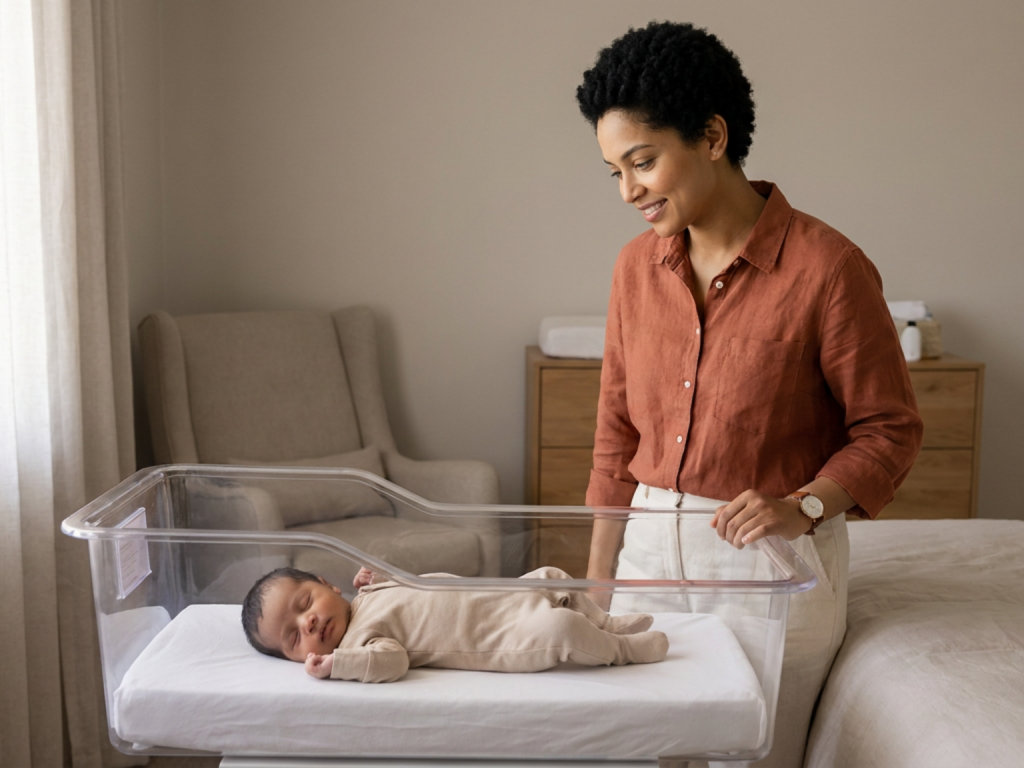
Most safe sleep recommendations are designed to lower the risk of sleep-related infant deaths, including sudden infant death syndrome, accidental suffocation, and entrapment. The core principles are simple but sometimes hard to maintain at 3 a.m.: place babies on their backs, use a firm, flat infant sleep surface, keep the sleep space free of soft items, and use a separate infant sleep surface in the same room when possible.
Highlights
The safest routine sleep position for infants is on the back, even for babies who spit up, unless a healthcare professional gives individualized guidance.
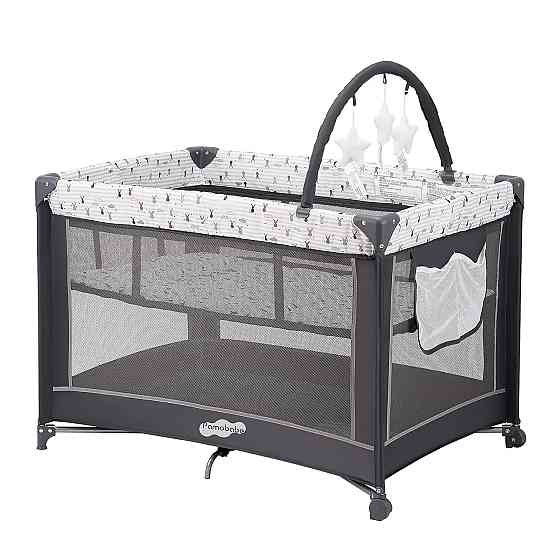
A crib, bassinet, or play yard should be firm, flat, and free of pillows, loose blankets, bumpers, toys, and sleep positioners.
Bed-sharing, sofa sleeping, and sleeping in adult chairs are higher-risk situations, especially when caregivers are very tired or using alcohol, sedating medication, or other substances.
Commercial products such as wedges, inclined sleepers, and home monitors should not be relied on to prevent sudden infant death syndrome.
Safe sleep is easier when the room is prepared before exhaustion peaks, especially around night feeds and early-morning wake-ups.
Mistake 1: Assuming side or tummy sleep is safer
One of the most persistent safe sleep myths is that babies who spit up should sleep on their side or stomach to reduce choking. For most healthy infants, back sleeping is still recommended. Babies have protective airway reflexes, and anatomy helps them manage small amounts of spit-up while lying on their backs. Stomach sleeping can make it harder for an infant to arouse, may increase rebreathing of exhaled carbon dioxide in some sleep environments, and is associated with higher risk of sudden infant death syndrome.
Side sleeping is also unstable. A baby placed on the side can roll onto the stomach before having the motor control to reposition safely. The safer default is to place the baby fully on the back for every sleep, including naps and overnight sleep. If your baby has a condition such as significant airway abnormality, neuromuscular disease, or complex gastroesophageal problems, ask the pediatrician or relevant specialist for individualized instructions rather than improvising a position at home.
Mistake 2: Adding soft bedding for comfort
Adults often associate comfort with softness, but infant sleep safety works differently. Pillows, quilts, loose blankets, stuffed animals, sheepskins, and padded nests can obstruct the nose and mouth or create pockets where exhaled air accumulates. A baby may not have the strength or coordination to move away from a soft object, especially in the first months of life.
The recommended safe infant sleep space is intentionally simple: a safety-approved crib, bassinet, or play yard with a firm mattress and a fitted sheet. Nothing else needs to be in the sleep area. If warmth is a concern, a wearable blanket or appropriately sized sleep sack is usually safer than a loose blanket. This is also why crib bumpers are not recommended; even breathable-looking or decorative bumpers can create suffocation, strangulation, or entrapment hazards.
- Use a fitted sheet designed for that mattress.
- Keep pillows, blankets, toys, and nursing pillows out of the sleep space.
- Do not use padded liners, bumpers, nests, or loungers for routine sleep.
- Check that there are no gaps where the baby could become trapped.
Mistake 3: Bed-sharing because it feels more convenient
Many families bring a baby into bed because feeding is frequent, recovery is painful, or everyone is desperate for sleep. That reality deserves compassion. Still, bed-sharing increases the risk of suffocation, entrapment, overheating, and overlay, especially on soft mattresses, couches, armchairs, or beds with pillows and loose blankets. Risk is higher when a caregiver is extremely sleep-deprived, has used alcohol, cannabis, opioids, sedating antihistamines, sleep medication, or other sedating medication, or when the infant was born preterm or with low birth weight.
Room-sharing without bed-sharing is a safer compromise for many families. Keeping the baby’s separate sleep surface near the adult bed can support breastfeeding, responsive soothing, and observation without placing the infant on an adult mattress. If you feed in bed because you are worried about falling asleep in a chair, prepare the bed as safely as possible for the feed by removing pillows, loose bedding, and soft objects, then return the baby to the separate infant sleep surface as soon as you are awake and finished feeding.
Mistake 4: Letting sitting devices become sleep spaces
Car seats, swings, bouncers, strollers, and infant carriers are designed for transport or supervised awake time, not routine unsupervised sleep. A baby’s head can slump forward in a semi-upright position, potentially narrowing the airway. Straps, padding, and the device angle may also create positional asphyxia risks, especially for younger infants who have limited head and neck control.
If a baby falls asleep in a car seat during travel, that is different from intentionally using the car seat as a crib. Once travel ends, move the baby to a firm, flat infant sleep surface as soon as practical. The same principle applies to swings and bouncers: they may soothe some babies when supervised, but they should not replace a crib, bassinet, or play yard for naps or overnight sleep.
Mistake 5: Trusting wedges, positioners, or inclined products
Reflux worries often lead families to elevate the head of the mattress or use wedges and positioners. This can seem logical from an adult perspective, but inclined sleep surfaces can allow babies to slide into unsafe positions or flex the neck in a way that compromises airflow. Positioners, rolls, and wedges can also become soft obstructions. For routine sleep, the sleep surface should be flat as well as firm.
It is understandable to want a tool that makes sleep feel safer or calmer. However, products marketed with medical-sounding language are not automatically protective. Home cardiorespiratory monitors, wearable oxygen monitors, and movement alarms should not be used as substitutes for safe sleep practices and are not recommended as a way to prevent sudden infant death syndrome. If your baby has a medical indication for monitoring, that plan should come from the baby’s healthcare team with clear instructions about what to do for alarms and abnormal readings.
Mistake 6: Overheating or overdressing the baby
Overheating during infant sleep is another common concern, especially when adults worry that a baby will be cold without blankets. Babies generally need only one more light layer than an adult would wear comfortably in the same room, though individual situations vary. Signs such as sweating, a hot chest, flushed skin, or damp hair can suggest that the baby is too warm. Cool hands and feet alone are not always a reliable sign that the whole body is cold.
Use close-fitting sleep clothing and consider a wearable blanket instead of loose bedding. Avoid covering the baby’s head indoors during sleep, because heat loss and temperature regulation are affected when the head is covered. If your baby has fever, prematurity, poor weight gain, or a medical condition affecting thermoregulation, ask your clinician for more specific guidance.
Mistake 7: Swaddling after rolling begins
Swaddling can calm some newborns, but it must be done carefully. A swaddle that is too loose can unravel and become loose bedding; a swaddle that is too tight around the hips can affect healthy hip positioning. The baby should always be placed on the back when swaddled. Swaddling should stop when the baby shows signs of attempting to roll, because a swaddled baby who rolls onto the stomach may not be able to use the arms to reposition.
If you use a swaddle, make sure it allows chest movement for breathing and room for the hips and knees to flex. Transitioning out of the swaddle can be frustrating for a few nights, but it is an important safety step. Sleep sacks that leave the arms free may be useful for some babies, but fit and age-appropriateness matter.
Mistake 8: Relying on supervision or monitors instead of the sleep environment
Checking on your baby is loving and appropriate, but supervision cannot reliably compensate for an unsafe sleep setup. Exhausted adults fall asleep unexpectedly, and monitor alarms may be delayed, inaccurate, misunderstood, or missed. The safest approach is to make the sleep environment protective before the baby is placed down, not after a concern appears.
A practical routine can help: before naps and bedtime, look at the sleep surface and ask whether it is back, flat, firm, separate, and clear. This quick check is especially useful during travel, when using hand-me-down equipment, or when another caregiver is helping. Grandparents, babysitters, and relatives may remember older guidance, so it can help to explain the current recommendations calmly and specifically.
When to get medical guidance urgently
- Call emergency services if your baby is blue, limp, not breathing normally, or difficult to wake.
- Seek urgent care for breathing pauses, repeated choking episodes, or concerning color change.
- Ask a pediatrician before using positioning changes for reflux, airway, or feeding concerns.
- Do not use sedating medication for infant sleep unless specifically directed by a clinician.
- Discuss safe sleep planning with a healthcare professional if your baby was born preterm or has complex medical needs.
Tools & Assistance
- Prepare a separate crib, bassinet, or play yard before nighttime feeds begin.
- Use a wearable blanket instead of loose bedding when extra warmth is needed.
- Share written safe sleep instructions with grandparents, babysitters, and childcare providers.
- Ask your pediatrician to review sleep questions during routine well-baby visits.
- Check product labels and recalls before using secondhand infant sleep equipment.
FAQ
What if my baby rolls onto the stomach independently?
Continue placing the baby on the back at the start of every sleep. If the baby can roll both ways independently and the sleep space is firm, flat, and clear, ask your pediatrician if you have concerns, but avoid using positioners to hold the baby in place.
Is a baby monitor enough to make bed-sharing safe?
No. Monitors do not remove hazards such as soft bedding, overlay, entrapment, or airway obstruction. Safe sleep practices remain the foundation.
Can I elevate the crib mattress for reflux?
Routine elevation is not recommended for infant sleep because inclined surfaces can create positioning risks. If reflux symptoms are severe, discuss feeding and medical management with your baby’s healthcare professional.
How can I keep my baby warm without blankets?
Use appropriate sleep clothing or a wearable blanket that fits well. Avoid loose blankets and check the baby’s chest or back of the neck for overheating rather than relying only on hand or foot temperature.
Are crib bumpers safe if they are mesh?
Crib bumpers are not recommended. Even products marketed as breathable or decorative can add unnecessary risk, and a clear sleep space is safer.
Sources
- National Institute of Child Health and Human Development — FAQs | Safe to Sleep®
- Johns Hopkins Medicine — Infant Safe Sleep
- UC Davis Health — Safe Sleep Myths
Disclaimer
This article is for general educational purposes and is not a substitute for medical advice, diagnosis, or treatment. Consult your baby’s pediatrician or another qualified healthcare professional for guidance specific to your child.













Please log in to leave a comment.