

Intro
Babies are curious, fast-developing, and physically vulnerable. A newborn who seems unable to move far can suddenly roll toward an edge; an older infant can mouth a tiny object in seconds. For parents and caregivers, this can feel intimidating, but safety is not about creating a perfect home. It is about reducing predictable risks with calm, consistent routines.
This article reviews common baby safety risks in medically practical terms: suffocation and unsafe sleep, falls, burns, choking, drowning, poisoning, car travel, and household hazards. It is not a substitute for individualized medical advice, especially if your baby was premature, has respiratory or neurologic conditions, uses medical equipment, or has had a recent injury.
Highlights
Most serious infant injuries occur during ordinary routines: sleeping, feeding, bathing, carrying, changing, and traveling.
Safe sleep practices reduce the risk of sleep-related suffocation and sudden unexpected infant death; babies should sleep on their backs on a firm, flat infant sleep surface.
Water, heat, small objects, cords, and raised surfaces deserve special attention because babies cannot protect themselves from these hazards.
Supervision matters, but the safest approach combines close supervision with environmental controls such as gates, cabinet locks, smoke alarms, and safe cribs.
If an injury, burn, choking episode, possible poisoning, or breathing concern occurs, seek urgent professional guidance rather than trying to manage uncertainty alone.
Why baby safety risks change so quickly
Infant safety is dynamic because neurodevelopment and motor skills change week by week. A baby may begin with reflexive movements, then develop rolling, grasping, sitting, crawling, pulling to stand, and cruising. Each milestone expands the radius of risk. A baby who could not reach a mug yesterday may grab it today; a baby placed in the middle of a bed may roll to the edge before an adult turns back.
Babies also explore orally. Mouthing is a normal sensory behavior, but it increases the chance of choking, aspiration, exposure to toxins, and ingestion of objects such as button batteries or small magnets. Their airway anatomy is small, their cough may be less effective, and they cannot reliably reposition themselves if their face is obstructed.
A helpful mindset is to assume the next skill may appear before you expect it. Safety checks are most effective when done before the milestone: lowering the crib mattress before pulling to stand, removing small objects before crawling, and securing furniture before climbing begins.
Sleep-related suffocation and unsafe sleep
Safe sleep is one of the most important areas of infant injury prevention. Babies should be placed on their backs for sleep, on a firm, flat infant sleep surface such as a safety-approved crib, bassinet, or play yard. The sleep space should be free of pillows, loose blankets, quilts, comforters, stuffed animals, bumper pads, and other soft items. These objects can obstruct the nose and mouth, contribute to rebreathing of exhaled air, or create entrapment hazards.
Room-sharing without bed-sharing is commonly recommended for young infants: the baby sleeps in the caregiver’s room, but on a separate infant sleep surface. Adult beds, couches, recliners, and armchairs are not designed for infant sleep and can create suffocation, wedging, and fall risks. Co-sleeping risks explained in clinical terms include airway obstruction by soft bedding, compression by an adult or sibling, and entrapment between a mattress and wall or furniture.
Overheating during infant sleep is another avoidable concern. Dress the baby appropriately for the room temperature and avoid covering the head. If swaddling is used, it should allow hip movement and should stop once the baby shows signs of rolling. Safe sleep basics for newborn care are simple but repetitive by design: back, firm, flat, clear, and separate.
Falls from everyday surfaces
Falls are common because infant movement is unpredictable. A baby can fall from a changing table, bed, sofa, chair, countertop, or caregiver’s arms. Even a short fall can cause head injury, particularly because infants have proportionally larger heads and developing motor control.
- Keep one hand on the baby during diaper changes, even when using a strap.
- Place supplies within reach before changing or dressing the baby.
- Use the floor for play and diaper changes if you are tired or distracted.
- Do not leave a baby unattended on a raised surface, even for a few seconds.
- Install safety gates at stairs before crawling begins, and use gates according to the manufacturer’s instructions.
Infant seats, bouncers, and carriers should be used only as directed. They should not be placed on tables, beds, or counters, and they are not substitutes for a crib or bassinet for routine sleep. If a baby falls and has loss of consciousness, repeated vomiting, seizure-like activity, abnormal sleepiness, a scalp swelling that is large or rapidly expanding, breathing changes, or unusual behavior, seek urgent medical care.
Choking, aspiration, and small-object hazards
Choking can occur with food, toy parts, household objects, balloons, coins, pen caps, beads, jewelry, and small batteries. Babies use their mouths to explore, and their airway can be obstructed by objects that seem harmless to adults. Button batteries and high-powered magnets are especially dangerous because they can cause severe internal injury if swallowed.
Choose age-appropriate toys and check labels for small parts. Inspect toys regularly for broken pieces. Keep older children’s toys away from infant play areas, especially small building pieces, marbles, toy accessories, and removable wheels. Avoid tying pacifiers, teething toys, or jewelry around a baby’s neck because cords and strings can create strangulation risk.
Feeding safety also matters. Babies should eat while seated and supervised, not while lying down, crawling, or riding in a car seat unless medically directed. Food texture should match developmental readiness. Caregivers should discuss introduction of solids, allergy concerns, reflux symptoms, swallowing difficulty, or poor weight gain with a pediatric clinician rather than using safety articles as feeding prescriptions.
Burns, scalds, and heat exposure
Infant skin is thinner than adult skin, so burns can occur faster and at lower temperatures. Hot drinks are a frequent scald hazard: coffee, tea, soup, and microwaved liquids can spill when a baby reaches, kicks, or is carried near a cup. Avoid holding a baby while drinking or preparing hot liquids, cooking at the stove, or carrying hot food.
Bath water should be checked before the baby is placed in it. A safe newborn bathing routine includes gathering supplies first, testing the water with your wrist or elbow, keeping the water comfortably warm rather than hot, and maintaining direct contact and attention throughout the bath. Baby bath safety basics also include draining the tub right away, keeping buckets empty, and never relying on bath seats as supervision devices.
Other heat risks include radiators, fireplaces, space heaters, hair straighteners, irons, and vehicle interiors. Keep cords out of reach so a baby cannot pull down an appliance. Use smoke alarms and carbon monoxide alarms, and make sure caregivers know an escape plan. If a burn occurs, cool the area with cool running water and seek medical advice for burns involving the face, hands, genitals, large areas, blistering, chemical exposure, electrical injury, or a very young infant.
Drowning risks in baths, toilets, buckets, and pools
Drowning can happen quickly and quietly, and it does not require deep water. Infants have limited head and trunk control; if they slip face-first into water, they may not be able to lift themselves. The highest-risk moments are ordinary ones: turning to get a towel, answering a phone, helping another child, or assuming a bath seat provides protection.
- Stay within arm’s reach whenever a baby is in or near water.
- Do not leave an infant in the bath under the supervision of another young child.
- Empty tubs, buckets, basins, and paddling pools immediately after use.
- Keep bathroom doors closed and toilet lids down when possible.
- Use appropriate fencing and locked gates around pools and outdoor water hazards.
If a baby has a submersion event, persistent coughing, breathing difficulty, color change, unusual sleepiness, or altered responsiveness, seek urgent medical assessment. Symptoms after water aspiration can evolve, and reassurance should come from a qualified professional.
Poisoning, medications, and household chemicals
Poisoning prevention begins before a baby can crawl. Medications, vitamins, cleaning products, laundry capsules, essential oils, alcohol, nicotine products, cannabis products, pesticides, and cosmetics should be stored locked, high, and out of sight. Child-resistant packaging helps but is not child-proof.
Be especially careful with visitors’ bags, diaper bags, coat pockets, and bedside tables. Many accidental ingestions happen when a medication is not in its usual storage place. Avoid referring to medicine as candy, and use dosing devices supplied for the medication rather than kitchen spoons. Do not give over-the-counter medicines, herbal remedies, or supplements to a baby unless a healthcare professional has advised that they are appropriate.
If you suspect poisoning, ingestion of a button battery or magnet, exposure to a toxic substance, or an incorrect medication dose, contact local poison control or emergency services immediately. Do not induce vomiting or give food or drink unless instructed by a professional.
Car seats, outdoor safety, and equipment hazards
A correctly used, rear-facing car seat is essential for every trip, including short rides. The seat should match the baby’s age, weight, and height and should be installed according to both the car-seat manual and vehicle manual. Harness straps should be snug, with the chest clip positioned as directed by the manufacturer. Bulky coats can prevent a secure harness fit; use thin layers and blankets over the harness if needed.
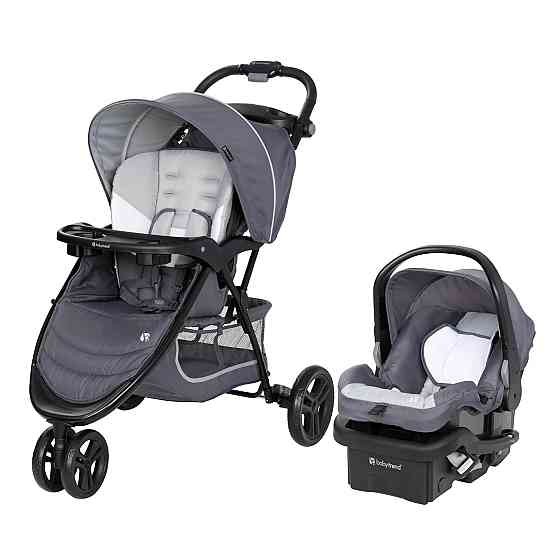
Car seats are for travel, not routine sleep outside the vehicle. If a baby falls asleep in a car seat, move them to a firm, flat sleep surface when feasible and safe to do so. Strollers, carriers, swings, and slings should be used with attention to airway position; the baby’s face should remain visible, the chin should not be pressed tightly to the chest, and breathing should be unobstructed.
At home, check for furniture tip-over risks, dangling blind cords, loose crib hardware, drop-side crib hazards, and gaps where a baby could become trapped. Use cribs and playpens that meet current safety standards, and keep cords from monitors, blinds, and chargers away from the sleep area. Entrapment and strangulation risks are often silent, so prevention is more reliable than detection.
Building a realistic safety routine
Safety routines work best when they are simple enough to follow during exhaustion. New caregivers may be sleep-deprived, recovering from birth, managing feeding challenges, or caring for more than one child. A compassionate safety plan recognizes that fatigue is itself a risk factor.
Consider a short daily scan: sleep space clear, small objects off the floor, medicines locked, hot drinks away from baby, water emptied, cords secured, and car seat ready. Ask other caregivers to follow the same rules, including grandparents, babysitters, and visitors. Consistency reduces confusion and helps everyone respond automatically.
Also keep emergency information visible: local emergency number, poison control number, pediatric practice contact, medication list if relevant, and the baby’s medical conditions or allergies. Infant CPR and choking first aid training can increase caregiver confidence, but training does not replace emergency medical care when a baby has serious symptoms.
Seek urgent help for these warning situations
- Any baby with breathing difficulty, blue or gray color, limpness, seizure-like activity, or unresponsiveness needs emergency care.
- After a fall, urgent assessment is needed for loss of consciousness, repeated vomiting, abnormal behavior, or concerning head swelling.
- Possible ingestion of a button battery, magnet, medication, chemical, or unknown substance should be treated as urgent.
- Burns involving the face, hands, genitals, large areas, blistering, chemicals, electricity, or a young infant need medical advice.
- Any submersion event with coughing, breathing changes, color change, or unusual sleepiness warrants prompt professional evaluation.
Tools & Assistance
- Pediatrician or family doctor for individualized safety advice and developmental questions
- Local poison control center for suspected ingestion or toxic exposure
- Emergency medical services for breathing problems, severe injury, submersion, or altered responsiveness
- Certified child passenger safety technician for car-seat installation checks
- Infant CPR and choking first aid course from a reputable local provider
FAQ
Can a newborn really fall if they cannot roll yet?
Yes. Newborn movements can be sudden and reflexive, and rolling may appear unexpectedly. Never leave a baby unattended on a bed, sofa, changing table, or other raised surface.
Are pillows, blankets, or stuffed animals safe in a baby’s crib?
No for routine infant sleep. A baby’s sleep space should be firm, flat, and clear of soft items or loose bedding to reduce suffocation and entrapment risk.
Is a bath seat a substitute for holding or watching the baby?
No. Bath seats can tip or allow a baby to slip. Keep the baby within arm’s reach and give bath time your full attention.
What should I do if my baby may have swallowed medicine or a small battery?
Contact poison control or emergency services immediately. Do not wait for symptoms, and do not induce vomiting unless a professional instructs you to do so.
How often should I update babyproofing?
Review the home before each new motor milestone, such as rolling, crawling, pulling to stand, and climbing. It is safer to prepare before the skill fully appears.
Sources
- HealthyChildren.org / American Academy of Pediatrics — Safety for Your Child: Birth to 6 Months
- Nationwide Children's Hospital — Home Safety for Infants and Toddlers
- Better Health Channel — Babies and safety
Disclaimer
This article is for general educational purposes only and does not replace medical advice, diagnosis, or treatment. Consult a qualified healthcare professional or emergency service for concerns about your baby’s safety, symptoms, injury, or exposure.













Please log in to leave a comment.