
Intro
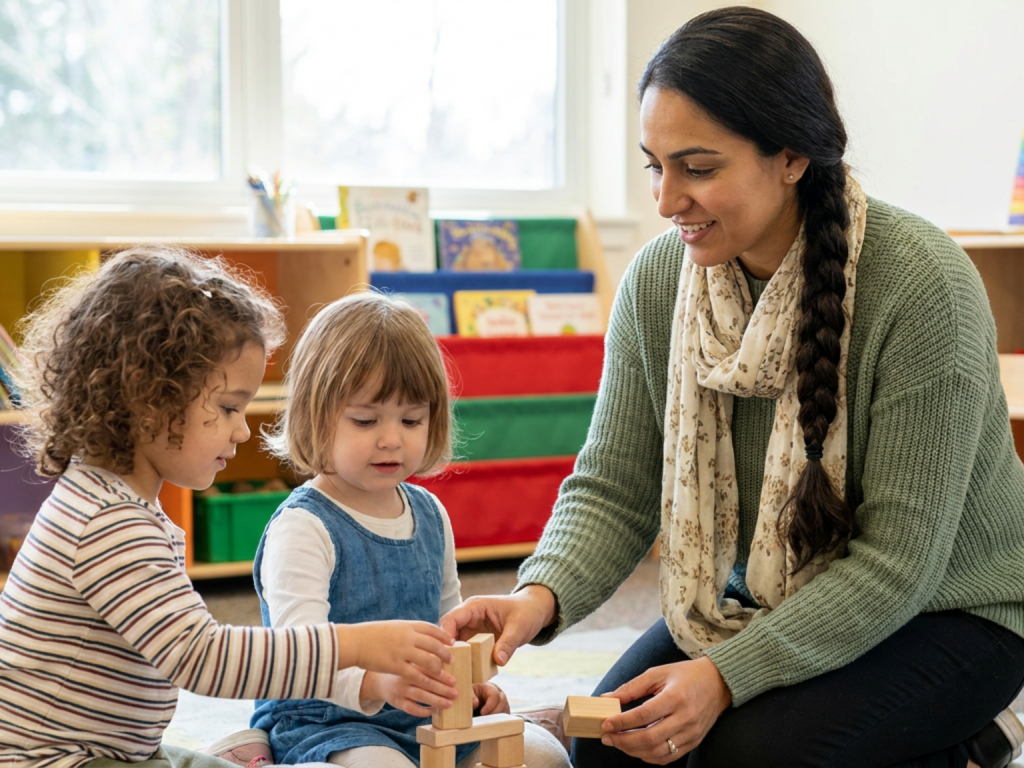
Teaching respect to children is not about demanding instant obedience or making a child afraid to speak. Respect develops through repeated relational experiences: being listened to, seeing adults manage conflict with dignity, practicing empathy, and learning that other people have boundaries, needs, and feelings. For parents and caregivers, this can feel especially challenging when a child is impulsive, tired, neurodevelopmentally immature, or emotionally dysregulated.
Highlights
Children learn respect most powerfully by watching how adults treat them and others, especially during stress or disagreement.
Respect is developmentally learned; toddlers, preschoolers, school-age children, and adolescents need different expectations and teaching methods.
Firm limits and warmth can coexist. A respectful home is not permissive, but it does avoid humiliation, fear, and intimidation.
Persistent disrespect may reflect unmet needs, stress, sleep problems, anxiety, learning difficulties, neurodevelopmental differences, or family conflict, so professional guidance can be helpful.
What respect really means for children
Respect means recognizing that people have dignity, feelings, bodies, belongings, boundaries, and perspectives. For a young child, that may look like waiting for a turn, using a calm voice, asking before taking a toy, saying “please” and “thank you,” or listening when someone says “stop.” For an older child, respect may include privacy, honest communication, accountability, and disagreement without contempt.
It is helpful to separate respect from fear. A child who is silent because they fear punishment may look “respectful” in the moment, but that silence does not necessarily indicate empathy, internalized values, or emotional regulation. Healthy respect grows when children experience both connection and limits. They need to know that adults will protect boundaries, but also that mistakes can be repaired.
Michigan State University Extension emphasizes that children learn respect by observing adults and by being treated respectfully themselves. This is consistent with basic developmental science: children’s social learning is shaped by modeling, reinforcement, attachment relationships, and repeated practice in emotionally meaningful situations.
Start with modeling respectful behavior
Modeling respectful behavior is the foundation. Children closely observe how adults speak to servers, teachers, relatives, partners, strangers, and the child themselves. They also notice whether adults apologize, interrupt, mock, shout, or dismiss others. This does not mean parents must be perfect. In fact, repair conversations after conflict can be one of the most powerful ways to teach respect.
Examples of respectful language with children include: “I’m listening,” “I won’t let you hit,” “You’re allowed to be upset, and I’m going to help you say it safely,” and “I was too harsh earlier; I’m sorry.” These phrases combine emotional validation with boundaries.
Respectful modeling also includes bodily autonomy. Asking before hugging, accepting a child’s “no” to nonessential touch, and teaching them to respect others’ physical boundaries can support safety and consent education. This does not remove necessary caregiving, such as medical care, hygiene, or car-seat safety, but it helps children understand that bodies deserve care and boundaries.
Use developmentally realistic expectations
Respect looks different at different ages because the brain systems involved in impulse control, perspective-taking, language, and emotional regulation mature gradually. The prefrontal cortex, which supports inhibition, planning, and flexible thinking, continues developing through childhood and adolescence. Young children may understand a rule but still struggle to follow it when tired, hungry, overstimulated, or frustrated.
For toddlers and preschoolers, teaching respect should be concrete and repetitive. Use short phrases such as “gentle hands,” “ask first,” “one person talks at a time,” or “we don’t hurt people.” Stories, role play, puppets, and practice during calm moments are often more effective than long explanations during a meltdown.
School-age children can begin to understand motives, fairness, and the impact of words. They can help create family rules, practice apologies, and discuss how actions affect others. Adolescents need respect for their growing autonomy, privacy, and identity, while still needing clear expectations about safety, honesty, and how family members treat one another.
Teach respect through routines, manners, and empathy
Respect becomes easier when it is embedded in daily routines rather than saved for lectures after misbehavior. Manners are not superficial when taught with meaning; they are social tools that help children acknowledge others. Saying “excuse me,” greeting people, thanking someone, and waiting briefly before interrupting all teach social reciprocity.
Practical ways to build respect include:
- Define respect in simple language: “Respect means treating people, places, and things as if they matter.”
- Read books or tell stories in which characters show kindness, repair harm, or learn from mistakes.
- Point out respectful actions when they happen: “You waited while I finished speaking. That was considerate.”
- Teach differences without ranking people. Discuss culture, disability, family structure, language, age, and preferences with curiosity and dignity.
- Practice perspective-taking: “How do you think your friend felt when the tower was knocked down?”
Children also need opportunities to contribute. Age-appropriate chores, caring for shared spaces, helping set the table, or writing a thank-you note can teach that respect includes responsibility toward a community, not just polite words.
Responding to disrespect without escalating shame
When a child is rude, sarcastic, aggressive, or defiant, many parents feel hurt or embarrassed. It is natural to want the behavior to stop immediately. The challenge is to intervene firmly without turning the moment into a power struggle or identity label such as “You are disrespectful.” Children learn better when adults name the behavior, set a limit, and teach the replacement skill.
A respectful discipline strategy might sound like: “I won’t let you call me names. You can say, ‘I’m angry because I wanted more time.’ Try again.” This approach protects the boundary while preserving the child’s dignity. If the child is highly dysregulated, the first goal may be safety and co-regulation, not a moral lesson. Later, when the nervous system is calmer, the child can reflect, apologize, or repair.
Logical consequences can be useful when they are related, reasonable, and respectful. For example, a child who throws game pieces may need to pause the game and help collect the pieces before trying again. A child who sends a hurtful message may need support writing a repair message and taking a break from the device. The goal is learning accountability, not humiliation.
Respect includes communication, not forced agreement
A respectful child is not a child who never disagrees. In healthy families, children can learn to challenge ideas, express preferences, and negotiate appropriately. This is especially important for adolescents, who are practicing autonomy and identity formation. The boundary is not “You must agree with me”; it is “We can disagree without insults, threats, or contempt.”
Parents can teach scripts such as “I see it differently,” “Can I explain my side?” or “I need a minute before I answer.” These phrases help children replace eye-rolling, yelling, or withdrawal with communication. Adults can also model curiosity: “Tell me what feels unfair,” or “What would be a respectful way to solve this?”
Family meetings can support this process. A brief weekly check-in allows children to raise concerns, plan responsibilities, and practice listening. Keep meetings short and concrete. For younger children, use visual charts or simple choices. For older children, include collaborative problem-solving while maintaining nonnegotiable safety limits.
When disrespect may signal something deeper
Occasional rudeness, impulsivity, or boundary testing is common in childhood. However, persistent or escalating disrespect can sometimes be a signal of stress, skill deficits, or health-related concerns. Sleep deprivation, hunger, chronic pain, bullying, academic struggles, anxiety, trauma exposure, sensory overload, family conflict, and neurodevelopmental differences can all affect behavior and emotional control.
This does not mean parents should diagnose a child based on disrespectful behavior. It means the behavior deserves context. If a child’s aggression, defiance, irritability, withdrawal, or school problems are intense, prolonged, or impairing daily life, consider consulting a pediatrician, school psychologist, licensed child therapist, or other qualified healthcare professional. They can help assess whether medical, developmental, educational, or psychosocial factors are contributing.
Parents also deserve support. Caregiver stress, depression, anxiety, trauma history, or burnout can make calm consistency much harder. Seeking help is not a failure; it is a protective step for the whole family system.
Building a respectful family culture
Respect becomes sustainable when it is part of the family culture. This includes predictable routines, clear expectations, emotional safety, and repair after mistakes. Children need to hear that everyone in the home deserves dignity, including siblings, parents, grandparents, caregivers, and the child themselves.
Consider creating a short family respect statement with three to five concrete rules, such as: “We use safe hands,” “We ask before using someone’s things,” “We listen without mocking,” “We repair when we hurt someone,” and “We tell the truth even when it is hard.” Keep the language positive and behavioral.
Finally, notice growth. Respect is not built only by correcting problems; it is strengthened by recognizing effort. When a child pauses before interrupting, apologizes without prompting, includes someone who feels left out, or tells the truth after a mistake, name it. Specific recognition helps the child form an internal identity: “I am someone who can treat people well, even when feelings are big.”
When to seek extra help
- Seek urgent professional help if a child threatens serious harm to themselves or others.
- Consult a healthcare professional if aggression, severe defiance, or emotional dysregulation is frequent, escalating, or impairing school or family life.
- Consider medical review if behavior changes occur alongside sleep problems, pain, appetite changes, regression, or sudden mood changes.
- Do not use humiliation, physical punishment, or intimidation as a teaching strategy; these can worsen fear and dysregulation.
- If family conflict feels unsafe or unmanageable, reach out to a qualified mental health professional or local crisis resource.
Tools & Assistance
- Create three to five concrete family rules for respectful behavior.
- Use short scripts during conflict, then discuss and repair when everyone is calm.
- Read children’s books that show empathy, differences, apology, and problem-solving.
- Ask teachers or childcare providers what respectful behavior looks like in that setting.
- Consult a pediatrician, school psychologist, or licensed child therapist when behavior is persistent or concerning.
FAQ
At what age can children learn respect?
Children begin learning respect in infancy through responsive caregiving, but expectations must be age-appropriate. Toddlers need simple rules and repetition; older children can discuss empathy, fairness, and accountability.
Is respect the same as obedience?
No. Obedience is following instructions; respect is recognizing dignity, boundaries, and impact. A child can learn to disagree respectfully while still following safety rules.
What should I do when my child talks back?
Stay calm if possible, set a clear limit on hurtful language, and offer a replacement phrase. Later, discuss what happened and how the child can repair any harm.
Should parents apologize to children?
Yes, when appropriate. A sincere adult apology models accountability and shows that respect applies to everyone, not only children.
When is disrespect a sign of a bigger problem?
If it is severe, persistent, sudden, aggressive, or associated with impairment at home or school, consult a qualified professional to explore medical, developmental, educational, or emotional contributors.
Sources
- Michigan State University Extension — Teaching respect to preschoolers can help build character
- Brightwheel — Teaching Children the Importance of Respect
- PubMed — PubMed search: teaching respect children
Disclaimer
This article is for educational purposes only and is not a diagnosis or treatment plan. Consult a qualified healthcare professional for concerns about a child’s behavior, development, safety, or mental health.

















Please log in to leave a comment.