
Intro
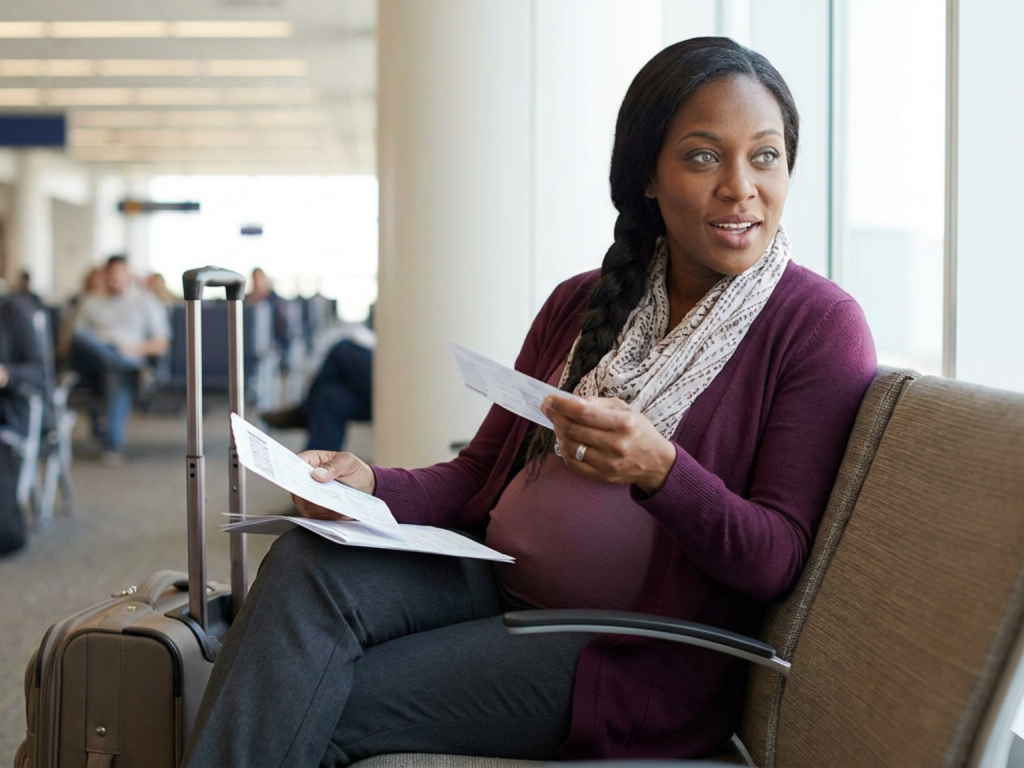
Many pregnant people hear warnings that air travel can trigger miscarriage, early labor, or other serious problems. That fear is understandable: pregnancy already involves careful decision-making, and being far from home or a familiar maternity unit can feel unsettling. The reassuring, evidence-based answer is that for most people with an uncomplicated pregnancy, occasional flying is not inherently dangerous.
The myth contains a small kernel of practical caution, not because aircraft cabins are uniquely harmful, but because pregnancy changes the body’s physiology and because some medical or obstetric complications can make travel riskier. The safest approach is individualized: consider gestational age, pregnancy history, current symptoms, destination, flight length, airline rules, and advice from your obstetric clinician or midwife.
Highlights
In an uncomplicated pregnancy, occasional air travel is generally considered safe by major obstetric organizations.
There is no good evidence that flying itself causes miscarriage, preterm labor, or rupture of membranes in otherwise uncomplicated pregnancies.
The main concerns are practical and medical: venous thromboembolism risk on longer flights, turbulence-related injury, access to care, and existing pregnancy complications.
Most airlines restrict travel late in pregnancy, commonly around 36 weeks for uncomplicated singleton pregnancies, but policies vary.
A pre-travel discussion with a healthcare professional is especially important if you have bleeding, hypertension, placenta problems, multiple pregnancy, prior preterm birth, or significant medical disease.
The short answer: flying is usually safe in uncomplicated pregnancy
For most pregnant people without obstetric or medical complications, occasional commercial air travel is considered safe. This position is supported by the American College of Obstetricians and Gynecologists, the Mayo Clinic, and the Royal College of Obstetricians and Gynaecologists. The common statement that “pregnant people should not fly” is therefore too broad and often misleading.
The key phrase is uncomplicated pregnancy. If pregnancy is progressing normally, the aircraft cabin environment is not known to cause miscarriage, premature labor, or the waters breaking. Commercial aircraft are pressurized, and while cabin oxygen levels are slightly lower than at sea level, healthy pregnant travelers generally tolerate this well.
However, “safe” does not mean “risk-free for everyone.” Pregnancy increases baseline risk for certain problems, such as venous thromboembolism, and travel can delay access to urgent obstetric care. That is why guidance tends to emphasize individualized assessment rather than a universal ban.
Where the myth came from: real cautions became exaggerated
The myth likely persists because late pregnancy can be unpredictable. Labor can begin earlier than expected, complications can arise, and being on a plane is an inconvenient place to need medical care. Airlines also set gestational age limits, which can make flying seem medically forbidden rather than operationally restricted.
Another reason is confusion between different types of flying. Occasional commercial air travel is not the same as frequent occupational flying, high-altitude unpressurized flight, or repeated long-haul travel. Cabin crew, pilots, and very frequent flyers may need more specific occupational advice, particularly regarding cumulative cosmic radiation exposure and scheduling.
In everyday terms, the evidence does not support the idea that a single flight in a healthy pregnancy is inherently dangerous. The more accurate message is: flying is usually acceptable, but timing, maternal health, pregnancy complications, and access to care matter.
What happens in the aircraft cabin
Commercial aircraft cabins are pressurized, but not to sea-level pressure. The relative reduction in oxygen saturation is usually mild and well tolerated by healthy pregnant travelers. If someone has significant cardiopulmonary disease, severe anemia, sickle cell disease, or other conditions that affect oxygen delivery, flying may require specialist input.
Cosmic radiation exposure is another common concern. For occasional travelers, exposure during commercial flights is generally considered very low and not a reason to avoid flying in an otherwise uncomplicated pregnancy. The issue becomes more relevant for people who fly very frequently or as part of their job, where cumulative exposure can be higher.
Turbulence is a more immediate safety issue than cabin pressure for most travelers. Turbulence does not specifically target pregnancy, but falls or abdominal trauma can be harmful. Wearing the seat belt low across the hips and pelvis, below the abdomen, whenever seated is a simple and important precaution.
Gestational age: when timing becomes important
The second trimester is often the most comfortable time to travel. Nausea and fatigue may have improved, and the likelihood of spontaneous labor is usually lower than in the final weeks. That said, many people fly in the first or early third trimester without difficulty when pregnancy is uncomplicated.
Airline policies commonly become restrictive late in pregnancy. Many airlines allow travel until around 36 weeks for an uncomplicated singleton pregnancy, but rules differ by airline, route, country, and whether the pregnancy is multiple. Some airlines require a medical letter after a certain gestational age.
The medical concern late in pregnancy is less that flying causes labor and more that labor, hypertension, bleeding, or another urgent issue could occur far from planned care. If you are near term, traveling to a destination with limited obstetric services, or taking a long international flight, the practical risk rises.
Blood clots: the risk that deserves attention
Pregnancy is a hypercoagulable state, meaning the blood is naturally more prone to clotting. This adaptation helps reduce bleeding around childbirth, but it also increases the risk of deep vein thrombosis and pulmonary embolism. Long periods of immobility, including on long flights, can add to that risk.
Most healthy pregnant travelers can reduce risk with basic measures. These include walking periodically when safe, flexing and extending the ankles while seated, staying well hydrated, avoiding restrictive clothing around the legs or waist, and choosing an aisle seat when possible. Graduated compression stockings may be recommended for some travelers, particularly on longer flights, but fit and appropriateness should be discussed with a clinician.
Some people have substantially higher clot risk, such as those with a previous venous thromboembolism, known thrombophilia, recent surgery, severe obesity, prolonged immobilization, certain medical conditions, or multiple risk factors. These situations require individualized medical advice before travel.
When flying may not be advisable
A clinician may advise postponing or avoiding air travel if there is a significant risk that urgent care could be needed during the trip. This does not mean the plane itself is the cause of danger; rather, travel can complicate management if symptoms worsen away from home.
- Vaginal bleeding, suspected rupture of membranes, or unexplained abdominal pain
- Signs or history of preterm labor, especially with cervical shortening or contractions
- Placenta previa or other placental problems associated with bleeding risk
- Preeclampsia, gestational hypertension, or poorly controlled chronic hypertension
- Severe anemia, significant heart or lung disease, or conditions affecting oxygenation
- Multiple pregnancy, particularly later in gestation or with complications
- Fetal growth restriction or other concerns requiring close monitoring
This list is not exhaustive. If you are being followed more closely than routine prenatal care, or if your clinician has mentioned “high-risk pregnancy,” ask specifically whether flying is appropriate for your situation.
Practical steps before booking and boarding
Before booking, check both medical and logistical details. Confirm your gestational age on the travel dates, the length of the flight, the availability of maternity care at the destination, and travel insurance coverage for pregnancy-related care. If crossing borders, read the airline’s pregnancy policy carefully and carry any required documentation.
A pre-travel conversation with your obstetric clinician or midwife can be brief but valuable. Ask whether your pregnancy has any features that change travel advice, whether compression stockings are appropriate, what symptoms should prompt urgent care, and whether you need copies of prenatal records. If you take medications, carry them in hand luggage rather than checked baggage.
On the flight, wear the seat belt low over the pelvis, choose an aisle seat if possible, move your legs regularly, drink fluids, and avoid sitting motionless for long stretches. If you feel dizzy, short of breath beyond what is usual for you, develop chest pain, calf swelling, contractions, bleeding, or fluid leakage, seek medical help promptly.
Emotional reassurance without dismissing your concerns
It is completely reasonable to feel anxious about flying while pregnant. Pregnancy can make ordinary activities feel newly high-stakes, and online stories often highlight rare emergencies rather than typical outcomes. A supportive approach is not to dismiss fear, but to replace vague alarm with a clear plan.
If your pregnancy is uncomplicated and your clinician has no concerns, flying is usually a reasonable option. If you do have risk factors, that does not automatically mean travel is impossible; it means your decision should be more individualized. Sometimes changing the travel date, choosing a shorter route, staying closer to medical care, or postponing the trip is the safest and least stressful choice.
The myth says, “Flying is dangerous during pregnancy.” The evidence-based version says, “Flying is usually safe in uncomplicated pregnancy, but some situations require caution.” That distinction gives you room to make a decision based on your health, your pregnancy, and your support system.
Seek medical advice urgently if any warning signs occur
- Vaginal bleeding, fluid leakage, or suspected rupture of membranes before or during travel
- Regular painful contractions, pelvic pressure, or symptoms suggesting preterm labor
- Chest pain, sudden shortness of breath, fainting, or coughing blood
- One-sided calf swelling, redness, warmth, or significant leg pain
- Severe headache, visual symptoms, upper abdominal pain, or sudden swelling suggestive of hypertensive disease
- Reduced fetal movements after the stage when movements are usually monitored
Tools & Assistance
- Schedule a pre-travel review with your obstetrician, midwife, or maternal-fetal medicine specialist
- Check the airline’s pregnancy policy and documentation requirements before booking
- Carry a concise prenatal record, medication list, blood type, and emergency contact details
- Identify maternity services near your destination before departure
- Review travel insurance coverage for pregnancy-related care and neonatal care
FAQ
Can flying cause miscarriage?
In an uncomplicated pregnancy, there is no evidence that commercial flying itself causes miscarriage. If you have bleeding, pain, or a history of recurrent pregnancy loss, ask your clinician for individualized advice.
Is it safe to fly in the first trimester?
For many people with uncomplicated pregnancies, flying in the first trimester is acceptable. Nausea, fatigue, and miscarriage anxiety can make it uncomfortable, so discussing personal risk factors with a healthcare professional is sensible.
When should I stop flying during pregnancy?
Many airlines restrict travel around 36 weeks for uncomplicated singleton pregnancies, and earlier for some multiple pregnancies or complicated pregnancies. Medical advice and airline rules may differ, so check both.
Do I need compression stockings for a flight?
They may be helpful on longer flights or if you have clotting risk factors, but they should be properly fitted. Ask your clinician whether they are appropriate for you.
Is airport security screening harmful in pregnancy?
Routine airport screening is generally considered safe for pregnant travelers. If you have concerns, you can ask security staff about available screening options.
Sources
- American College of Obstetricians and Gynecologists — Air Travel During Pregnancy
- Mayo Clinic — Air travel during pregnancy: Is it safe?
- Royal College of Obstetricians and Gynaecologists — Air travel and pregnancy
Disclaimer
This article is for informational purposes only and does not replace medical advice. Always consult your obstetrician, midwife, or qualified healthcare professional about travel decisions during pregnancy.


















Please log in to leave a comment.