
Intro
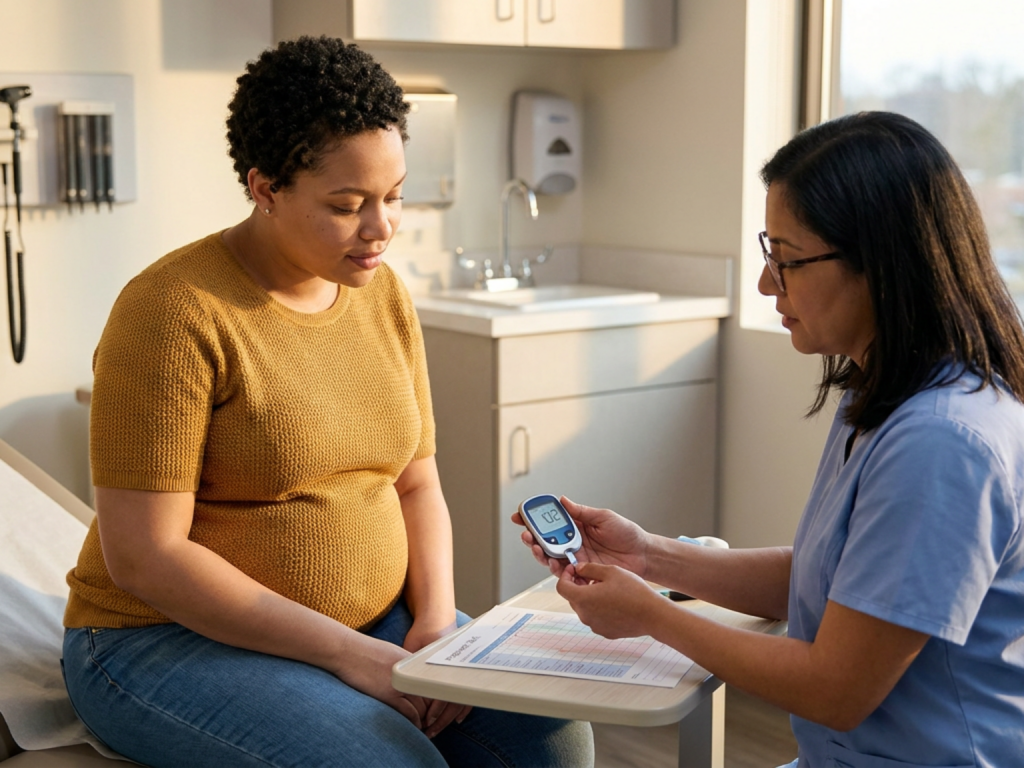
Pregnancy with diabetes can feel like carrying two responsibilities at once: supporting a developing baby while also managing a complex metabolic condition. Whether diabetes was present before conception or develops for the first time in pregnancy, careful monitoring and timely care can greatly reduce risks for both the pregnant person and the baby.
Gestational diabetes mellitus is one of the most common medical complications of pregnancy. It is usually detected through screening in mid-pregnancy, but the physiologic changes behind it begin earlier: placental hormones increase insulin resistance, and in some people the pancreas cannot produce enough insulin to maintain normal glucose levels. The good news is that with coordinated prenatal care, nutrition support, physical activity when appropriate, glucose monitoring, and medication if needed, many people with diabetes in pregnancy have healthy pregnancies and births.
Highlights
Diabetes in pregnancy includes pre-existing type 1 or type 2 diabetes and gestational diabetes first recognized during pregnancy.
Gestational diabetes is often related to normal pregnancy-induced insulin resistance, but risk is higher with factors such as higher body mass index, previous gestational diabetes, family history of diabetes, and certain obstetric histories.
Screening, glucose monitoring, nutrition planning, and follow-up after birth are central parts of care.
Untreated or poorly controlled hyperglycemia can increase risks such as fetal overgrowth, birth complications, neonatal hypoglycemia, preeclampsia, and later type 2 diabetes.
Understanding diabetes in pregnancy
Diabetes in pregnancy is not a single condition. It includes people who enter pregnancy with established type 1 diabetes, type 2 diabetes, or other forms of diabetes, as well as those who develop hyperglycemia first recognized during pregnancy. Gestational diabetes mellitus, often abbreviated GDM, generally refers to glucose intolerance diagnosed in pregnancy that was not clearly overt diabetes before pregnancy.
The distinction matters because risks and care pathways can differ. Pre-existing diabetes is present during the earliest stages of fetal development, so preconception planning and early pregnancy glucose control are especially important. Gestational diabetes is commonly diagnosed later, often between 24 and 28 weeks, when placental hormone effects on insulin resistance become more pronounced. However, some people are tested earlier if they have significant risk factors or signs suggesting previously unrecognized diabetes.
A supportive way to view diabetes in pregnancy is not as a personal failure but as a metabolic mismatch: pregnancy increases insulin demand, and the body may not be able to meet it. Treatment is designed to reduce that mismatch and protect both maternal and fetal health.
Why gestational diabetes develops
During pregnancy, the placenta produces hormones that help sustain fetal growth. These same hormones can make maternal tissues less responsive to insulin. This insulin resistance ensures that more glucose remains available in the bloodstream for placental transfer, but it also means the pancreas must produce more insulin to keep maternal glucose in a healthy range.
When pancreatic beta cells cannot compensate adequately, blood glucose rises. This may lead to gestational diabetes. The condition typically becomes more apparent in the second half of pregnancy, although insulin resistance can begin earlier. Elevated glucose crosses the placenta and stimulates the fetal pancreas to produce more insulin. Fetal insulin acts as a growth-promoting hormone, which is why untreated hyperglycemia can contribute to excessive fetal growth.
Gestational diabetes often improves after the placenta is delivered, but it is not simply a temporary issue to forget. It is a strong marker of future metabolic risk, especially type 2 diabetes, and it can recur in later pregnancies.
Risk factors for gestational diabetes
Anyone can develop gestational diabetes, including people who eat carefully and were previously healthy. Still, some factors increase the probability and may lead clinicians to recommend earlier or more focused screening.
- Previous gestational diabetes: A prior GDM diagnosis is one of the strongest predictors of recurrence.
- Higher pre-pregnancy body mass index: Increased adiposity is associated with baseline insulin resistance, which pregnancy can amplify.
- Family history of type 2 diabetes: Genetic and shared environmental factors can influence insulin secretion and insulin resistance.
- Previous birth of a large-for-gestational-age infant: This may suggest unrecognized hyperglycemia in a prior pregnancy.
- Polycystic ovary syndrome: PCOS is often associated with insulin resistance.
- Advanced maternal age: Risk tends to rise with age, partly due to changes in insulin sensitivity and beta-cell reserve.
- Certain racial or ethnic backgrounds: Population-level risk varies, although individual risk should always be assessed without assumptions or stigma.
Risk factors are useful for planning, not for blame. Many people with several risk factors never develop GDM, and some with no obvious risk factors do. This is why many guidelines and health systems support broad or universal screening during pregnancy.
Screening and diagnosis: what to expect
Screening practices vary by country, guideline, and clinic, but many pregnant people are screened between 24 and 28 weeks of gestation. Some are screened earlier if they have a history of diabetes in pregnancy, marked risk factors, glucose in the urine, symptoms of hyperglycemia, or concerns that type 2 diabetes may have been present before pregnancy.
Testing usually involves an oral glucose challenge or oral glucose tolerance test. In a one-step approach, a fasting blood glucose is taken, a measured glucose drink is consumed, and blood glucose is checked at set intervals. In a two-step approach, an initial non-fasting screening test may be followed by a longer diagnostic test if the first result is elevated. Your care team will explain which method is used locally and what preparation is needed.
It is important not to interpret a single number in isolation without professional guidance. Diagnostic thresholds differ between protocols, and clinical context matters. If results are abnormal, the next step is usually not panic but a structured plan: diabetes education, nutrition counseling, home glucose monitoring, and review of whether medication may be needed.
Potential risks for the pregnant person and baby
The purpose of diagnosing and treating diabetes in pregnancy is to lower the chance of complications. Risks are influenced by the degree and duration of hyperglycemia, other medical conditions, access to care, and whether glucose targets can be achieved safely.
For the pregnant person, diabetes in pregnancy may increase the risk of hypertensive disorders such as preeclampsia, cesarean birth, birth trauma, and progression or future development of type 2 diabetes. People with pre-existing diabetes may also need monitoring for diabetes-related complications, such as kidney or eye disease, because pregnancy can affect these conditions.
For the fetus and newborn, possible risks include large-for-gestational-age growth, shoulder dystocia during birth, preterm birth, neonatal hypoglycemia after delivery, respiratory distress, jaundice, and admission to neonatal care. In pre-existing diabetes, especially if glucose is significantly elevated around conception and early pregnancy, there is also a higher risk of congenital anomalies and pregnancy loss.
These risks can sound frightening, but they are not certainties. The reason clinicians monitor glucose, fetal growth, blood pressure, and overall wellbeing is to identify problems early and intervene when needed.
Management principles during pregnancy
Management is individualized. It usually begins with education about glucose patterns, nutrition, physical activity, and self-monitoring. Many people with gestational diabetes can meet glucose goals with lifestyle measures, while others need medication. Needing medication does not mean someone has failed; it means the placenta-driven insulin resistance is stronger than lifestyle measures alone can overcome.
- Glucose monitoring: Many care plans include checking fasting glucose and post-meal values. The exact timing and targets should come from the healthcare team.
- Medical nutrition therapy: A balanced plan often focuses on distributing carbohydrate intake, choosing high-fiber carbohydrates, pairing carbohydrates with protein and healthy fats, and avoiding long fasting periods when advised.
- Physical activity: If there are no obstetric contraindications, regular moderate activity such as walking after meals may improve glucose control. Activity plans should be cleared with a clinician, especially in high-risk pregnancies.
- Medication when needed: Insulin is commonly used when glucose remains above target despite lifestyle measures. Some settings use oral medications in selected cases, but choices depend on local guidelines, patient factors, and clinician judgment.
- Fetal and maternal surveillance: Care may include blood pressure checks, urine or laboratory testing when indicated, ultrasound assessment of fetal growth, and discussion of timing and mode of birth.
People with pre-existing type 1 or type 2 diabetes often require more intensive planning. Insulin needs may change dramatically across pregnancy, and nausea, vomiting, appetite changes, and illness can complicate glucose control. Continuous glucose monitoring or pump therapy may be helpful for some, but device and treatment decisions should be made with a diabetes-in-pregnancy team when available.
Planning pregnancy when diabetes is already present
For people with known diabetes, preconception care is one of the most powerful risk-reduction tools. Ideally, pregnancy planning includes review of glucose management, medications, blood pressure, kidney function, eye health, folic acid needs, and any diabetes-related complications. Some medications commonly used outside pregnancy may need to be changed before conception, but changes should be made with medical supervision rather than abruptly stopped.
Early contact with an obstetric clinician, endocrinologist, diabetes educator, or maternal-fetal medicine specialist can help align goals before and during pregnancy. The aim is to support stable glucose control while minimizing hypoglycemia, preserving maternal wellbeing, and reducing fetal risk.
Unplanned pregnancies are common, and not everyone has the opportunity for preconception optimization. If pregnancy occurs before diabetes care has been reviewed, the best next step is prompt, nonjudgmental medical support.
Birth and the postpartum period
Blood glucose needs often shift quickly during labor and after delivery. In gestational diabetes, glucose levels frequently improve once the placenta is delivered. In pre-existing diabetes, insulin requirements may drop substantially postpartum, especially with breastfeeding, and close clinical guidance is important to avoid hypoglycemia.
Postpartum follow-up is essential. People who had gestational diabetes are commonly advised to have diabetes testing after birth, often with an oral glucose tolerance test at a clinician-recommended interval. Long-term screening should continue because the lifetime risk of type 2 diabetes is increased. Breastfeeding, gradual return to physical activity, healthy eating patterns, and weight management when appropriate may help reduce future risk, but these goals should be realistic and compassionate in the context of newborn care, sleep deprivation, recovery, and mental health.
Future pregnancies should also be discussed. A history of GDM should be shared early in prenatal care because it may affect the timing of screening and monitoring.
When to seek urgent medical advice
- Persistent vomiting, inability to keep fluids down, or signs of dehydration.
- Very high or very low glucose readings, especially with confusion, fainting, ketones, or feeling severely unwell.
- Reduced fetal movements after the gestational age when movement monitoring is recommended.
- Severe headache, visual changes, chest pain, shortness of breath, or sudden swelling.
- Regular contractions, vaginal bleeding, leaking fluid, or severe abdominal pain before term.
Tools & Assistance
- Ask your prenatal care team about local gestational diabetes screening timing and test preparation.
- Request referral to a registered dietitian or certified diabetes educator experienced in pregnancy.
- Use a glucose log, clinic-approved app, or meter download to review fasting and post-meal patterns.
- Discuss postpartum diabetes testing before leaving the birth facility or at the early postpartum visit.
- If available, consider care through a diabetes-in-pregnancy clinic or maternal-fetal medicine service.
FAQ
Does gestational diabetes mean I had diabetes before pregnancy?
Not necessarily. Gestational diabetes is usually first recognized during pregnancy and often reflects pregnancy-related insulin resistance. However, early or marked hyperglycemia may prompt evaluation for previously unrecognized type 2 diabetes.
Can gestational diabetes be managed without medication?
Many people reach glucose goals with nutrition changes, activity, and monitoring, but some need insulin or other medication. Medication need is a physiologic treatment decision, not a sign of personal failure.
Will gestational diabetes harm my baby?
Untreated or poorly controlled hyperglycemia can increase risks such as excessive fetal growth and neonatal hypoglycemia. With screening, monitoring, and appropriate care, many people have healthy outcomes.
Does gestational diabetes go away after birth?
Glucose levels often improve after delivery, but follow-up testing is important. A history of gestational diabetes increases the risk of future type 2 diabetes and recurrence in later pregnancies.
Should I change my diet before being tested?
Do not make major changes solely to influence a screening test unless your clinician advises it. Follow the test preparation instructions from your healthcare team so results are interpretable.
Sources
- World Health Organization — Diabetes Mellitus and Pregnancy: WHO guidelines on diabetes in pregnancy
- NCBI Bookshelf — Gestational Diabetes
- March of Dimes — Gestational Diabetes
Disclaimer
This article is for informational purposes only and does not replace medical advice, diagnosis, or treatment. Always consult your obstetric, diabetes, or other qualified healthcare professional about individual care.


















Please log in to leave a comment.