
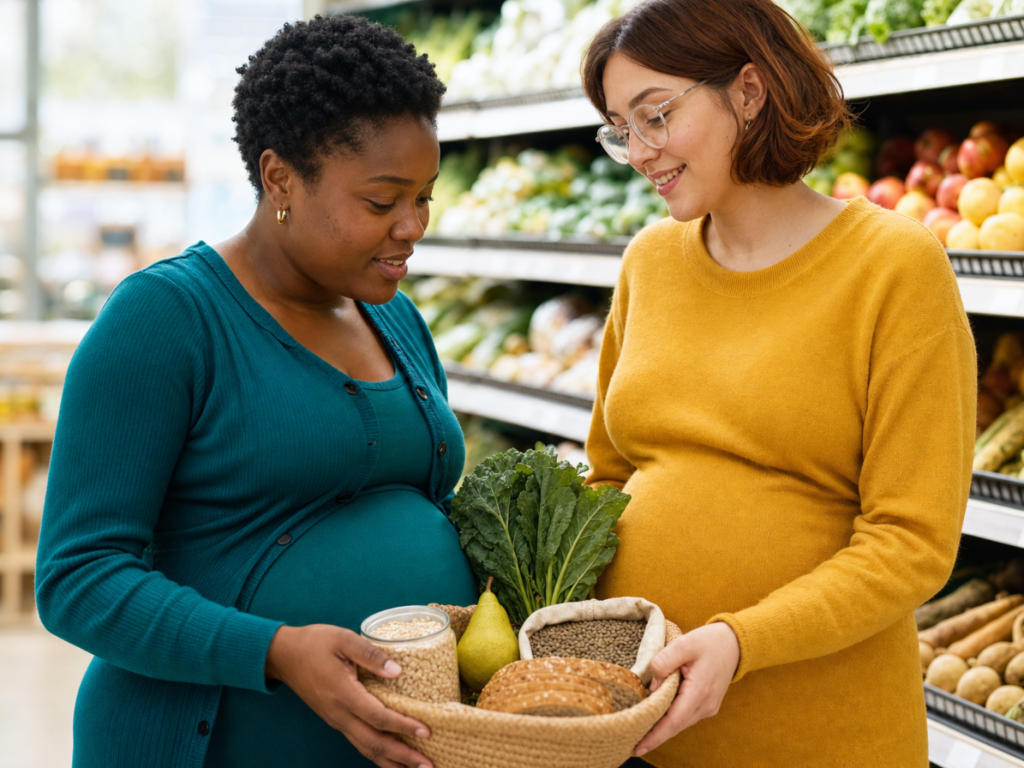
Intro
Constipation is a very common pregnancy discomfort, but common does not mean trivial. In pregnancy, bowel motility can slow because of hormonal effects on smooth muscle, mechanical pressure from the enlarging uterus, changes in activity level, nausea-related dietary shifts, and iron-containing prenatal supplements. The result may be infrequent stools, hard or lumpy stools, straining, bloating, or a persistent feeling of incomplete evacuation.
A fiber-rich diet is often one of the first practical strategies discussed for constipation. Fiber can increase stool bulk, improve water retention in the stool, and support more regular bowel movements. Still, pregnancy is a time for caution: sudden large increases in fiber can worsen gas or cramping, and constipation can sometimes signal other medical issues. This article explains how fiber works, how to increase it gently, and when to seek professional guidance.
Highlights
Dietary fiber can significantly increase stool frequency in people with constipation, although it may not reliably improve every outcome such as stool consistency or laxative use.
Both soluble and insoluble fiber matter: soluble fiber holds water and forms a gel, while insoluble fiber adds bulk and helps stool move through the intestine.
In pregnancy, fiber works best when increased gradually and paired with adequate fluids, regular meals, and safe physical activity when medically appropriate.
Severe pain, vomiting, rectal bleeding, fever, or inability to pass gas or stool should be discussed urgently with a healthcare professional.
Why constipation happens so often in pregnancy
Pregnancy changes gastrointestinal function in several overlapping ways. Progesterone relaxes smooth muscle, which is useful for maintaining pregnancy but can also reduce intestinal motility. Slower transit allows more water to be absorbed from stool, making it firmer and more difficult to pass. Later in pregnancy, the enlarging uterus can add mechanical pressure, and changes in posture, pelvic floor tone, and mobility may further influence bowel habits.
Dietary patterns often shift as well. Nausea may lead to smaller, starch-heavy meals; food aversions may reduce vegetable, legume, or whole-grain intake; and fatigue can make regular meal planning harder. Iron supplementation, especially at higher doses, may contribute to harder stools in some people. None of these factors mean you are doing anything wrong. They simply mean that pregnancy constipation often needs a thoughtful, layered approach.
It can help to track stool frequency, stool form, straining, fluid intake, fiber sources, and supplement changes. This information can make conversations with an obstetrician, midwife, dietitian, or primary care clinician more precise.
How dietary fiber supports bowel movements
Fiber is the portion of plant foods that is not fully digested and absorbed in the small intestine. It reaches the colon, where it can influence stool volume, water content, gut microbiota, and transit. In constipation, the most consistent evidence-based benefit of fiber is improved stool frequency. A systematic review and meta-analysis found that dietary fiber significantly increased stool frequency in people with constipation, while effects on stool consistency, treatment success, and laxative use were less clearly demonstrated.
This distinction matters. Fiber may help you have bowel movements more often, but it is not a guaranteed solution for pain, marked straining, pelvic floor dysfunction, medication-related constipation, or severe stool impaction. If symptoms are persistent or worsening, clinical assessment is appropriate.
Fiber also works best when it has enough fluid available. Without adequate hydration, some high-fiber approaches can leave stools bulky but still difficult to pass. This is why gradual changes, water intake, and attention to tolerance are central to pregnancy-safe constipation planning.
Soluble versus insoluble fiber: both have a role
Fiber is often divided into soluble and insoluble forms. Most plant foods contain a mixture, but some foods are richer in one type than the other.
- Soluble fiber dissolves in water and forms a gel-like substance. It can help soften stool by holding water and may also support cholesterol and glucose regulation. Common sources include oats, barley, beans, lentils, peas, apples, citrus fruits, carrots, chia seeds, and psyllium-containing products.
- Insoluble fiber does not dissolve in water to the same degree. It adds bulk and can help move stool through the digestive tract. Common sources include whole wheat products, wheat bran, brown rice, many vegetables, fruit skins, nuts, and seeds.
For many pregnant people, a mixed-fiber pattern is more tolerable than relying on one very high-fiber food. For example, a day might include oatmeal with berries, lentil soup, a pear with skin, whole-grain toast, and cooked vegetables. Cooked vegetables may be easier to tolerate than large raw salads if bloating is prominent.
If you have irritable bowel syndrome, inflammatory bowel disease, a history of bowel obstruction, severe nausea and vomiting, or a medically restricted diet, ask your clinician or dietitian before making major fiber changes.
Pregnancy-friendly fiber-rich foods
A fiber-rich diet does not need to be complicated or expensive. The goal is to build dependable, repeatable habits that fit your appetite, culture, cooking capacity, and pregnancy symptoms.
- Whole grains: oatmeal, high-fiber cereal, whole-grain bread, brown rice, quinoa, barley, bulgur, and whole-wheat pasta.
- Legumes: lentils, black beans, chickpeas, split peas, kidney beans, and hummus. Start with small portions if legumes cause gas.
- Fruits: pears, apples with skin, berries, oranges, prunes, peaches, and kiwi. Dried fruit can be helpful but is calorie-dense and may worsen reflux in some people.
- Vegetables: broccoli, carrots, peas, sweet potatoes with skin, leafy greens, squash, and Brussels sprouts. Cooked options may be gentler for sensitive digestion.
- Nuts and seeds: almonds, walnuts, ground flaxseed, chia seeds, sunflower seeds, and pumpkin seeds. Use appropriate portions and drink fluids with seed-based additions.
Food safety remains important in pregnancy. Wash produce well, avoid unpasteurized juices, and follow pregnancy-specific guidance for high-risk foods. If you use ready-to-eat salads or pre-cut produce, consider your clinician’s advice and local food safety recommendations.
How to increase fiber without making bloating worse
A sudden jump from a low-fiber pattern to a very high-fiber diet can cause gas, abdominal distension, and cramping. The gut microbiota ferment some fibers, producing gas as a normal byproduct. During pregnancy, when motility is already slower, this can feel especially uncomfortable.
A gentler approach is to add fiber in small steps every few days. For example, add one fiber-rich food at breakfast for several days, then add a legume-based lunch twice a week, then increase fruit or vegetable portions. If symptoms flare, pause at the current level rather than pushing higher immediately.
- Choose oatmeal instead of a low-fiber refined cereal.
- Add berries, sliced pear, or ground flaxseed to breakfast.
- Replace some refined grains with whole grains.
- Add half a cup of lentils or beans to soup, rice bowls, or salads.
- Keep washed fruit, nuts, or whole-grain crackers available for snacks.
- Try cooked vegetables at dinner if raw vegetables feel too gassy.
If your prenatal vitamin contains iron and constipation became noticeably worse after starting it, do not stop it on your own. Ask your healthcare professional whether dose timing, formulation, iron studies, or other strategies should be reviewed.
Hydration, movement, and bowel routine
Fiber is only one part of constipation management. Adequate fluid intake helps fiber retain water and may make stools easier to pass. Water is often best, but soups, milk, fortified beverages, and high-water fruits can also contribute. Fluid needs vary with climate, activity, vomiting, sweating, and medical conditions, so individualized advice is helpful if you have kidney, heart, hypertensive, or fluid-restriction concerns.
Physical activity can also support bowel motility. If your pregnancy care team has not restricted activity, gentle walking, prenatal yoga, swimming, or other approved movement may help digestion as well as mood and sleep. The key is safety and consistency, not intensity.
Routine matters because the colon often has stronger motility after meals, particularly breakfast. Consider allowing unhurried bathroom time after eating. Avoid repeatedly ignoring the urge to defecate, since stool can become drier as it remains in the colon. A footstool that raises the knees slightly may reduce straining for some people by improving anorectal angle, though it is not a cure for all constipation.
When diet is not enough
Some constipation in pregnancy improves with fiber, fluids, and routine, but not all constipation is diet-responsive. Pelvic floor dyssynergia, medication effects, dehydration from vomiting, thyroid disease, metabolic problems, anal fissures, hemorrhoids, or severe stool retention may require specific evaluation.
It is especially important not to assume that all abdominal pain is ordinary constipation. Pregnancy brings a broad differential diagnosis, and new or severe symptoms deserve medical attention. Before using over-the-counter laxatives, stool softeners, enemas, herbal products, castor oil, or high-dose fiber supplements, ask your obstetric clinician or pharmacist what is appropriate for your pregnancy and medical history.
If you are already under care for gastrointestinal disease, diabetes, hyperemesis gravidarum, kidney disease, eating disorder recovery, or a high-risk pregnancy, constipation strategies should be individualized. A registered dietitian with pregnancy experience can help design a fiber plan that supports bowel function while protecting overall nutrition.
Seek medical advice promptly
- Severe or persistent abdominal pain, especially with uterine cramping or contractions.
- Vomiting, fever, marked abdominal swelling, or inability to pass gas or stool.
- Rectal bleeding, black stools, or significant pain with bowel movements.
- Constipation that begins suddenly, worsens rapidly, or does not improve with conservative measures.
- Need for laxatives, enemas, or supplements without pregnancy-specific clinician guidance.
Tools & Assistance
- Keep a 1-week bowel, fiber, fluid, and supplement diary to discuss with your clinician.
- Ask your obstetrician, midwife, or pharmacist before using laxatives or fiber supplements.
- Consult a registered dietitian for a pregnancy-safe high-fiber meal plan.
- Use a gradual fiber-increase plan rather than making abrupt dietary changes.
- Pair fiber-rich meals with regular fluids and clinician-approved physical activity.
FAQ
How quickly can a fiber-rich diet improve constipation?
Some people notice improvement within several days, but response varies. Increase fiber gradually and consult a healthcare professional if constipation is persistent, painful, or worsening.
Is insoluble fiber better than soluble fiber for pregnancy constipation?
Insoluble fiber can add bulk and support movement through the bowel, while soluble fiber helps retain water and soften stool. Many people benefit from a balanced mix rather than one type alone.
Can too much fiber make constipation worse?
Yes, especially if fiber is increased suddenly or fluid intake is low. Excess fiber may worsen gas, bloating, or stool bulk without easier passage.
Are prunes safe for constipation in pregnancy?
Prunes are a common food-based option because they contain fiber and sorbitol, but portion size matters. If you have diabetes, significant reflux, or gastrointestinal disease, ask for individualized advice.
Should I stop my iron supplement if it causes constipation?
Do not stop prescribed or recommended iron without medical guidance. Ask your pregnancy care team whether your iron status, dose, timing, or formulation should be reviewed.
Sources
- PubMed Central — Dietary fiber intake can obviously increase stool frequency in patients with constipation: A meta-analysis
- Mayo Clinic — Dietary fiber: Essential for a healthy diet
- Johns Hopkins Medicine — Foods for Constipation
Disclaimer
This article is for informational purposes only and does not replace medical evaluation, diagnosis, or treatment. Consult your obstetrician, midwife, dietitian, or pharmacist before changing supplements or using constipation medicines during pregnancy.
















Please log in to leave a comment.