
Intro
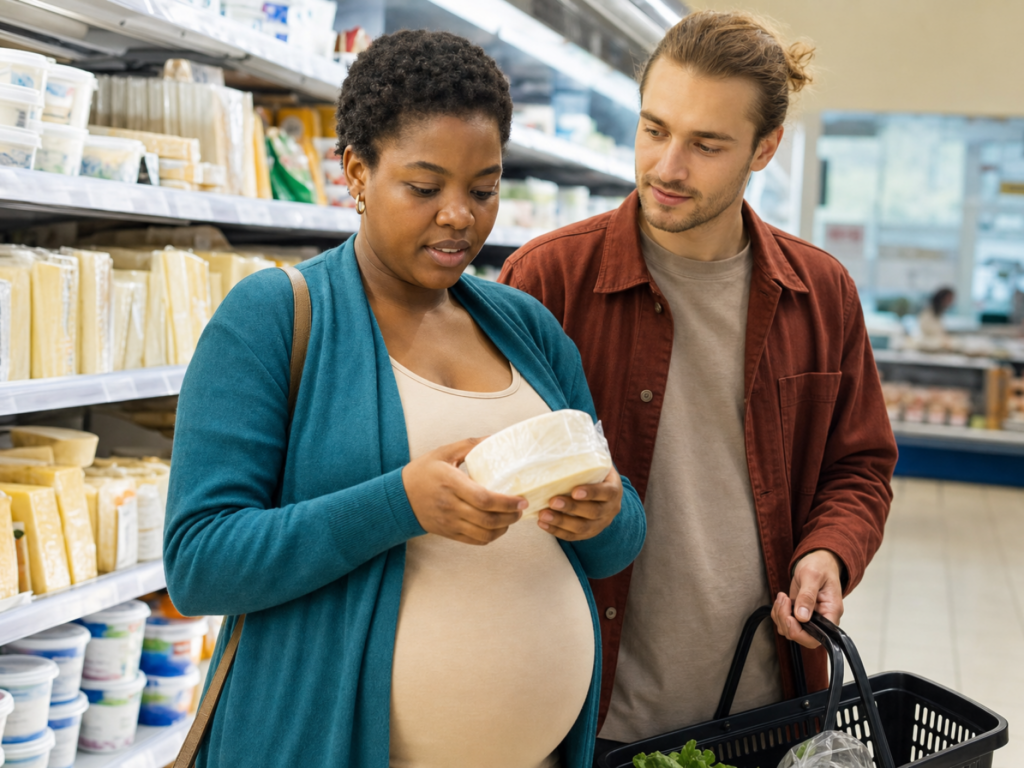
Cheese can be one of the most comforting and useful foods in pregnancy: it offers protein, calcium, phosphorus, vitamin B12, and, in some varieties, iodine and vitamin D. Yet it is also one of the foods that causes the most confusion. Many pregnant people hear that soft cheese is “unsafe,” while others see pasteurized brie, feta, or queso fresco on supermarket shelves and wonder whether the warning still applies.
The main concern is not cheese itself, but Listeria monocytogenes, a bacterium that can cause listeriosis. Pregnancy increases the risk of severe listeriosis, and infection can have serious consequences for the fetus or newborn. The good news is that careful selection, storage, and handling can greatly reduce risk, and many cheeses can be eaten safely when they are pasteurized and handled properly.
Highlights
Most hard cheeses are generally considered low risk in pregnancy, especially when made from pasteurized milk and stored correctly.
Soft cheeses require more caution because their moisture and pH can allow bacterial growth, particularly if they are unpasteurized or contaminated after processing.
Listeriosis may be mild in the pregnant person but can lead to miscarriage, stillbirth, premature delivery, or severe neonatal infection.
Checking labels for pasteurization, refrigerating cheese promptly, and avoiding high-risk deli-style or unpasteurized products are practical risk-reduction steps.
If you have fever, flu-like symptoms, gastrointestinal symptoms, or reduced fetal movement after a possible high-risk food exposure, contact a healthcare professional promptly.
The short answer: yes, but choose cheese carefully
Yes, many pregnant people can eat cheese. The safest options are typically cheeses made with pasteurized milk and handled under good food-safety conditions. Hard cheeses such as cheddar, parmesan, gouda, edam, Swiss, and many firm block cheeses are usually lower risk because they contain less moisture and are less supportive of bacterial growth than many soft cheeses.
The caution is strongest for soft cheeses made from unpasteurized milk, soft ripened cheeses, some blue-veined cheeses, and fresh Hispanic-style cheeses such as queso fresco, queso blanco, and panela if pasteurization and handling are uncertain. These products have been associated with listeria outbreaks, particularly when made from raw milk or contaminated after production.
A helpful rule is: pasteurized milk matters, but it is not the only thing that matters. Even pasteurized cheese can become contaminated after processing if it is cut, stored, or served unsafely. This is why refrigeration, use-by dates, clean utensils, and avoiding cross-contamination remain important.
Why soft cheese is different from hard cheese
Cheeses vary widely in water content, acidity, salt concentration, rind type, aging time, and packaging. These factors influence whether bacteria can survive or multiply. Hard, aged cheeses usually have lower water activity and higher salt, which makes them less favorable for Listeria monocytogenes. Soft cheeses, by contrast, often have more moisture and a less hostile environment for bacterial growth.
Soft cheese is not one single category. Risk differs between products:
- Lower-risk choices: pasteurized cream cheese, cottage cheese, ricotta, mozzarella, processed cheese, and hard cheeses, when refrigerated and eaten before expiry.
- Higher-caution choices: brie, camembert, chèvre or soft goat cheese with a rind, blue-veined cheeses, queso fresco, queso blanco, panela, and similar fresh cheeses, especially if unpasteurized or purchased from informal sources.
- Highest-risk situations: cheese made from raw milk, cheese with unclear labeling, cheese sold unrefrigerated when it should be chilled, or cheese from a deli counter where cross-contamination is possible.
Some guidance allows certain soft cheeses if they are clearly made from pasteurized milk. However, for the most conservative approach, pregnant people may choose to avoid soft ripened or blue-veined cheeses unless they are thoroughly cooked until steaming hot. If you are unsure which approach fits your medical situation, ask your midwife, obstetrician, or dietitian.
Listeria and pregnancy: why clinicians take it seriously
Listeria monocytogenes is a foodborne bacterium that can grow at refrigerator temperatures, which makes it different from many other foodborne pathogens. It can contaminate ready-to-eat foods, including certain cheeses, deli meats, smoked seafood, pâté, and prepared salads.
Pregnancy alters immune function in ways that increase vulnerability to listeriosis. According to public health authorities, listeriosis in pregnancy can lead to miscarriage, stillbirth, premature delivery, or life-threatening infection in the newborn. The pregnant person may experience only mild symptoms, which is one reason the infection can be hard to recognize early.
Symptoms can include fever, muscle aches, fatigue, headache, nausea, vomiting, or diarrhea. Some people develop more severe illness. Importantly, the absence of symptoms after eating a questionable cheese does not automatically mean infection has occurred; most exposures do not lead to illness. But because the potential consequences are significant, it is reasonable to seek medical guidance if you develop symptoms or if you are worried about a high-risk exposure.
How to read cheese labels in pregnancy
Label reading is one of the simplest ways to reduce risk. Look for wording such as “made with pasteurized milk.” In many countries, commercially produced dairy products are often pasteurized, but imported, artisanal, farm-made, or market-sold cheeses may vary.
When checking a label, consider the following:
- Milk source: Choose cheese made from pasteurized cow, goat, sheep, or buffalo milk. Avoid raw milk cheese unless your healthcare professional has advised that a specific product is acceptable.
- Cheese type: A pasteurized hard cheese is typically a safer choice than a pasteurized soft ripened cheese from a deli counter.
- Storage instructions: Follow refrigeration guidance and do not eat cheese that has been left at room temperature for prolonged periods.
- Use-by date: Avoid expired cheese, damaged packaging, moldy soft cheese, or products with unusual smell, texture, or leakage.
- Preparation setting: Packaged cheese from a regulated manufacturer may be safer than cheese cut and repackaged in a busy deli environment, depending on hygiene controls.
If the label does not clearly say pasteurized, the safest pregnancy choice is to avoid it or contact the manufacturer. Restaurant menus may not specify milk treatment, so it is reasonable to ask directly.
Can cooking make soft cheese safer?
Thorough cooking can reduce listeria risk when the cheese reaches a sufficiently high temperature throughout. In practical terms, cheese should be cooked until it is steaming hot all the way through, not merely warmed or lightly melted. For example, a pizza with soft cheese that is baked until bubbling and hot is different from a salad topped with cold soft goat cheese.
Examples where cooking may help include baked brie, thoroughly cooked lasagna with ricotta, hot quesadillas, and casseroles containing feta or mozzarella, as long as the dish is heated evenly and served hot. However, cooking does not fix every food-safety issue, particularly if the food is later cooled, stored too long, or contaminated again after heating.
For takeaway foods, buffets, and catered events, be cautious. Cheese-containing dishes may sit warm rather than hot, allowing bacteria to multiply. If you cannot confirm that the food has been freshly cooked and served steaming hot, choose a lower-risk option.
Practical cheese choices: safer swaps that still feel satisfying
Pregnancy food guidance can feel restrictive, especially if cheese is part of your culture, comfort foods, or cravings. Instead of thinking in terms of “no cheese,” it may be more helpful to build a list of safer defaults.
- Choose pasteurized hard cheese with crackers, fruit, or whole-grain bread.
- Use pasteurized mozzarella on pizza or in a hot toastie rather than cold soft-ripened cheese.
- Pick pasteurized cream cheese or cottage cheese from a sealed container and use it before the expiry date.
- Use freshly opened pasteurized feta in a cooked dish rather than crumbled cold cheese from a salad bar.
- When craving queso fresco-style cheese, choose a clearly pasteurized commercial product, keep it refrigerated, and avoid informal homemade versions unless safety can be verified.
Nutrition still matters. Cheese can contribute calcium and protein, but it can also be high in saturated fat and sodium. Balance it with other calcium sources such as pasteurized yogurt, fortified milks, calcium-set tofu, leafy greens, beans, nuts, and fish with edible bones if appropriate for your diet.
Storage and handling: small steps that lower risk
Because Listeria can grow in the refrigerator, storage time and temperature matter. Keep your refrigerator at a safe cold temperature according to local food-safety recommendations, and avoid crowding it so air can circulate. Store cheese in clean packaging or a covered container, and keep it away from raw meat, poultry, seafood, and unwashed produce.
Use clean knives and cutting boards. If you cut raw chicken and then slice cheese on the same board without proper washing, you create cross-contamination risk. Wash hands before preparing food, and avoid tasting cheese to “check” whether it is still good if it is past date or suspicious.
For soft cheeses, consider buying smaller portions that you can finish quickly after opening. Discard soft cheese if mold appears, even if you could cut mold away from some hard cheeses in non-pregnant contexts. During pregnancy, a lower-threshold approach to discarding questionable food is sensible.
What to do if you ate a cheese that may be unsafe
First, try not to panic. A single exposure does not mean you will develop listeriosis, and most people who eat a higher-risk food do not become ill. However, because pregnancy is a high-risk period, it is reasonable to be proactive.
If you ate unpasteurized soft cheese, cheese from an unknown source, or cheese later recalled for listeria contamination, contact your obstetric care team or local public health service for advice. They may ask about the product, timing, symptoms, gestational age, and any underlying medical conditions. Do not start antibiotics or other treatment unless prescribed by a qualified clinician.
Seek urgent medical advice if you develop fever, chills, severe headache, stiff neck, confusion, persistent vomiting or diarrhea, abdominal pain, contractions, vaginal bleeding, fluid leakage, or reduced fetal movement. If there is a known recall, keep the packaging or receipt if possible, as product details can help clinicians and public health teams.
When to be especially cautious
- Avoid soft cheeses made from unpasteurized milk unless your healthcare professional advises otherwise.
- Do not eat cheese from damaged packaging, unclear labeling, unsafe refrigeration, or recalled batches.
- Seek medical advice promptly for fever or flu-like illness after a possible listeria exposure.
- Be cautious with deli counters, salad bars, buffets, and catered cheese platters where cross-contamination may occur.
- If you have reduced fetal movement, contractions, bleeding, or fluid leakage, seek urgent pregnancy care.
Tools & Assistance
- Check cheese labels for the words “made with pasteurized milk.”
- Use a refrigerator thermometer and keep perishable dairy properly chilled.
- Ask restaurants whether soft cheeses are pasteurized and whether they are served cold or cooked steaming hot.
- Save product packaging if you are concerned about a possible foodborne exposure or recall.
- Discuss individualized food-safety guidance with an obstetrician, midwife, or registered dietitian.
FAQ
Can I eat cheddar, parmesan, or Swiss cheese while pregnant?
Usually yes, especially if the cheese is commercially produced, pasteurized, refrigerated, and within date. Hard cheeses are generally lower risk than soft cheeses because of their lower moisture content.
Is feta safe during pregnancy?
Feta may be acceptable if it is clearly made from pasteurized milk and handled safely, but it is still a soft brined cheese. For a more cautious approach, use pasteurized feta in dishes cooked until steaming hot.
Can I eat brie or camembert if it is pasteurized?
Guidance varies by country and risk tolerance. Soft ripened cheeses such as brie and camembert can carry higher listeria risk than hard cheeses, so many pregnant people choose to eat them only when thoroughly cooked until steaming hot.
What if I accidentally ate unpasteurized soft cheese?
Do not panic, but contact your pregnancy care team if you are worried, if the product was recalled, or if you develop fever, flu-like symptoms, vomiting, diarrhea, abdominal pain, or any concerning pregnancy symptoms.
Does freezing cheese kill listeria?
Freezing does not reliably kill Listeria monocytogenes. Safe sourcing, pasteurization, refrigeration, hygiene, and thorough cooking when appropriate are more important risk-reduction steps.
Sources
- Centers for Disease Control and Prevention (CDC) — Listeria and Pregnancy
- NHS — Listeria infection (listeriosis)
- FoodSafety.gov — Food Safety for Moms-to-Be
Disclaimer
This article is for general educational purposes only and is not a substitute for personalized medical advice. If you are pregnant and concerned about food exposure, symptoms, or fetal wellbeing, contact your healthcare professional promptly.











Please log in to leave a comment.