
Intro
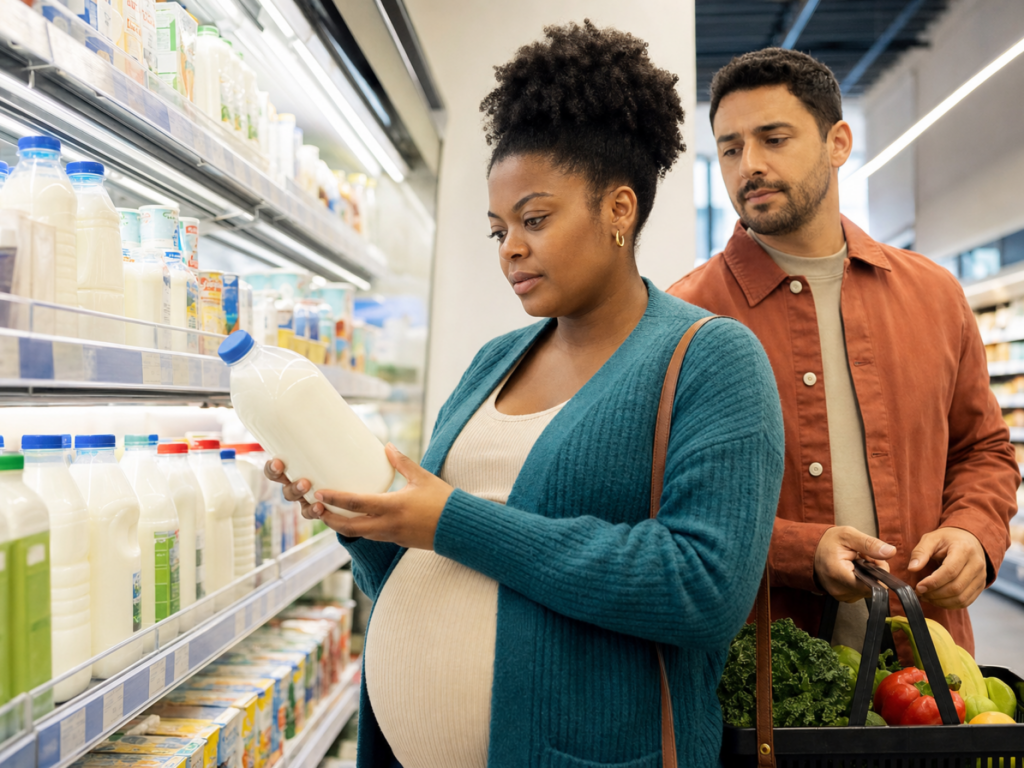
Pregnancy nutrition is not only about meeting increased nutrient needs; it is also about reducing exposure to infections and toxins that can affect both the pregnant person and the fetus. Many foods are safe when properly prepared, but some become higher risk because pregnancy changes immune function and because certain pathogens or contaminants can cross the placenta or cause severe maternal illness.
If food-safety guidance feels overwhelming, that is understandable. The goal is not perfection or fear around eating; it is a practical risk-reduction approach. Knowing which foods to avoid, which to limit, and which are safe when cooked or handled correctly can make meals feel more manageable and reassuring.
Highlights
The main pregnancy food-safety concerns are foodborne infections, especially Listeria monocytogenes, Salmonella, Campylobacter, Toxoplasma gondii, and harmful strains of E. coli.
Raw or undercooked animal products, unpasteurized dairy, refrigerated ready-to-eat meats, raw sprouts, and some seafood are common high-risk categories.
Fish is not simply a food to avoid: low-mercury fish can provide valuable protein, iodine, vitamin D, and omega-3 fatty acids, but high-mercury fish should be avoided or limited according to local guidance.
Good kitchen hygiene, adequate cooking temperatures, careful refrigeration, and avoiding cross-contamination substantially reduce risk.
Individual circumstances matter, including immunosuppression, hyperemesis, dietary restrictions, previous pregnancy complications, and local food advisories, so personalized advice from a clinician or dietitian is valuable.
Why some foods are higher risk in pregnancy
Pregnancy involves immunologic and physiologic adaptations that help support the fetus but may also increase susceptibility to some infections or make their consequences more serious. Foodborne illness can cause dehydration, fever, sepsis, miscarriage, preterm birth, stillbirth, or neonatal infection in severe cases. The absolute risk for any one exposure is usually low, but prevention matters because some pathogens have disproportionate fetal risks.
Listeria monocytogenes deserves particular attention. It can grow at refrigerator temperatures and is associated with refrigerated ready-to-eat foods such as deli meats, hot dogs, refrigerated pâtés, refrigerated smoked seafood, and some soft cheeses, especially if made from unpasteurized milk. Maternal listeriosis may present as a mild flu-like illness or gastrointestinal upset, yet fetal consequences can be severe.
Other organisms are also relevant. Salmonella can be found in raw or undercooked eggs, poultry, meat, and unpasteurized foods. Toxoplasma gondii may be acquired from undercooked meat or contaminated soil and can cause congenital infection. Campylobacter and pathogenic E. coli are linked to undercooked meats, unpasteurized dairy or juice, and cross-contaminated foods. This is why pregnancy food advice often focuses on both food selection and preparation.
Raw or undercooked meat, poultry, seafood, and eggs
Raw and undercooked animal products are among the most consistent foods to avoid in pregnancy because they can carry bacteria, parasites, and viruses. This does not mean you must avoid meat, poultry, seafood, or eggs entirely; the key is thorough cooking and safe handling.
- Avoid raw or undercooked meat and poultry. This includes rare burgers, pink poultry, undercooked sausages, raw cured meats unless cooked, and dishes where the center may not reach a safe temperature.
- Avoid raw or undercooked seafood. Sushi made with raw fish, raw oysters, clams, mussels, scallops, ceviche, and lightly marinated raw seafood can carry pathogens. Fully cooked seafood is generally the safer option.
- Be cautious with raw or undercooked eggs. Foods such as homemade mayonnaise, some mousses, tiramisu, eggnog, hollandaise sauce, and runny eggs can be risky if made with unpasteurized eggs. Pasteurized egg products reduce risk.
- Cook leftovers until steaming hot. This is especially important for ready-to-eat foods that have been refrigerated.
Using a food thermometer is the most reliable way to confirm doneness. Visual cues such as color, texture, or juice clarity are less dependable. If you are eating in a restaurant and are unsure whether a food is fully cooked, it is reasonable to ask for it well cooked or choose another option.
Deli meats, hot dogs, pâté, and refrigerated ready-to-eat foods
Deli meats, cold cuts, hot dogs, meat spreads, and some refrigerated prepared foods are important because of possible Listeria contamination. The concern is not only whether the food was cooked during manufacturing, but whether it could have been contaminated afterward and then stored cold, where Listeria may continue to grow.
- Deli meats and cold cuts: Avoid eating them cold. If you choose to eat them, heat until steaming hot immediately before serving.
- Hot dogs: Eat only when thoroughly reheated until steaming hot; avoid consuming the liquid from packages and wash hands after handling.
- Refrigerated pâté or meat spreads: Avoid these during pregnancy. Shelf-stable canned versions are generally lower risk until opened, but follow storage instructions carefully.
- Prepared salads from deli counters: Items such as chicken salad, tuna salad, egg salad, or seafood salad may pose risk if storage time and temperature are uncertain.
- Refrigerated smoked seafood: Avoid products labeled nova-style, lox, kippered, smoked, or jerky unless they are cooked in a dish until steaming hot. Shelf-stable canned smoked seafood is generally a safer alternative before opening.
At home, keep refrigerators at safe temperatures, use opened ready-to-eat foods promptly, and discard food that is past its use-by date or has been left at room temperature for too long.
Unpasteurized dairy, soft cheeses, juices, and raw sprouts
Pasteurization uses heat to reduce pathogenic microorganisms. In pregnancy, unpasteurized products are avoidable sources of infection and should generally be skipped unless a clinician has given specific advice relevant to your setting.
- Unpasteurized milk and dairy products: Avoid raw milk, raw-milk yogurt, raw-milk ice cream, and cheeses made with unpasteurized milk.
- Soft cheeses: Cheeses such as brie, camembert, chèvre, queso fresco, queso blanco, blue-veined cheeses, and similar products may be higher risk if unpasteurized. In some countries, guidance also recommends avoiding certain soft or mold-ripened cheeses unless cooked until steaming hot, even when pasteurized, because moisture and storage conditions may support bacterial growth.
- Unpasteurized juice or cider: Choose pasteurized products. Freshly pressed juices may be risky if preparation hygiene is uncertain.
- Raw sprouts: Avoid raw alfalfa, clover, radish, mung bean, and other sprouts. Bacteria can enter the seed before sprouting and may be difficult to remove by washing. Eat sprouts only if thoroughly cooked.
Many dairy foods remain excellent pregnancy choices when pasteurized: milk, yogurt, hard cheeses, and properly stored pasteurized cheeses can provide calcium, protein, iodine, and other nutrients.
Fish, mercury, and seafood choices
Seafood advice can feel contradictory because fish can be nutritionally valuable but some species contain higher levels of methylmercury. Mercury exposure is a concern because it can affect fetal neurodevelopment. The practical approach is to avoid high-mercury fish while including safer, lower-mercury options if you eat seafood.
Fish that are often identified as high in mercury include shark, swordfish, king mackerel, marlin, bigeye tuna, and tilefish in many advisories. Local recommendations vary, especially for freshwater or locally caught fish, so follow regional public-health advice. If you catch fish yourself or receive locally caught fish, check local advisories for mercury, polychlorinated biphenyls, and other contaminants.
Lower-mercury cooked fish can be part of a healthy pregnancy diet. Examples often include salmon, sardines, trout, anchovies, herring, and some light tuna, though serving limits vary by guideline and country. These options may contribute omega-3 fatty acids, including DHA, which supports fetal brain and retinal development. If you do not eat fish, discuss dietary alternatives or supplementation with your healthcare professional rather than self-prescribing high-dose supplements.
Preparation still matters: choose cooked seafood, avoid raw shellfish, and avoid refrigerated smoked seafood unless it is cooked until steaming hot in a dish.
Liver, vitamin A, caffeine, alcohol, and other exposures
Some pregnancy food restrictions are about toxins or nutrient excess rather than infection. Liver and liver products are commonly avoided in pregnancy in some guidelines because they can contain high levels of preformed vitamin A, also called retinol. Excessive retinol intake may be teratogenic. This is different from beta-carotene in fruits and vegetables, which the body converts more tightly according to need.
Alcohol is best avoided in pregnancy because no universally safe amount has been established. Alcohol exposure can affect fetal growth and neurodevelopment, and risk depends on dose, timing, pattern, and individual susceptibility. If you consumed alcohol before knowing you were pregnant, try not to panic; discuss it honestly with your clinician for individualized guidance.
Caffeine is usually approached as a limit rather than a total avoidance. Many public-health recommendations advise staying below a daily threshold, though the exact number can differ by country. Remember that caffeine is present not only in coffee, but also tea, cola, energy drinks, chocolate, and some medications. If nausea, palpitations, insomnia, or anxiety are present, a clinician may suggest a more individualized plan.
Herbal products, high-dose supplements, and nonregulated powders deserve caution. Natural does not always mean safe in pregnancy, and some botanicals may have pharmacologic effects or contamination risks. Review supplements with a midwife, obstetrician, pharmacist, or registered dietitian.
Food handling habits that reduce risk
Food avoidance lists are only part of prevention. Many infections are prevented through routine kitchen practices that reduce bacterial growth and cross-contamination.
- Clean: Wash hands before food preparation, after handling raw meat or eggs, after using the bathroom, and after touching pets, soil, or trash. Wash produce under running water, even if you plan to peel it.
- Separate: Keep raw meat, poultry, seafood, and eggs away from ready-to-eat foods. Use separate cutting boards or wash boards, knives, and counters thoroughly between tasks.
- Cook: Cook animal products thoroughly and reheat high-risk leftovers or ready-to-eat meats until steaming hot.
- Chill: Refrigerate perishable foods promptly. Avoid leaving cooked food, dairy, cut fruit, or prepared dishes at room temperature for extended periods.
- Check dates and storage: Follow use-by dates and storage labels. When in doubt about a refrigerated ready-to-eat food, discard it rather than tasting it.
These steps are especially useful when appetite is unpredictable, nausea makes cooking difficult, or family members are preparing meals. It can help to agree on a simple household rule: foods for the pregnant person should be cooked thoroughly, stored cold or hot as appropriate, and clearly separated from raw ingredients.
Eating out, social situations, and cravings
Restaurants, celebrations, travel, and workplace meals can make food-safety decisions more complicated. A supportive approach is to plan substitutions rather than focus only on restrictions. Choose cooked sushi rolls instead of raw fish sushi, hot toasted sandwiches instead of cold deli meats, hard cheese instead of soft mold-ripened cheese, and pasteurized bottled drinks instead of unpasteurized juices.
Cravings and aversions can also affect food choices. If you are craving a higher-risk food, there may be a safer version: cooked seafood instead of raw oysters, pasteurized ice cream instead of homemade raw-egg desserts, or a hot cooked meat dish instead of refrigerated pâté. If food aversions are limiting protein, calcium, or iron intake, consider discussing alternatives with a dietitian or prenatal clinician.
Seek medical advice promptly if you develop fever, persistent vomiting or diarrhea, bloody stools, severe abdominal pain, signs of dehydration, or flu-like symptoms after eating a high-risk food. Do not attempt to diagnose listeriosis or other foodborne infections on symptoms alone, because presentation can be nonspecific and pregnancy changes the threshold for evaluation.
When to seek urgent medical advice
- Contact a healthcare professional promptly for fever, chills, flu-like illness, or severe malaise after eating a high-risk food.
- Seek care for persistent vomiting or diarrhea, inability to keep fluids down, dizziness, reduced urination, or other signs of dehydration.
- Report bloody diarrhea, severe abdominal pain, or symptoms after consuming unpasteurized foods, raw seafood, or undercooked meat.
- If you are concerned about possible Listeria exposure, do not wait for severe symptoms; ask your maternity care team what evaluation is appropriate.
- Follow local fish advisories if eating locally caught fish, especially from lakes, rivers, or coastal areas with contamination warnings.
Tools & Assistance
- Use a refrigerator thermometer and keep cold foods properly chilled.
- Keep a simple pregnancy food-safety checklist on your phone for grocery shopping and restaurants.
- Ask your obstetrician, midwife, pharmacist, or registered dietitian before using herbal products or high-dose supplements.
- Check local public-health fish advisories for mercury and other contaminants.
- Use a food thermometer for meat, poultry, fish, egg dishes, and reheated leftovers.
FAQ
Can I eat sushi while pregnant?
Avoid sushi made with raw fish or raw shellfish. Cooked sushi rolls, vegetarian rolls, and options made with fully cooked seafood are generally safer if prepared hygienically and not cross-contaminated.
Are all soft cheeses unsafe in pregnancy?
Not all soft cheeses carry the same risk, but unpasteurized soft cheeses should be avoided. Some guidelines also advise avoiding mold-ripened or blue-veined soft cheeses unless cooked until steaming hot. Check labels and follow local guidance.
Can I eat deli meat if I heat it?
Deli meats and hot dogs are higher risk for Listeria when eaten cold. If you choose to eat them, heat them until steaming hot immediately before serving and avoid cross-contamination.
Should I stop eating fish completely?
Usually no. Avoid high-mercury fish and raw seafood, but cooked low-mercury fish can be nutritionally beneficial. Ask your clinician about serving amounts that match your local guidance and dietary needs.
What if I accidentally ate a high-risk food?
A single exposure does not mean you will become ill. Monitor for fever, gastrointestinal symptoms, or flu-like illness, and contact your healthcare professional if symptoms develop or if you are worried about a specific exposure.
Sources
- MedlinePlus — Foods to Avoid During Pregnancy
- NHS — Pregnancy Diet and Nutrition
- Centers for Disease Control and Prevention — Prevention of Foodborne Listeriosis: Recommendations of the Advisory Committee on the Elimination of Listeria monocytogenes in Food
Disclaimer
This article is for general information only and is not a substitute for personalized medical advice. Always consult your obstetrician, midwife, dietitian, or other qualified healthcare professional about pregnancy nutrition and possible foodborne exposure.











Please log in to leave a comment.