
Intro
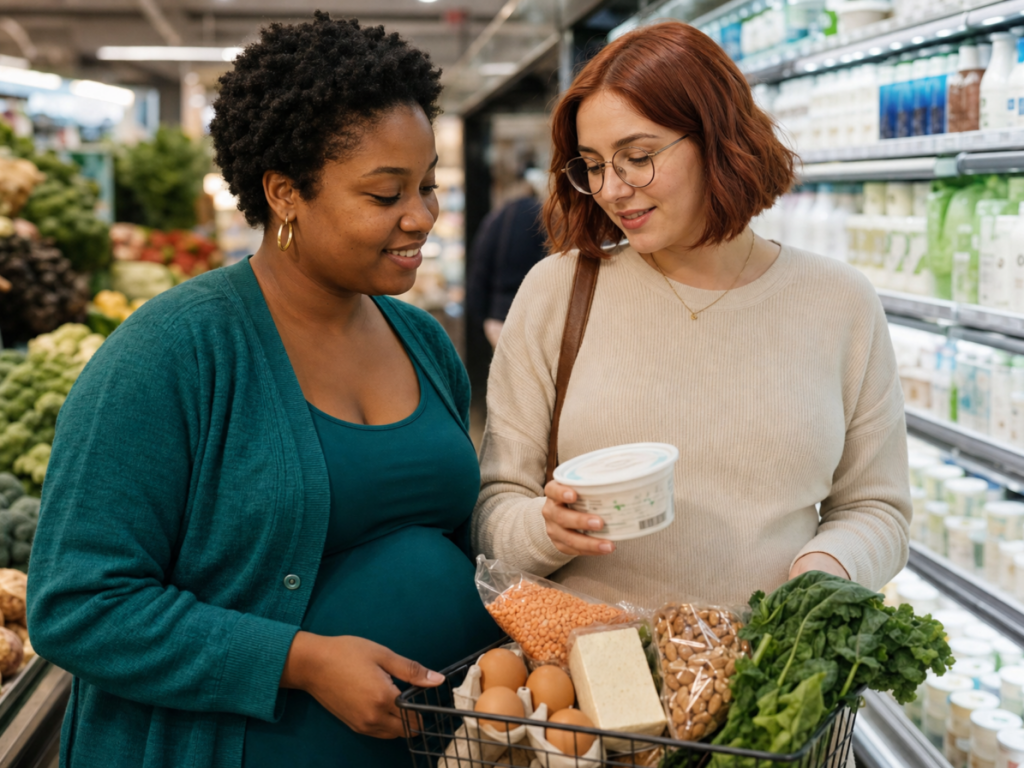
Protein is one of the core building blocks of pregnancy nutrition. It supports expansion of maternal blood volume, growth of the uterus and breasts, placental function, amniotic fluid dynamics, and fetal tissue development. Yet many pregnant people receive vague advice such as “eat more protein” without a clear sense of how much is enough, what foods count, or when extra attention is needed.
The reassuring starting point is that protein needs are usually achievable through ordinary foods. The nuance is that requirements vary by trimester, body size, dietary pattern, nausea or food aversions, medical conditions, and overall energy intake. This article explains current guideline targets, what the evidence says about pregnancy outcomes, and practical ways to meet protein needs without turning meals into a math exercise.
Highlights
A commonly cited target is about 71 grams of protein per day in pregnancy, especially in the second and third trimesters.
Protein needs are not isolated from the rest of the diet; adequate calories, carbohydrates, fats, micronutrients, and dietary quality all influence maternal and fetal nutrition.
Both very low protein intake and poorly balanced diets may be concerning, but more protein is not automatically better for every pregnancy.
People following vegetarian, vegan, highly restricted, or nausea-limited diets may benefit from individualized nutrition planning.
Discuss major diet changes, supplements, or protein powders with a prenatal clinician or registered dietitian, particularly if there are kidney, metabolic, fetal growth, or weight-gain concerns.
Why protein matters in pregnancy
Protein provides amino acids, which are required for maternal tissue expansion and fetal growth. During pregnancy, the body uses amino acids to build and remodel tissues, support enzymes and hormones, maintain immune function, and contribute to the placenta, uterus, breasts, and increased circulating blood proteins.
Fetal growth depends on a continuous supply of nutrients across the placenta. Protein is not simply “muscle food”; it is involved in cellular proliferation, organ development, connective tissue formation, and metabolic signaling. Maternal protein status also interacts with total energy intake. If calories are too low, dietary protein may be diverted toward energy production rather than tissue synthesis.
This is why protein advice should not be separated from broader nutrition. A diet can technically reach a protein number while still being low in iron, iodine, choline, omega-3 fatty acids, folate, calcium, or overall calories. Conversely, a person with nausea or food aversions may struggle to meet protein goals even if they understand their importance.
How much protein is recommended?
A widely used clinical target is 71 grams of protein per day during pregnancy. Mayo Clinic lists this as the daily amount and notes practical sources such as lean meat, poultry, seafood, eggs, beans, peas, nuts, seeds, and soy products.
Some guidelines describe pregnancy needs by trimester. The protein requirement is often cited as approximately 46 grams per day in the first trimester and 71 grams per day in the second and third trimesters. This reflects the fact that fetal and maternal tissue growth accelerates as pregnancy progresses.
Another way clinicians and dietitians may think about protein is by body weight. Requirements can be expressed in grams per kilogram of body weight, and research has explored whether some pregnant people may need more than older guideline estimates. However, body-weight calculations can be more complex in pregnancy because they depend on pre-pregnancy weight, gestational weight gain, activity level, body composition, and medical context.
For many people, a practical approach is to include a protein-containing food at meals and, if needed, snacks. Examples of approximate protein amounts include:
- 1 large egg: about 6 grams.
- 1 cup of milk or fortified soy milk: about 7 to 9 grams.
- 3 ounces of cooked poultry, lean meat, or fish: often about 20 to 25 grams.
- 1 cup cooked lentils: about 18 grams.
- 1 cup Greek yogurt: commonly about 15 to 20 grams, depending on the brand.
- Half a cup of tofu: often about 10 grams, depending on firmness and preparation.
These numbers are estimates, not prescriptions. A prenatal clinician or registered dietitian can help translate targets into an appropriate plan for your pregnancy, especially if you have hyperemesis, diabetes, kidney disease, gastrointestinal disorders, food insecurity, eating disorder history, or fetal growth concerns.
What does the evidence say about birth weight and fetal growth?
Research on protein intake and pregnancy outcomes is important but not perfectly straightforward. A systematic review of protein intake in pregnancy and associated outcomes evaluated relationships with birth weight, low birth weight, small-for-gestational-age infants, and intrauterine growth restriction. Overall, evidence suggests that inadequate protein intake may be associated with less favorable growth outcomes in some populations, but the findings are influenced by study design, dietary context, protein source, and baseline nutritional status.
One key limitation is that protein rarely changes alone. Higher protein intake may occur alongside higher total calories, better access to nutrient-dense foods, higher socioeconomic resources, or different patterns of micronutrient intake. Similarly, low protein intake may reflect nausea, food insecurity, restrictive diets, illness, or overall inadequate energy intake. These factors can make it difficult to identify protein’s independent effect.
The source of protein may also matter. Diets rich in legumes, nuts, seeds, fish, eggs, dairy, lean meats, and soy products provide not only amino acids but also other nutrients relevant to pregnancy. For example, fish may contribute omega-3 fatty acids, eggs provide choline, legumes provide fiber and folate, and dairy or fortified alternatives may contribute calcium and vitamin D. Highly processed protein sources may have different sodium, saturated fat, additive, or micronutrient profiles.
The takeaway is balanced: meeting protein needs is important, especially for fetal growth and maternal tissue support, but protein should be considered as part of the whole diet rather than a single-number guarantee of a healthy outcome.
Are protein needs higher than current guidelines?
Some emerging research has questioned whether traditional estimates fully capture protein needs at different stages of pregnancy. A randomized controlled trial and related discussion on protein requirements in pregnancy, lactation, and infancy note commonly used recommendations such as 46 grams per day in the first trimester and 71 grams per day later in pregnancy, while also examining evidence that requirements may be higher for some individuals.
This does not mean every pregnant person should start a high-protein diet. “Higher than guideline estimates” in research does not automatically translate into a universal recommendation, and excessive focus on protein can crowd out carbohydrates, healthy fats, fiber, and micronutrient-rich foods. In pregnancy, carbohydrates remain important for energy and fetal glucose supply, while fats support essential fatty acid intake and absorption of fat-soluble vitamins.
Individual needs may be higher in some circumstances, such as larger body size, physically demanding work, athletic training, twin or higher-order pregnancy, low baseline intake, limited appetite, or recovery from illness. They may require more caution in other contexts, such as chronic kidney disease or certain metabolic disorders. This is where personalized care matters.
If you are consistently below recommended protein intake, losing weight unintentionally, unable to tolerate protein foods, or worried about fetal growth, it is appropriate to ask your prenatal care team for a dietitian referral. A dietitian can assess intake patterns, not just isolated protein grams.
Animal-based and plant-based protein sources
There is no single “best” protein food for every pregnancy. The goal is a safe, varied, nutrient-dense pattern that fits culture, budget, appetite, ethics, and medical needs.
Animal-based options include eggs, dairy, poultry, lean meats, and low-mercury seafood. These foods often contain all indispensable amino acids in concentrated amounts. Seafood choices require attention to mercury and food safety; pregnant people are usually advised to choose low-mercury fish and avoid raw or undercooked seafood.
Plant-based options include beans, lentils, chickpeas, tofu, tempeh, edamame, soy milk, nuts, seeds, nut butters, quinoa, and whole grains. Plant-based diets can meet pregnancy protein needs, but they require attention to overall protein distribution and key nutrients such as vitamin B12, iron, zinc, iodine, calcium, vitamin D, and omega-3 fatty acids. Vegan diets particularly require reliable vitamin B12 intake through fortified foods or supplements recommended by a clinician.
Combining plant foods throughout the day helps provide a full amino acid pattern. For example, lentils with rice, hummus with whole-grain pita, tofu with noodles, peanut butter on whole-grain toast, or beans with corn tortillas can all contribute meaningfully. The combinations do not have to occur in the same bite or even the same meal, as long as the overall day is varied and adequate.
Practical ways to reach about 71 grams per day
If 71 grams sounds abstract, it may help to spread protein across meals. Many people find it easier to tolerate and digest moderate amounts several times a day rather than a large portion at dinner.
A sample day might include Greek yogurt with fruit at breakfast, lentil soup at lunch, a handful of nuts or cheese with crackers as a snack, and salmon, tofu, poultry, or beans at dinner. Another day might include eggs and whole-grain toast, a bean-and-rice bowl, milk or fortified soy milk, and a tofu vegetable stir-fry.
For nausea or aversions, cold or mild-smelling protein foods may be easier: yogurt, smoothies, cottage cheese, hummus, chilled tofu, nut butter, roasted chickpeas, or hard-boiled eggs if tolerated. If meat smells trigger nausea, temporary reliance on dairy, soy, beans, nuts, seeds, or eggs may still support adequate intake.
Protein powders and ready-to-drink shakes can be useful in select situations, but they should not be assumed safe or necessary. Supplements vary in quality, added vitamins, herbal ingredients, sweeteners, and contamination testing. Discuss them with a prenatal clinician, especially if you are already taking a prenatal vitamin or have kidney disease, diabetes, hypertension, or gastrointestinal conditions.
Protein, calories, and healthy weight gain
Protein adequacy depends partly on total energy intake. When pregnancy appetite is low, meeting protein goals may be harder; when intake is very high, adding protein beyond need may simply add calories without added benefit. Healthy gestational weight gain recommendations depend on pre-pregnancy body mass index, singleton versus multiple pregnancy, and clinical circumstances.
It can be tempting to use protein as a way to control weight gain, but restrictive dieting during pregnancy can be risky. If you are worried about gaining too much or too little, ask for individualized guidance rather than cutting major food groups. A balanced pregnancy diet includes protein along with carbohydrates, fats, fiber, fluids, and micronutrients.
Blood glucose concerns may also influence protein planning. In gestational diabetes, for example, protein is often paired with carbohydrate-containing foods to support post-meal glucose stability, but specific carbohydrate and protein targets should be set by the care team. No article can substitute for a medical nutrition plan tailored to glucose logs, medications, fetal growth, and weight-gain pattern.
When protein intake deserves extra attention
Some situations make protein assessment especially worthwhile. These include persistent vomiting, severe food aversions, limited access to food, vegetarian or vegan diets, adolescent pregnancy, multiple gestation, history of bariatric surgery, inflammatory bowel disease, celiac disease, chronic kidney disease, eating disorder history, and concerns about fetal growth restriction or small-for-gestational-age measurements.
Extra attention does not mean blame. Pregnancy can make eating unpredictable, and many barriers are physiological, financial, cultural, or medical rather than a matter of willpower. Supportive care may include nausea treatment, food safety counseling, nutrition assistance programs, dietitian referral, lab assessment for nutrient deficiencies when indicated, and practical meal planning.
If your usual diet has changed dramatically because of nausea, reflux, constipation, aversions, fatigue, or anxiety about food safety, bring this up at prenatal visits. Clinicians can only help with nutrition barriers they know about.
Seek personalized care promptly if
- You cannot keep food or fluids down, or vomiting is persistent.
- You are losing weight unintentionally or unable to meet basic intake for several days.
- You have kidney disease, diabetes, hypertension, bariatric surgery history, or an eating disorder history.
- Your clinician has raised concerns about fetal growth, low amniotic fluid, or small-for-gestational-age measurements.
- You plan to use protein powders, meal replacements, herbal nutrition products, or a highly restrictive diet.
Tools & Assistance
- Ask your prenatal clinician for a registered dietitian referral if intake is limited or confusing.
- Track protein for two or three typical days to identify patterns, not to create anxiety.
- Use a prenatal visit to discuss nausea, aversions, reflux, constipation, and food access barriers.
- Review seafood safety and low-mercury choices with your care team.
- Bring supplement labels, including protein powders, to a prenatal appointment.
FAQ
Is 71 grams of protein per day required from the first week of pregnancy?
Not always. Some guidance cites about 46 grams per day in the first trimester and 71 grams per day in the second and third trimesters, while many clinical resources use 71 grams as a general pregnancy target. Your needs may vary.
Can I meet pregnancy protein needs on a vegetarian or vegan diet?
Yes, many people can, but planning matters. Include legumes, soy foods, nuts, seeds, whole grains, and fortified foods, and discuss vitamin B12, iron, iodine, calcium, vitamin D, and omega-3 needs with a clinician or dietitian.
Are protein shakes safe during pregnancy?
Some may be appropriate, but they are not automatically necessary or risk-free. Ingredients, added vitamins, herbal compounds, sweeteners, and quality testing vary, so review the product with your prenatal care team.
Does eating more protein guarantee better fetal growth?
No. Adequate protein supports pregnancy, but fetal growth is influenced by genetics, placental function, medical conditions, total calories, micronutrients, and many other factors. More protein is not always better.
What if meat makes me nauseated?
Temporary meat aversion is common. Eggs, yogurt, cheese, milk or fortified soy milk, tofu, tempeh, lentils, beans, hummus, nuts, seeds, and nut butters can help maintain protein intake if tolerated.
Sources
- PubMed Central — Protein Intake in Pregnancy and Associated Pregnancy Outcomes: A Systematic Review
- Mayo Clinic — Pregnancy diet: Focus on these essential nutrients
- PubMed Central — Protein requirements during pregnancy, lactation, and infancy: a randomized controlled trial of protein intake
Disclaimer
This article is for general educational purposes and is not a substitute for personalized medical advice. Discuss pregnancy nutrition, supplements, and medical concerns with your obstetric clinician or a registered dietitian.















Please log in to leave a comment.