
Intro
When pregnancy is taking longer than expected, attention often turns to ovulation, timing, and female reproductive health. Yet sperm quality is an equally important part of conception, and it is influenced by many modifiable factors, including diet, nutritional status, metabolic health, alcohol exposure, smoking, medications, heat, and underlying medical conditions. It can be reassuring to know that sperm production is dynamic: because spermatogenesis takes roughly 2–3 months, changes in nutrition and lifestyle may take time to appear in semen parameters.
Nutrition is not a guaranteed fertility treatment, and no single food or supplement can correct every cause of male infertility. Still, a balanced dietary pattern and correction of true nutrient deficiencies may support sperm concentration, motility, morphology, and DNA integrity. For medically literate readers, the central concept is oxidative stress: spermatozoa are vulnerable to reactive oxygen species because their membranes are rich in polyunsaturated fatty acids and their DNA-packaging structure limits repair capacity. Diet can influence both antioxidant defenses and inflammatory or metabolic stress.
Highlights
Sperm quality is affected by overall dietary pattern, not only by isolated vitamins or minerals.
Nutrients with plausible links to sperm function include zinc, selenium, folate, vitamin C, vitamin E, omega-3 fatty acids, and coenzyme Q10, but supplementation evidence is mixed.
Deficiencies, restrictive diets, obesity, insulin resistance, and heavy alcohol use can all impair the internal environment in which sperm are produced.
A semen analysis is the starting point for evaluating sperm concentration, motility, morphology, and sometimes DNA fragmentation; diet should complement, not replace, medical assessment.
Over-supplementation can be harmful, especially with fat-soluble vitamins, selenium, iron, and multi-ingredient fertility products.
Why sperm are sensitive to nutrition
Sperm cells are highly specialized. They need an intact head carrying paternal DNA, a midpiece with mitochondria to generate energy, and a tail capable of progressive movement through the female reproductive tract. These functions require adequate micronutrients, balanced fatty acids, normal endocrine signaling, and protection from oxidative injury.
Oxidative stress occurs when reactive oxygen species exceed antioxidant capacity. A small amount of reactive oxygen signaling is needed for normal sperm capacitation, but excess oxidative stress may damage the sperm plasma membrane, impair motility, and contribute to DNA fragmentation. Diets rich in fruits, vegetables, legumes, nuts, whole grains, fish, and unsaturated fats tend to provide antioxidants and anti-inflammatory nutrients. In contrast, diets high in trans fats, processed meats, refined carbohydrates, and excess alcohol are often associated with poorer metabolic health and may be linked with less favorable semen parameters.
Importantly, association does not always prove causation. Many studies on diet and sperm quality are observational, meaning that men with healthier diets may also exercise more, smoke less, sleep better, or have fewer medical conditions. Even so, the biological plausibility and overall health benefits of improving diet make nutrition a reasonable, supportive target when trying to conceive.
Dietary patterns linked with better semen parameters
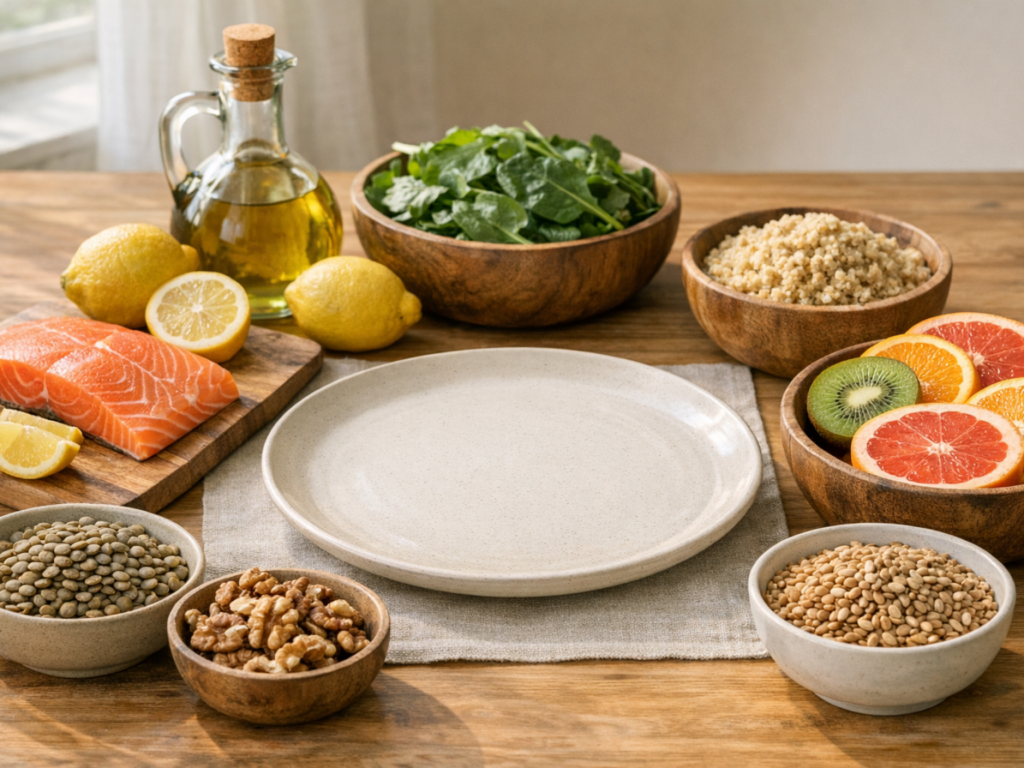
Research generally suggests that a Mediterranean-style dietary pattern is more favorable for male reproductive health than a Western-style pattern. This does not require an exact cultural diet; rather, it means emphasizing nutrient-dense, minimally processed foods.
- Fruits and vegetables: provide vitamin C, carotenoids, polyphenols, folate, potassium, and fiber, all of which may support antioxidant defenses and vascular-metabolic health.
- Whole grains and legumes: contribute B vitamins, magnesium, plant protein, and steady carbohydrate delivery, helping reduce glycemic spikes and inflammatory stress.
- Fish and seafood: provide omega-3 fatty acids, iodine, selenium, and high-quality protein. Omega-3 fatty acids are components of sperm membranes and may influence membrane fluidity and motility.
- Nuts, seeds, and olive oil: supply monounsaturated fats, vitamin E, selenium in some nuts, and phytochemicals that may help counter lipid peroxidation.
- Moderate dairy, eggs, and lean proteins: can contribute zinc, choline, B12, and amino acids needed for normal spermatogenesis.
A less favorable pattern often includes frequent sugar-sweetened beverages, excess saturated fat, trans fats, processed meats, and low intake of plant foods. These patterns may correlate with obesity, dyslipidemia, systemic inflammation, and insulin resistance, all of which can affect the hypothalamic-pituitary-gonadal axis and the testicular microenvironment.
Key nutrients involved in sperm production and function
Several nutrients are repeatedly discussed in male fertility because they participate in DNA synthesis, mitochondrial function, membrane stability, or antioxidant defense. Deficiency is more relevant than simply taking high doses.
- Zinc: involved in testosterone metabolism, spermatogenesis, chromatin stabilization, and antioxidant enzyme function. Low zinc intake may occur with very restrictive diets, malabsorption, or low intake of animal proteins, seafood, nuts, and legumes.
- Selenium: required for selenoproteins such as glutathione peroxidases, which help protect sperm from oxidative damage. Both deficiency and excess selenium can be problematic, so supplementation should be cautious.
- Folate and vitamin B12: support DNA synthesis and methylation. Inadequate status could theoretically affect sperm DNA integrity, especially in the context of poor overall diet or malabsorption.
- Vitamin C and vitamin E: antioxidant nutrients that help protect aqueous and lipid compartments, respectively. They are commonly included in fertility supplements, although trial evidence varies.
- Omega-3 fatty acids: docosahexaenoic acid and eicosapentaenoic acid may influence sperm membrane composition, motility, and inflammatory balance.
- Coenzyme Q10 and carnitine: involved in mitochondrial energy metabolism. They have been studied as supplements for motility-related concerns, but individual benefit is not guaranteed.
- Vitamin D: vitamin D receptors are present in reproductive tissues, and low vitamin D is common in many populations. Its direct effect on semen quality remains under investigation.
Because semen abnormalities can arise from varicocele, infection, endocrine disorders, genetic causes, medications, prior chemotherapy, heat exposure, or ejaculatory problems, nutrient therapy should not be treated as a substitute for evaluation.
Nutrient deficiencies: who is at higher risk?
Clinically meaningful deficiencies are more likely in some groups. People following very low-calorie diets, poorly planned vegan or vegetarian diets, extreme bodybuilding diets, or restrictive elimination diets may have inadequate intake of zinc, B12, iodine, omega-3 fatty acids, iron, calcium, or vitamin D. Gastrointestinal disorders such as celiac disease, inflammatory bowel disease, chronic diarrhea, bariatric surgery, and pancreatic insufficiency can also impair absorption.
Heavy alcohol use may worsen nutritional status by reducing intake, altering liver metabolism, and impairing absorption or storage of vitamins. Smoking and some recreational drugs can add oxidative stress, which may compound poor dietary quality. If substance exposure is relevant, it is worth discussing it nonjudgmentally with a clinician, particularly when semen results are abnormal.
Deficiency symptoms are not always obvious. Fatigue, neuropathy, glossitis, easy bruising, poor wound healing, muscle weakness, or recurrent infections may suggest broader nutritional or medical issues, but many people with low vitamin D, B12, or zinc have nonspecific symptoms or none at all. Testing should be individualized; a clinician may consider blood counts, ferritin, B12, folate, vitamin D, metabolic markers, thyroid testing, reproductive hormones, or other studies depending on the clinical context.
Body weight, insulin resistance, and sperm health
Nutrition affects sperm not only through micronutrients but also through metabolic physiology. Obesity, central adiposity, and insulin resistance are associated with inflammatory signaling, oxidative stress, altered leptin and insulin pathways, and changes in sex hormone balance. Increased aromatase activity in adipose tissue can raise estradiol relative to testosterone, potentially influencing gonadotropin signaling and spermatogenesis.
Weight loss, when appropriate and medically supervised, may improve metabolic markers and sometimes reproductive hormones. However, extreme dieting, rapid weight loss, anabolic steroid use, or aggressive supplement regimens may worsen fertility. The goal is not a specific appearance, but a sustainable metabolic environment: adequate protein, fiber-rich carbohydrates, unsaturated fats, regular physical activity, sufficient sleep, and treatment of conditions such as diabetes, hypertension, and sleep apnea.
For people with a low body weight or high training load, under-fueling can also matter. Low energy availability may suppress reproductive hormones and impair recovery. Endurance athletes, physique competitors, and people with disordered eating patterns should seek specialized nutrition and medical support before attempting major changes while trying to conceive.
Do antioxidant supplements improve male fertility?
Antioxidant supplements are widely marketed for sperm health. The rationale is understandable: oxidative stress can damage sperm membranes and DNA, and nutrients such as vitamin C, vitamin E, selenium, zinc, folate, carnitine, and coenzyme Q10 may support antioxidant defense or mitochondrial function. However, the clinical evidence is not simple.
Randomized trials have studied many different antioxidant combinations, doses, populations, and durations. Some studies report improvements in semen parameters or pregnancy outcomes, while others do not. Cochrane reviews emphasize that evidence quality varies and that more robust trials are needed to clarify which men benefit, which products and doses are useful, and whether improvements translate into live birth.
There are also safety considerations. More is not always better: excessive selenium can cause toxicity; high-dose vitamin E may interact with anticoagulants; high vitamin A intake can be harmful; iron should generally not be taken unless indicated; and multi-ingredient products may contain undisclosed stimulants or overlapping doses. If semen analysis shows abnormalities, it is more prudent to review results with a reproductive urologist, fertility specialist, or knowledgeable primary care clinician before starting supplements.
Food-first strategies when trying to conceive
A practical food-first approach is usually safer and more sustainable than trying to build a complex supplement stack. Consider the following foundations for the 2–3 months before repeat semen testing or active conception attempts.
- Build meals around plants: aim for varied colors of vegetables and fruits, plus legumes or whole grains most days.
- Include fertility-relevant proteins: fish, eggs, poultry, beans, lentils, tofu, yogurt, and modest portions of lean meat can all fit, depending on preferences and medical needs.
- Choose fats intentionally: replace trans fats and frequent deep-fried foods with olive oil, avocado, nuts, seeds, and omega-3-rich fish such as salmon, sardines, or trout.
- Limit ultra-processed foods: reduce frequent processed meats, refined sweets, and sugar-sweetened beverages, especially if triglycerides, glucose, or weight are concerns.
- Moderate alcohol: heavy alcohol intake can affect hormones, erectile function, liver metabolism, and nutrient status. Couples trying to conceive may benefit from discussing alcohol reduction goals together.
- Hydrate and time caffeine reasonably: hydration supports general health, while moderate caffeine intake is usually not the central issue; very high intake may reflect sleep deprivation or stress.
Because sperm parameters fluctuate, a single abnormal semen analysis is often repeated. Nutritional changes are best viewed as part of a broader plan that may also include avoiding heat exposure to the testes, reviewing medications, addressing sleep and stress, and evaluating for varicocele or hormonal imbalance.
When to seek medical evaluation
If pregnancy has not occurred after 12 months of regular unprotected intercourse, or after 6 months when the female partner is 35 or older, both partners are usually advised to seek evaluation. Earlier assessment is reasonable if there is a history of undescended testis, testicular surgery, chemotherapy, pelvic radiation, anabolic steroid use, recurrent miscarriage, known female-factor concerns, erectile or ejaculatory dysfunction, or abnormal prior semen analysis.
A semen analysis typically evaluates volume, sperm concentration, total sperm number, motility, and morphology. Depending on findings, clinicians may consider repeat testing, reproductive hormone evaluation, scrotal examination or ultrasound, genetic testing, infection assessment, or sperm DNA fragmentation testing. Nutrition can support fertility, but it cannot reliably overcome severe spermatogenic failure, obstructive azoospermia, significant endocrine disorders, or genetic abnormalities without appropriate care.
It is emotionally common for sperm-related findings to feel personal or stigmatizing. They are medical data, not a judgment of masculinity or effort. Many causes are treatable or manageable, and a compassionate, evidence-based approach can help couples make decisions without blame.
Medical cautions
- Do not delay fertility evaluation for severe semen abnormalities while trying diet changes alone.
- Avoid high-dose selenium, vitamin A, iron, or multi-ingredient supplements unless a clinician recommends them.
- Stop anabolic steroids or testosterone only with medical guidance; these can suppress sperm production.
- Seek prompt care for testicular pain, swelling, trauma, or signs of infection.
- Discuss medications, recreational drugs, heavy alcohol use, and restrictive dieting honestly with a healthcare professional.
Tools & Assistance
- Semen analysis through a fertility clinic, reproductive urologist, or accredited laboratory
- Registered dietitian consultation for restrictive diets, obesity, diabetes, gastrointestinal disease, or suspected deficiencies
- Primary care visit for metabolic screening, vitamin deficiency assessment, and medication review
- Reproductive urology evaluation for abnormal semen analysis, varicocele, hormonal concerns, or prior testicular conditions
- Shared preconception planning appointment for both partners
FAQ
How long does it take for diet changes to affect sperm?
Because sperm development takes roughly 2–3 months, nutrition and lifestyle changes may need at least one spermatogenic cycle before they are reflected in semen testing.
Can a supplement fix low sperm count?
Sometimes supplements may help selected men, especially if there is deficiency or oxidative stress, but they do not correct all causes. Low sperm count should be evaluated medically, particularly if it is severe or persistent.
Is a vegan diet bad for sperm?
Not necessarily. A well-planned vegan diet can be nutrient-dense, but attention to vitamin B12, zinc, iodine, vitamin D, calcium, protein, and omega-3 status is important.
Are antioxidants always safe for fertility?
No. Antioxidants can interact with medications or cause toxicity at high doses, and trial evidence is mixed. It is best to discuss supplements with a clinician.
Should both partners change their diet while trying to conceive?
Often yes. A supportive preconception pattern can benefit both partners’ general health and may reduce blame or pressure on one person.
Sources
- PubMed / U.S. National Library of Medicine — Diet and male fertility: evidence and implications
- Cochrane — Antioxidants for male subfertility
- Eunice Kennedy Shriver National Institute of Child Health and Human Development — Male Infertility
Disclaimer
This article is for informational purposes only and does not replace medical advice, diagnosis, or treatment. Consult a qualified healthcare professional for personalized fertility evaluation and nutrition guidance.
















Please log in to leave a comment.