

Intro
Delaying pregnancy is increasingly common for personal, educational, career, financial, relationship, medical, and social reasons. For many people, postponing parenthood is a thoughtful and necessary choice, not a lack of planning. At the same time, reproductive biology changes with age, and understanding those changes can help individuals and couples make informed, compassionate decisions about timing, evaluation, and fertility support.
Age-related fertility decline is not a judgment on anyone’s choices or body. It is a biological pattern influenced by ovarian reserve, egg quality, sperm factors, medical conditions, and time. A medically literate approach means recognizing both the statistics and the individual variability: some people conceive quickly in their late 30s or early 40s, while others experience difficulty much earlier. If pregnancy is desired now or in the future, discussing personal risk factors with a reproductive healthcare professional can be empowering.
Highlights
Female fertility generally declines gradually from the early 30s and more noticeably after the mid-30s, largely because egg number and egg chromosomal quality decrease with age.
Delayed pregnancy can still be very possible, but time becomes a more clinically important factor, especially after age 35 or when cycles are irregular.
Male age and sperm quality also matter; conception is a shared biological process, not solely dependent on the person carrying the pregnancy.
Earlier evaluation may be appropriate for people over 35, those with known reproductive conditions, or couples with recurrent pregnancy loss.
Fertility preservation, preconception counseling, and assisted reproductive technologies can expand options, but they cannot fully eliminate age-related biological limits.
Why fertility changes with age
Human ovaries contain a finite number of oocytes. The number is highest before birth, declines through childhood, and continues to fall across reproductive life. Ovarian reserve refers to the remaining pool of follicles capable of responding to hormonal signals; it is often estimated with tests such as anti-Müllerian hormone, antral follicle count, and sometimes follicle-stimulating hormone and estradiol. These tests can help guide counseling, but they do not perfectly predict spontaneous conception in any one cycle.
Age-related fertility decline is driven not only by fewer eggs but also by changes in egg quality. As oocytes age, meiotic errors become more common, increasing the likelihood of aneuploid embryos, which have an abnormal number of chromosomes. Many aneuploid embryos do not implant, while others may result in early miscarriage or chromosomal conditions. This is why the chance of pregnancy per cycle and the chance of ongoing pregnancy are not the same.
Uterine health, tubal patency, ovulatory function, metabolic health, and immune or inflammatory conditions can also influence fertility. However, in reproductive endocrinology, maternal age remains one of the strongest predictors of both natural conception and success rates with fertility treatment using one’s own eggs.
What delayed pregnancy means clinically
Delayed pregnancy usually refers to attempting pregnancy later than the age at which fertility is biologically highest, often in the mid-20s to early 30s. Clinically, age 35 is often used as a threshold because fertility decline and pregnancy risks become more pronounced, but this is not a cliff. Biology changes along a continuum, and individual circumstances vary widely.
For people under 35 with regular cycles and no known risk factors, many clinicians define infertility as not conceiving after 12 months of appropriately timed unprotected intercourse or donor insemination attempts. For people aged 35 or older, evaluation is often recommended after 6 months. For people over 40, or anyone with irregular periods, known endometriosis, prior pelvic infection, chemotherapy exposure, recurrent miscarriage, or suspected male factor infertility, seeking care sooner is usually reasonable.
Delayed pregnancy can also intersect with life complexity. Some people delay because they are waiting for a stable partner, managing chronic illness, recovering from pregnancy loss, navigating gender-affirming care, or weighing financial constraints. A supportive clinical conversation should include reproductive goals, emotional readiness, medical history, and realistic timelines rather than focusing only on age.
Ovulation, cycle predictability, and the fertile window
Regular menstrual cycles often suggest ovulation, but they do not guarantee optimal timing or egg quality. With age, cycles may shorten because the follicular phase changes, and ovulation may become less predictable during the late reproductive years. Some people continue to have apparently regular bleeding while ovarian reserve is declining.
The fertile window is the several days before ovulation and the day of ovulation itself, because sperm can survive in the reproductive tract for several days while the egg remains viable for a shorter period. Tracking methods such as luteinizing hormone urine tests, cervical mucus observation, basal body temperature, and cycle apps can help identify timing, but they are imperfect. Apps that rely only on calendar averages may be less reliable for people with variable cycles.
If cycles are consistently shorter than about 21 days, longer than about 35 days, absent, or associated with very heavy bleeding or significant pelvic pain, medical assessment is appropriate. Conditions such as polycystic ovary syndrome, thyroid disease, hyperprolactinemia, hypothalamic dysfunction, diminished ovarian reserve, endometriosis, and uterine pathology may contribute to delayed conception and may require individualized care.
Pregnancy probability, miscarriage, and chromosomal risk
Natural fecundability, the probability of conception in a single menstrual cycle, is highest in the younger reproductive years and decreases with age. The decline is especially relevant after the mid-30s and becomes more substantial in the early 40s. Importantly, a positive pregnancy test is not the same as a live birth; the risk of early pregnancy loss rises as the proportion of chromosomally abnormal embryos increases.
Miscarriage is common and usually not caused by anything the pregnant person did. Age-related chromosomal error is one of the most frequent biological explanations for early loss. Recurrent pregnancy loss, typically defined as two or more clinical pregnancy losses by many professional groups, deserves evaluation regardless of age, though age remains an important component of counseling.
Delayed pregnancy may also be associated with higher rates of some obstetric complications, including gestational diabetes, hypertensive disorders of pregnancy, placenta-related complications, cesarean birth, and multiple pregnancy when fertility treatments are used. These risks are not reasons to panic; they are reasons for thoughtful preconception care, early prenatal care, and individualized risk assessment.
The partner’s age and sperm quality also matter
Fertility discussions often focus on ovaries and eggs, but conception requires healthy sperm as well. Semen parameters include concentration, motility, morphology, and total motile sperm count. Sperm DNA fragmentation and oxidative stress may also affect reproductive outcomes, although testing and interpretation vary by clinical context.
Male fertility can change with age, medical conditions, medications, heat exposure, smoking, alcohol use, anabolic steroid use, varicocele, infections, and environmental exposures. Advanced paternal age has been associated with longer time to pregnancy and some increased risks, although the pattern differs from ovarian aging. Because sperm testing is relatively noninvasive and informative, semen analysis is often part of an early fertility evaluation.
For couples or partners trying to conceive later in reproductive life, it is especially important not to assume that delayed conception is due only to maternal age. Combined mild factors are common: slightly reduced ovarian reserve plus borderline semen parameters, or age-related egg quality changes plus irregular ovulation. Identifying all contributing factors helps clinicians recommend the most appropriate next steps.
When to seek a fertility evaluation
A fertility evaluation does not commit anyone to treatment. It is a way to clarify anatomy, ovulation, ovarian reserve, sperm parameters, and medical conditions that may influence the chance of pregnancy. Many people find that having data reduces uncertainty, even when the results are emotionally complex.
Consider discussing evaluation with a clinician if any of the following apply:
- You are younger than 35 and have not conceived after 12 months of regular, appropriately timed attempts.
- You are 35 or older and have not conceived after 6 months.
- You are 40 or older and planning pregnancy, even if you have only recently started trying.
- Your periods are irregular, absent, very painful, or unusually heavy.
- You have known or suspected endometriosis, fibroids affecting the uterine cavity, prior pelvic inflammatory disease, ovarian surgery, chemotherapy or radiation exposure, or recurrent pregnancy loss.
- Your partner has a history of low sperm count, testicular surgery, chemotherapy, anabolic steroid use, or erectile or ejaculatory dysfunction.
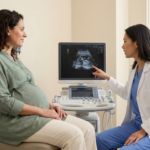
Typical evaluation may include a detailed medical and reproductive history, cycle assessment, ovarian reserve testing, ultrasound, confirmation of ovulation, uterine and tubal evaluation when indicated, and semen analysis. The exact approach depends on age, symptoms, duration of trying, and personal goals.
Options for people delaying pregnancy
For those not ready to conceive now but considering future pregnancy, preconception counseling can still be useful. A clinician may review age, menstrual history, medications, chronic conditions, family history, vaccination status, genetic carrier screening, and lifestyle factors. This visit can help identify issues that are easier to address before pregnancy.
Fertility preservation, especially oocyte cryopreservation, may be considered by people who want to delay pregnancy or who face medical treatments that could impair fertility. Egg freezing is more effective when performed at younger ages because more eggs are typically retrieved and a higher proportion are chromosomally normal. However, it is not a guarantee of a future baby. Success depends on age at freezing, number of mature eggs stored, laboratory quality, sperm source, embryo development, uterine factors, and future health.
Assisted reproductive technologies may include ovulation induction, intrauterine insemination, in vitro fertilization, intracytoplasmic sperm injection, preimplantation genetic testing for aneuploidy in selected cases, and use of donor eggs or donor sperm. IVF can help overcome tubal disease, severe male factor infertility, and some unexplained infertility, but IVF using one’s own eggs is still strongly affected by age. Donor eggs can substantially reduce the effect of ovarian age because embryo potential is more closely related to the donor’s age, though pregnancy still requires assessment of the uterus and overall health.
Lifestyle, chronic health, and emotional wellbeing
Lifestyle cannot reverse ovarian aging, but it can support general reproductive health and reduce modifiable risks. Evidence-based preconception care often includes taking folic acid or a prenatal vitamin when pregnancy is being attempted, optimizing weight and metabolic health where relevant, managing thyroid disease or diabetes, avoiding tobacco and nicotine, limiting alcohol, avoiding recreational drugs, reviewing medications for pregnancy safety, and addressing sleep and stress in realistic ways.
It is also important to protect emotional wellbeing. Trying to conceive after a delay can bring grief, urgency, guilt, resentment, or fear, especially when friends or family conceive easily. These emotions are valid. Fertility care can be medically intensive and financially stressful, and people may need counseling, support groups, or structured decision-making help.
Couples and individuals may benefit from setting time-based checkpoints rather than waiting indefinitely. For example, someone aged 37 may decide in advance to seek evaluation after 6 months of trying, while someone aged 40 may schedule preconception or reproductive endocrinology consultation before attempting or soon after starting. This approach can reduce regret and preserve options while respecting personal readiness.
Seek medical guidance promptly if
- You are 35 or older and have not conceived after 6 months of trying.
- You are over 40 and planning pregnancy or just beginning to try.
- Your periods are absent, highly irregular, very painful, or unusually heavy.
- You have had two or more pregnancy losses.
- You or your partner have known fertility risk factors such as endometriosis, prior pelvic infection, chemotherapy exposure, or abnormal semen results.
- You develop severe pelvic pain, heavy bleeding, or symptoms of ectopic pregnancy such as one-sided pain, dizziness, or shoulder-tip pain after a positive pregnancy test.
Tools & Assistance
- Schedule a preconception visit with an obstetrician-gynecologist, reproductive endocrinologist, or fertility specialist.
- Track cycle length, ovulation signs, and timing of intercourse or insemination for several months.
- Request partner evaluation, including semen analysis, when pregnancy is taking longer than expected.
- Review chronic conditions and medications with a healthcare professional before attempting pregnancy.
- Consider counseling or fertility-focused mental health support if the process feels overwhelming.
FAQ
Is 35 really a fertility cliff?
No. Age 35 is a useful clinical threshold, not a sudden cliff. Fertility declines gradually, but the decline becomes more noticeable in the mid-to-late 30s, and evaluation is usually recommended sooner.
Can ovarian reserve tests tell me whether I can get pregnant naturally?
They can provide helpful information about expected response to fertility treatment and remaining follicle pool, but they do not perfectly predict natural conception or egg chromosomal quality.
Does IVF overcome age-related fertility decline?
IVF can improve the chance of pregnancy in some situations, but success with a person’s own eggs still declines with age because egg quality is central. Donor eggs may reduce the effect of ovarian age.
Should my partner be tested too?
Yes, when conception is delayed, semen analysis is usually appropriate. Male factor infertility is common and may coexist with age-related ovarian factors.
If I already had a child, can age still affect a second pregnancy?
Yes. Secondary infertility can occur even after a previous uncomplicated pregnancy, especially when more time has passed or new reproductive, medical, or sperm factors have developed.
Sources
- American College of Obstetricians and Gynecologists — Fertility and reproductive aging
- American Society for Reproductive Medicine — Optimizing natural fertility: a committee opinion
- ReproductiveFacts.org — Age and fertility
Disclaimer
This article is for informational purposes only and does not replace individualized medical advice, diagnosis, or treatment. Consult a qualified healthcare professional for personal fertility or pregnancy guidance.













Please log in to leave a comment.