
Intro
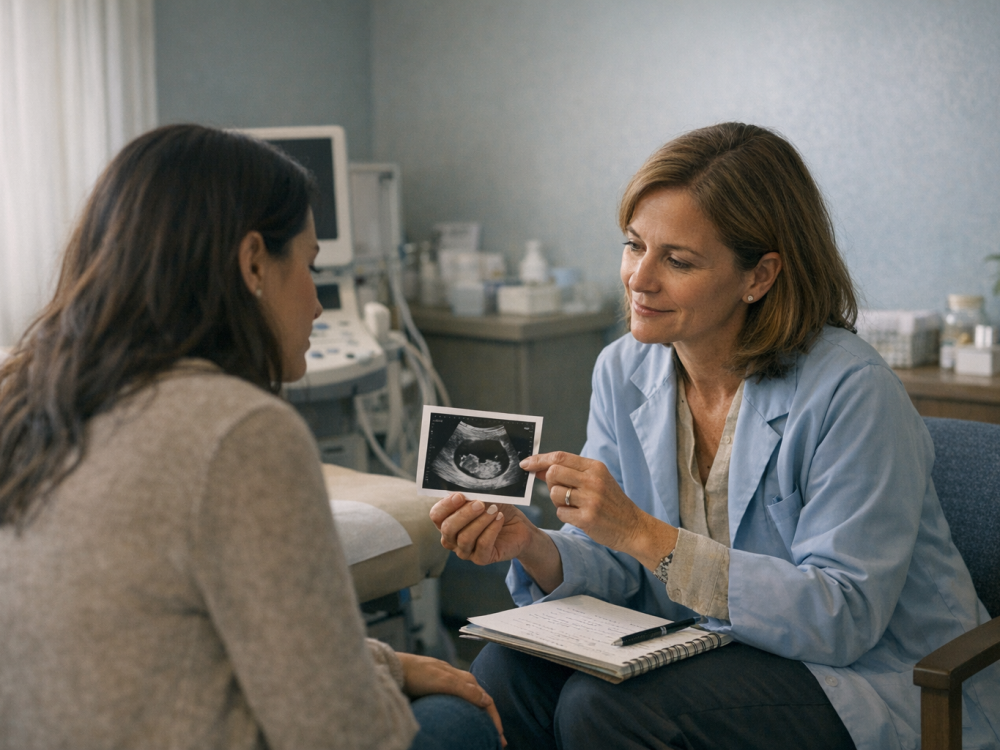
Trying to conceive after a miscarriage can be emotionally complicated. Many people feel hopeful and frightened at the same time: hopeful because pregnancy happened before, and frightened because loss can make every cramp, test result, or waiting period feel loaded with meaning. From a medical perspective, a prior miscarriage is common and, for most people, does not prevent a later healthy pregnancy.
The chances of pregnancy after miscarriage depend on several overlapping factors, including age, ovulation, timing of intercourse, the gestational age and cause of the loss if known, the number of prior miscarriages, prior live births, medical conditions, and emotional readiness. Evidence increasingly shows that, after an uncomplicated early pregnancy loss, there is usually no physiological need to delay trying for months solely to improve outcomes. Still, individualized guidance from an obstetrician, midwife, reproductive endocrinologist, or other qualified clinician is important, especially after repeated losses or complicated miscarriage care.
Highlights
Most people who have one miscarriage go on to have a healthy pregnancy, and one prior loss usually does not mean there is an underlying fertility problem.
Research in early pregnancy loss has found that trying to conceive within 0–3 months is not associated with worse outcomes and may be associated with higher pregnancy or live birth rates in some groups.
Previous pregnancies can be reassuring because they show that conception has occurred before, but they do not eliminate the effects of age, ovulatory patterns, sperm factors, uterine anatomy, or medical conditions.
Recurrent pregnancy loss deserves medical evaluation, especially after two or more consecutive miscarriages or when there are additional risk factors.
Emotional readiness matters. Being medically cleared to try again and feeling psychologically prepared are related but not identical.
Miscarriage is common, and future pregnancy is often possible
Miscarriage, also called spontaneous pregnancy loss, usually refers to loss before 20 weeks of gestation. Early miscarriage is most often related to chromosomal abnormalities in the embryo, particularly sporadic aneuploidy. In many cases, this is a random event rather than a sign that the uterus cannot carry a pregnancy or that the couple cannot conceive again.
For someone who has already conceived, a previous pregnancy demonstrates that at least one cycle resulted in ovulation, fertilization, embryo development to implantation, and detectable pregnancy. That history can be clinically meaningful. However, it does not guarantee the same probability in every future cycle. Fertility remains probabilistic, and the monthly chance of conception varies with age, timing of intercourse relative to ovulation, semen parameters, tubal factors, endometrial receptivity, body weight, endocrine conditions, and other health variables.
A single miscarriage generally has a good prognosis. Mayo Clinic notes that most people who miscarry go on to have healthy pregnancies. After one miscarriage, the estimated risk of miscarriage in a later pregnancy is often around 20%. After two consecutive miscarriages, the risk is higher, around 25%, and after three or more consecutive miscarriages, it may be about 30% to 40%. These figures are approximate and should be interpreted in context, because age and medical history can shift individual risk substantially.
How soon can pregnancy happen after miscarriage?
Ovulation can resume relatively soon after an early miscarriage, sometimes before the next menstrual period. This means pregnancy can occur in the first post-loss cycle if unprotected intercourse happens during the fertile window. Clinicians may suggest waiting until bleeding has stopped, infection has been excluded or treated, and the person feels ready. Some also recommend waiting until after one normal menstrual period because it can make pregnancy dating easier, not necessarily because waiting improves biological outcomes.
Evidence does not support a universal requirement to delay for several months after an uncomplicated early pregnancy loss. A peer-reviewed analysis of couples trying to conceive after early loss found that those who began attempting conception within 0–3 months had higher pregnancy and live birth rates than those who waited longer. The authors concluded there was no physiological evidence supporting delay after early pregnancy loss.
Another study examining interpregnancy interval after pregnancy loss found that an interval of less than three months was associated with the lowest risk of repeat miscarriage. Importantly, trying to conceive immediately after a miscarriage was not linked to an increased miscarriage risk in the next pregnancy. These findings can be reassuring for people who feel ready soon after a loss. At the same time, they do not mean everyone should try immediately; emotional recovery, medical complications, and personal circumstances are legitimate reasons to wait.
Previous pregnancies: live births, miscarriages, and what they suggest
When clinicians review fertility history, they distinguish between several patterns. A prior live birth followed by difficulty conceiving or pregnancy loss may be called secondary infertility or secondary recurrent loss, depending on the situation. A prior miscarriage without a live birth may raise different concerns if losses repeat. A prior uncomplicated pregnancy is reassuring, but it does not rule out new factors such as advancing maternal age, a newly developed thyroid disorder, changes in body weight, pelvic infection, endometriosis progression, or a partner’s altered semen parameters.
Previous pregnancies can influence counseling in several ways:
- Prior live birth: This suggests that conception and carrying a pregnancy have occurred before, which is generally favorable, but age-related fertility decline and new medical issues still matter.
- One prior miscarriage: This is common and usually does not require an extensive recurrent loss evaluation unless there are red flags.
- Two or more losses: Many clinicians consider evaluation after two consecutive miscarriages, especially in people over 35 or those with infertility, known uterine abnormalities, autoimmune disease, or endocrine disorders.
- Later miscarriage or loss with complications: Loss in the second trimester, heavy bleeding, infection, or suspected cervical insufficiency may warrant more specific assessment before trying again.
The key point is that pregnancy history is informative, not deterministic. It helps guide risk assessment and testing, but it cannot predict a future pregnancy outcome with certainty.
Timing intercourse and understanding the return of ovulation
After miscarriage, the hypothalamic-pituitary-ovarian axis usually resumes cycling, though timing can vary. Human chorionic gonadotropin, or hCG, declines over days to weeks depending on the gestational age at loss and whether all pregnancy tissue has passed or been treated. Ovulation generally occurs after hCG falls sufficiently, but home ovulation predictor kits may be confusing if residual hCG cross-reacts or if cycles are irregular.
For natural conception, the highest probability occurs when intercourse takes place in the fertile window, especially in the five days before ovulation and on the day of ovulation. If cycles become regular again, cervical mucus changes, basal body temperature patterns, or luteinizing hormone testing may help identify ovulation. If cycles remain irregular or absent for several weeks after miscarriage, a clinician can assess whether this is expected recovery or whether retained tissue, thyroid dysfunction, hyperprolactinemia, polycystic ovary syndrome, or another factor should be considered.
It is also reasonable to think about general fertility optimization: folic acid or a prenatal vitamin as recommended by a clinician, management of chronic conditions, avoidance of tobacco, moderation or avoidance of alcohol while trying, review of medications for pregnancy safety, and attention to timing rather than daily testing. For many couples, a practical approach is intercourse every 1–2 days during the fertile window, if that is comfortable and emotionally sustainable.
Risk of another miscarriage: what changes the odds?
The risk of miscarriage is not the same for everyone. Maternal age is one of the strongest predictors because the proportion of eggs with chromosomal abnormalities increases over time. Embryonic chromosomal abnormalities are a major cause of early loss, so age can affect both conception probability and miscarriage risk. Paternal age, while generally a weaker factor than maternal age, may also contribute in some contexts.
Other contributors can include uterine structural differences such as septate uterus or fibroids that distort the cavity, antiphospholipid syndrome, poorly controlled diabetes, thyroid disease, significant obesity or underweight, smoking, high alcohol exposure, some infections, and certain genetic rearrangements in either parent, such as balanced translocations. Many miscarriages, however, remain unexplained even after evaluation.
It is important not to interpret a miscarriage as a personal failure. Exercise, sex, working, nausea level, or ordinary stress are rarely the explanation for an early loss. Most early miscarriages are not preventable by behavior after implantation. If a modifiable risk factor exists, addressing it may improve the overall reproductive environment, but that is different from blaming someone for a loss that was biologically outside their control.
When medical evaluation is especially important
Many people do not need extensive testing after one early miscarriage. Still, a follow-up visit can confirm physical recovery, review pathology if available, discuss Rh status when relevant, and help plan future conception. Medical evaluation becomes more important when losses are recurrent, later in pregnancy, associated with complications, or accompanied by infertility.
Common components of evaluation may include a detailed pregnancy history, ultrasound assessment of the uterus, blood tests for thyroid function or diabetes control, testing for antiphospholipid antibodies in selected cases, and genetic counseling or karyotyping when indicated. The exact evaluation varies by history, country, clinical guidelines, and patient preferences.
Seek urgent medical care after miscarriage if there is heavy bleeding, fainting, severe abdominal pain, fever, foul-smelling discharge, or signs of infection. Also consult promptly if pregnancy tests remain strongly positive for a prolonged period, bleeding persists, or there is concern for ectopic pregnancy. These situations need individualized medical assessment rather than home management.
Emotional readiness and planning the next pregnancy
Being physically able to conceive again does not automatically mean feeling ready. Some people want to try again immediately because action feels healing. Others need time to grieve, recover from medical procedures, or reduce anxiety. Both responses are valid. A supportive clinician should be able to discuss the medical evidence while respecting the emotional reality of pregnancy after loss.
In a future pregnancy, anxiety often rises around the gestational age when the prior loss occurred. Some people benefit from early ultrasound confirmation, serial hCG testing when clinically appropriate, or a clear plan for whom to contact if bleeding or pain occurs. Others prefer fewer tests because monitoring increases distress. There is no single emotionally correct approach.
If grief becomes overwhelming, sleep and appetite are severely affected, panic is frequent, or daily functioning is impaired, mental health support can be an important part of reproductive care. Pregnancy after miscarriage is not only a biological event; it is also a psychological transition that deserves compassion and careful support.
When to seek prompt care
- Heavy bleeding, dizziness, fainting, or severe one-sided pelvic pain after a miscarriage needs urgent medical assessment.
- Fever, chills, worsening abdominal pain, or foul-smelling discharge may suggest infection and should not be ignored.
- Two or more consecutive miscarriages, a second-trimester loss, or miscarriage with infertility warrants discussion with a clinician.
- If periods do not return, pregnancy tests stay positive, or symptoms persist for weeks, follow-up is important.
- Do not start or stop medications, hormones, aspirin, anticoagulants, or supplements for miscarriage prevention without professional guidance.
Tools & Assistance
- Schedule a post-miscarriage follow-up with an obstetrician, midwife, or reproductive endocrinologist.
- Track bleeding resolution, menstrual return, and ovulation signs if emotionally comfortable.
- Review medications, chronic conditions, vaccinations, and prenatal vitamin needs before trying again.
- Seek counseling, a pregnancy loss support group, or perinatal mental health care if grief or anxiety feels unmanageable.
- Ask about recurrent pregnancy loss evaluation if you have had two or more losses or a later pregnancy loss.
FAQ
Does one miscarriage mean I am less fertile?
Usually no. One miscarriage is common and often reflects a sporadic embryonic chromosomal problem rather than reduced fertility. Individual factors such as age, ovulation, sperm health, and medical history still matter.
Is it unsafe to try again before the next period?
After an uncomplicated early miscarriage, evidence does not show that immediate attempts increase the risk of another miscarriage. Some clinicians suggest waiting for one period mainly for dating convenience, but personal medical advice may differ.
Do previous live births improve my chances after miscarriage?
A prior live birth is generally reassuring because it shows that conception and carrying a pregnancy have happened before. However, it does not remove the influence of age, new health conditions, uterine factors, or sperm factors.
When is miscarriage considered recurrent?
Definitions vary, but many clinicians begin considering recurrent pregnancy loss evaluation after two consecutive miscarriages, especially if the person is older than 35 or has other risk factors.
Can I prevent another early miscarriage?
Many early miscarriages are caused by chromosomal abnormalities and cannot be prevented. What you can do is optimize health, manage known conditions, avoid tobacco and harmful exposures, and get individualized medical care.
Sources
- National Institutes of Health, PMC — Trying to Conceive After an Early Pregnancy Loss
- Mayo Clinic — Pregnancy after miscarriage: What you need to know
- National Institutes of Health, PMC — Interpregnancy Interval After Pregnancy Loss and Risk of Repeat Miscarriage
Disclaimer
This article is for informational purposes only and is not a substitute for medical diagnosis, treatment, or individualized reproductive care. Consult a qualified healthcare professional about miscarriage, fertility, pregnancy timing, or urgent symptoms.
















Please log in to leave a comment.