
Intro
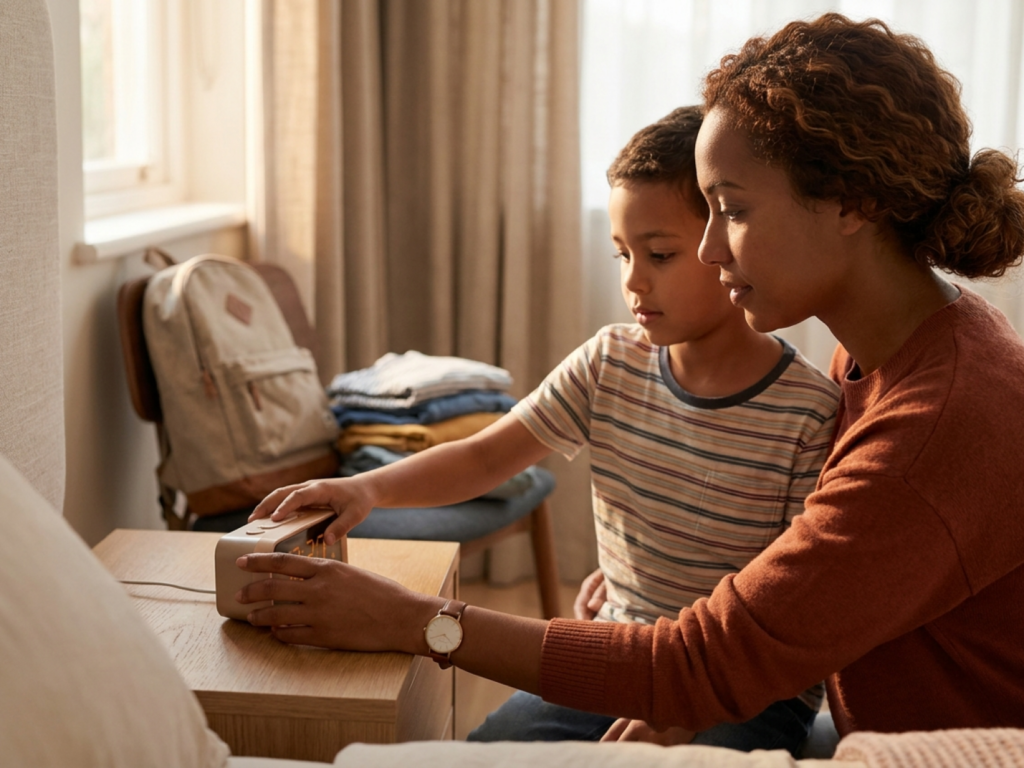
Choosing a first alarm clock can feel surprisingly emotional. It is not just a gadget; it is a small step toward independence, self-management, and calmer mornings for the whole household. For many school-age children, learning to wake with a clock is a gradual skill, not a test of character or maturity.
A good choice respects both biology and family reality. Children still need adequate sleep opportunity, consistent routines, and adult support, especially if mornings are difficult because of insufficient sleep, anxiety, neurodevelopmental differences, medications, or possible sleep disorders.
Highlights
The best first alarm clock is simple enough for a child to use and reliable enough for parents to trust.
For school-age children, audible alarms often matter more than toddler-style visual wake cues, but gentle lights can still help.
A clock should support the bedtime routine, not compensate for too little sleep.
Medical red flags such as habitual snoring, extreme morning sleepiness, or sudden sleep changes deserve professional advice.
Start with readiness, not just age
Most school-age children can begin practicing with an alarm clock somewhere in the early elementary years, but readiness varies widely. A child who understands time, follows a short morning sequence, and wants more responsibility may enjoy the change. Another child of the same age may still need close adult scaffolding because of temperament, sleep debt, anxiety, attention regulation, or family logistics.
Frame the alarm clock as a tool, not a promotion that can be lost. Children often do better when adults say, “This will help your body learn mornings,” rather than, “You are old enough to get up alone now.” That distinction matters because waking is partly behavioral and partly physiologic. Sleep inertia, the groggy transition from sleep to alertness, can be strong in children, especially when wake time occurs during deep sleep or after a short night.
Before buying, ask what problem the clock should solve. Is the child leaving bed too early, sleeping through parental wake-ups, arguing about getting dressed, or needing privacy from constant reminders? The answer guides the type of clock.
Protect sleep before expecting independence
An alarm clock cannot replace sufficient sleep opportunity for children. If a child is consistently hard to wake, irritable in the morning, or falling asleep during quiet activities, first consider whether bedtime and wake time allow enough total sleep. School-age children commonly need a substantial sleep window, and many families underestimate how early bedtime must be when buses, breakfast, and transitions are included.
A stable bedtime routine helps the alarm work because the brain learns predictable cues: dimmer light, hygiene, reading, reassurance, and lights-out. The clock should fit into this routine rather than becoming another stimulating device. If the model has colored lights or sounds, set them before bedtime, not while the child is already dysregulated or negotiating.
Also look at circadian timing. Bright screens, late sports, caffeine exposure, and irregular weekend sleep can shift melatonin secretion and make morning waking biologically harder. Screen boundaries before bed and morning light exposure are often more effective than simply choosing a louder alarm. If the clock becomes a daily battle, reassess the schedule before blaming the child.
Choose features that match a school-age child
For a first alarm clock, prioritize clarity. A large readable display, simple buttons, and a dependable audible alarm are more important than novelty features. Many families like separate weekday and weekend settings because children do not have to reprogram the clock on Friday night, and parents are less likely to discover a silent alarm on Monday morning.
Some children still benefit from an ok-to-wake style visual cue, such as a color change that means stay in bed, read quietly, or start the morning. This can be useful for younger school-age children who wake too early or share a room. Older children may prefer a more traditional clock that feels grown-up, especially if babyish designs create resistance.
Consider whether parental app oversight is helpful or counterproductive. App control can prevent accidental setting changes and let adults adjust schedules, but it may also introduce privacy, connectivity, and device-management concerns. For many families, a non-connected clock is sufficient and less distracting. If you choose a smart model, review child online privacy settings and keep unnecessary notifications, microphones, or interactive features out of the sleep environment.
Think carefully about sound, light, and sensory needs
The alarm should wake the child without startling the whole nervous system. A gradual sound, nature tone, or increasing volume may reduce abrupt sympathetic activation, while a very loud buzzer may provoke panic, anger, or avoidance in some children. On the other hand, a child who sleeps deeply may need a stronger auditory cue, placed far enough away that they must sit up or stand to turn it off.
Light can help, especially in dark winter mornings. A sunrise-style lamp or gentle color cue may support circadian alerting, although it is not a medical treatment for circadian rhythm disorders. Keep nightlight brightness low and warm-toned overnight so it does not interfere with sleep onset. For children who are visually sensitive, give them control over dimming within parent-set limits.
Sensory processing differences matter. A child with autism spectrum traits, ADHD, migraine susceptibility, or anxiety may experience common alarms as physically distressing. In that case, trial the sound in the daytime, let the child rate it, and choose predictable, adjustable cues. If mornings involve severe distress, aggression, or shutdown, professional assessment may be appropriate.
Set up the first week as practice
Introduce the clock on a low-pressure weekend or school break if possible. Let the child help choose the alarm tone, confirm the display, and rehearse the morning sequence: alarm rings, turn it off, bathroom, dress, breakfast, backpack. Practicing while fully awake builds procedural memory, which is easier to access during sleep inertia.
Use a short checklist for the first week. The goal is not immediate independence; it is skill acquisition. Parents may still enter the room after the alarm, but with a supportive script: “Your clock rang. What is your first step?” This keeps responsibility with the child while preserving connection.
Avoid punishment for sleeping through the alarm, especially at the beginning. Instead, troubleshoot like a team. Was bedtime too late? Was the volume too low? Was the clock within arm’s reach? Did weekend sleep consistency fall apart? Celebrate partial progress, such as waking but needing one reminder. Children learn best when mornings are predictable and emotionally safe.
Safety, durability, and the bedroom environment
A child’s first clock should be physically safe and practical. Look for stable construction, covered battery compartments, appropriately certified electrical components, and cords that do not create strangulation or tripping hazards. Very young school-age children or siblings may still mouth small parts, so avoid detachable pieces or button batteries unless the compartment is securely screwed shut.
Bedroom placement matters. A clock across the room can prevent automatic snoozing, but it should not require climbing from a top bunk or navigating clutter in the dark. If the child needs glasses, consider display size and contrast. If they share a room, choose vibration, light, or lower-volume options when feasible so one child’s schedule does not repeatedly disrupt another’s sleep.
Keep screens out of bedrooms overnight when possible. A dedicated alarm clock is often preferable to a phone because it avoids late notifications, games, social messaging, and blue-enriched light exposure. This is one reason a simple clock can be a healthier autonomy tool than handing over a multipurpose device.
When morning difficulty may signal more than habit
Some children struggle to wake because the routine is new; others struggle because sleep quality or mental health needs attention. Consider discussing concerns with a pediatric clinician if your child has habitual snoring, witnessed pauses in breathing, restless sleep, morning headaches, enuresis after prior dryness, marked daytime sleepiness, sudden school decline, or persistent insomnia. These features can occur with sleep-disordered breathing, restless legs symptoms, circadian rhythm disorders, anxiety, depression, medication effects, or other medical issues.
Do not use an alarm clock to force a chronically sleep-deprived child into functioning. If the child needs repeated escalating alarms, falls back asleep sitting up, or has major mood dysregulation every morning, the plan needs review. Sometimes the most effective intervention is an earlier bedtime, a gradual wake-time shift, treatment of nasal obstruction or allergies, or support for worry at bedtime.
The right alarm clock can encourage confidence, but it works best inside a compassionate sleep plan. Independence grows when adults combine clear expectations with curiosity about what the child’s body and brain are telling them.
Use caution if mornings are unusually difficult
- Seek medical advice for habitual snoring, breathing pauses, or gasping during sleep.
- Do not rely on louder alarms to compensate for chronic sleep deprivation.
- Review medications and health conditions with a clinician if sleepiness changes suddenly.
- Avoid alarms that trigger panic, severe distress, or sensory overload.
- Keep cords, button batteries, and small detachable parts away from younger siblings.
Tools & Assistance
- A one-week sleep and wake diary noting bedtime, wake time, night wakings, and morning mood
- A simple morning checklist placed near clothes or the bedroom door
- A pediatrician or sleep medicine consultation for persistent sleepiness, snoring, or insomnia
- A dedicated non-phone alarm clock with weekday and weekend settings
- A family charging station outside bedrooms for phones and tablets
FAQ
What age is best for a first alarm clock?
Many children are ready in early elementary school, but readiness depends on time understanding, sleep habits, and emotional regulation more than age alone.
Should I choose an ok-to-wake clock or a regular alarm?
Younger school-age children who get up too early may benefit from visual cues. Children who need help waking for school usually need a reliable audible alarm.
Is it okay to use a phone alarm?
A phone alarm can work, but a dedicated clock is often better because it avoids overnight notifications, games, and screen exposure.
What if my child sleeps through every alarm?
Check sleep duration, bedtime timing, volume, and placement first. If the problem persists or daytime sleepiness is significant, consult a healthcare professional.
Sources
- UrbanHello — Best kids' alarm clock: compare every clock to wake up right
- UrbanHello — Sleep trainer clock guide: find the best ok-to-wake clock
- Reviewed — 5 Best Alarm Clocks for Kids of 2026
Disclaimer
This article is for general educational purposes and is not a diagnosis or treatment plan. Consult a qualified healthcare professional for persistent sleep problems, breathing concerns, or significant daytime sleepiness.

















Please log in to leave a comment.