
Intro
Child gear planning is less about buying every recommended product and more about matching equipment to a child’s anatomy, neuromotor skills, cognition, supervision needs, and environment. The right gear can reduce friction for caregivers, support exploration, and lower foreseeable injury risks, while the wrong gear can create clutter or hazards.
Age labels are useful starting points, not a substitute for clinical judgment, product instructions, or knowledge of an individual child. Prematurity, neurodevelopmental differences, motor delays, medical devices, vision or hearing differences, and temperament may all change what is appropriate. When safety or medical needs are complex, a pediatrician, occupational therapist, physical therapist, or certified child passenger safety technician can help tailor choices.
Highlights
Gear should be chosen by developmental stage, not marketing pressure. Age ranges help, but skills and supervision needs matter just as much.
Safety-critical items deserve the most attention. Car seats, sleep surfaces, helmets, medication storage, and feeding equipment should be current, correctly fitted, and used exactly as instructed.
Public play equipment is age-banded for a reason. Toddlers, preschoolers, and grade-school children need different climbing heights, barriers, and challenge levels.
Secondhand gear can be practical, but only if it has no recalls, missing parts, damage, or outdated safety features.
Start with developmental fit, not a shopping list
Useful child gear does one of three things: it protects a child from a predictable hazard, supports a daily caregiving task, or expands safe participation in play, movement, feeding, hygiene, learning, or travel. A product that does none of these may still be enjoyable, but it should not crowd out safety-critical equipment or caregiver capacity.
Age-based child product choices work best when paired with observation. Ask what the child can reliably do when tired, excited, hungry, or in a new setting. A toddler who can climb before they can understand limits needs different home and playground planning than a cautious peer of the same age. A preschooler with strong language but weak impulse control still needs physical safeguards, not only verbal reminders.
Age labels on toys and products often reflect choking hazards, small parts, strength requirements, cognitive complexity, and foreseeable misuse. They are not achievement goals. Moving a child into older equipment too early can increase falls, entrapment, ingestion risk, or frustration. Keeping a child in infant gear too long can also be unsafe if weight, height, or motor milestones exceed the product’s limits.
Infants: prioritize sleep, transport, feeding, and floor-based development
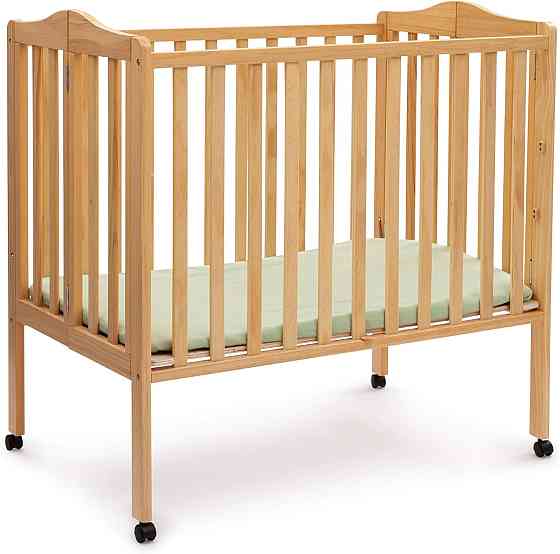
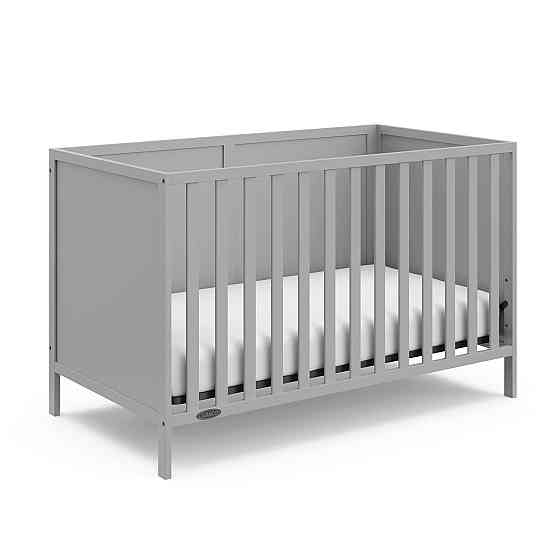
For infants, the highest-value gear usually supports safe sleep, safe transport, feeding, diapering, bathing, and supervised awake movement. A firm, flat sleep surface that follows current safety standards is more important than decorative bedding or positioning products. Caregivers should avoid adding pillows, loose blankets, soft bumpers, or unapproved sleep devices, especially because infant airway anatomy and immature arousal responses make positional compromise clinically important.
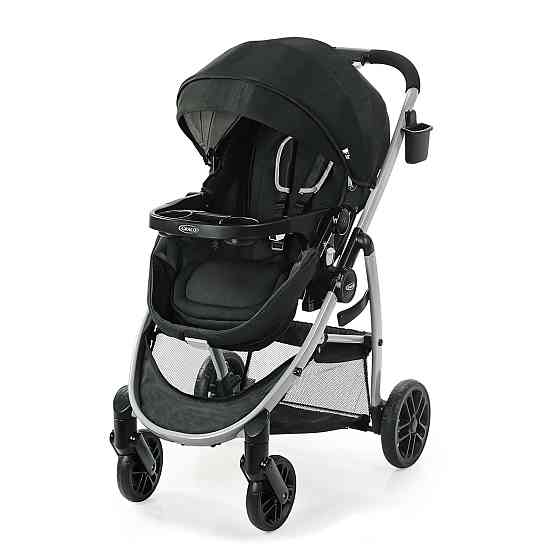
Transport gear should be selected by the child’s size and used exactly according to the manufacturer’s instructions. If a car seat is secondhand, verify that it is not expired, recalled, crashed, missing labels, or missing parts. For families using strollers or carriers, fit and restraint use matter; an infant with poor head control needs positioning that protects the airway and spine without forcing chin-to-chest flexion.
Developmental gear should not replace human interaction or safe movement opportunities. Supervised tummy time while awake, simple high-contrast objects, rattles that are too large to choke on, and washable floor mats often do more than complex devices. For infants with reflux, hypotonia, torticollis, feeding difficulties, or oxygen or tube equipment, caregivers should ask clinicians about positioning and safe equipment use rather than improvising with pillows or inclined products.
Toddlers: support mobility while controlling foreseeable hazards
Toddler gear planning often feels intense because mobility advances faster than judgment. The child may run, climb, open containers, pull furniture, and imitate adults while still lacking hazard appraisal. This is the stage for safety-critical equipment such as properly installed gates where appropriate, anchored furniture, locked medication storage, outlet protection suited to the home, cabinet locks for toxic substances, and correctly fitted travel restraints.
Choose toddler independence products that reduce conflict without giving unsafe access. Examples include a stable step stool with supervision at the sink, a low table for art or snacks, shoes that match the child’s walking skill and environment, and feeding items that minimize breakage but still allow skill practice. A stable high chair or booster should match weight limits, have functional restraints, and be used on the intended surface.
For play, durable, open-ended toddler play products usually outperform single-purpose electronic items. Push-pull toys, large blocks, nesting cups, chunky art tools, balls sized to avoid choking, and pretend-care items encourage motor planning, joint attention, and language-rich play with caregivers. Avoid items with small parts, button batteries, high-powered magnets, cords that can wrap around the neck, or projectiles. Toddlers benefit from challenge, but the challenge should be embedded in a controlled environment, not in equipment designed for older children.
Preschoolers: add coordination, pretend play, and early self-care tools
Preschool children are often ready for more complex fine motor, gross motor, and pretend play materials. Gear can support dressing practice, toileting routines, early drawing, cutting with child-safe scissors, simple building, musical exploration, and pretend play in early childhood. This is also a useful age to rotate toys rather than continually adding new ones; fewer visible options can improve sustained attention and reduce overstimulation.
Public play choices should remain developmentally appropriate. Government playground safety guidance separates age groups because preschool children are not simply smaller grade-school children. They may have improving balance and strength but limited risk prediction, inconsistent grip endurance, and impulsive movement. Equipment that is too tall, too widely spaced, or designed for older children can increase fall and entrapment risk.
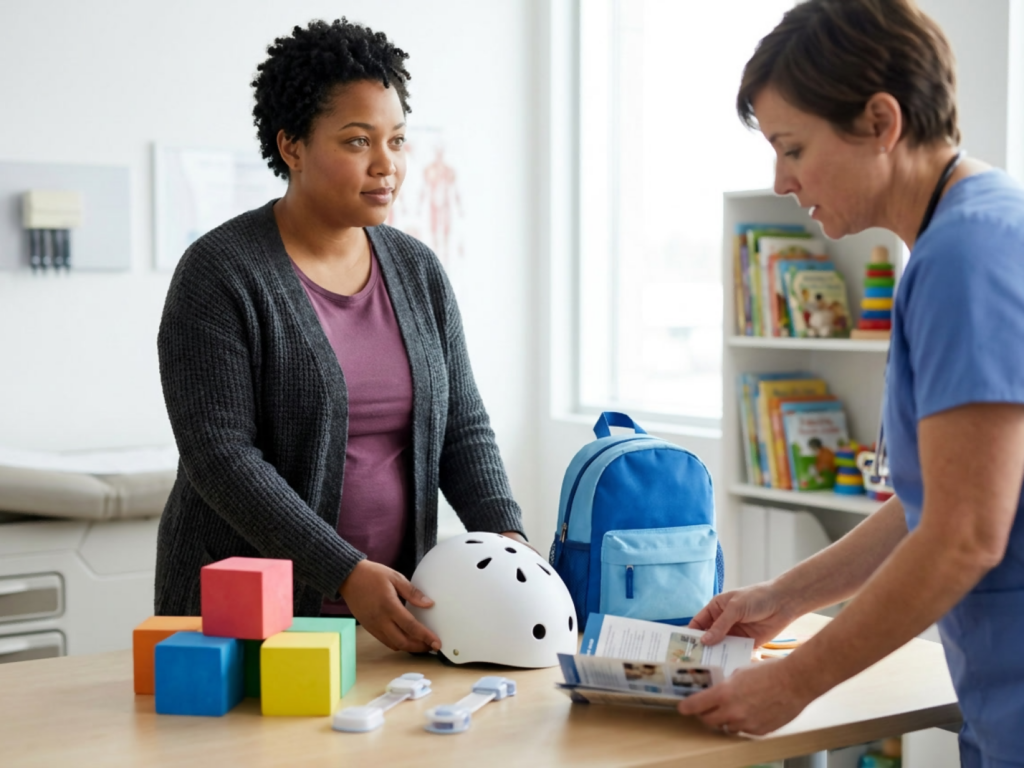
In practical terms, preschool gear may include a helmet for wheeled play when indicated, appropriately sized protective equipment, art supplies with non-toxic labeling, simple board games, picture books, and storage systems children can use. For children with sensory processing differences, motor delays, or disabilities, adapted toys for developmental needs may include larger handles, visual supports, seating adaptations, or adaptive switches. An occupational or physical therapist can help distinguish helpful adaptation from over-support that limits skill-building.
School-age children: plan for sport, study, independence, and public play
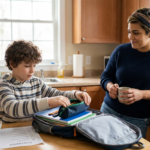
School-age gear planning expands beyond the home. Children may need backpacks that fit, school-age organization tools, weather-appropriate clothing, sports equipment, bicycle or scooter helmets, reflective items for visibility, and supplies that support homework without turning the home into a classroom. Gear should help the child participate while gradually assuming responsibility for care of belongings.
For playgrounds, grade-school children can usually manage more complex climbing, upper-body equipment, and cooperative games than preschoolers, but supervision and maintenance still matter. Caregivers should look for age-appropriate signage, protective surfacing, guardrails where indicated, absence of protruding hardware, and separation of toddler or preschool areas from equipment meant for older children. The safest option is not always the least challenging option; rather, it is challenge matched to strength, coordination, and judgment.
Sports and recreation gear should be correctly sized and sport-specific. A helmet made for one activity may not protect adequately in another. Mouthguards, shin guards, flotation devices, and protective pads should be selected according to the activity and fitted to the child, not purchased for them to “grow into” when protection depends on close contact. If a child has asthma, diabetes, epilepsy, prior concussion, congenital heart disease, or another medical condition, caregivers should discuss activity planning and emergency supplies with the child’s healthcare team.
Preteens: shift toward autonomy, privacy, and risk literacy
Preteens often need less bulky gear but more thoughtful systems. Planning may include sports and hobby equipment, menstrual supplies when relevant, personal hygiene products, digital safety tools, a well-fitting backpack, safe storage for medications, and organizational supports for school and activities. The goal is to increase autonomy without assuming adult-level risk assessment.
This is a good stage to involve the child in evaluating products: What is the purpose? What are the safety instructions? What needs cleaning, charging, replacing, or storing? These conversations build adolescent health literacy tools before adolescence becomes more medically and socially complex. A child who understands why a helmet fits low on the forehead or why medications stay locked is more likely to cooperate than a child who only hears “because I said so.”
Digital gear deserves the same developmental lens as physical gear. A phone, smartwatch, gaming system, or internet-connected toy may be useful for communication or learning, but it also introduces privacy, sleep, attention, and social risks. Families can plan charging locations, content settings, school-night boundaries, and what to do if a child encounters frightening, sexual, or bullying content. The gear is only one part of the safety plan; adult availability and open communication are the protective factors.
Budget, secondhand gear, and when to seek professional input
A realistic gear plan starts with the child’s next six months, not an entire childhood. Prioritize items that address current risks and daily needs: safe sleep products for infants, travel restraints, feeding supports, weather protection, medications and toxic-substance storage, and shoes or mobility aids that fit. Borrowing, buying secondhand, and community swaps can be sensible when the product is safe to reuse.
Secondhand toddler gear safety requires more than a quick visual check. Confirm that the item has all parts, instructions, labels, and hardware; check for recalls; avoid products with unknown crash history or structural damage; and be cautious with older sleep products, car seats, helmets, and electrical items. If a product’s safety depends on an expiration date, impact absorption, flame resistance, or precise installation, secondhand may not be appropriate.
Seek professional input when gear affects breathing, feeding, mobility, posture, seizures, skin integrity, sleep safety, or transport for a medically complex child. Pediatric rehabilitation clinicians can recommend adaptive seating, orthoses, mobility devices, bath supports, and play adaptations. A certified child passenger safety technician can help with complex car-seat installation. The most supportive plan is not the most expensive one; it is the one that fits the child, the caregiver, and the real environment.
Safety cautions
- Do not use products that are recalled, expired, damaged, missing parts, or inconsistent with the manufacturer’s instructions.
- Keep button batteries, high-powered magnets, medications, and toxic substances locked away from children.
- Avoid moving a child into older playground or sports equipment before their size, strength, coordination, and judgment are ready.
- For children with medical complexity, ask a healthcare professional before using positioning, feeding, mobility, or sleep-related gear.
- Secondhand car seats and helmets require special caution because crash or impact history may be unknown.
Tools & Assistance
- Create a six-month gear plan based on current size, skills, routines, and foreseeable risks.
- Check recalls and product instructions before accepting secondhand items.
- Consult a certified child passenger safety technician for car-seat selection or installation questions.
- Ask a pediatrician, occupational therapist, or physical therapist about adaptive equipment for developmental or medical needs.
- Inspect playgrounds for age-appropriate equipment, protective surfacing, and visible maintenance problems.
FAQ
Should I follow age labels exactly?
Age labels are important safety guides, especially for choking and complexity risks, but they should be combined with the child’s size, skills, behavior, and medical needs.
What gear should I prioritize if my budget is limited?
Prioritize safety-critical equipment: safe sleep items, appropriate car restraints, medication and toxin storage, weather protection, feeding safety, and well-fitting helmets or protective gear for activities.
Is secondhand gear safe?
It can be safe if it has no recalls, damage, missing parts, expiration concerns, or unknown crash or impact history. Be especially cautious with car seats, helmets, cribs, electrical items, and sleep products.
When should I ask a professional about gear?
Ask for help when gear relates to breathing, feeding, sleep, posture, mobility, seizures, injury recovery, developmental delay, or transportation for a child with special healthcare needs.
Sources
- U.S. Consumer Product Safety Commission — Public Playground Safety Handbook
- U.S. Government Publishing Office — Handbook for Public Playground Safety
- U.S. Consumer Product Safety Commission — Updating Age Determination Guidelines for Toys
Disclaimer
This article is for general educational purposes and does not diagnose, treat, or replace medical advice. Consult a qualified healthcare professional for individualized guidance about child safety, development, or medical equipment.











Please log in to leave a comment.