
Intro
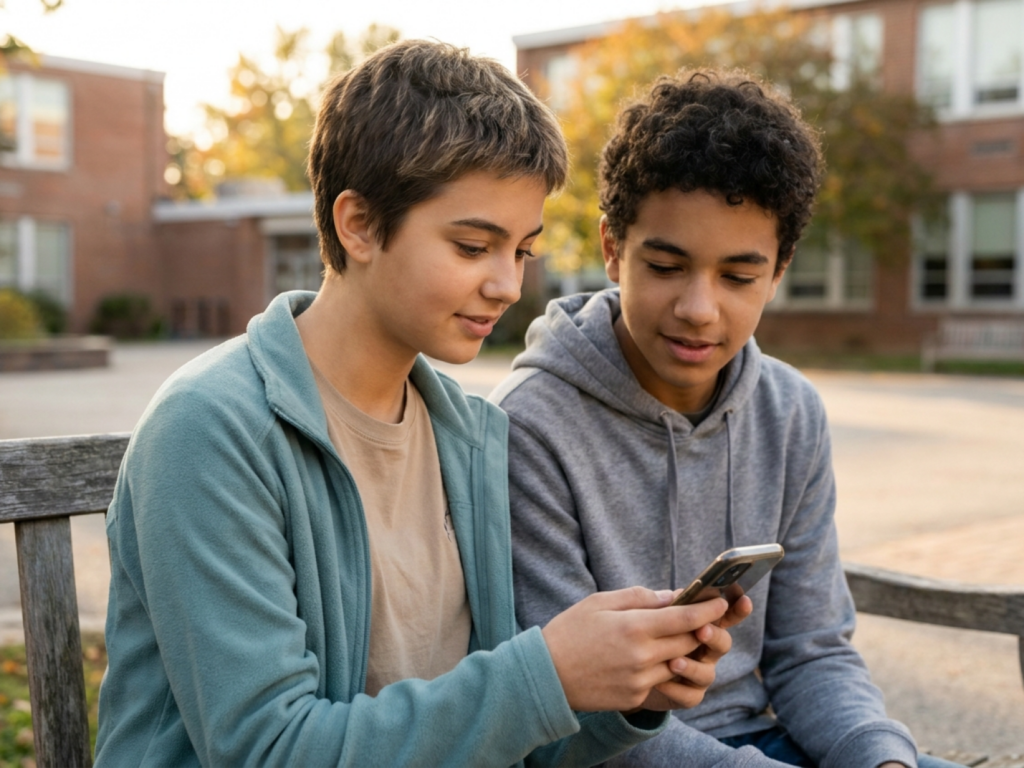
For many teenagers, social media is not separate from relationships; it is where friendships are maintained, feelings are expressed, plans are made, and conflict sometimes unfolds. A message, a post, a streak, or a reaction can feel emotionally meaningful because adolescent relationships are often closely tied to identity, belonging, and self-esteem.
This article looks at how social media can support connection and creativity, and how it can also increase tension, jealousy, exclusion, and stress. The goal is not to label all use as good or bad, but to help families and teens understand the patterns that tend to strengthen trust and the patterns that can weaken it.
Highlights
Social media can help teens feel connected, supported, and included, especially when offline contact is limited.
The same platforms can also intensify drama, comparison, and misunderstandings when communication becomes public or constant.
In romantic relationships, digital behavior may shape closeness, but it can also create pressure, jealousy, and boundary problems.
Problematic use is more concerning than time alone; the impact depends on mood, sleep, safety, and relationship quality.
Supportive adult conversations work better than spying, because trust helps teens talk honestly about online stress.
Why social media matters so much in teen relationships
Adolescence is a period of rapid social development. Teens are learning how to belong, how to balance independence with closeness, and how to read social cues in real time. Social media extends those lessons into a space that is always available, highly visible, and often emotionally intense.
Research in a nationally representative sample of 11- to 15-year-olds found an important difference between intensive use and problematic social media use. Intensive use can sometimes support connection, while problematic use is more likely to be associated with weaker family and social relationships. That distinction matters, because the question is not simply how many minutes a teen spends online; it is whether the online experience is supportive, balanced, and safe.
For many teens, high-quality peer relationships now include both in-person and digital contact. A chat thread may be where inside jokes live, where homework is coordinated, or where reassurance is given after a hard day. At the same time, the same channel can become a place where exclusion, rumor spreading, or silent treatment feels more painful because it is immediate and public.
How social media can strengthen friendship and belonging
Many teenagers say social media helps them feel more connected to friends, more creative, and more able to get support. That makes sense developmentally. Peer approval and belonging are powerful during adolescence, and digital platforms give teens many ways to stay in contact between school, sports, family responsibilities, and homework.
The phrase digital communication in teen friendships captures a real strength of online life: it makes everyday friendship maintenance easier. A teen can check on a friend after a test, share a funny video, coordinate plans, or offer encouragement without waiting for the next school day. For shy teens or those who feel isolated, this can reduce loneliness and lower the barrier to reaching out.
Social media can also support identity exploration. Teens may experiment with humor, art, music, advocacy, or style, then receive feedback from peers. When that feedback is respectful, it can build confidence and a sense of agency. In a healthy pattern, the phone is a bridge, not a substitute for all face-to-face connection. The strongest relationships usually combine digital convenience with real-world time, emotional honesty, and mutual respect.
When online connection turns into conflict or drama
The same features that make social media useful can also make relationships fragile. Teens often report that social media creates conflict or drama, and that is easy to understand. A delayed reply may be read as rejection. A like or follow may be interpreted as flirting. A comment may be viewed by a whole peer group rather than one person, which can magnify embarrassment or anger.
In teen dating, teen romantic relationship boundaries can become blurred online. Questions about who can see messages, whether passwords should be shared, how often someone should respond, or what counts as public affection can all become sources of tension. Constant monitoring, pressured disclosure, and jealousy can be signs that digital communication is being used to control rather than connect.
Online harassment in teenagers is another serious concern. It can include repeated insults, exclusion from group chats, rumor spreading, sexual pressure, or threats. Because these experiences follow a teen home, the stress may be harder to escape than conflict at school. Over time, repeated conflict can contribute to anxiety symptoms, sleep disruption, irritability, and withdrawal from friends.
Healthy habits that protect trust and emotional safety
Healthy social media use is less about strict perfection and more about clear habits. Teens do best when they can pause before posting, ask whether a message is kind and necessary, and think about how something could be received by someone else. That brief pause reduces impulsive posting, which is one reason conflict can spread so quickly online.
Privacy matters. Teens may benefit from separating public and private communication, keeping sensitive conversations out of comment sections, and avoiding the forwarding of screenshots or private messages without consent. Respect for consent conversations with teenagers should apply online as well as offline. If a friend says, do not share that, the healthiest response is to respect the limit.
Families can also talk about screen habits that protect sleep. Late-night notifications can keep the nervous system alert, delay sleep onset, and worsen mood the next day. If a teen is already sensitive to stress, poor sleep can intensify emotional reactivity and make small conflicts feel much bigger. A simple rule such as leaving the phone to charge outside the bedroom can be more effective than repeated arguments about bedtime.
Above all, teens need relationships that feel emotionally safe. That means a friend or partner can disagree, apologize, and repair without humiliation. If a relationship depends on constant surveillance or fear, it is not providing the stability a teen deserves.
How parents and caregivers can help without making things worse
Adults often worry that they need to choose between total freedom and total control. In practice, teens usually respond best to steady, curious, nonjudgmental involvement. family communication with teenagers works better when the conversation starts with what the teen is experiencing rather than with a lecture about technology.
Instead of asking only, How much time did you spend online?, it can help to ask, Did anything online make you feel left out, upset, or pressured today? That question opens space for the teen to describe social comparison, peer conflict, or pressure in a way that is more specific and useful. It also signals that the adult cares about the relationship impact, not just the screen time total.
Caregivers can model healthy boundaries by showing that messages do not need instant replies and that not every social interaction needs public visibility. They can also collaborate on household expectations, such as no phones during meals or a wind-down routine before bed. A collaborative style supports autonomy and makes it more likely that teens will mention serious concerns, including coercion, harassment, or an unsafe relationship.
If a teen is reluctant to talk, persistence with warmth is often better than surveillance. Trust is not built by checking every notification; it is built by being available when something feels wrong.
When to seek extra support
Sometimes social media is not just a nuisance; it is a signal that a teen is struggling. Watch for signs such as persistent sadness, irritability, sleep loss, loss of interest in usual activities, social withdrawal, or a sudden drop in school functioning. These are not diagnoses by themselves, but they can indicate that stress is becoming harder to manage.
Get professional help sooner if there is ongoing online harassment, threats, sexual coercion, pressure to share explicit images, self-harm talk, or a relationship that feels controlling. A pediatrician, family doctor, licensed therapist, school counselor, or adolescent medicine specialist can help assess what is going on and recommend next steps.
In some cases, a confidential adolescent healthcare visit is appropriate because teens may speak more openly when they can talk without an audience. If there is immediate danger, call emergency services or a crisis line right away. Asking for help is not overreacting; it is a responsible response to potential harm.
When adults respond calmly and early, teens are more likely to recover a sense of safety and connection.
Warning signs that need attention
- A teen seems increasingly anxious, sad, or irritable after checking social media.
- Sleep is being lost because of late-night notifications or constant messaging.
- A friend or partner is pressuring the teen to share passwords, images, or private chats.
- There is repeated harassment, public humiliation, or threats online.
- The teen is withdrawing from offline activities, family contact, or trusted friends.
Tools & Assistance
- Pediatrician or family doctor
- School counselor or licensed therapist
- Trusted caregiver conversation about phone rules
- Crisis line or emergency services if safety is immediate
- Local adolescent mental health or youth support clinic
FAQ
Is social media bad for teen relationships?
Not always. It can support friendship, creativity, and belonging, but it can also create conflict, pressure, and comparison.
What is the biggest relationship risk online?
Common risks include misunderstanding, public drama, jealousy, privacy violations, and constant checking that replaces real trust.
How can adults help without becoming controlling?
Use calm questions, listen first, set shared expectations, and focus on safety, sleep, and respect rather than punishment.
When should a professional be involved?
If mood, sleep, school, or relationships are clearly worsening, or if there is harassment, coercion, or self-harm concern.
Sources
- PubMed — Adolescent social media use and its association with relationships and connections
- Pew Research Center — Connection, Creativity and Drama: Teen Life on Social Media in 2022
- Pew Research Center — Chapter 4: Social Media and Romantic Relationships
Disclaimer
This article is for education only and is not a diagnosis or treatment plan. If a teen has significant mood changes, harassment, coercion, self-harm thoughts, or safety concerns, contact a licensed healthcare professional or emergency service promptly.


















Please log in to leave a comment.