
Intro
When a child loses a friend, it can feel surprisingly large. Friendship is part of how children learn trust, belonging, humor, loyalty, and repair after conflict. So even when adults see the event as "just a friendship issue," the child may experience genuine grief, shame, anger, or confusion.
This article looks at friendship loss through a child-development lens. It explains why the breakup hurts, how caregivers can respond in a steady and validating way, what coping skills may help, and which warning signs suggest a need for professional evaluation.
Highlights
Friendship loss can activate real grief and stress responses in children, even when no one has been physically hurt.
Caregivers help most by validating feelings first and solving problems second.
Simple routines, calm presence, and healthy peer contact can reduce distress and support recovery.
Persistent withdrawal, sleep or eating changes, and school problems deserve closer attention.
Not every friendship can or should be repaired, and that is sometimes part of healthy development.
Why friendship loss can hurt so much
Children are not overreacting when a friendship ends badly. In peer relationships in child development, friendships are central practice for cooperation, identity, and emotional safety. A breakup can therefore feel like rejection of the self, not just the loss of a playmate or lunch partner.
Children also have different cognitive and emotional capacities depending on age. Younger children may think in concrete, all-or-nothing terms and assume the relationship is ruined forever. Older children and adolescents may understand the situation more accurately, but they can also ruminate, replay conversations, and interpret silence or exclusion as proof that they are unlikeable. This mix of grief, self-doubt, and social threat can be intense.
It helps to remember that friendship loss is a normal part of growing up. Not every peer conflict is a sign of pathology. Still, the emotional impact is real, and a child may need help naming what happened and making sense of it before they can move forward.
How to respond without minimizing the loss
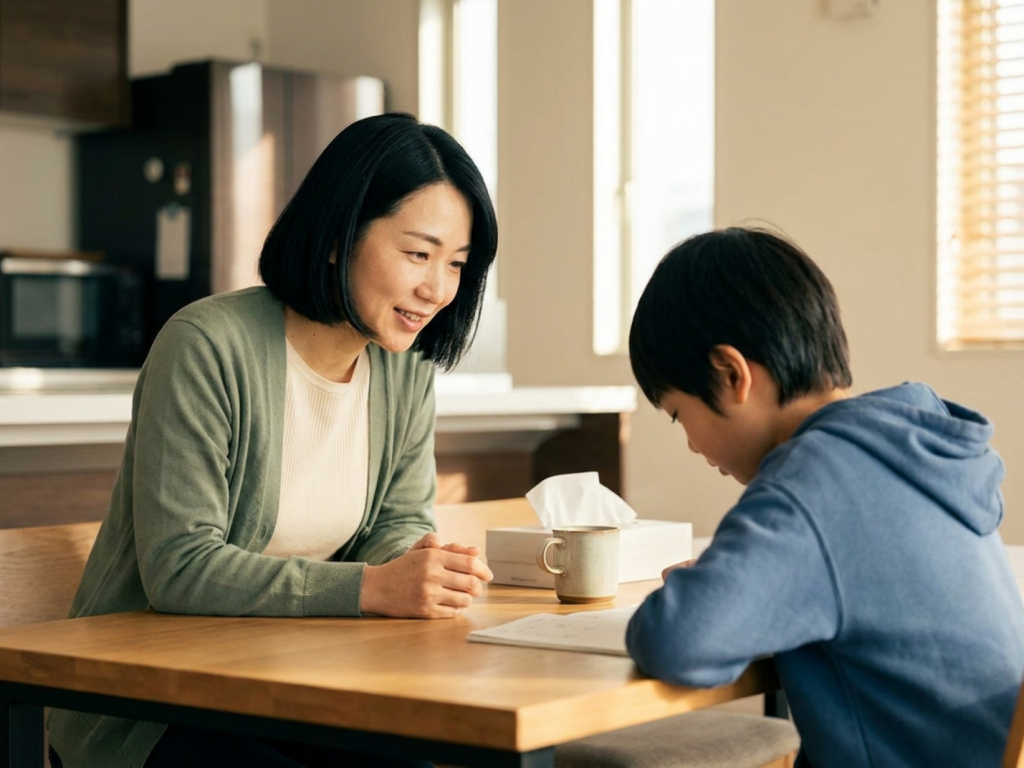
When a child opens up, the first goal is not to fix the friendship. It is to make the child feel understood. Calm listening, brief reflections, and emotional validation tend to work better than immediate advice. Phrases such as “That sounds painful,” “You really cared about this friend,” or “It makes sense that you’re upset” can lower shame and help the child stay engaged.
Caregivers can also use emotion labeling for children by helping the child attach words to what is happening: hurt, embarrassed, angry, jealous, left out, or worried. Naming emotions does not erase them, but it often makes them more manageable. During acute distress, co-regulation during distress matters more than logic. That means the adult stays steady, speaks slowly, and avoids turning the moment into an interrogation or lecture.
It is usually best to avoid minimizing comments such as “You’ll find a new friend tomorrow” or “It was probably silly anyway.” Even if meant kindly, those responses can tell the child that the loss is too small to matter. For many children, the more healing message is: this mattered, and you do not have to carry it alone.
Coping skills that help children recover
After a friendship breakup, children often need help returning to ordinary routines. This is part of child stress and coping: the brain and body respond to social loss as a stressor, and predictability can lower that load. Regular sleep, meals, school attendance when possible, movement, and low-pressure play can all support recovery.
Practical calming skills for children may include:
- Slow breathing or counting exercises during spikes of distress.
- Drawing, writing, building, or other expressive activities that help the child process feelings without pressure.
- A brief “worry time” or check-in, so emotions have a place to go instead of taking over the whole day.
- Short breaks from social media or message threads that keep reopening the wound.
- Predictable routines around bedtime, homework, and after-school transitions.
Not every strategy works for every child. Some children want to talk, while others prefer movement or quiet distraction. The goal is not to force a single coping style, but to help the child notice what reduces distress and what makes it worse.
Helping children rebuild social confidence
Once the initial hurt softens, many children benefit from gradual re-entry into peer contact. Social support for child coping can come from siblings, cousins, classmates, coaches, and teachers, not only from one best friend. Structured peer experiences, such as clubs, team activities, art groups, or supervised playdates, can be easier than unstructured free time because the child has a role and a script.
It is also useful to think about conflict repair after friendship problems. If both children are safe, willing, and respectful, a conversation about what went wrong may eventually help. But repair should not be rushed, and it should never be forced if there was cruelty, bullying, or repeated boundary violations. Sometimes the healthiest choice is not reconciliation but learning from the experience and making room for healthier relationships.
Parents can support confidence by noticing evidence of competence: “You handled that group project well,” or “You were brave to sit with a new table at lunch.” These small observations help children see that belonging can be rebuilt over time, even if one relationship has ended.
When friendship problems need extra attention
Most children recover from friendship loss with time, support, and a return to routine. Still, certain patterns deserve closer review. Persistent sadness, sleep changes, appetite changes, withdrawal from family or peers, irritability, falling grades, school refusal, or a marked loss of interest in usual activities may suggest more than a brief adjustment period.
Pay special attention if the child seems trapped in the same conflict, cannot stop checking messages or social media, or begins to describe themselves as worthless, unwanted, or “bad.” Any talk of self-harm, hopelessness, or not wanting to be here should be treated as urgent. Likewise, if the friendship includes coercion, humiliation, or ongoing bullying, additional support is appropriate even if the child still wants the relationship to continue.
In these situations, a pediatrician, child psychologist, school counselor, or other mental health professional can help assess whether the child is having a stress response, an anxiety pattern, depressive symptoms, or another concern. The key point is not to label the child at home, but to notice functional impairment and seek guidance early when needed.
Supporting children at different ages
Younger children often need simpler explanations and more hands-on coaching. They may benefit from concrete language, a clear plan for the school day, and reassurance that friendships can change without meaning they are unlovable. Adolescents, by contrast, may want privacy, more autonomy, and less adult interference, even while they still need emotional backing.
Digital life can intensify the pain. Group chats, photos, comments, and exclusion from online spaces can make the breakup feel constant. Caregivers do not have to police every message, but it is reasonable to set limits when online contact is prolonging distress. The goal is not punishment; it is emotional recovery.
Teachers and school staff can also help by watching lunch periods, recess, seating arrangements, and group work. Small environmental changes may reduce repeated hurt while the child is rebuilding confidence. Over time, many children learn that one painful ending does not define their worth or their future relationships.
Seek urgent help if you notice:
- Talk of self-harm, hopelessness, or not wanting to live
- Persistent withdrawal from school, play, or family activities
- Sleep or eating changes that continue or worsen
- Bullying, coercion, humiliation, or emotional abuse in the friendship context
- Rapid decline in functioning, including school refusal or severe agitation
Tools & Assistance
- Pediatrician or primary care visit for an initial check-in
- School counselor, teacher, or school psychologist
- Licensed child therapist or family therapist
- Structured activities such as clubs, sports, or art groups
- Calm home routines with regular sleep, meals, and check-ins
FAQ
Is it normal for a child to grieve a friendship?
Yes. Friendship loss can feel like real grief and stress, especially when the child depended on that relationship for belonging and daily connection.
Should I tell my child to make up right away?
Not usually. First validate the hurt, then see whether repair is safe, wanted, and respectful on both sides.
What can I do if my child keeps replaying the breakup?
Offer a brief time to talk, then shift toward calming routines, distraction, and supportive activities that do not keep reopening the wound.
When should we get professional help?
If sadness, withdrawal, sleep or eating changes, school refusal, or safety concerns persist, speak with a healthcare or mental health professional.
Sources
- Child Mind Institute — How to Help Kids Through a Friendship Breakup
- Children's National — Helping your child through a friendship breakup
- Penn State THRIVE — Helping Your Child Through a Friendship Breakup
Disclaimer
This article is for educational purposes only and is not a substitute for individualized medical or mental health care. If you are worried about a child’s safety, functioning, or mood, contact a qualified healthcare professional promptly.

















Please log in to leave a comment.