
Intro
Many families use food as a reward because it works quickly. A child may clean up faster for a cookie, sit still longer for a sweet drink, or agree to a request after hearing that dessert is coming later. In the short term, this can lower stress for caregivers and may even feel warm or generous.
Still, the question is not only whether it works today, but what it teaches over time. When food becomes a regular payoff for behavior, children may learn to connect eating with approval, control, or comfort rather than with hunger and fullness. That is why the answer to food as reward is usually nuanced: sometimes understandable, but often not the best long-term habit.
Highlights
Food rewards can create fast cooperation, but fast results do not always mean healthy learning.
Research suggests repeated food rewards may be linked with later overeating, pickiness, and stronger interest in sweet foods.
The main concern is not one treat now and then, but a pattern that turns food into a bargaining tool.
Non-food rewards and specific praise usually support behavior without strengthening snack cravings.
Why food as a reward feels so effective
Food as a reward works because children learn very quickly from immediate consequences. In behavioral terms, a desired action followed by a pleasant outcome is more likely to happen again. That is why a cookie for putting toys away, or a sweet drink for staying quiet in the store, can feel so effective. It reduces conflict in the moment and gives adults a fast tool when they are tired.
There is also an emotional reason it feels useful. Food can soothe frustration, end a power struggle, and make the adult feel generous. For a busy family, that relief matters. The problem is that a short-term fix can become a long-term habit. When food becomes part of reward systems, the child may begin to expect eating as the payoff for cooperation. The message shifts from You did a helpful thing to You get a treat for being good. Over time, that can shape how children value food and what they expect from it.
What research suggests about later eating patterns
The evidence does not say that every food reward harms every child. It does suggest a pattern that deserves attention. In a large longitudinal study, using food as a reward at age 4 predicted more emotional overeating and picky eating at age 9. That finding matters because it points beyond the moment of reward and toward later eating behavior.
The same study also showed a bidirectional pattern. Children with stronger food responsiveness, meaning they were more likely to notice, want, or respond to food cues, were also more likely to be rewarded with food over time. In other words, some children may already be highly drawn to food, and repeated food rewards may reinforce that draw. Another study comparing parental reward practices found that families who used food rewards more often differed in children’s eating styles and parenting style. Taken together, these studies suggest that food rewards are common, but they are not neutral in every setting.
For families, this means the question is less about blame and more about pattern. A one-time snack reward is not the same as a daily strategy that shapes how a child eats, asks for food, or responds to stress.
How sweet rewards can backfire
One experimental study found that rewarding behavior with a sweet food strengthened how much children valued that food afterward. That is a useful clue. If a food is treated like a prize, the brain may code it as especially desirable. The treat is no longer just a snack; it becomes a symbol of success, approval, or relief.
This matters most when the reward is a highly palatable, calorie-dense sweet. Those foods are already powerful reinforcers for many children. Repeating the pattern can make them feel even more special and may nudge preference toward sweets over time. It can also make less-preferred foods harder to accept. A child with food neophobia in early childhood, for example, may already approach new foods cautiously. If the new food is tied to pressure, bribing, or reward, the child may feel that food is even more threatening or less trustworthy.
That is one reason food rewards can backfire even when they seem motivating in the short term. The child may comply now but become more focused on the treat later, rather than on the activity or the skill you wanted to reinforce.
When food as reward is less concerning
Food as reward is not automatically harmful in every family, every age group, or every situation. A birthday cake after a celebration is not the same as using dessert to control daily behavior. The more important issue is frequency, context, and what the child learns from the pattern.
It tends to be more concerning when food is used to force eating, especially with vegetables, when it is linked to finishing the plate, or when it is used to calm distress. In those situations, children may learn to ignore internal hunger and fullness cues. Over time, that can interfere with responsive feeding instead of pressure, where caregivers notice the child’s cues and avoid turning meals into negotiations.
Food rewards are also more likely to be unhelpful when they are the main way a child gets encouragement. If a child hears praise only when dessert is offered, food can become the center of the relationship around behavior. By contrast, if food is rare as a reward, if it is not used to manage emotions, and if other forms of encouragement are common, the risk is probably smaller. Still, if you notice a pattern, it is worth taking seriously without guilt.
Better alternatives to food rewards
Families usually need replacement tools, not just warnings. The goal is to keep motivation while separating it from eating. Many children respond well to simple, specific, and immediate feedback. Specific process praise for children, such as noticing effort, patience, or kindness, often works better than vague approval. It teaches the child what behavior mattered and why it mattered.
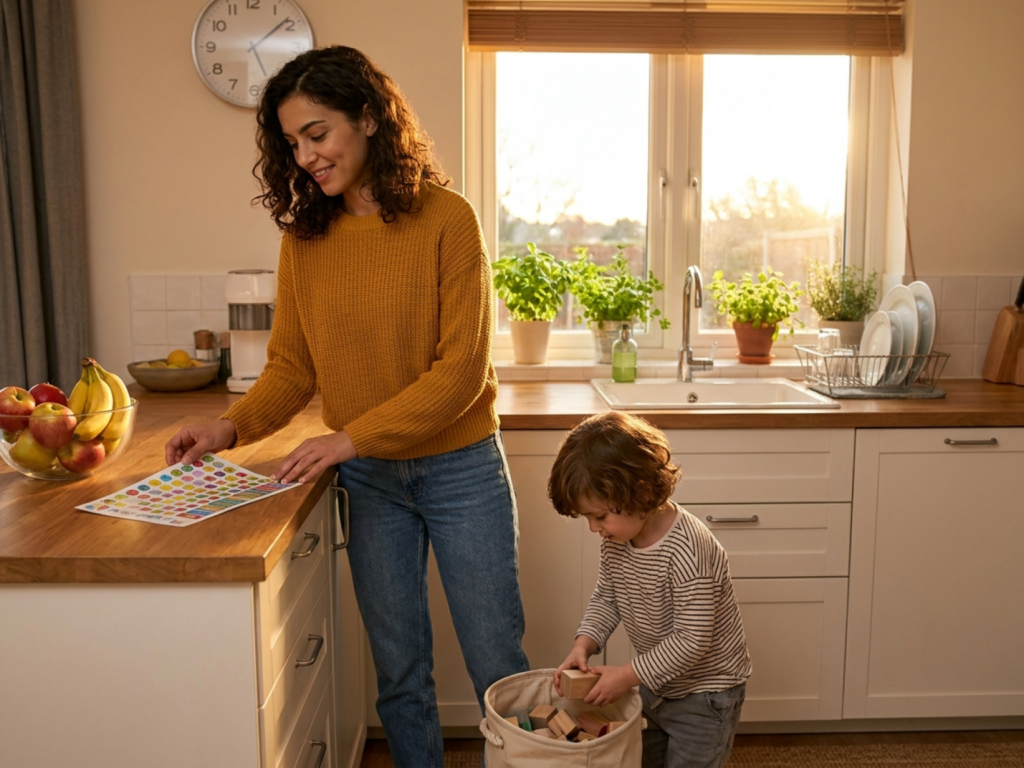
- Use a sticker, extra story, or choosing the next game instead of candy.
- Offer choices that fit the moment, such as picking the bedtime book or the weekend activity.
- Keep healthy snacks for children part of a routine, not a prize.
- Use structured meal and snack times so hunger is more predictable and bargaining is reduced.
These options are still rewards, but they do not strengthen the link between behavior and sweet foods. They also support autonomy, which is important for children who want to feel some control. In that sense, the best reward systems are the ones that guide behavior without making food the main currency of approval.
A practical family approach
If food as a reward is already part of family life, the most realistic goal is usually gradual change rather than perfection. Start by noticing where food rewards happen most often. Is it during homework, bedtime, grocery shopping, or tantrums? That pattern tells you what problem the food is trying to solve.
Then decide which moments can be changed first. A parent might replace one daily sweet reward with a small privilege, a sticker chart, or extra one-on-one time. Another family might keep the treat but remove the pressure language and pair it with calm limits. For eating-related struggles, the priority is usually to protect the meal itself. That means fewer bribes, less commentary, and more trust that the child can regulate appetite across the day.
If mealtimes are tense, a child is becoming more selective, or weight and growth are changing, talk with a pediatrician, registered dietitian, or child mental health professional. A personalized plan can help families support behavior without turning food into a battleground.
When to be careful
- Do not use dessert or sweets to force a child to finish food.
- Avoid rewarding vegetable tasting with candy or other high-sugar treats.
- Watch for rising mealtime conflict, secrecy around food, or anxiety about eating.
- Seek professional advice if growth, weight, vomiting, or severe food refusal is a concern.
Tools & Assistance
- Pediatrician or family doctor
- Registered pediatric dietitian
- Child psychologist or behavioral therapist
- Structured meal and snack schedule
- School counselor or preschool teacher
FAQ
Is food as a reward always bad?
Not always. An occasional treat is unlikely to define a child's eating, but repeated use can shape preferences and habits in unhelpful ways.
Why do sweet rewards seem to work so well?
Sweet foods are highly reinforcing, so pairing them with praise or behavior can increase their value and make children want them more.
What is a better reward than food?
Specific praise, stickers, extra playtime, choice of activity, and other small privileges usually motivate children without linking behavior to eating.
Can food rewards affect picky eating?
They can contribute to it in some children. Research has linked repeated food rewards with later picky eating and emotional overeating.
When should I ask for help?
If mealtimes are very stressful, a child is losing weight, refusing many foods, or showing strong anxiety around eating, speak with a pediatric professional.
Sources
- PubMed Central — Associations of parents' use of food as reward with children's eating behaviour and weight status
- PubMed — Using food as a reward: An examination of parental reward practices
- PubMed Central — Rewarding behavior with a sweet food strengthens its valuation
Disclaimer
This article is for general educational purposes only and is not a substitute for individualized medical advice, diagnosis, or treatment. If you have concerns about a child's eating, growth, weight, or behavior, please consult a qualified health professional.














Please log in to leave a comment.