
Intro
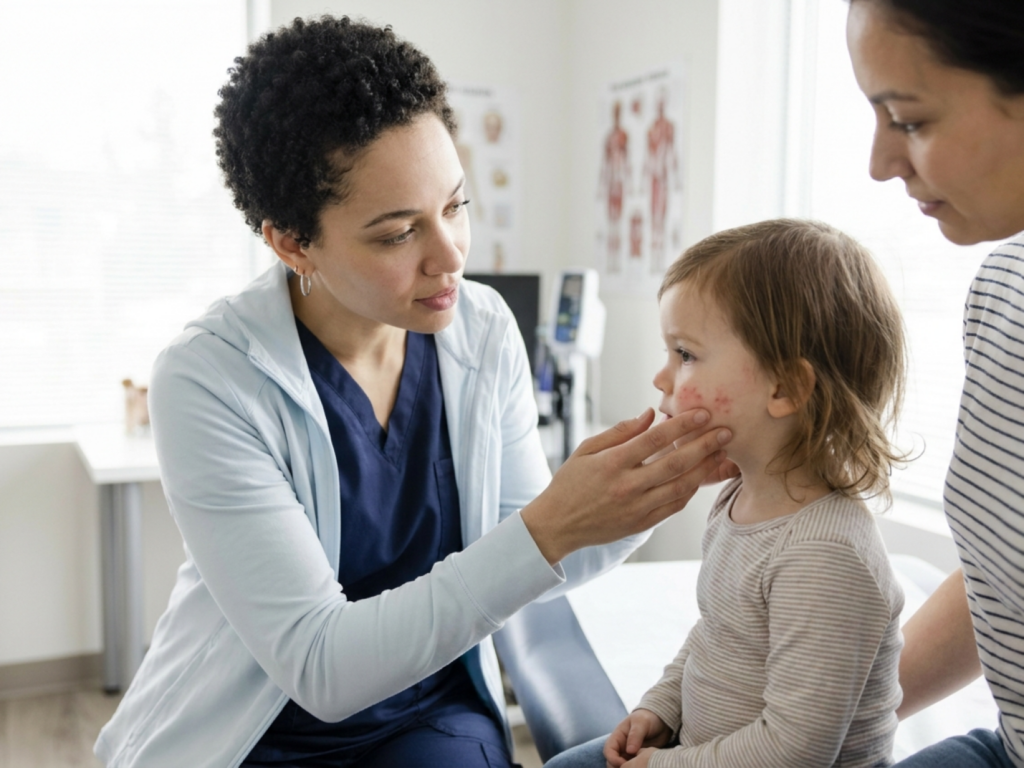
Fifth disease can look alarming when a child suddenly develops bright red cheeks or a lace-like rash, but for many otherwise healthy children it is a mild viral illness that improves with time and comfort care. It is caused by parvovirus B19, a human virus that is not the same as the parvovirus that affects dogs and cats.
Because the illness is most contagious before the classic rash appears, families are often surprised by classroom or household spread. Understanding the symptom pattern, when to seek medical advice, and how recovery usually unfolds can make the experience less stressful.
Highlights
Fifth disease is usually a mild childhood infection caused by parvovirus B19, often recognized by a “slapped-cheek” facial rash followed by a lacy body rash.
Children are typically most contagious early in the illness, before the rash appears, which makes prevention and exposure tracking challenging.
Most healthy children recover with rest, fluids, and symptom relief, but some children and exposed pregnant people or immunocompromised individuals need medical guidance.
A rash alone does not confirm fifth disease; clinicians consider the full clinical picture and may recommend testing in higher-risk situations.
What fifth disease is
Fifth disease, also called erythema infectiosum, is a common viral exanthem of childhood caused by parvovirus B19. The name “fifth disease” comes from an older classification of childhood rash illnesses, where it was listed after measles, scarlet fever, rubella, and another rash syndrome. Today, clinicians usually refer to the cause and presentation rather than relying on that historical numbering.
In children, parvovirus B19 most often causes a brief, mild systemic illness followed by a characteristic rash. The virus infects rapidly dividing red blood cell precursors in the bone marrow. In healthy children this effect is temporary and usually not clinically significant, but it explains why the infection can be more concerning for children with chronic hemolytic anemias, some immune deficiencies, or other conditions affecting red blood cell production.
Fifth disease occurs worldwide and is frequently seen in preschool and school-age children. Outbreaks may occur in childcare settings, classrooms, and households because children share airspace, toys, utensils, and close contact. The illness can occur at any time of year, although clusters are often noticed in late winter, spring, and early summer.
Early symptoms before the rash
The first phase of fifth disease can be nonspecific, which is one reason it spreads easily. A child may seem “a little off” for several days before anyone suspects parvovirus B19. Early symptoms may resemble a mild upper respiratory infection or a low-grade viral syndrome.
Possible early features include:
- Low-grade fever
- Runny or stuffy nose
- Mild sore throat
- Headache
- Fatigue or decreased energy
- Mild muscle aches
- Occasional stomach discomfort
These symptoms are not specific to fifth disease and overlap with many common childhood infections. A clinician may consider age, known exposures, the appearance and timing of the rash, and any underlying medical risks when deciding whether fifth disease is likely.
Some children have very few early symptoms, while others are noticeably tired or irritable. Fever, if present, is usually not high. Parents and caregivers should avoid assuming that every red cheek or viral rash is fifth disease, especially if the child is very ill, has persistent fever, has a non-blanching purple rash, or has signs of dehydration or breathing difficulty.
The classic rash pattern
The best-known sign of fifth disease is the “slapped-cheek” rash: bright redness on both cheeks that may appear suddenly after the early viral symptoms have started to improve. The area around the mouth may look relatively pale by comparison. This facial rash is often what prompts families to call a pediatrician or ask whether the child can return to school.
After the cheek rash, many children develop a second rash on the trunk, arms, buttocks, or legs. This later rash can look pink, red, or slightly raised and often develops a lacy or net-like pattern as it fades. It may be mildly itchy, though many children are not especially bothered by it. The rash can fluctuate, becoming more visible after heat, exercise, bathing, emotional stress, or sun exposure.
The rash phase can be confusing because the child may otherwise seem well. In many cases, by the time the rash is visible, the child is no longer at peak contagiousness. However, school or childcare policies vary, and children with fever or who feel unwell should stay home according to local guidance and medical advice.
Fifth disease is one of several viral rashes in children, and visual appearance alone is not always enough to distinguish it from other conditions. Allergic reactions, scarlet fever, measles in under-immunized communities, medication eruptions, and other infections can sometimes mimic parts of the presentation. Medical assessment is especially important if the rash is painful, blistering, purple, widespread with significant swelling, associated with a stiff neck, or accompanied by a child who appears seriously ill.
How fifth disease spreads
Parvovirus B19 spreads mainly through respiratory secretions, such as droplets released when an infected person coughs, sneezes, talks, or shares close indoor space. It can also spread through contact with contaminated hands or surfaces followed by touching the nose or mouth. Less commonly, it can spread through blood exposure or from a pregnant person to a fetus.
The timing of contagiousness is particularly important. Children are generally most contagious during the early phase, before the slapped-cheek rash appears. Once the classic rash is present and the child feels well, the risk of spreading the virus is usually much lower. This is different from some other infections where the rash itself signals the peak infectious period.
Because respiratory droplet transmission in children is common in group settings, complete prevention is difficult. Practical risk reduction includes frequent handwashing, teaching children to cover coughs and sneezes, cleaning high-touch surfaces, avoiding shared cups or utensils, and keeping children home when they have fever or feel too unwell to participate. These habits also reduce spread of colds, influenza, and other respiratory viruses.
Household clusters are common. Siblings may develop symptoms days apart, and adults can become infected too. In adults, parvovirus B19 may cause joint pain or swelling more prominently than rash. If a household member is pregnant, immunocompromised, or has a blood disorder, it is wise to contact a healthcare professional after a known exposure rather than waiting for symptoms.
Diagnosis and when testing matters
In many healthy children, clinicians can recognize likely fifth disease from the symptom pattern, exposure history, and appearance of the rash. Laboratory testing is not always necessary when the illness is mild and the child has no risk factors. However, the decision to test depends on the clinical context.
Blood tests may be considered when diagnosis is uncertain or when infection could have higher consequences. Testing can look for antibodies that suggest recent or past parvovirus B19 infection. In some situations, clinicians may use other laboratory methods to detect viral material or evaluate blood counts, especially in children with anemia, immune compromise, or prolonged symptoms.
Medical evaluation is also important when fifth disease is suspected in a child with sickle cell disease, hereditary spherocytosis, thalassemia, or other chronic hemolytic disorders. In these children, parvovirus B19 can rarely trigger an aplastic crisis, a temporary halt in red blood cell production that can lead to severe anemia. Symptoms such as unusual pallor, marked fatigue, rapid heartbeat, dizziness, shortness of breath, or worsening weakness deserve prompt attention.
Families should also notify a healthcare professional if a pregnant person has been exposed to a child with suspected or confirmed fifth disease. Most exposures do not result in serious fetal problems, but medical guidance may include blood tests or monitoring depending on immune status and gestational timing.
Recovery and supportive care
For most otherwise healthy children, fifth disease resolves on its own. The fever and mild flu-like symptoms usually improve first. The rash may last several days and sometimes appears to fade and return intermittently over one to three weeks, especially after warmth or activity. This waxing and waning rash can be frustrating but does not necessarily mean the child is getting worse.
Supportive care focuses on comfort and hydration rather than antiviral treatment. Families can encourage rest, offer fluids frequently, and provide a calm environment while the child’s energy returns. If fever, headache, or body aches are uncomfortable, caregivers should ask a clinician or pharmacist about age-appropriate fever or pain relief and follow dosing guidance carefully. Aspirin should generally be avoided in children unless specifically directed by a healthcare professional because of the risk of Reye syndrome.
Itching, if present, is often mild. Cool compresses, light clothing, and avoiding overheating may help. A healthcare professional can advise whether an anti-itch medicine or other measure is appropriate for the child’s age and medical history.
Children can usually return to school or childcare when they are fever-free, feel well enough to participate, and meet local policy requirements. Because the contagious period is usually before the rash, exclusion after rash onset often does not prevent earlier spread. Still, a child who is fatigued, feverish, or uncomfortable benefits from staying home to recover.
Parents often feel uneasy watching a rash change over days. Keeping a simple symptom log can help: note fever, energy, appetite, rash location, itch, medications given, and any exposure concerns. This information is useful if symptoms persist or medical advice is needed.
Special situations that deserve extra caution
Although fifth disease is usually mild, some circumstances require more careful medical input. Children with weakened immune systems may not clear parvovirus B19 as easily and may develop persistent anemia. Children with disorders that shorten red blood cell lifespan may be vulnerable to abrupt drops in hemoglobin.
Pregnancy exposure is another special situation. Parvovirus B19 infection during pregnancy can, in uncommon cases, affect the fetus. A pregnant person who has been exposed should contact an obstetric clinician or healthcare professional for individualized advice. Prior infection often provides immunity, and testing can sometimes clarify whether a person is susceptible or recently infected.
Infants, medically complex children, and children whose symptoms do not follow the expected mild pattern also deserve closer review. A rash with high fever, lethargy, breathing problems, severe headache, neck stiffness, persistent vomiting, or signs of poor perfusion should not be attributed to fifth disease without medical assessment.
Finally, trust your judgment as a caregiver. If a child looks significantly unwell, is difficult to wake, has worsening pain, or has symptoms that feel out of proportion to a typical viral illness, seek urgent care. The goal is not to be alarmed by every rash, but to recognize when a “common” illness might not be behaving commonly.
Seek medical advice promptly if
- Your child has sickle cell disease, a chronic anemia, immune compromise, or cancer treatment and may have been exposed.
- A pregnant household member or caregiver has been exposed to suspected fifth disease.
- The child has unusual pallor, severe fatigue, rapid heartbeat, dizziness, or shortness of breath.
- The rash is purple or non-blanching, blistering, painful, or accompanied by a very ill appearance.
- Fever is high, persistent, or associated with stiff neck, confusion, dehydration, or breathing difficulty.
Tools & Assistance
- Call your child’s pediatrician or primary care clinic for individualized triage.
- Keep a symptom log with fever, rash changes, energy level, appetite, and exposure dates.
- Ask a pharmacist or clinician about age-appropriate fever or pain relief before giving medicine.
- Notify an obstetric clinician if a pregnant person has had close exposure.
- Follow school or childcare illness policies, especially for fever and overall ability to participate.
FAQ
Is fifth disease the same as the parvovirus infection in dogs?
No. Fifth disease is caused by human parvovirus B19. It is not the same virus that infects dogs or cats, and pets are not the source of childhood fifth disease.
Is my child contagious once the rash appears?
Children are usually most contagious before the rash appears. By the time the classic slapped-cheek rash is visible and the child feels well, contagiousness is generally much lower.
How long does recovery take?
Many children feel better within several days, while the rash may fade over about a week and can sometimes reappear with heat, exercise, or sun exposure for a bit longer.
Does fifth disease need antibiotics?
No. Fifth disease is viral, so antibiotics do not treat it. Care is usually supportive unless a clinician identifies another condition or a complication.
When should a child stay home from school?
A child should stay home if they have fever, feel too unwell to participate, or do not meet school or childcare illness policies. Ask your healthcare professional if your child has risk factors.
Sources
- MedlinePlus — Fifth Disease | Erythema infectiosum
- Mayo Clinic — Parvovirus infection - Diagnosis & treatment
- MSD Manuals — Erythema Infectiosum (Parvovirus B19 Infection)
Disclaimer
This article is for general educational purposes only and is not a diagnosis or treatment plan. Always consult a qualified healthcare professional for medical advice about a child’s symptoms or exposure risks.
















Please log in to leave a comment.