
Intro
International travel with a baby can be manageable and rewarding, but it requires more preparation than adult travel. Feeding, sleep, infection exposure, transportation, climate, and access to medical care all need consideration. A flexible plan is more useful than trying to control every variable, because infants may feed, sleep, or become unsettled at unpredictable times.
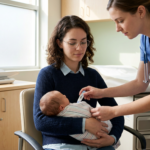
Before booking, discuss the itinerary with your baby's pediatrician or another qualified healthcare professional. Individual factors such as age, prematurity, cardiopulmonary disease, immunocompromise, recent illness, vaccination status, and the destination's infectious risks may change the advice. Build the trip around your baby's medical needs, and allow enough time for documentation, supplies, and contingency planning.
Highlights
A pre-travel medical review can identify vaccine, medication, feeding, and destination-specific precautions.
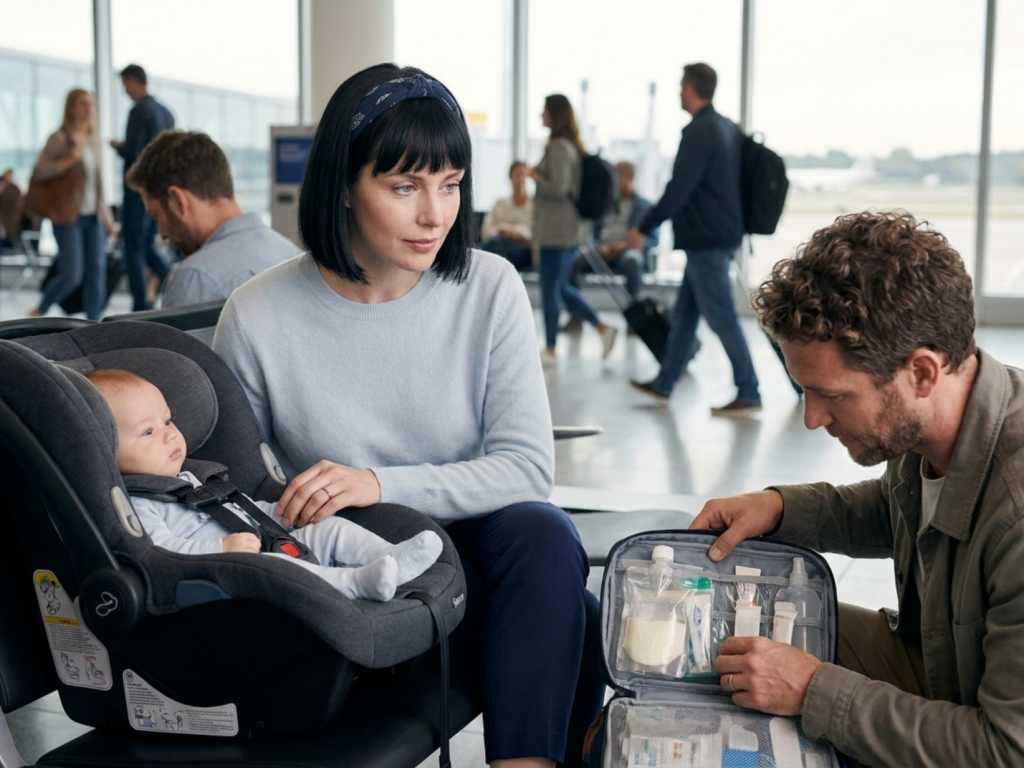
A properly installed rear-facing car seat or an airline-approved child restraint provides safer protection during transit than holding a baby.
Breast milk, prepared formula, and baby food generally require advance planning for security screening and safe storage.
Hand hygiene, safe water, insect-bite prevention, and avoiding sick contacts reduce preventable travel-related exposures.
Seek prompt medical care for breathing difficulty, marked lethargy, persistent vomiting, poor feeding, or signs of dehydration.
Assess readiness before booking
There is no single age at which international travel is appropriate for every infant. Commercial air travel is generally considered safe for most healthy newborns and infants after the early newborn period, but airlines may set their own minimum-age rules and may request documentation for very young babies. Your baby’s clinician should help assess readiness based on birth history, current health, planned activities, travel duration, and the quality of medical care available at the destination.
Extra caution is appropriate for premature infants, babies with chronic lung or heart disease, recent surgery, fever, respiratory infection, or other conditions that could worsen with altitude, disrupted routines, or limited access to care. A long-haul flight, multiple connections, remote lodging, and travel to a region with substantial infectious or environmental risks create a different risk profile from a short flight to a well-resourced city.
Consider postponing nonessential travel when your baby is acutely unwell or when a clinician advises against travel. Ask about destination-specific immunizations, routine vaccine timing, malaria or other vector-borne disease risks, altitude, heat, air quality, and safe sources of drinking water. Keep the itinerary realistic: fewer locations, longer stays, and a nearby healthcare facility can reduce stress and improve safety.
Arrange medical and travel preparation
Schedule a pre-travel pediatric visit early enough to complete any recommended vaccinations and obtain written medical guidance. Bring an accurate medication list, allergy information, relevant diagnoses, immunization records, and contact details for the baby’s usual clinician. Ask whether your baby needs a medical summary or copies of important records, particularly if there is a complex medical history. Travel insurance should be reviewed for coverage of infants, pre-existing conditions, emergency treatment, evacuation, and care outside your home country.
Pack all essential medicines and feeding supplies in carry-on luggage rather than checked baggage. Keep medicines in their original labeled containers, and bring more than the minimum amount needed in case of delays. Do not start an unfamiliar medication or preventive treatment without professional advice. A clinician or travel-medicine specialist can explain whether destination-specific prevention is suitable for your baby’s age and weight.
Review the destination’s emergency number and identify hospitals or clinics before departure. Save these details offline in case mobile service is unreliable. For solo-parent or separated-parent travel, carry any required consent letters, custody documents, birth certificates, passports, visas, and copies of insurance information. Requirements vary by country and carrier, so check official government and airline guidance well in advance.
Plan flights and airport logistics
For air travel, reserve a seat for the baby when possible and use a child restraint approved for aircraft use according to the manufacturer’s instructions and airline policy. Holding an infant on a caregiver’s lap does not provide equivalent protection during turbulence or an emergency. Confirm the restraint’s dimensions, approval labeling, and installation requirements before the travel date. At the airport, a stroller or baby carrier can make transfers easier, but security procedures differ between countries.
Changes in cabin pressure during descent can cause ear discomfort. Feeding, breastfeeding, or offering a pacifier during descent may encourage swallowing and help some infants equalize pressure. These measures cannot guarantee comfort, and a baby with an ear infection or significant congestion may need individualized advice before flying. Do not use sedating medicines to make a baby sleep during a flight unless specifically directed by a healthcare professional.
Expect delays and pack a reserve of diapers, wipes, clothing, bibs, and feeding supplies beyond the expected flight time. Dress the baby in comfortable layers so temperature can be adjusted. During the journey, take turns with another caregiver when possible, maintain hand hygiene, and avoid placing loose items where they could obstruct the restraint or aisle. A written feeding and sleep plan can help, but treat it as a guide rather than a schedule that must be maintained perfectly.
Manage feeding and hydration safely
Breastfeeding can often continue during travel and may simplify feeding logistics. If expressing milk, use clean equipment and follow recommended storage times and temperatures. Carry breast milk in leak-resistant containers and tell security staff that you are transporting it for an infant. Regulations vary, but many security systems allow reasonable quantities of breast milk, formula, water, and baby food after screening; verify the rules for each airport on your route.
For formula-fed babies, bring the type of formula your baby tolerates when it may not be available at the destination. Use commercially sealed safe water or water confirmed safe by local health authorities. Follow the formula label precisely, including dilution, and prepare feeds with clean hands, containers, and utensils. Avoid diluting formula to stretch supplies, because an incorrect concentration can cause clinically significant electrolyte and nutritional problems. Prepared formula should be stored and discarded according to professional and manufacturer guidance.
Continue age-appropriate complementary foods without introducing several unfamiliar foods immediately before or during a demanding trip. Avoid unpasteurized products, unsafe raw foods, and foods prepared with questionable water. Watch intake and urine output during flights and in hot climates. Vomiting, diarrhea, fever, reduced feeding, or fewer wet diapers can increase dehydration risk; infants can deteriorate quickly, so seek medical advice promptly rather than relying on home treatment alone.
Reduce infection and environmental risks
Airports, aircraft, and crowded tourist sites increase contact with respiratory pathogens. Clean your hands before feeding, after diaper changes, and after touching high-contact surfaces. Ask close contacts to postpone visits if they are ill, and avoid crowded indoor settings when your baby is especially vulnerable. Hand sanitizer may be useful for caregivers when soap and water are unavailable, but it should be kept out of the baby’s reach and should not replace washing visibly dirty hands.
Use only safe water for drinking, formula preparation, brushing teeth, and cleaning feeding equipment. Depending on the destination, bottled water may not always be reliable unless the seal is intact; seek local public-health guidance. Prevent foodborne illness by choosing freshly cooked foods, washing hands, and storing perishable items at appropriate temperatures. Do not assume that a familiar food is safe if preparation or refrigeration standards are uncertain.
Insect-borne infections may be important risks in some destinations. Use physical barriers such as lightweight clothing and a properly fitted mosquito net. Ask a clinician or travel-medicine specialist which insect repellents, concentrations, and application methods are appropriate for your baby’s age. Do not apply repellent to a baby’s hands, mouth, eyes, or irritated skin, and follow product instructions carefully. Heat, sun, and altitude also warrant planning: use shade and protective clothing, avoid overheating, and seek professional advice for high-altitude itineraries.
Handle transport, sleep, and daily routines
Ground transportation can be more hazardous than the flight itself. Use a properly installed rear-facing car seat that meets the laws and safety standards of the country where you will travel. Do not rely on taxis or rental vehicles to provide a suitable restraint unless this has been confirmed in advance. Never place a rear-facing seat in front of an active airbag, and do not allow a baby to travel unrestrained on a bus, boat, or private vehicle.
Plan for a safe infant sleep surface at every overnight location. A firm, flat, separate sleep space without pillows, loose blankets, or soft objects is preferable. Travel cots and portable beds should be checked for stability and used according to their instructions. Avoid allowing a baby to sleep routinely in a car seat, stroller, or carrier outside the context of travel, especially when the head can fall forward and restrict breathing. Check the baby frequently during naps in transit.
Preserve familiar routines where practical: offer regular feeds, schedule quiet periods, and allow extra time for diaper changes. Jet lag may temporarily alter sleep and feeding patterns. Gradually adjust the baby’s schedule to local time while prioritizing hydration, safe sleep, and responsiveness to cues. A slower pace usually makes it easier to notice changes in behavior, breathing, feeding, temperature, or urine output.
Prepare for illness or an emergency
Before departure, write a simple baby-specific emergency travel plan. Include the baby’s name and date of birth, medical conditions, allergies, medications, clinician contacts, insurance details, blood type if known, and the local emergency number. Keep paper copies separate from digital copies. Learn how to describe symptoms and request urgent care in the local language or prepare a translated medical summary when appropriate.
Seek urgent medical attention for difficulty breathing, blue or gray discoloration, a seizure, severe allergic symptoms, unusual unresponsiveness, persistent inconsolable crying with concerning symptoms, repeated vomiting, bloody diarrhea, or inability to keep feeds down. Fever in a young infant can require prompt assessment, and the appropriate threshold depends on age and clinical context. Contact a healthcare professional promptly for poor feeding, markedly reduced wet diapers, dry mouth, no tears when expected, sunken eyes or fontanelle, or unusual sleepiness, which may indicate dehydration or another serious problem.
Do not wait for a flight home if your baby appears seriously ill. Contact local emergency services or a reputable medical facility and notify your travel insurer. Maintain a written timeline of symptoms, feeds, wet diapers, temperatures, and treatments, but do not delay evaluation while collecting information. Caregivers should also plan rest and shared responsibilities; an exhausted adult is more likely to miss safety steps during a demanding journey.
When to seek medical help
- Breathing difficulty, blue or gray lips, a seizure, or unusual unresponsiveness requires emergency assessment.
- A fever in a young infant should be discussed promptly with a healthcare professional.
- Repeated vomiting, persistent diarrhea, poor feeding, or markedly fewer wet diapers can signal dehydration.
- Do not give sedating medicines, antidiarrheal medicines, or unfamiliar treatments without professional guidance.
- Do not continue a planned itinerary if your baby is acutely ill or deteriorating.
Tools & Assistance
- Pre-travel pediatric or travel-medicine consultation
- Official airline, border, and destination health authority guidance
- Travel insurance with infant medical and evacuation coverage
- Offline map of nearby hospitals, pharmacies, and emergency services
- Printed and digital baby medical summary with medication and allergy details
FAQ
Can a newborn fly internationally?
Many healthy infants can fly after the early newborn period, but airline minimum-age rules vary. A pediatric clinician should assess the baby's health, birth history, and itinerary before travel.
Can I take breast milk or formula through airport security?
Security authorities commonly permit reasonable quantities of breast milk, formula, and baby food after additional screening, but procedures differ by country and airport. Check each airport's current rules and declare the supplies.
How can I protect my baby from ear pressure on a flight?
Feeding, breastfeeding, or offering a pacifier during descent may promote swallowing and reduce discomfort for some infants. Ask a clinician for advice if the baby has significant congestion or a known ear problem.
What water should I use to prepare formula abroad?
Use water confirmed safe by local health authorities or commercially sealed safe water, and follow the formula instructions exactly. Ask a healthcare professional about the destination if water quality is uncertain.
Should I bring a car seat when traveling internationally?
Yes, when feasible. A properly installed rear-facing car seat provides important protection in vehicles, and an aircraft-approved child restraint can provide safer protection during flight when used according to airline and manufacturer requirements.
Sources
- Centers for Disease Control and Prevention — Traveling Safely with Infants and Children
- MedlinePlus — Traveling with children: MedlinePlus Medical Encyclopedia
- Johns Hopkins Medicine — Traveling With Children
Disclaimer
This article provides general educational information and does not replace individualized medical advice. Consult your baby's pediatrician or a qualified travel-medicine professional before international travel, and seek urgent care for concerning symptoms.












Please log in to leave a comment.