
Intro
Packing for a baby trip can feel like preparing for several small routines at once: feeding, diapering, sleeping, transportation, hygiene, and responding to unexpected discomfort. A thoughtful list can reduce stress, but it does not need to include every baby product available. Focus on the supplies your baby uses reliably, the conditions at your destination, and a small reserve for delays.
Your baby’s age, feeding method, medical history, trip length, climate, and mode of transportation should guide the final plan. Families traveling with premature infants, medically complex babies, or babies with recent illness should discuss travel readiness and essential supplies with a pediatric healthcare professional before departure.
Highlights
Pack a compact in-transit bag separately from the main luggage so feeding, diapering, and comfort items remain accessible.
Bring more diapers, wipes, clothing, and feeding supplies than the planned schedule requires because delays and spills are common.
A safe sleep surface, correctly used infant restraint, and temperature-appropriate clothing are higher priorities than convenience accessories.
Carry a small health kit, but confirm medication choice and dosing with a healthcare professional rather than relying on memory.
Organize supplies by routine so another caregiver can quickly find what the baby needs.
Start with the in-transit essentials
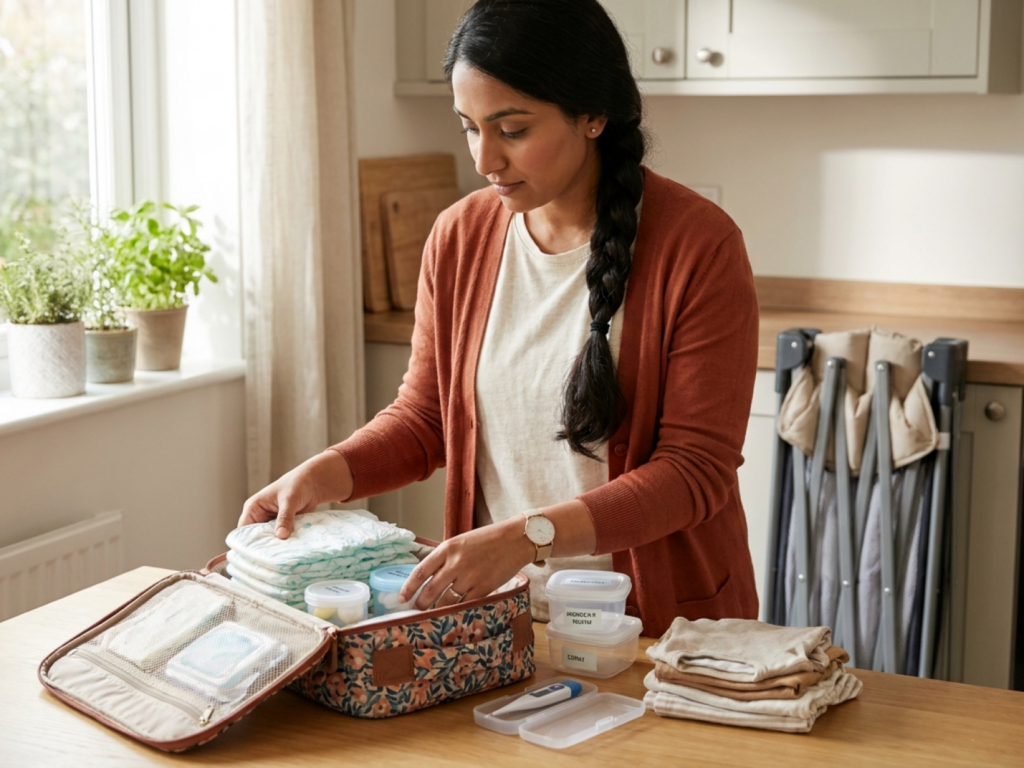
Separate the supplies needed during the journey from items that can remain in checked luggage or a larger suitcase. A backpack, structured diaper bag, or small carry-on can hold the immediate essentials. Pack each category in a transparent pouch or compact organizer so feeding and diapering can be managed without unpacking everything.
- Diapers for the expected travel time plus a meaningful reserve for delays
- Wipes, disposable changing pads, and diaper-barrier cream if your baby routinely uses it
- Two or more complete clothing changes, including an extra layer appropriate for the temperature
- Burp cloths, bibs, tissues, and sealable bags for soiled clothing or waste
- A familiar soothing item, such as a pacifier, small comfort cloth, or quiet teether used according to age and safety guidance
- Hand sanitizer for caregivers when soap and water are unavailable, kept out of the baby’s reach
Use the same basic packing logic for a road trip, flight, train journey, or day excursion. The in-transit bag should support the next several hours rather than the entire vacation. Refill it at the end of each travel day.
Diapering, clothing, and temperature control
Diaper needs vary with age, feeding pattern, and bowel habits, but underestimating supplies is a common source of avoidable stress. For longer travel, calculate the usual number of diapers per day and add a reserve. If the destination has a familiar brand, you may be able to buy more there; however, bring enough for arrival and the first day in case stores are closed or supplies differ.
Choose soft, breathable clothing that is easy to remove for diaper changes. Layering is generally more adaptable than relying on one heavy garment. Include socks or foot coverings if your baby normally uses them, a sun-protective hat when appropriate, and weather-specific outerwear. Avoid bulky clothing under car-seat harness straps because excess padding can interfere with proper restraint fit. Remove layers before securing the harness, then add a blanket over the correctly fitted straps if warmth is needed.
Do not rely only on how your own body feels when judging an infant’s temperature. Check the baby’s neck or torso and watch for sweating, flushed skin, unusual coolness, or marked irritability. Destination climate, altitude, indoor heating, and time outdoors may all change clothing needs. Ask a pediatric clinician for individualized advice if your baby has difficulty regulating temperature or has a significant medical condition.
Feeding supplies and food safety
Build the feeding section around your baby’s established feeding method. Breastfeeding families may need nursing covers only if preferred, burp cloths, breast pads, and a breast pump with charging equipment or spare batteries. If carrying expressed milk, use clean storage containers and an insulated cooler with appropriately prepared cold packs. Confirm storage and transport guidance with a healthcare professional or lactation specialist, especially for an extended journey.
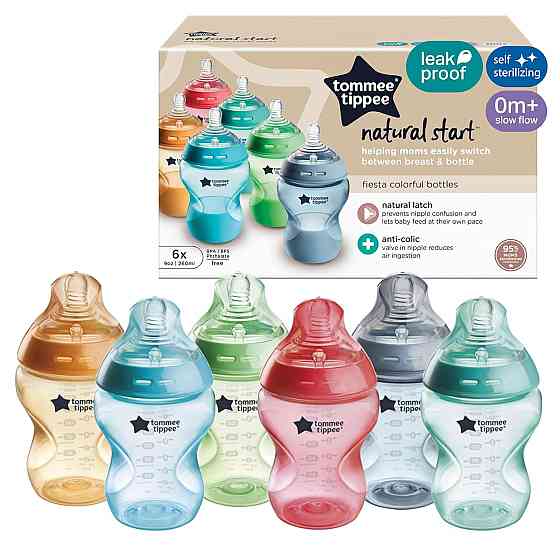
For formula-fed babies, bring the formula your baby already tolerates, measured portions, clean bottles, nipples, caps, and a bottle brush or travel cleaning kit. Safe preparation depends on water quality, sanitation, the product instructions, and the baby’s age and health status. Do not dilute formula to make it last longer. Ask the baby’s clinician about preparation when traveling internationally or when reliable potable water is uncertain.
Babies eating complementary foods may need familiar purées, soft foods, spoons, bibs, and a leak-resistant container. Avoid introducing several new foods during travel, when it may be difficult to distinguish a food reaction from another cause of vomiting, diarrhea, or rash. Pack feeding supplies in a way that prevents contact between clean equipment and used bottles or utensils. A portable cooler can be useful, but it does not replace temperature monitoring or safe storage practices.
Sleep, mobility, and transportation safety
Sleep logistics deserve deliberate planning because fatigue can affect caregiver judgment. Bring a safe, firm, flat sleep surface that is appropriate for your baby’s age and meets current safety recommendations. A portable crib or travel cot may be useful if the accommodation does not provide a verified safe option. Pack a fitted sheet, a familiar sleep sack if your baby uses one, and any approved white-noise device without loose cords near the sleep area.
Keep the sleep space free of pillows, loose blankets, stuffed toys, and other soft objects. A car seat, stroller seat, bouncer, or carrier is designed for transport or supervised use, not as a routine sleep surface. If your baby falls asleep during transit, move the baby to a safe sleep surface when practical and follow the manufacturer’s instructions.
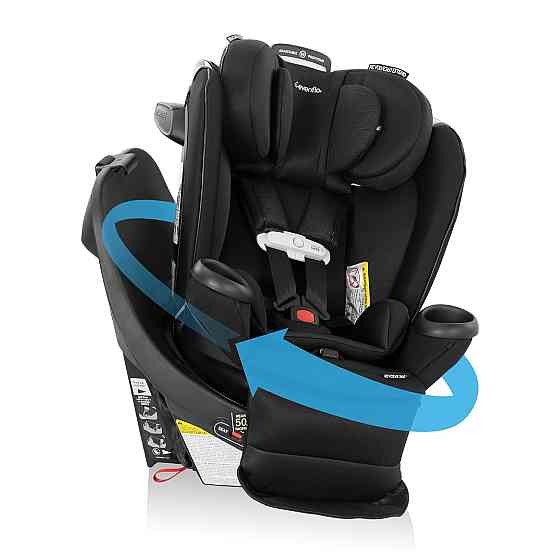
For road travel, use a properly installed rear-facing car seat and check its fit before leaving. Never place a rear-facing seat in front of an active passenger airbag. For air travel, review the airline’s requirements for an airline-approved child restraint, stroller handling, carry-on liquids, breast milk, and formula. A baby carrier can keep your hands available in stations or airports, but it must support the baby’s airway and position according to its instructions. Take breaks during long journeys to feed, change, and reposition the baby.
Hygiene and the small health kit
A compact health and hygiene kit is often more useful than a large first-aid case. Consider packing a digital thermometer, saline spray or drops, an age-appropriate nasal aspirator, nail-care supplies, hand-cleaning supplies, and any regularly used prescribed medicines in their original labeled containers. Some family travel checklists also mention baby-safe pain relief and gas drops. These products are not appropriate for every infant, so confirm whether they are suitable, how they should be stored, and what dose applies to your baby with a healthcare professional.
Bring enough routine medication for the trip plus a small delay reserve, and keep it in your personal possession rather than inaccessible luggage. Do not start an over-the-counter medicine solely because travel is difficult, and do not use adult products or unverified remedies. A clinician or pharmacist can clarify medication safety, interactions, age restrictions, and measuring devices.
Pack baby wash, moisturizer if routinely needed, a small towel, a toothbrush when developmentally appropriate, and sun protection that matches professional guidance for your baby’s age. Mosquito nets, window screens, and physical coverage may be preferable to insect repellents for young infants; ask a clinician or pharmacist about destination-specific prevention. Do not share towels, bottles, pacifiers, or utensils with other children. Regular hand hygiene remains one of the most practical ways to reduce infection exposure.
Documents, health information, and destination planning
Keep essential documents together in a waterproof pouch or secure digital folder. Depending on the trip, these may include identification, travel permissions, insurance information, immunization records, medication lists, healthcare contacts, and copies of prescriptions. If the baby has a chronic condition, allergy, feeding difficulty, or technology-dependent care need, carry a concise written care plan that another adult could understand.
Research the location before packing. Confirm access to pharmacies, emergency services, clean water, refrigeration, laundry, and suitable infant supplies. A destination with reliable stores may require less bulk, while remote travel may require a larger reserve. Consider weather, altitude, insects, air quality, sanitation, and the availability of safe transportation. A pre-travel pediatric visit can help identify individualized precautions and whether additional supplies or documentation are needed.
For international travel, check entry requirements and whether routine or destination-specific immunizations are relevant. Pack a translation of important medical information when language barriers may affect care. Know how to contact local emergency services and identify the nearest facility capable of treating infants before you arrive.
A practical packing method for fewer forgotten items
Begin with a written inventory based on the number of travel days, then divide it into daily kits. A daily diaper kit can contain diapers, wipes, cream, and a changing pad. A feeding kit can contain the supplies needed for one feeding window. A sleep kit can contain the fitted sheet and sleepwear. This approach makes restocking easier and helps a second caregiver participate confidently.
Use a small checklist for departure and another for return: baby, documents, medications, feeding equipment, restraint, sleep surface, and chargers. Place the most time-sensitive items near the top of the bag. Keep a spare outfit and diaper kit in a personal bag even when traveling with checked luggage. For road trips, divide supplies between the passenger area and a storage compartment so that the essentials remain reachable without stopping in an unsafe location.
Before departure, test bottle parts, pump components, chargers, the thermometer, and the travel cot. Label expressed milk, prepared formula, and medication clearly. Reassess the bag each evening because the most useful packing list is the one that reflects your baby’s actual routine rather than an idealized schedule.
When to seek professional advice
- Ask a pediatric healthcare professional before travel if your baby was premature, has a chronic condition, or recently required hospital care.
- Seek urgent medical care for breathing difficulty, bluish or gray coloration, seizure, unresponsiveness, or severe lethargy.
- Contact a healthcare professional promptly for concerning fever, repeated vomiting, bloody stool, or inability to keep feeds down.
- Learn the infant dehydration warning signs, including markedly fewer wet diapers, dry mouth, absent tears, unusual sleepiness, or poor feeding.
- Never delay emergency care while searching for a medication, thermometer, or travel document.
Tools & Assistance
- A day-by-day packing checklist
- A medication and allergy record
- A destination pharmacy and emergency-care search
- A cooler temperature check for expressed milk or formula
- A car-seat or child-restraint installation inspection
FAQ
How many diapers should I pack for a baby trip?
Estimate your baby’s usual daily use, multiply it by the number of travel days, and add a reserve for delays, spills, and changes in routine. Carry enough in the in-transit bag for the journey and arrival period.
Should I pack a thermometer and medicine?
A digital thermometer is a practical addition. Medication should be included only when appropriate for your baby and discussed with a clinician or pharmacist, particularly regarding age, weight, dosing, storage, and contraindications.
Can a baby sleep in a car seat or stroller?
These devices are intended for transport or supervised use and are not routine sleep surfaces. Move a sleeping baby to a firm, flat, safe sleep surface when practical, following current safety guidance.
What feeding supplies are essential for formula feeding?
Bring the usual formula, clean bottles and nipples, caps, a way to measure safely, and a bottle-cleaning method. Water quality and preparation rules vary, so obtain individualized guidance before international or remote travel.
What should I do if the destination has limited baby supplies?
Pack a larger reserve of diapers, feeding supplies, medications, and hygiene products, and confirm local access to clean water, refrigeration, pharmacies, and emergency infant care before departure.
Sources
- Babylist — What Do You Need to Travel With a Baby: Packing Checklist
- What to Expect — Baby Travel Checklist: What to Pack When Traveling With Children
- BabyCenter — The ultimate packing list for traveling with a baby
Disclaimer
This article provides general educational information and does not diagnose, treat, or replace advice from your baby’s pediatric healthcare professional. Seek urgent medical care for emergency symptoms and obtain individualized guidance before travel when your baby has special medical needs.













Please log in to leave a comment.