
Intro
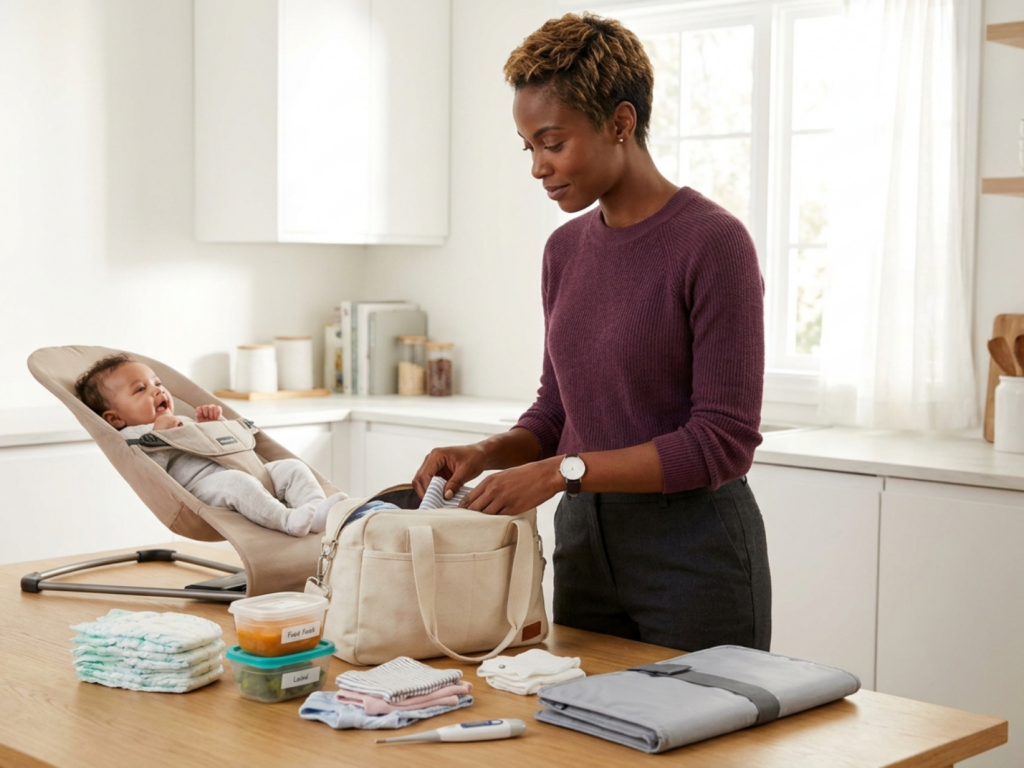
Traveling with a baby requires more planning than packing for an adult, but a thoughtful system can make the journey calmer and safer. The goal is not to bring every item in the nursery. It is to anticipate your baby’s core needs: feeding, diapering, sleep, transport, temperature regulation, hygiene, and access to medical information.
Use this checklist as a planning framework, then adapt it to your baby’s age, feeding method, health needs, destination, travel duration, and mode of transport. Pack frequently needed supplies where they are easy to reach, and confirm travel and health requirements with your airline, transportation provider, and healthcare professional before departure.
Highlights
Pack a larger supply of essential items in your carry-on or personal bag, including diapers, feeding supplies, spare clothing, and comfort items.
Keep medications, health records, and medically necessary equipment accessible rather than in checked luggage.
Plan separately for transit, accommodation, and daily outings so that you do not have to unpack the entire bag for a single diaper change.
A compact, organized packing system is usually more useful than bringing large quantities of optional baby gear.
Start with the travel plan
Begin by mapping the journey from door to door. Count the hours spent traveling, waiting, transferring, and reaching your accommodation rather than considering only the flight or train duration. Babies may need more frequent diaper changes and feeds than expected, and delays can extend the time between planned stops. For the transit portion, pack enough essential supplies for the expected journey plus a meaningful buffer.
Separate your packing into three layers: an immediately accessible personal bag, a larger travel bag, and destination luggage. The personal bag should support several hours without access to checked luggage. The larger travel bag can hold replacement supplies for the day. Destination luggage can contain bulkier or less frequently needed items.
Before leaving, check airline policies for strollers, car seats, breast milk, formula, liquid containers, and carry-on allowances. Rules vary by carrier and country. Families traveling internationally should also review passport requirements, immunization documentation, destination-specific health risks, and whether a pre-travel pediatric visit is appropriate.
- Estimate the number of feeds and diaper changes during transit.
- Add extra time for delays, spills, vomiting, or clothing changes.
- Confirm the size and weight limits for carry-on items and baby equipment.
- Save your itinerary, accommodation details, emergency contacts, and healthcare information offline.
Diapering and hygiene supplies
Diapering supplies are often the most frequently used items during travel. Pack disposable or reusable diapers according to your usual routine, with extras for delays and changes in bowel habits. Include wipes, a portable changing mat, barrier cream if your baby routinely uses it, disposable bags for soiled items, and hand sanitizer for caregivers. Hand sanitizer is useful when soap and water are unavailable, but it should be kept out of your baby’s reach and should not replace handwashing when facilities are available.
Place several complete diaper-change sets in an outer pocket or small pouch. This prevents repeated searching in crowded transport areas. If you use cloth diapers, plan for storage of used items and confirm that your accommodation has suitable laundering facilities. A small supply of tissues and unscented wipes may also help with spills and surfaces, although routine cleaning should not involve harsh chemicals near the baby.
For longer journeys, consider whether your destination has the diaper size and product type your baby tolerates. A familiar product can be valuable if your baby has sensitive skin or a history of irritant dermatitis. Bring enough of any specialized item to cover the first part of the trip while you identify local supplies.
- Diapers with a delay allowance
- Wipes and a changing mat
- Barrier cream used routinely by your baby
- Hand sanitizer for caregivers
- Disposable bags or a washable wet bag
- Tissues and spare washcloths
Feeding equipment and fluids
Pack feeding supplies according to whether your baby receives breast milk, formula, complementary foods, or a combination. Breastfeeding families may want nursing covers only if they normally use them, along with burp cloths, breast pads, and a pump or milk-collection equipment if required. If expressing milk, include clean storage containers, labels, cooling equipment, and a plan for maintaining appropriate temperature during transit. Ask a healthcare professional or lactation specialist about storage and handling practices when travel conditions are uncertain.
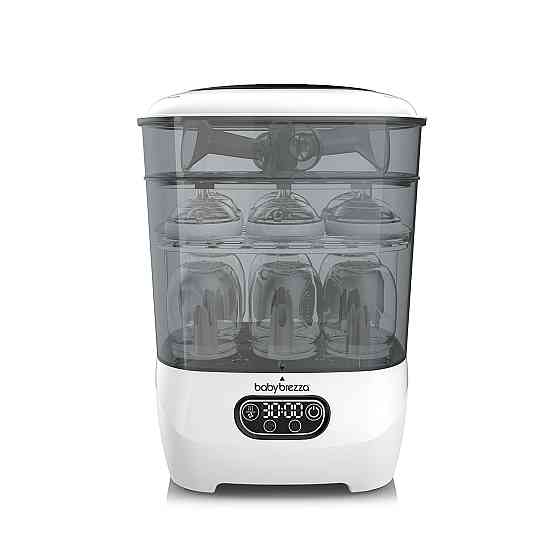
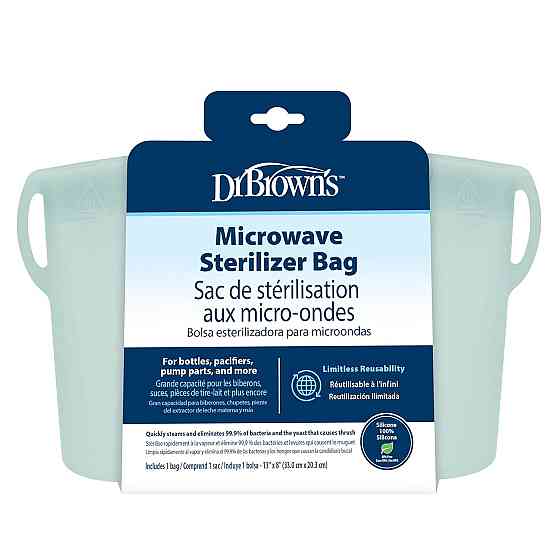
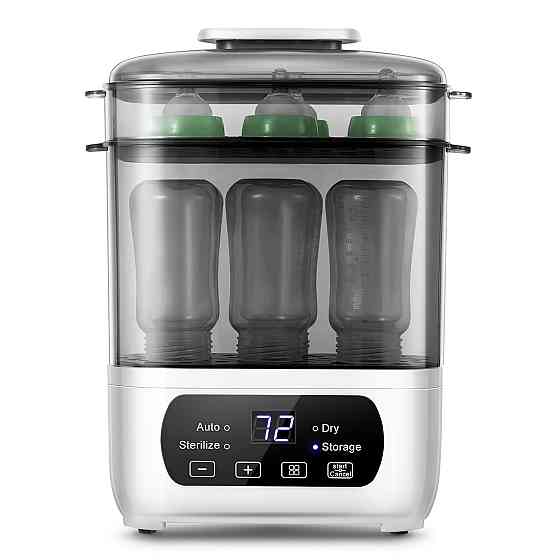
For formula-fed babies, bring the formula your baby normally uses, measured portions or preparation equipment, bottles, nipples, and a method for cleaning them. Formula preparation during travel requires careful attention to water safety, hand hygiene, and the manufacturer’s instructions. Do not dilute formula or change its concentration to conserve supplies. If ready-to-feed formula is appropriate for your baby, it may simplify some journeys, but confirm handling requirements and availability in advance.
Older infants who eat complementary foods may need familiar foods, appropriately sized utensils, bibs, and leak-resistant containers. Avoid introducing several new foods immediately before or during travel when possible, because a new food may cause gastrointestinal symptoms or an allergic reaction that is difficult to interpret away from home. Pack a clean bottle or cup as appropriate for your baby’s developmental stage. Water needs vary by age, feeding pattern, climate, and medical circumstances, so follow individualized advice from your baby’s clinician.
- Bottles, nipples, pump parts, and feeding containers
- Breast milk or formula with a practical supply buffer
- Burp cloths, bibs, and a small towel
- Cleaning supplies and a sealable bag for used equipment
- Familiar complementary foods for babies who eat solids
Clothing, comfort, and temperature control
Pack clothing in complete changes rather than individual garments. A useful set may include a top, bottom or one-piece outfit, socks, and any layer your baby normally needs. Bring more changes in the carry-on than you expect to use, because feeding spills, diaper leakage, motion sickness, and unexpected temperature changes are common travel problems. Pack at least one spare caregiver shirt as well if space allows.
Use layers to manage temperature. Babies have limited ability to regulate body temperature, and overheating can be difficult to recognize in a crowded vehicle or warm room. Choose breathable clothing appropriate for the destination, plus a hat or weather protection that is suitable for the conditions. Do not cover a stroller or carrier with a blanket in a way that restricts airflow or increases heat accumulation.
Comfort items should be familiar and easy to clean. Depending on your baby, this might include a pacifier, a small washable comfort cloth, a favorite sleep sack, or a lightweight blanket used according to safe-sleep guidance. Keep small objects away from infants who may mouth them, and avoid loose soft items in an unsupervised sleep space. Familiarity can support settling, but safe positioning and supervision remain more important than any single comfort product.
- Several complete outfits and extra socks
- Weather-appropriate layers and sun protection
- Burp cloths and washable bibs
- Familiar pacifiers or comfort items
- A safe sleep sack or other routinely used sleep clothing
Sleep and accommodation essentials
Sleep arrangements deserve advance planning because an unfamiliar environment can increase fatigue for both baby and caregiver. Ask the hotel, rental host, or family member what infant sleep equipment is available and how it is maintained. Inspect any provided cot or crib before use. The sleep surface should be firm, flat, and appropriately fitted, with no pillows, loose blankets, bumper pads, stuffed toys, or other objects that could obstruct breathing.
Bring a portable sleep space only if you know how to use it and it meets applicable safety standards. A familiar fitted sheet may help with settling, but it should fit the sleep surface exactly. Do not improvise a sleep area with a sofa, adult bed, car seat, stroller, or padded travel bag. Car seats are designed for transport and are not substitutes for routine sleep once you arrive.
Consider practical sleep aids that do not compromise safety: blackout curtains or a portable shade used with adequate ventilation, a white-noise device placed well away from the baby, and familiar sleep clothing. Maintain your usual bedtime sequence when feasible, but expect some disruption. A flexible plan that prioritizes feeding, rest, and safe sleep is more realistic than trying to reproduce every detail of home life.
Transport, safety, and health items
Use the correct restraint for every road journey. A properly installed rear-facing car seat should be selected for your baby’s size and used according to the seat and vehicle instructions. Arrange installation before travel if possible and check local legal requirements. For air travel, ask the airline about approved child restraint systems and seating procedures. A stroller, baby carrier, or lightweight travel system can make transfers easier, but choose equipment that supports your baby’s developmental stage and does not obstruct breathing.
Pack a small health kit rather than a large collection of medications. Useful items may include a digital thermometer, saline drops if recommended for your baby, nail-care supplies, bandages for caregivers, and any prescribed medication in its original labeled container. Keep medication dosing instructions with the medicine and do not start, stop, or change treatment without advice from a qualified healthcare professional. If your baby has a chronic condition, allergy, feeding difficulty, or history of prematurity, carry a written care plan and adequate supplies.
Keep health records accessible, including insurance information, immunization records when relevant, clinician contact details, and a list of allergies or current treatments. Research how to access urgent and routine care at the destination. Seek prompt medical assessment for breathing difficulty, persistent vomiting, unusual lethargy, a concerning fever, signs of dehydration, or any symptom that worries you. Infants can deteriorate quickly, and travel should not delay professional evaluation.
- Rear-facing car seat and installation information
- Baby carrier or stroller suitable for the baby’s age and size
- Digital thermometer and routinely used medical supplies
- Prescribed medications in original packaging
- Health records, emergency contacts, and insurance details
- Written instructions for a baby with complex medical needs
Build the carry-on and daily bag
The carry-on should be organized for speed. Put diapering supplies in one pouch, feeding supplies in another, and clothing in a waterproof bag. Keep documents, medication, and valuables in a separate secure compartment. Place one complete baby outfit and one caregiver shirt near the top. If you are flying, group liquids and feeding equipment in a way that allows efficient presentation at security while still meeting current airport rules.
A daily outing bag can be smaller than the transit bag. Refill it each morning with the number of diapers, feeds, clothes, and comfort items needed for that outing plus a modest contingency. This reduces the weight you carry and makes it easier to notice what needs replacing. At the end of each day, discard waste, wash or isolate used feeding equipment, restock diapers, and charge any devices.
Review the list two or three days before departure, then again immediately before leaving. Check expiry dates, battery levels, weather forecasts, and the condition of restraints and feeding equipment. A minimalist baby gear list can be helpful when it is based on actual needs, but minimalism should not mean omitting safety equipment, prescribed treatments, or supplies that are difficult to replace at your destination.
- Pack essentials in predictable pouches.
- Keep health and feeding supplies accessible.
- Label bottles, expressed milk, and medication clearly.
- Restock the daily bag after every outing.
- Adapt the quantity to delays, climate, and access to local services.
Safety reminders
- Never place a sleeping baby on a sofa, adult bed, or other soft surface without appropriate supervision and safety planning.
- Do not leave a baby unattended in a vehicle, even briefly or in mild weather.
- Keep medications, sanitizer, small objects, cords, and plastic bags away from the baby.
- Seek urgent medical care for breathing difficulty, marked lethargy, severe dehydration concerns, or another rapidly worsening symptom.
- Ask a healthcare professional about travel timing when your baby is premature, medically complex, recently ill, or receiving specialized treatment.
Tools & Assistance
- Airline or rail operator infant travel policy
- Pediatrician or family healthcare professional
- Destination pharmacy and urgent-care directory
- Weather forecast and local public-health guidance
- Printable or shared digital packing checklist
FAQ
How many diapers should I pack for travel?
Pack the number your baby typically uses during the transit period plus extra for delays, spills, and changes in routine. For the first part of the trip, bring enough of the familiar brand and size in case local availability is limited.
Should baby medication go in checked luggage?
Keep prescribed medication and medically necessary supplies in your carry-on or personal bag, in original labeled packaging. Bring dosing instructions and consult your healthcare professional about storage, timing, and travel-specific concerns.
What feeding supplies are essential on a flight?
Bring the feeding method your baby already uses, including breast milk or formula, bottles or pump equipment, burp cloths, cleaning supplies, and a practical extra supply. Confirm current airline and airport rules before departure.
Can a baby sleep in a car seat after arriving?
Car seats are intended for transport. Once you arrive, move the baby to a firm, flat, separate infant sleep space as soon as practical, following current safe-sleep guidance.
What should I do if my baby becomes ill while traveling?
Contact a local healthcare professional promptly, especially for breathing problems, persistent vomiting, unusual sleepiness, poor feeding, dehydration concerns, or a concerning fever. Use your prepared health records and care plan when seeking help.
Sources
- BabyCenter — The ultimate packing list for traveling with a baby
- What to Expect — Baby Travel Checklist: What to Pack When Traveling With Children
- The Points Guy — How to pack — and prepare — for travel with a baby
Disclaimer
This article is for general informational purposes and does not replace individualized medical advice, diagnosis, or treatment. Consult your baby’s healthcare professional about travel readiness, medications, feeding, and destination-specific risks.














Please log in to leave a comment.