
Intro
Preparing for a baby can create pressure to buy an enormous range of products. In practice, the most valuable purchases are usually the items that support safety, repeated daily care, transport, feeding, and parental recovery rather than products marketed as shortcuts or guarantees of better sleep. A thoughtful shopping plan can protect your budget while still giving you reliable equipment for the newborn period.
Investment does not necessarily mean buying the most expensive version. It means choosing an item with an appropriate safety profile, durable construction, useful functionality, and a realistic role in your family’s routines. Needs vary according to feeding method, housing, climate, transport, infant medical history, and local regulations, so discuss specialized equipment with your midwife, pediatrician, health visitor, or another qualified healthcare professional.
Highlights
Prioritize safety-critical products and items used several times every day.
A properly fitted car seat and a separate, firm, flat sleep surface deserve more attention than decorative nursery products.
Durability, cleanability, warranty support, and replacement-part availability often matter more than premium branding.
Delay optional purchases until you understand your baby’s actual feeding, sleep, and mobility needs.
Start with safety and daily utility
The strongest case for investing is an item that protects your baby or supports a task you will perform repeatedly. Newborn care commonly involves feeding, diaper changes, sleep, clothing changes, hygiene, and observation throughout the day and night. The NHS and MedlinePlus both emphasize practical basics such as diapers, clothing, bedding, feeding supplies, and safe transport equipment. These categories form a useful baseline because they are needed regardless of nursery style or consumer trends.
Use a needs-first framework. Ask whether the item addresses a genuine care task, whether it will be used frequently, whether it can be cleaned thoroughly, and whether it remains appropriate as your baby grows. A product that solves one narrow problem for two weeks may be less worthwhile than a simple item used daily for many months.
Quality can mean stable construction, intuitive adjustment, washable materials, clear instructions, and accessible customer support. It does not automatically mean the highest price. Before buying, check current safety standards in your country, product registration options, recall information, and the manufacturer’s guidance about age, weight, developmental stage, and intended use.
Invest in safe transport
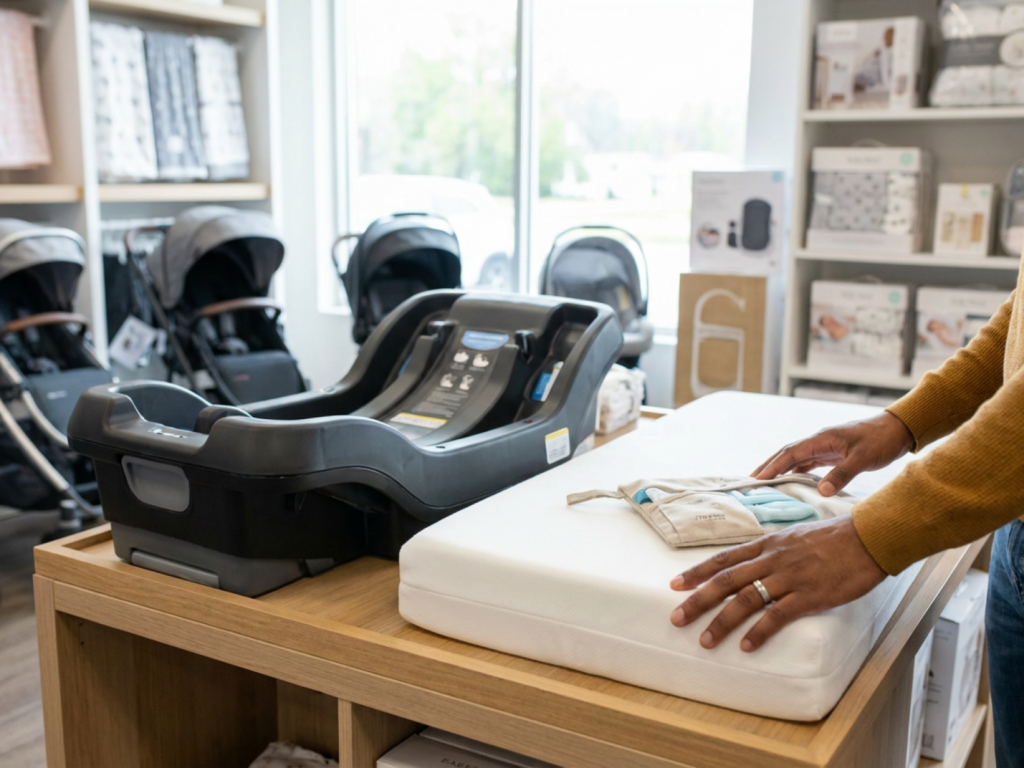
A rear-facing infant car seat is one of the most important purchases when a baby will travel by car. Choose a model that is approved for your jurisdiction, compatible with your vehicle, and suitable for your baby’s size. Correct installation and harness adjustment are more important than premium fabrics, extra accessories, or a large travel-system bundle. Have the installation checked by an appropriately trained professional or an approved inspection service where available.
Consider the full life cycle of the seat. Confirm its expiration or service-life policy, crash-replacement rules, cleaning instructions, and availability of replacement parts. Avoid using a seat with an unknown crash history, missing components, or unclear provenance. Secondhand baby products can be economical, but transport equipment requires particularly careful verification of age, condition, recalls, and ownership history.
A stroller can also justify investment if you walk frequently, use public transport, or need to carry supplies. Evaluate weight, folding mechanism, brake function, stability, wheel performance, storage, and handle height. For a newborn, the seat must provide age-appropriate support and airway positioning. A flat or near-flat recline or a compatible bassinet stroller for newborns may be relevant, depending on the manufacturer’s instructions and clinical circumstances. Do not use a stroller or car seat as an unsupervised routine sleep space.
Choose sleep equipment conservatively
Sleep products deserve careful spending because marketing often links specialized designs with longer sleep, reduced reflux, or improved soothing. The central investment is a separate infant sleep surface with a firm, flat mattress and a fitted sheet that fits tightly. The sleep area should be free of loose bedding, pillows, bumpers, stuffed toys, and other objects that could obstruct breathing or increase entrapment risk. Follow current national safe-sleep guidance and ask a healthcare professional about circumstances such as prematurity or a medical condition.
A well-designed cot, crib, or bedside sleeper can be worthwhile when it is stable, meets applicable standards, and will be used consistently. Check the mattress fit, locking mechanisms, structural integrity, and instructions before use. A non-weighted sleep sack in an appropriate size may be a practical alternative to loose blankets when recommended by local safe-sleep guidance. It should allow normal hip and leg movement and should not cause overheating.
Be cautious with inclined sleep products, positioners, nests, pods, and weighted products. Their reassuring appearance does not establish safety, and some may create airway or entrapment hazards. Avoid purchasing multiple sleep aids in advance. Observe your baby’s actual needs, maintain a safe sleep environment, and seek professional advice rather than modifying the sleep surface to manage a symptom.
Spend strategically on feeding supplies
Feeding equipment should match your planned approach while remaining flexible. For breastfeeding, useful purchases may include a small number of properly sized breast pads, storage containers if expressing milk, and a supportive feeding pillow if it improves comfort without being used as an infant sleep surface. A breast pump may be worthwhile when expressing is part of your plan, when returning to work, or when recommended by a lactation professional. The most expensive pump is not necessarily the best fit; flange sizing, suction comfort, cleaning demands, portability, and service support are important.
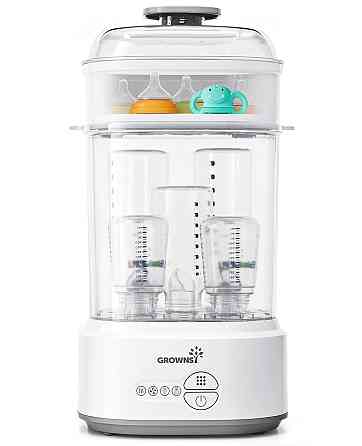
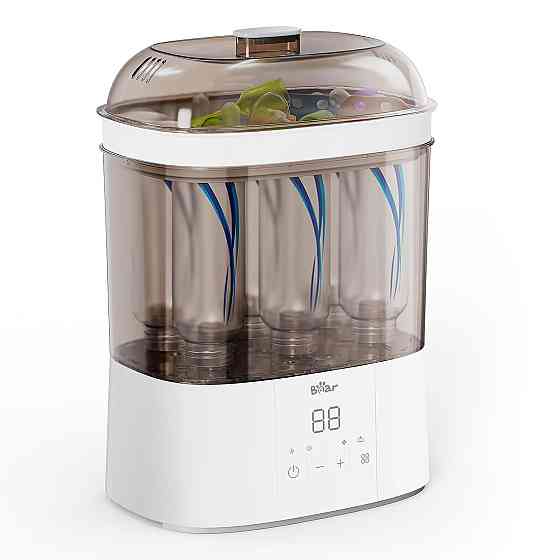
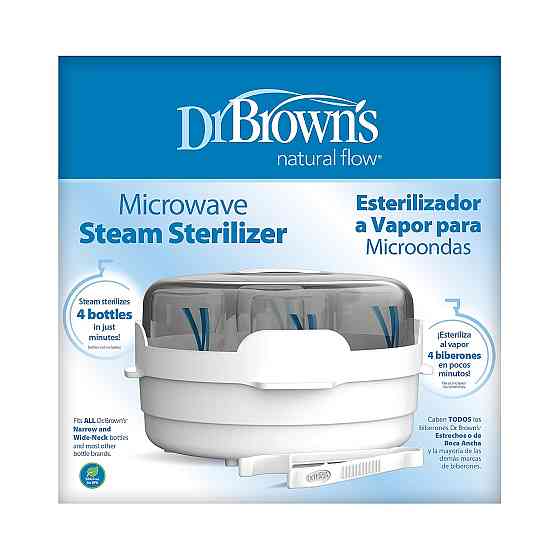
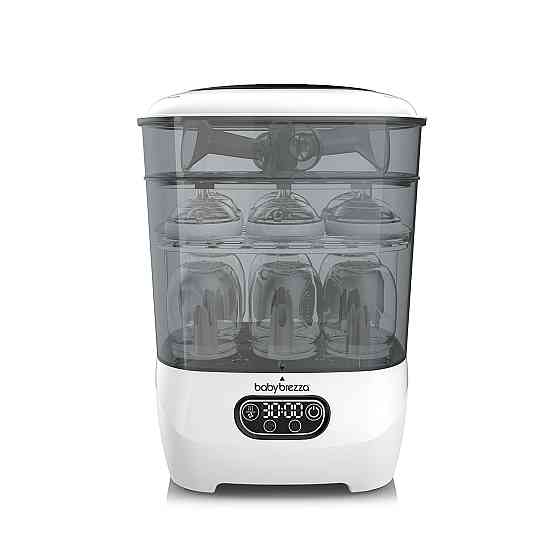
For formula feeding or combination feeding, invest in enough bottles and nipples to support a manageable cleaning routine rather than buying a large set immediately. Babies can differ in nipple preference and feeding tolerance, so a modest starter quantity reduces waste. Follow preparation, storage, and sterilization instructions from the formula manufacturer and your healthcare service. Do not thicken feeds, change formula, or add supplements in response to feeding concerns without clinical guidance.
Useful feeding investments often include a washable bib supply, a reliable bottle brush, and food-safe storage containers. As complementary feeding begins, basic kitchen equipment may be sufficient. A dedicated appliance is optional; it should save meaningful time, be easy to disassemble, and have blades and seals that can be cleaned thoroughly. Introduce textures and foods according to current guidance from your healthcare professional.
Build a durable care and hygiene kit
Diapering is repetitive, so modest improvements in organization and cleanability can have a large practical effect. Prioritize diapers in an appropriate size, fragrance-free or otherwise suitable wipes, barrier products chosen for your baby’s skin needs, changing mats, and a secure place to store supplies. A changing table is optional if you can create a safe, stable surface and keep one hand on your baby whenever the baby is elevated. Never leave an infant unattended on a bed, sofa, or changing surface.
For hygiene, a small supply of washcloths, towels, mild cleansing products, and nail-care tools may be enough. Products with fewer fragrances and unnecessary additives can simplify observation of skin irritation, although individual sensitivities vary. Keep medicines, supplements, cosmetics, cleaning products, and small objects out of reach. Ask a clinician or pharmacist about any product intended for a newborn, especially topical preparations.
A digital thermometer designed for the relevant age group can be useful for objective observation, but a reading does not diagnose the cause of illness. Learn how to use it correctly and understand when local urgent-care guidance is needed. A basic newborn supply kit commonly includes practical feeding, hygiene, comfort, and health-monitoring items. This supports purchasing a compact, functional kit rather than accumulating specialized devices.
Budget for comfort, growth, and maintenance
Babies grow quickly, and many products have a short useful window. Clothing is therefore usually an area for restraint: buy a limited number of easily washed garments in a few sizes, with designs that make diaper changes simple. Prioritize temperature-appropriate layers and safe fit over elaborate outfits. Excess clothing can be difficult to manage and may obscure whether your baby is too warm or too cool.
Comfort purchases are most worthwhile when they support the caregiver’s routine without creating a safety risk. A comfortable adult feeding chair, dimmable bedside lighting, washable nursing covers where desired, and an organized portable baby-care bag may be more useful than multiple electronic soothing devices. Consider borrowing or renting items with uncertain value, provided they are hygienic, complete, age-appropriate, and safe to use. Rental pumps and medical equipment should come from reputable services with documented cleaning and maintenance procedures.
Include recurring costs in your budget: diapers, wipes, formula if used, replacement nipples, batteries, laundering, and eventual size changes. Keep receipts and register products for recall notifications. Inspect fasteners, straps, seams, wheels, and sleep-surface components periodically. An item that was appropriate at birth may become unsuitable when your baby can roll, sit, pull up, or exceed its weight limit. Reassess equipment as development changes rather than relying on a product’s original marketing description.
Safety checks before purchase and use
- Do not use a car seat, crib, stroller, or carrier with an unknown crash history, missing instructions, or unresolved recall.
- Never place pillows, loose blankets, positioners, or inclined products in an infant sleep space.
- Follow age, weight, height, developmental, and installation limits exactly.
- Do not leave a baby unattended on an elevated changing surface, bed, sofa, or adult chair.
- Seek urgent medical advice for concerning symptoms or a baby who appears seriously unwell; equipment cannot replace clinical assessment.
Tools & Assistance
- Current national safe-sleep guidance
- Vehicle car-seat inspection or fitting service
- Product recall and safety-alert database
- Pediatrician, midwife, health visitor, or public-health nurse
- Lactation consultant or feeding specialist
FAQ
Should I buy premium versions of every baby item?
No. Spend more where safety, fit, durability, frequent use, or maintenance support are genuinely improved. For many basic supplies, a simple product that meets current standards is sufficient.
Is a travel system worth the investment?
It may be useful for families who travel frequently, but evaluate the car seat and stroller separately. Confirm safe newborn positioning, vehicle compatibility, installation, weight, folding, and everyday handling before purchasing a bundle.
What baby items should I avoid buying in advance?
Avoid stocking large quantities of specialized bottles, formula, sleep aids, clothing in one size, and electronic soothing products until you know what suits your baby and your routine. Some products may be unsuitable or recalled.
Are secondhand baby items safe?
Some non-safety-critical items may be suitable when clean, intact, complete, and age-appropriate. Use particular caution with car seats, cots, mattresses, and products with unknown histories or missing safety information.
Can a baby sleep in a car seat or stroller at home?
Car seats and strollers are designed for transport, not routine unsupervised sleep. Follow safe-sleep guidance and move the baby to a separate, firm, flat sleep surface as soon as reasonably practical.
Sources
- NHS — What to buy for your newborn baby
- MedlinePlus — Baby supplies you need: MedlinePlus Medical Encyclopedia
- U.S. Department of Health and Human Services — About the Newborn Supply Kit
Disclaimer
This article provides general educational information and is not a substitute for medical advice, diagnosis, or treatment. Consult a qualified healthcare professional for advice about your baby’s individual health, feeding, sleep, or equipment needs.














Please log in to leave a comment.