
Intro
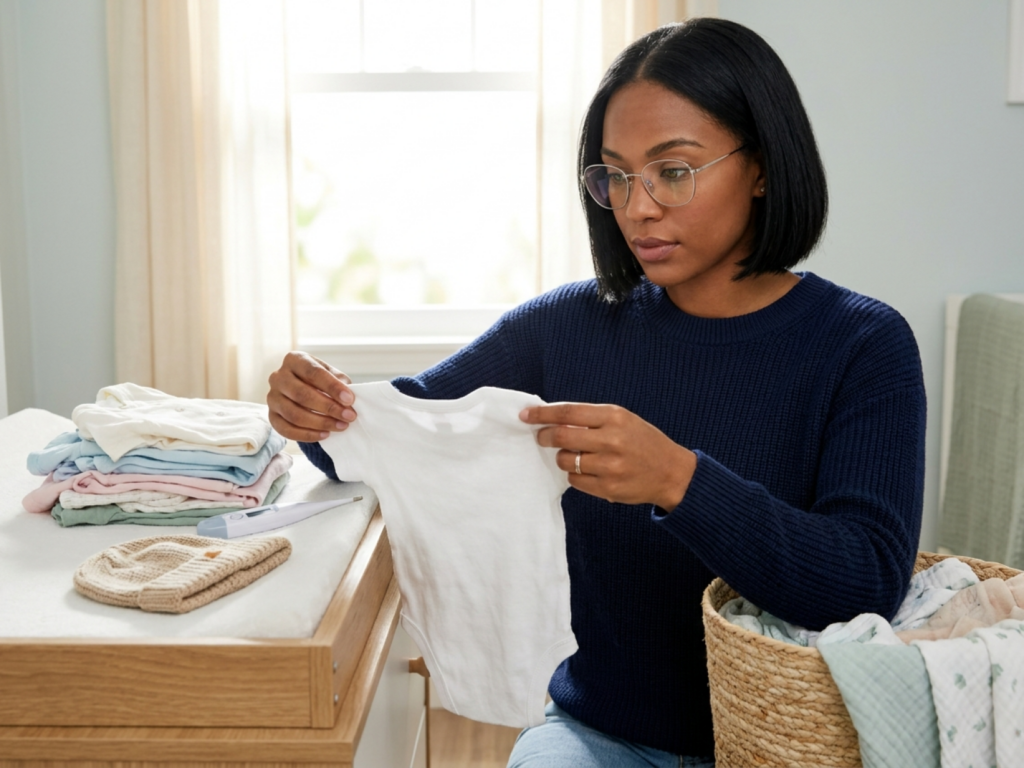
Choosing baby clothes is a practical form of caregiving. The right garments help maintain thermal comfort, protect sensitive skin, support safe handling, and make frequent feeding, nappy changes, and laundering more manageable. Because babies have immature thermoregulation and cannot reliably communicate whether they are too hot or cold, clothing choices deserve more attention than appearance alone.
A useful approach is to assess the fabric, fit, construction, season, and intended activity together. A newborn coming home from hospital, a crawling infant, and a baby travelling in a car seat have different clothing needs. The safest wardrobe is usually modest, breathable, easy to adjust, and free from features that could create entanglement, choking, or overheating hazards.
Highlights
Choose soft, breathable fabrics and check regularly for skin irritation, pressure, or trapped moisture.
Use clothing that is easy to open and remove, particularly for nappy changes and temperature adjustment.
Dress a newborn in roughly one more layer than an adult would wear in the same environment, while avoiding overheating.
Avoid loose cords, small detachable parts, bulky garments, and poorly fitting headwear.
Consider the activity as well as the weather: sleep, travel, skin-to-skin contact, and outdoor time may require different clothing strategies.
Start with comfort, skin protection, and fit
Infant skin has a relatively immature barrier function and can be more vulnerable to friction, occlusion, irritants, and moisture. For garments worn next to the skin, look for soft, breathable materials such as cotton. A smooth knit or jersey fabric is often more comfortable than a coarse weave, stiff synthetic textile, or heavily embellished garment. Wash new clothes before use with a fragrance-free detergent if your baby has sensitive skin or a history of irritation, and avoid fabric treatments that leave a strong fragrance or residue.
Inspect the inside of each garment. Seams should lie flat, labels should not scratch the neck, and elastic should not leave persistent indentations. Pay particular attention to the waist, wrists, ankles, neck, and areas where skin folds meet. Dampness from perspiration, saliva, or leaking nappies can macerate the skin, meaning that prolonged moisture softens and weakens the outer layer. Prompt changes and breathable fabrics can reduce this exposure.
Fit should allow normal movement without excess fabric. Clothing that is too tight may restrict hip and limb movement, compress the abdomen, or create pressure points. Clothing that is too loose can bunch around the face, catch on objects, or make handling more difficult. Choose the size based on the baby’s current measurements and body shape rather than buying substantially larger garments solely for future growth. If a garment twists, rides up, or obscures the baby’s face when the baby moves, it is not a good fit.
Choose practical designs for everyday care
Babies may need several outfit changes each day, so ease of use is a safety and workload issue rather than a minor convenience. Look for wide neck openings, envelope-style shoulders, and fasteners that open fully enough to avoid pulling a garment over a baby’s face. Snaps or other secure closures at the crotch can simplify nappy changes. Two-way openings, although not essential, may be helpful when only the lower part of an outfit needs to be removed.
Try opening and closing a garment before buying it. Fasteners should be secure but not so stiff that they require force near delicate skin. Check that snaps do not pull away from the fabric and that zippers have a protective covering or fabric guard at the chin. Avoid garments with rough decorative stitching, exposed metal edges, or hard appliques positioned where the baby lies.
Design also matters during handling. A baby who cannot yet control the head and trunk needs clothing that can be put on with gentle support and minimal repositioning. One-piece outfits, bodysuits, and soft trousers can be easier to manage than complicated layered ensembles. Keep a few spare outfits in the changing area and nappy bag, but avoid accumulating more clothing than can be washed and dried easily. A smaller, well-fitting wardrobe is often more useful than many attractive but difficult-to-maintain items.
As babies become more mobile, select clothing that permits flexion and extension of the hips, knees, and shoulders. For babies who crawl, reinforced knees or durable fabrics may improve longevity, but these features should not make the garment stiff or restrictive.
Use layers to regulate temperature
Newborns and young infants have limited ability to regulate body temperature through behaviour and physiological responses. They may not remove a layer, seek shade, or clearly indicate discomfort. The NHS advises that a newborn generally needs about one more layer than an adult would wear in the same setting. This is a starting point, not a rigid rule: indoor temperature, humidity, activity, fabric weight, and the baby’s health all affect the appropriate choice.
Layering is usually more adaptable than relying on one thick garment. A breathable base layer can be combined with a light middle layer and an outer layer for outdoor exposure. Remove layers promptly after entering a warm room, vehicle, or shop. Check the baby’s chest or back rather than relying only on hands and feet, which can feel cool even when central temperature is comfortable. Skin that is hot, sweaty, unusually flushed, or damp suggests that the baby may be overdressed. Cool skin, mottling, or persistent shivering warrants attention to the environment and the baby’s overall condition.
Headwear has a specific role outdoors and in cold conditions, but it should not be used continuously indoors without a reason. Babies lose heat through the head, yet excessive head covering in a warm environment can contribute to overheating. A hat should fit closely enough to stay in place without covering the eyes, nose, or mouth. Remove outdoor hats when the baby is indoors or in a warm vehicle unless a healthcare professional has given different advice.
Seasonal clothing should be adapted to local weather rather than calendar dates. In hot conditions, choose loose, lightweight, breathable garments and provide shade and ventilation. In cold weather, use several manageable layers and check frequently, especially after moving between environments. Babies who were born prematurely or have a medical condition affecting temperature regulation may need individualized advice from a clinician.
Select safe clothing for sleep and travel
Sleep clothing should support a clear airway and stable temperature. Garments should fit closely enough that they cannot ride over the face, but they must not constrict the chest, abdomen, or hips. Loose bedding, scarves, necklaces, and clothing with long ties are not appropriate around a sleeping infant. Families considering a sleep sack or swaddle should follow current safe-sleep guidance and use a product that fits the baby’s developmental stage. The phrase Safe sleep clothing for newborn describes a separate topic that may be useful when comparing wearable blankets, swaddling, and other sleepwear options.
Do not use thick or padded outerwear beneath a car-seat harness. Bulky layers can compress during a collision and leave the harness less effective even when it appears tight. Dress the baby in thin, warm layers and place a blanket over the secured harness if additional warmth is needed. The harness should contact the child according to the car-seat manufacturer’s instructions. A healthcare professional or certified child passenger safety specialist can help when a premature or medically complex infant has unusual positioning needs.
For outdoor travel, use clothing that preserves visibility of the face and does not interfere with a carrier, stroller restraint, or car-seat straps. Avoid garments with long cords, dangling accessories, or loose hoods that may catch on equipment. Mittens can protect against cold and scratching, but they should be removed when they become wet and should not have cords joined across the baby’s body.
Remember that a baby may become warmer in a carrier or under a stroller cover because of reduced air circulation and contact with an adult’s body. Check the chest, back, and face regularly, and follow the equipment manufacturer’s instructions for ventilation and clothing compatibility.
Avoid hazardous details and materials
Inspect clothing for anything that could become a choking or entanglement hazard. Avoid loose drawstrings, long ribbons, unsecured bows, cords around the neck or waist, and small decorative pieces that can detach. Buttons, beads, sequins, decorative snaps, and attached toys should be firmly secured, but even securely attached items deserve regular inspection after washing and wear. Remove a garment from use if stitching has loosened, fabric has torn, or a fastener is pulling away.
Hoods, scarves, and neck accessories can obstruct the airway or catch on furniture and equipment. They are particularly unsuitable for unsupervised sleep. Avoid clothing with excessively long sleeves or legs that can cover the hands, feet, or face and interfere with movement. For infants with eczema-prone or reactive skin, minimize contact with rough seams, wool fibres, fragranced treatments, and dyes that appear to worsen irritation. If a rash persists, spreads, becomes painful, or is accompanied by fever or other concerning symptoms, seek advice from a healthcare professional rather than attempting to identify the cause from clothing alone.
Flame-resistant sleepwear may be required by local regulations or product standards. Follow the garment label and do not modify sleepwear, remove protective elements, or substitute oversized garments. Clothing should be used only for its intended purpose. For example, a decorative costume may be unsuitable for sleep, active play, or use under a safety harness even if it looks comfortable for a short period.
Second-hand clothes can be practical, but check them carefully for recalled fasteners, stretched neck openings, damaged elastic, missing labels, and outdated safety features. Wash them before use and discard anything that cannot be repaired securely.
Build a useful baby wardrobe
A practical wardrobe usually begins with a small number of easy-care basics rather than specialized outfits. The exact quantity depends on laundry access, climate, and how often the baby spits up or has nappy leaks. Consider several bodysuits or undershirts, one-piece daytime outfits, soft trousers or leggings, socks or booties when appropriate, and weather-appropriate outer layers. The NHS also identifies close-knit hats, mittens, socks, and bootees as useful in cold weather, while emphasizing that clothing should suit the conditions.
Choose garments in coordinated groups so that a clean replacement is available when one item is being washed. Prioritize fabrics that tolerate frequent laundering and fast drying. Before removing tags or washing a large purchase, test one garment for fit, comfort, and laundering performance. Babies grow rapidly, so buying every size in advance can lead to unused clothing. A few items in the next size may be sensible, but fit and safety should remain the deciding factors.
Organize clothing by purpose: indoor daytime wear, sleepwear, outdoor layers, and backup items for travel. Keep a temperature check in mind when packing. A nappy bag may need a spare base layer, a complete outfit, socks, and a light additional layer rather than one heavy garment. In hot weather, include sun-protective clothing and shade strategies; clothing alone does not replace appropriate protection from direct sunlight.
Finally, observe the baby rather than trying to follow a perfect outfit formula. Comfort, normal movement, dry skin, and an unobstructed face are practical indicators that the clothing is working. If the baby has a condition affecting circulation, skin integrity, temperature regulation, or movement, ask the child’s clinician for individualized clothing advice.
Safety checks
- Remove hats and excess layers when indoors or in a warm vehicle to reduce overheating risk.
- Never use clothing with loose cords, long ties, or small detachable decorations around an infant.
- Do not place bulky coats or padded snowsuits beneath a car-seat harness.
- Keep loose clothing, scarves, and accessories away from a sleeping baby's face and airway.
- Stop using garments with damaged seams, detached fasteners, or stretched elastic.
- Seek professional advice for persistent skin injury, signs of temperature instability, or concerns related to prematurity or medical conditions.
Tools & Assistance
- A simple wardrobe checklist organized by season and activity
- A tape measure for checking current length, chest, and waist measurements
- A garment inspection routine after washing and before dressing
- Local laundry, midwife, pediatric, or child-health services for individualized guidance
- A certified child passenger safety technician for car-seat clothing and harness questions
FAQ
How many layers should a newborn wear?
A newborn often needs about one more layer than an adult would wear in the same environment. Check the chest or back regularly and remove layers if the baby feels hot or sweaty.
Are cotton clothes best for babies?
Soft, breathable cotton is a practical choice for many babies, especially next to sensitive skin. The best option also depends on climate, garment construction, laundering, and whether the fabric causes irritation.
Can a baby wear a coat in a car seat?
Avoid bulky coats or padded outerwear beneath the harness because they can reduce harness effectiveness. Use thin layers and place a blanket over the secured harness when needed.
Should babies wear hats indoors?
Usually, hats are intended for cold outdoor conditions rather than continuous indoor use. Remove a hat in a warm environment unless a healthcare professional has advised otherwise.
What should I do if clothing seems to irritate my baby's skin?
Remove the suspected irritant, keep the area clean and dry, and choose soft, breathable garments without rough seams or strong fragrances. Contact a healthcare professional if the irritation persists, worsens, or is associated with other concerning symptoms.
Sources
- NHS — How to dress a newborn baby
- NHS — What you'll need for your baby
- Raising Children Network — Dressing babies and choosing baby clothes: a guide
Disclaimer
This article provides general educational information and is not a substitute for medical assessment, diagnosis, or individualized advice. Consult a qualified healthcare professional about your baby's specific clothing, skin, temperature, sleep, or travel needs.















Please log in to leave a comment.