

Intro
Preparing for a newborn can feel like a long list of decisions made while you are already managing anticipation, recovery planning, and a great deal of new information. A practical checklist helps you focus on the equipment that supports feeding, sleep, hygiene, transport, and everyday care without assuming that every marketed baby product is necessary.
Start with a small, safe core setup and add items once you understand your baby's needs and your household routines. Requirements can differ for premature infants, multiples, babies with medical conditions, and families using formula, expressed milk, or direct breastfeeding, so tailor this list with your maternity, pediatric, or health visiting team as appropriate.
Highlights
A safe sleep space, an appropriate rear-facing car seat, diapers, clothing, and feeding supplies form the essential newborn baseline.
Choose safety-critical equipment based on current instructions, size limits, and suitability for your baby's age and development.
Buying fewer multipurpose items initially can reduce clutter and make it easier to identify what your family actually uses.
Second-hand gear can be practical, but sleep products and car seats need especially careful safety checks.
Start with a needs-based checklist
Newborn shopping can become overwhelming because product lists often mix true essentials with convenience items. Begin by mapping the first two to four weeks at home: where the baby will sleep, how you expect to feed them, how you will manage diaper changes, and how you will travel to appointments. This approach is more useful than buying a complete themed set.
For most families, the core categories are sleep, transport, clothing and laundry, diapering, feeding, bathing, and basic health supplies. Borrowing or delaying purchases is reasonable for equipment that is not safety-critical, such as swings, wipe warmers, specialized storage furniture, or large quantities of one bottle type. Babies differ in feeding tolerance and soothing preferences, and postpartum recovery can change what is most useful.
- Plan enough supplies for several days, not an excessive stockpile.
- Keep frequently used items near the sleep and feeding areas.
- Check product instructions before birth, including assembly, cleaning, and weight limits.
- Keep receipts and packaging for items that may need to be returned or registered.
Create a bare, safer sleep setup
A separate infant sleep space is one of the highest-priority preparations. Use a crib, cot, bassinet, or bedside sleeper that is designed for infant sleep and has a firm, flat mattress that fits without gaps. A snugly fitting crib mattress should be covered by a fitted sheet made for that model. Follow local guidance and the manufacturer’s instructions for assembly and use.
The sleep surface should remain bare: do not add pillows, duvets, loose blankets, positioners, nests, toys, or padded bumpers. These items can create an obstruction or entrapment risk for a baby who cannot reliably move away. If warmth is a concern, choose sleep clothing or a correctly sized wearable blanket consistent with local safe-sleep guidance rather than loose bedding.
Useful supporting gear includes two or three fitted sheets, a waterproof mattress protector if permitted by the sleep-product manufacturer, and a dimmable light for overnight care. A monitor may help caregivers hear a baby in another room, but it does not replace direct supervision or safe sleep practices for infants. Avoid using loungers, car seats, swings, or bouncers as routine sleep locations.
Arrange transport before the birth
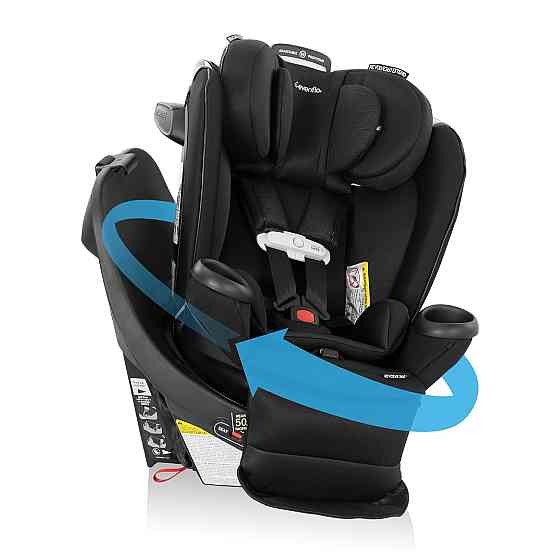
If you will travel by car, obtain an appropriate rear-facing infant car seat before the baby is born. It should meet the legal safety standard where you live, fit your vehicle and baby, and be used within its stated height and weight limits. Read both the car seat and vehicle manuals. Installation errors are common, so arrange a check from a qualified local service where available.
Dress the baby in ordinary thin layers under the harness. Bulky coats under the harness can prevent a secure fit. The harness should be snug, the chest clip should be positioned according to the seat instructions, and the baby should not be left unattended in the seat. For a premature infant or a baby with respiratory, neuromuscular, or other medical concerns, ask the neonatal or pediatric team about car seat positioning and travel planning.
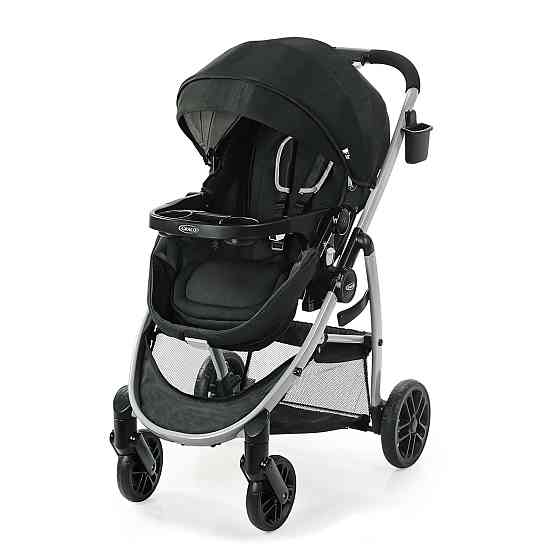
A stroller can be bought later if needed, but newborn stroller suitability matters. Choose a model approved from birth or use its compatible bassinet or infant-car-seat configuration as instructed. Look for dependable brakes, a stable frame, a five-point harness when the child is developmentally ready for it, and a manageable fold for your routine. A structured carrier may also be useful, provided it supports the infant’s airway and is used exactly as directed.
Build a flexible feeding station
Feeding equipment depends on your feeding plan, and it is sensible to buy modestly at first. For direct breastfeeding, a supportive chair or pillow, breast pads, and comfortable clothing may be helpful; these are comfort aids, not requirements for successful feeding. If expressing milk, discuss pump selection, flange fit, cleaning, storage, and any medical indication for supplementation with a lactation professional or clinician.
For bottle feeding, begin with a small number of bottles and slow-flow newborn nipples or teats. You may need a bottle brush and a method for cleaning and sterilizing or sanitizing equipment that follows current local public-health advice. Formula-feeding families need a safe preparation plan, an appropriate infant formula selected with professional advice when medically indicated, and clear access to safe water. Do not dilute formula or modify preparation instructions.
A burp cloth, bibs, and a washable changing of clothes for the caregiver reduce friction during frequent feeds. Responsive newborn feeding means paying attention to early hunger cues and the baby’s growth, hydration, and clinical follow-up rather than relying only on a schedule. Seek prompt professional advice about poor feeding, persistent vomiting, reduced urine output, jaundice concerns, or difficulty waking for feeds.
Stock practical diapering and clothing supplies
Diapers, wipes or soft cloths, and a protected changing surface are everyday essentials. Newborns may need many diaper changes each day, so a small initial supply of newborn and/or size-one diapers is usually enough until you know the best fit. Fragrance-free wipes can be convenient, while cotton wool or soft cloths with water may suit sensitive skin. Use a barrier cream only when appropriate for the baby’s skin and according to professional advice or the product label.
Set up a changing area where you can keep one hand on the baby at all times. A floor mat can be a simple, low-fall-risk option. If using a raised changing table, organize supplies before placing the baby down and never step away, even briefly. A closed diaper pail is optional; an ordinary lined bin emptied frequently can be adequate.
Clothing should be soft, washable, and easy to layer. A useful starter set includes bodysuits, sleep suits, socks if needed for the climate, a hat for outdoor weather, and a few outer layers. Avoid overheating: newborn thermoregulation is still developing, and the baby’s temperature needs can differ from an adult’s. Wash new clothing with a gentle detergent if this is compatible with your household routine, and keep spare outfits in the diaper bag.
Choose bathing and basic health supplies carefully
Newborn bathing requires very little equipment. A clean baby bath, basin, or carefully prepared sink may be sufficient, along with soft washcloths, mild fragrance-free cleanser if desired, towels, and a clean diaper and clothing for afterward. Check water temperature before bathing and keep all supplies within reach. Never leave an infant alone in water or in a bath seat, even for a moment; drowning can occur silently and rapidly in shallow water.
A basic health kit can include a digital thermometer, saline drops or spray as advised, a bulb syringe only if you have been taught to use one safely, nail file or infant nail clippers, and a first-aid resource from a reliable health service. Learn the correct method and route for taking your baby’s temperature from your clinical team. In many settings, a rectal temperature of 38 C or above in an infant younger than three months requires urgent medical assessment, but follow the emergency guidance in your region.
Keep contact numbers for your pediatrician, maternity unit, health visitor, and emergency services accessible. Equipment cannot assess a newborn’s clinical condition on its own. Get urgent help for breathing difficulty, blue or gray color, unusual limpness, seizures, severe dehydration, or any concern that your baby is seriously unwell.
Evaluate extras and second-hand gear
Many popular items are optional. A diaper bag, blackout curtains, white-noise device, baby carrier, rocking chair, play mat, and portable changing pad can improve comfort or logistics, but none should displace the essential safety setup. Be cautious of products marketed as preventing sudden infant death syndrome, maintaining sleep position, or monitoring vital signs. Consumer devices may provide false reassurance or false alarms and should not replace recommended sleep practices or medical evaluation.
Second-hand items can save money and reduce waste, especially clothing, books, a stroller with intact brakes and harness, or a high-quality changing table. Inspect for damage, missing parts, sharp edges, unstable frames, recalled products, and evidence of mould or pest contamination. Confirm that assembly instructions and safety labels are available.
Use extra caution with car seats and infant sleep products. Avoid a used car seat with an unknown history, visible damage, expired components, missing labels, or any possibility of a collision. For a used crib or bassinet, verify that it meets current safety standards, has not been recalled, and accepts the correct firm mattress. Your pediatrician or midwife can help prioritize purchases when a baby has specific clinical needs.
Safety reminders
- Do not use pillows, duvets, loose bedding, sleep positioners, or padded inserts in an infant sleep space.
- Never leave a baby unattended on a raised changing surface, in a bath, or in a car seat.
- Use rear-facing car seats only within their stated height, weight, and installation requirements.
- Keep small items, plastic packaging, cords, and batteries out of reach to reduce choking and strangulation hazards.
- Seek urgent medical advice for a young infant with fever or signs of serious illness.
Tools & Assistance
- Schedule a car seat installation check with a qualified local service
- Ask a midwife, pediatrician, or health visitor to review safe sleep and feeding questions
- Register eligible baby gear for manufacturer recall notices
- Keep a newborn care contact list on your phone and near the sleep area
FAQ
How much baby gear should I buy before birth?
Buy the safety-critical basics and a small supply of consumables first. Add specialized products after you know your baby's size, feeding method, and daily routine.
Do newborns need a stroller immediately?
Not necessarily. A correctly installed rear-facing car seat is essential for car travel, while a stroller can be selected later if walking or public transport is part of your routine.
Can I use a second-hand crib or bassinet?
Possibly, if it meets current safety standards, has not been recalled, is structurally sound, and is used with the correct firm mattress and fitted sheet. Check with a local safety or healthcare professional if unsure.
Which thermometer is best for a newborn?
Use a reliable digital thermometer and ask your baby's healthcare team which measurement method they recommend. Contact a clinician promptly for fever or any concern in a young infant.
Sources
- NHS — What to buy for your newborn baby - Best Start in Life
- VCU Health — Newborn Checklist
- Pampers — Newborn Essentials Checklist: The Must-Haves
Disclaimer
This article is for general education and does not replace individualized medical, pediatric, lactation, or safety advice. Consult a qualified healthcare professional about your baby's specific needs or urgent symptoms.














Please log in to leave a comment.