

Intro
Protecting a baby from germs is less about creating a sterile environment and more about reducing the exposures that matter most. In the first weeks and months of life, infants have immature immune defenses, a limited ability to localize infection, and a higher risk of becoming seriously ill from common organisms that older children and adults usually clear without trouble.
The good news is that many practical steps work well: clean hands, clean feeding equipment, safe formula preparation, thoughtful visitor rules, and a home environment that does not keep reintroducing microbes to the baby. The goal is not perfection. It is a reliable routine that lowers risk and helps you notice early when something is wrong.
Highlights
Most germ reduction starts with ordinary hygiene: handwashing, clean surfaces, and careful feeding practices.
Infants are most vulnerable to infection when germs reach the mouth, nose, eyes, or feeding equipment.
Safe formula preparation hygiene matters because contamination can happen from water, counters, sinks, or bottle parts.
A small number of clear household rules can lower exposure without turning family life into a constant cleaning project.
Prompt medical review matters when a baby has fever, poor feeding, breathing changes, or unusual sleepiness.
Why germ exposure matters in early infancy
Newborns do not yet have the same immune reserve as older children. Their skin, mucosal barriers, gut microbiome, and immune responses are still developing, which means an exposure that would be minor later in childhood can be clinically significant now. That is why newborn infection prevention focuses on reducing the number of organism contacts, not on trying to eliminate every microbe from daily life.
The World Health Organization emphasizes prevention, early diagnosis, timely care-seeking, and treatment for newborn infections. That framing is important for families: prevention lowers risk, but it does not replace vigilance. If a baby seems unwell, early evaluation matters more than waiting to see whether symptoms pass on their own.
Think of risk in layers. A healthy adult with a mild cold can still spread respiratory viruses to an infant. A bottle nipple that was not cleaned well can transfer bacteria into milk. A counter, sink, or pacifier that touched a contaminated surface can move germs back to the baby’s mouth. The point of the routine is to interrupt those chains before they reach the infant.
Make hand hygiene before newborn care automatic
Hand hygiene before newborn care is one of the highest-yield habits in infant care. Hands carry organisms from doorknobs, phones, shopping carts, diaper surfaces, tissues, and food prep areas straight to the baby’s face, mouth, and skin folds. Washing with soap and water is usually the best default, especially when hands are visibly dirty, after diaper changes, after using the toilet, and before preparing any feeding equipment.
Alcohol-based hand rub can be helpful when soap and water are not available, but it is not a substitute when hands are visibly soiled. The practical aim is consistency. Put handwashing at the start of the sequence: before picking up the baby, before feeding, before handling a pacifier, and before touching bottles or pump parts. That makes the routine easier to remember under fatigue.
- Wash before every feed or pump session.
- Wash after diaper changes and wiping the nose or mouth.
- Wash after returning from outside, especially public transport, stores, or clinics.
- Ask anyone holding the baby to clean hands first.
This may feel repetitive, but repetition is the point. Germ control works when the behavior is automatic, especially during the first months when the baby is most vulnerable.
Keep feeding gear and formula preparation clean
Feeding is one of the most important places where contamination can happen, because milk and formula are biologically favorable environments for microbial growth if they are mishandled. The CDC specifically highlights careful cleaning and sanitizing of bottles and pump parts, along with clean feeding surfaces, as part of preventing Cronobacter and other infections in infants. In practice, that means paying attention to every step between the cupboard, the sink, and the baby.
Use safe formula preparation hygiene by following the product instructions and local public-health guidance exactly. Clean the counter before mixing formula, keep sinks and dish areas free of splash contamination, and avoid setting bottle nipples or caps on unclean surfaces. If you pump, wash, rinse, and sanitize the parts that contact milk according to the device instructions. Do not assume a quick rinse is enough. Residual milk film can hold organisms and spread them to the next feed.
Cross-contamination is the hidden risk here. A spoon touched by a raw ingredient, a sink basin, or a dish towel can contaminate a feeding surface without looking dirty. That is why preventing cross-contamination in the kitchen matters even in a baby-only feeding routine. Clean one zone for bottle assembly, and keep that zone separate from raw food prep, household cleaning, and trash handling.
- Use clean, dry surfaces for assembling feeds.
- Sanitize bottles, nipples, and pump parts as instructed.
- Keep feeding tools away from the sink basin and dish rack if those areas are not clean.
- Store prepared formula safely and discard it according to guidance from the formula label or your clinician.
If your baby is premature, medically fragile, or taking expressed milk or formula under special circumstances, ask the pediatric team whether extra precautions are appropriate.
Reduce contamination from the home environment
Babies spend most of their time on floors, in arms, and near the surfaces adults touch constantly. That makes high-touch household surfaces a practical priority: phones, door handles, remote controls, changing tables, faucet handles, fridge handles, and the tops of counters. These are not dramatic hazards, but they are common transfer points. A reasonable cleaning plan is more effective than sporadic deep cleaning.
Use the minimum product that actually works for the surface, and be careful about residue. Overuse of strong sprays can leave irritant residue on nearby objects, which is a different problem from germs but still relevant for an infant who mouths hands and toys. Safe storage of household chemicals also matters. Cleaners, detergents, and disinfectants should stay out of reach and in their original containers with labels intact. Never mix products.
Smoke exposure is another avoidable stressor. WHO guidance for keeping newborns and young children clean and safe also emphasizes avoiding smoke and unsafe substances in the home. Smoke irritates the airways, increases respiratory vulnerability, and compounds the impact of a viral illness. In a baby, a cleaner environment is not just about what you remove from the skin; it is also about what you keep out of the air and off the surfaces they contact.
If you are cleaning a room and the baby will be nearby, let the surface dry and ventilate the area well before the infant returns. When in doubt, use simpler routines that are easy to repeat rather than aggressive cleaning that is hard to sustain.
Set visitor rules and daily contact boundaries
In many homes, the largest infection risk is not the baby’s environment but the people moving through it. Visitor rules for newborns should be clear and boring: no visits from anyone who is sick, feverish, actively coughing, or recently exposed to a contagious illness; hand hygiene before holding the baby; and no kissing the baby’s face or hands. Those steps are not impolite. They are basic respiratory virus protection for newborns.
Keep close contact predictable. If multiple caregivers share feeding and soothing duties, make sure everyone uses the same hygiene steps. That reduces the chance that one person becomes the weak link in the routine. If siblings are old enough to attend school or daycare, expect more circulating viruses in the household and tighten handwashing and face-wiping routines accordingly.
When the baby spits up, drools heavily, or gets milk on the skin, a quick wipe with gentle face cleansing for babies is usually enough. The aim is to remove residue without irritating the skin barrier. Frequent harsh scrubbing can break down that barrier and make the skin more reactive. For the same reason, do not use fragranced wipes or adult cleansers on the face unless your clinician has recommended them.
Short outings can be reasonable, but crowded indoor environments increase exposure risk. In the early weeks, many families do better with fewer handoffs, fewer hugs from casual visitors, and more control over who touches the baby and when.
Know when to seek medical help
Prevention lowers risk, but it does not replace timely care. The WHO emphasizes early diagnosis and treatment for newborn infections because symptoms can progress quickly. In young infants, even subtle changes can matter. A baby who feeds poorly, sleeps far more than usual, breathes differently, or has a temperature change may need prompt medical assessment.
Call a clinician urgently for fever in a young infant, poor feeding, vomiting with signs of dehydration, unusual lethargy, bluish color, grunting, fast or labored breathing, or a spreading rash. Also seek care if the baby seems less responsive, has fewer wet diapers, or has redness, drainage, or swelling around the umbilical area or another skin site. These do not all mean infection, but they are not problems to watch casually at home.
It helps to keep a low threshold for asking questions. Parents often worry about overreacting, yet the balance in early infancy favors earlier contact rather than delayed evaluation. A nurse line, pediatric office, or urgent care team can help decide whether the baby should be seen immediately or monitored closely. When a baby is very young, the right response to uncertainty is usually to ask sooner.
The safest posture is calm vigilance: maintain the hygiene routine, watch feeding and behavior closely, and escalate promptly if the baby’s condition changes.
Seek urgent care if a baby
- Has fever or feels unusually hot or cold for age.
- Is breathing fast, working harder to breathe, or turning blue.
- Will not feed well, vomits repeatedly, or has fewer wet diapers.
- Seems unusually sleepy, limp, hard to wake, or less responsive.
- Has redness, swelling, drainage, or a rapidly spreading rash.
Tools & Assistance
- Pediatrician or newborn clinic for age-specific fever and feeding guidance
- Nurse advice line or urgent care for same-day symptom triage
- Formula manufacturer instructions and public-health preparation guidance
- Handwashing sink, soap, and a clean drying towel reserved for infant care
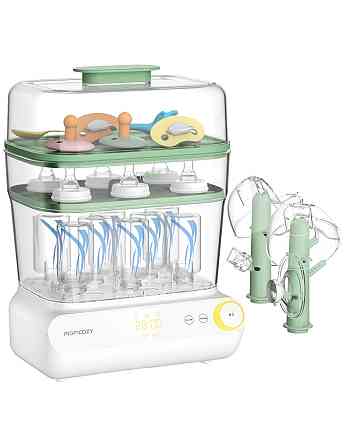
- Bottle sterilizer or sanitizing setup approved for your feeding equipment
FAQ
Do babies need a completely sterile home?
No. The goal is to reduce meaningful exposures, especially around hands, feeding, visitors, and high-touch surfaces, not to eliminate every microbe.
How often should feeding equipment be cleaned?
Clean bottles, nipples, and pump parts after each use and sanitize them as directed by the manufacturer or your clinician, especially for young or medically fragile infants.
Can relatives visit a newborn if they feel only mildly ill?
It is better to postpone the visit. Mild cold symptoms can still spread respiratory infections to a newborn.
What matters most when preparing formula?
Clean hands, clean surfaces, safe water, and careful cleaning and sanitizing of bottles and feeding tools are the core safeguards.
When should I call for medical advice?
Call promptly for fever, poor feeding, breathing changes, unusual sleepiness, dehydration signs, or anything that feels clearly different from your baby’s normal pattern.
Sources
- Centers for Disease Control and Prevention — Preventing Cronobacter in Infants
- World Health Organization — Newborn infections
- World Health Organization — Keeping newborns and children under 5 years clean and safe
Disclaimer
This article is for general educational purposes and does not replace individualized medical advice. For a newborn or infant with fever, breathing changes, poor feeding, or other concerning symptoms, contact a qualified healthcare professional promptly.
















Please log in to leave a comment.