
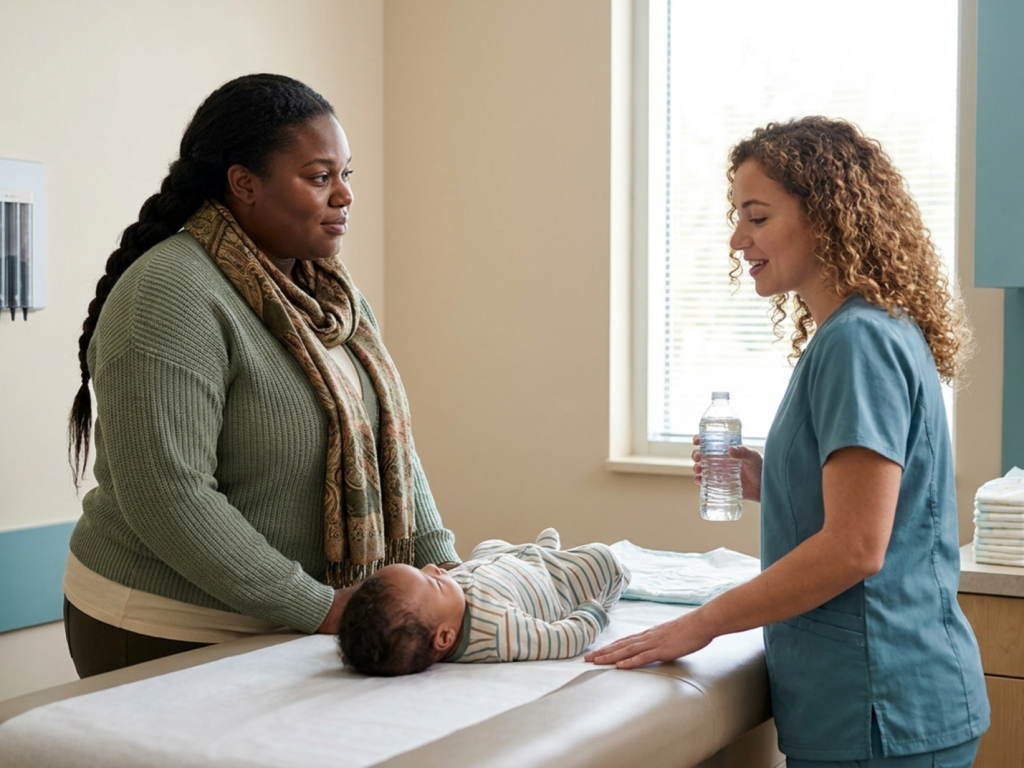
Intro
Diarrhea in a baby can feel alarming because infant stools already vary widely from day to day. A breastfed newborn may normally have frequent loose stools, while a formula-fed baby may have thicker stools; the key concern is a clear change from the baby's usual pattern.
This article explains common and less common causes of diarrhea in babies, how clinicians think about the pattern, and which warning signs should prompt medical advice. It is meant to support informed conversations with a pediatrician, not to diagnose a baby at home.
Highlights
Most infant diarrhea is acute and infectious, with viral gastroenteritis being the most common cause.
Diet changes, antibiotic exposure, bacterial infection, parasites, and protein intolerance can also cause loose or watery stools.
Persistent diarrhea lasting more than two weeks needs medical evaluation because malabsorption, intolerance, or rare disorders may be involved.
Hydration status matters as much as the stool pattern because babies can dehydrate quickly.
Blood, mucus, fever, vomiting, poor feeding, or reduced wet diapers should lower the threshold for contacting a clinician.
Start with the baby's baseline
Baby stool is naturally variable, so the first clue is change from baseline rather than a single loose diaper. Breastfed newborns often pass frequent yellow, seedy, loose stools, while formula-fed babies often have thicker, pastier stools. Diarrhea is more likely when stools become suddenly more watery, more numerous, larger in volume, foul-smelling, explosive, or difficult to contain, especially when feeding interest, energy, or urine output also changes.
True watery stools in infants deserve attention because babies have limited fluid reserve and can dehydrate faster than older children. Still, one or two loose stools can happen with a new food, mild gut irritation, or normal day-to-day variation. Keeping a short record of stool frequency, texture, urine diapers, feeds, fever, vomiting, and exposures helps a clinician interpret the pattern without asking parents to guess the diagnosis.
Viral gastroenteritis
Viral gastroenteritis in babies is the most common infectious reason for acute diarrhea. Viruses inflame the stomach and intestines, producing watery, usually non-bloody stools; vomiting, low-grade fever, cramps, or reduced feeding may accompany it. Norovirus can spread rapidly through families and group settings, while rotavirus is an important cause in infants and young children, particularly before complete vaccination.
Transmission is efficient because babies touch surfaces, put fingers or toys in their mouths, and need frequent diaper changes. Contaminated hands, shared objects, food, or water can move virus particles from one person to another. In many otherwise healthy infants, viral diarrhea is self-limited, but the first days can be intense. The practical question is not only which virus is responsible, but whether the baby is maintaining hydration and whether symptoms are following the expected short course.
Bacterial and parasitic infections
Bacteria and parasites are less common than viruses but deserve specific attention because some require testing or targeted medical treatment. Bacterial diarrhea may follow contaminated food, unsafe water, sick contacts, animal exposures, or outbreaks in childcare. It may be more concerning when stool contains blood, mucus, or pus, when fever is prominent, or when abdominal pain seems severe.
Examples discussed in pediatric resources include Salmonella and E. coli, but parents should not try to identify the organism from stool appearance alone. Parasitic infections such as giardiasis can occur in group-care settings or through contaminated water and may cause prolonged loose stools, gas, poor appetite, or poor weight gain. Because treatment depends on the organism and the baby’s age, clinicians may consider stool testing, hydration assessment, and exposure history rather than empiric home treatment.
Feeding changes and excess sugars
Diet-related diarrhea can appear when an infant’s feeding pattern changes quickly. A breastfed baby may react to a change in the breastfeeding parent’s diet, while a formula-fed baby may have looser stools after a formula change. Older infants starting solids may have transient stool changes as the gut adapts to different carbohydrate, fat, fiber, and water content.
Fruit juice is a common aggravator because sugars such as fructose and sorbitol can pull water into the intestine, making stools looser; full-strength juice is usually unnecessary for babies and may worsen diarrhea. Overfeeding, very high fruit intake, or frequent sips of sweet drinks can create a similar osmotic effect. These situations are not diagnosed by elimination experiments alone. If diarrhea repeats after particular foods, becomes severe, or affects growth, the pattern should be discussed with a pediatrician before restricting major food groups.
Antibiotics and the infant microbiome
Antibiotic-associated diarrhea in babies can occur when a medication changes the balance of intestinal bacteria. The effect may be mild and temporary, but it can be difficult for parents to separate medication-related loose stools from the infection that prompted the antibiotic in the first place.
Diarrhea can also occur when the breastfeeding parent is taking antibiotics, because small medication exposures and changes in the parent’s microbiome may affect the infant. Do not stop a prescribed antibiotic or change the dose without medical guidance; undertreating a bacterial infection can be harmful. Instead, contact the prescriber if stools become very watery, frequent, bloody, or are accompanied by fever, vomiting, poor feeding, rash, or reduced urine. A clinician can decide whether the timing fits a medication effect, a new infection, or another cause.
Protein intolerance and malabsorption
Persistent or recurrent diarrhea raises a broader differential than a brief stomach bug. Cow’s milk or soy protein intolerance can cause gastrointestinal symptoms in some babies, especially when proteins in formula or, less commonly, the breastfeeding parent’s diet trigger inflammation. A suspected food reaction in babies should be handled carefully because unnecessary restriction can compromise nutrition, while true intolerance may need a supervised feeding plan.
Celiac disease is another immune-mediated condition that can cause malabsorption after gluten-containing foods are introduced; it is not a typical cause before gluten exposure. Rare disorders, including cystic fibrosis, short bowel syndrome, and congenital diarrheas or enteropathies, can impair digestion or nutrient absorption. Clues include diarrhea lasting more than two weeks, greasy or very foul stools, poor weight gain, persistent vomiting, recurrent respiratory symptoms, severe diaper irritation, or a family history of relevant disease. These signs do not prove a specific diagnosis, but they justify prompt medical assessment.
Cause clues to track
Parents often want to know whether the cause can be inferred at home. Sometimes the context is helpful: sudden diarrhea with household illness suggests viral gastroenteritis; diarrhea after a new antibiotic suggests a medication effect; diarrhea after a formula or food change suggests a feeding-related trigger; persistent diarrhea with poor growth raises concern for malabsorption or intolerance. The same symptom, however, can come from several mechanisms, so pattern recognition should guide the conversation with a clinician rather than replace it.
Track the number of watery stools, wet diapers, feeds taken, vomiting episodes, temperature, blood or mucus, recent foods, medicines, travel, childcare exposures, and sick contacts. Also track signs of dehydration in babies, such as fewer wet diapers than usual, dry mouth, crying with few tears, unusual sleepiness, irritability, sunken eyes, or a sunken fontanelle. Frequent stooling can inflame the diaper area; a practical discussion of diaper rash causes and treatment may be useful if redness, erosions, or yeast-like rash appears. For baby diarrhea danger signs, lower the threshold for contacting a pediatrician, especially for newborns, young infants, or babies with chronic medical conditions.
Prevention links back to causes
Because the leading causes are infectious, prevention focuses on reducing exposure rather than eliminating all risk. Handwashing after diaper changes and before feeding, careful cleaning of contaminated surfaces, separate towels during household gastroenteritis, and safe food preparation all reduce fecal-oral spread.
Rotavirus vaccination, given according to the pediatric schedule, reduces severe rotavirus disease in infancy; families should ask their child’s clinician about routine vaccines rather than relying on illness exposure for immunity. In childcare, diaper-changing areas, food-preparation spaces, and illness policies matter because viruses and parasites spread more easily where young children share toys and close contact. These steps cannot prevent every episode, but they narrow the most common pathways.
Baby diarrhea danger signs
- A baby 3 months old or younger has diarrhea.
- There is blood, mucus, or pus in the stool.
- The baby has no wet diaper for about six hours or has far fewer wet diapers than usual.
- Diarrhea occurs with persistent vomiting, fever, marked sleepiness, or severe irritability.
- The baby has a dry mouth, no tears when crying, sunken eyes, or a sunken fontanelle.
- Diarrhea lasts more than two weeks or is associated with poor feeding or poor weight gain.
Tools & Assistance
- Pediatrician or urgent pediatric advice line
- Diaper, feeding, temperature, and wet-diaper log
- Oral rehydration solution for babies, used only as a clinician recommends
- Breastfeeding or formula continuation plan reviewed with a pediatric professional
- Handwashing, diaper-changing hygiene, and surface-disinfection supplies during contagious illness
FAQ
What is the most common cause of diarrhea in babies?
Viral gastroenteritis is the most common cause, with viruses such as norovirus and rotavirus often involved. Severe, persistent, or unusual symptoms still need medical advice.
Can starting solids cause diarrhea?
Yes, stool can change when solids are introduced, but repeated watery stools, poor feeding, vomiting, blood, fever, or poor weight gain should not be attributed to diet without a clinician's input.
Can antibiotics cause diarrhea in a baby?
Yes. Antibiotics can alter gut bacteria and cause loose stools, but families should not stop or adjust prescribed medication unless the prescriber advises it.
When is diarrhea considered persistent?
Diarrhea lasting longer than two weeks is often considered persistent and should be discussed with a pediatrician, especially if growth, hydration, or feeding is affected.
Should parents give anti-diarrhea medicine to a baby?
Do not give over-the-counter anti-diarrhea medicine to a baby unless a healthcare professional specifically says it is appropriate.
Sources
- MedlinePlus — Diarrhea in infants
- Cleveland Clinic — Baby Diarrhea: Causes, Treatment & When to Worry
- Mayo Clinic — Viral gastroenteritis (stomach flu) - Symptoms & causes
Disclaimer
This article is for general medical education only and does not replace diagnosis, treatment, or individualized advice from a pediatrician or other qualified healthcare professional.













Please log in to leave a comment.