

Intro
Infant self-soothing is often presented as a simple milestone: a baby either has it or needs to be taught it. Real infant regulation is more variable, relational, and developmentally paced. Understanding the myths can reduce pressure on caregivers while keeping attention on feeding, comfort, safe sleep, and medical needs.
Babies depend on adults for co-regulation before they gradually develop more capacity to settle between normal sleep cycles and periods of arousal. A responsive approach can include pauses and observation without treating distress as a test of independence.
Highlights
Self-soothing in infant sleep research usually refers to settling after a brief waking, not never needing a caregiver.
Responding to a young baby's distress does not spoil them or prevent later emotional regulation.
Night waking, feeding needs, illness, temperament, and developmental stage all affect whether a baby settles independently.
What self-soothing actually means
In everyday conversation, self-soothing can mean anything from sucking a hand to falling asleep without being held. In infant sleep research, it is usually narrower: the infant returns to sleep after a nighttime arousal without a parent intervening. This is not evidence that the baby has no needs, did not wake, or has learned to tolerate distress alone.
Brief arousals are a normal part of sleep architecture. Infants can stir, vocalize, move their limbs, or briefly open their eyes between sleep cycles. Some will settle with little help; others need feeding, touch, holding, or another form of caregiver support. Longitudinal research shows that sleep-wake patterns and self-soothing behaviors change across the first year and vary substantially between infants.
The practical implication is that self-soothing is a description of an observed behavior at a particular time, not a fixed trait or a pass-fail developmental test. A baby who settles alone one evening may need substantial help the next because of hunger, nasal congestion, teething discomfort, a developmental shift, or simple overstimulation.
Myth: A baby must cry to learn to settle
Crying communicates a state of need or dysregulation; it does not reliably identify the cause. A young infant may cry because of hunger, fatigue, discomfort, reflux-like symptoms, a wet diaper, temperature, illness, or a wish for proximity. Crying can also escalate physiologic arousal, making settling harder rather than easier.
There is a meaningful distinction between allowing a short observational pause when a baby is grunting or fussing in sleep and deliberately ignoring sustained, escalating crying. Caregivers can listen and look for whether the infant is actually waking, then respond according to age, feeding pattern, symptoms, and the family’s plan. For newborns and young infants, regular feeding and prompt attention to concerning changes take priority over a goal of independent sleep onset.
Some structured behavioral sleep approaches are discussed with clinicians for selected older infants, but they are not a universal requirement and should not be used as a substitute for medical evaluation. A plan is more appropriate when it accounts for growth, feeding, developmental stage, caregiver capacity, and safe-sleep practices.
Myth: Responding quickly creates dependence
Infants are biologically dependent on caregivers. They do not yet have mature capacities for autonomic and emotional regulation, and they learn regulation through repeated co-regulation: an adult notices cues, offers comfort, and helps reduce arousal. Holding, rocking, feeding, speaking softly, or providing calm touch can all be appropriate responses, depending on the situation.
Responsive care is not the same as reacting anxiously to every sound. It can include a calm pause, observation, and a proportionate response. The aim is not to eliminate every moment of frustration, but to ensure the infant is safe and supported while gradually gaining experience with settling. Caregiver sensitivity is more useful than rigid rules about seconds of crying or a particular sleep method.
It can also help to separate an infant’s needs from a parent’s understandable worry about creating a habit. Sleep associations are normal: babies commonly associate sleep with feeding, movement, a caregiver’s presence, or non-nutritive sucking. Associations can be adjusted over time if they no longer work for a family; they are not proof that a child has been harmed by comfort.
Myth: Self-soothing means a baby should not need night feeds
Night waking and night feeding are not interchangeable, but neither should be assumed to be a behavioral problem. Especially in early infancy, stomach capacity is limited and feeding frequency may be clinically relevant to hydration, milk supply, growth, and jaundice management. The timing of longer sleep stretches differs widely.
A baby can be capable of resettling after some arousals and still genuinely need nutrition at others. Parents should follow individualized feeding guidance from their maternity, pediatric, or primary care team, particularly for premature infants, babies with low weight gain, feeding difficulties, or medical conditions. Do not withhold a recommended feed to practice self-soothing.
As infants mature, a clinician may help families consider whether some wake-ups are more likely related to a sleep association than hunger. That assessment should use the infant’s full context rather than age alone. Feeding to sleep can be a soothing, normal practice, and changing it is a family preference or practical decision, not an emergency developmental task.
Myth: Every unsettled period is caused by a sleep habit
Sleep is sensitive to ordinary changes in physiology and environment. Infants may settle differently during illness, after immunizations, while learning new motor skills, during travel, or when routines change. Temperament also matters: some babies have a lower threshold for sensory input or need more assistance transitioning from alertness to sleep.
Before interpreting persistent waking as a habit, consider basic contributors. Is feeding going comfortably? Are wet diapers and stools typical for the baby? Is the sleep space quiet, comfortably temperate, and consistent with current safe-sleep guidance? Is the infant showing signs of pain, fever, respiratory difficulty, vomiting, poor feeding, or a marked change from their usual behavior?
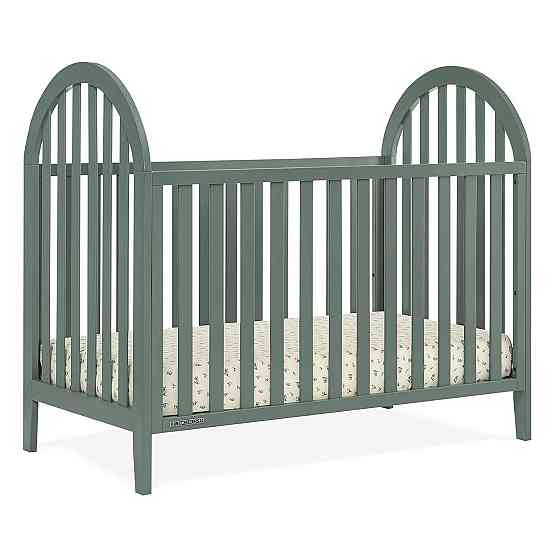
A predictable bedtime routine can reduce stimulation and provide cues for sleep, but it cannot guarantee uninterrupted sleep. The goal is a workable rhythm, not a perfect sequence. Families may use a calm feed, diaper change, dim light, song, cuddle, and placement in a clear, safe cot when appropriate. Flexibility matters when the baby or caregiver is having a difficult night.
A balanced approach to helping babies settle
A balanced approach begins with safety and observation. Place babies to sleep according to current local safe-sleep recommendations, and use a firm, flat, uncluttered sleep surface intended for infant sleep. Avoid attempting to teach settling in unsafe locations, such as an adult bed, sofa, armchair, or an unattended car seat.
When an infant stirs, a brief moment to observe may help distinguish active sleep from a full waking. If the baby is escalating, check for immediate needs and offer soothing that fits the moment: a feed when indicated, a diaper change, gentle holding, rhythmic movement while awake, quiet voice, or non-nutritive sucking when suitable for the family and advised by their clinician. Then reassess rather than escalating stimulation.
Caregiver wellbeing is part of infant safety. Persistent crying can be overwhelming, particularly with sleep deprivation or postpartum mood symptoms. Put the baby in a safe sleep space and step away briefly to regulate yourself if needed, then seek support from another trusted adult or a healthcare professional. Self-compassion is not passivity; it is recognizing limits and responding safely to both the baby’s needs and your own.
When to seek help
- Seek urgent medical advice for breathing difficulty, blue or gray color, unusual limpness, or a baby who is hard to wake.
- Contact a healthcare professional promptly for fever in a young infant, poor feeding, repeated vomiting, dehydration concerns, or a major change in behavior.
- Do not leave an infant to cry in an unsafe sleep setting or use loose bedding, positioners, or unapproved sleep products.
- Never shake a baby. If crying feels overwhelming, place the baby safely in their cot and get immediate support.
- Ask a pediatric clinician or health visitor about sleep concerns when growth, feeding, caregiver mental health, or medical symptoms are involved.
Tools & Assistance
- A pediatrician, family doctor, or health visitor for individualized feeding and sleep guidance
- A written log of feeds, wet diapers, sleep periods, and concerning symptoms
- Current local infant safe-sleep guidance from a public health or pediatric organization
- A trusted support person who can take over briefly during prolonged crying
FAQ
At what age can babies self-soothe?
There is no single age. Some infants begin resettling independently during parts of the first year, while others need more support. Development, feeding needs, temperament, and health all affect this.
Should I wait before responding to nighttime noises?
A brief observation can be reasonable when a baby appears to be in active sleep or is only fussing. Respond promptly to escalating crying, hunger cues, or any concern about illness or safety.
Does feeding to sleep prevent self-soothing?
No. Feeding is both nutritional and regulating, especially in early infancy. It may become a sleep association, but that is common and can be reconsidered later if it no longer suits the family.
What if my baby suddenly stops settling as usual?
Temporary changes are common, but consider illness, feeding difficulties, discomfort, and changes in wet diapers or behavior. Contact a healthcare professional when symptoms are concerning or the change is substantial.
Sources
- PubMed Central — Nighttime sleep-wake patterns and self-soothing from birth to 1 year of age: longitudinal evidence and implications for infant sleep development
- Michigan State University Extension — Self-compassion: An often misunderstood part of health and well being
- Psychology Today — What's the Downside of Self-Soothing?
Disclaimer
This article provides general educational information and is not medical advice. Consult a qualified healthcare professional for concerns about your baby's feeding, sleep, growth, or symptoms.















Please log in to leave a comment.