
Intro
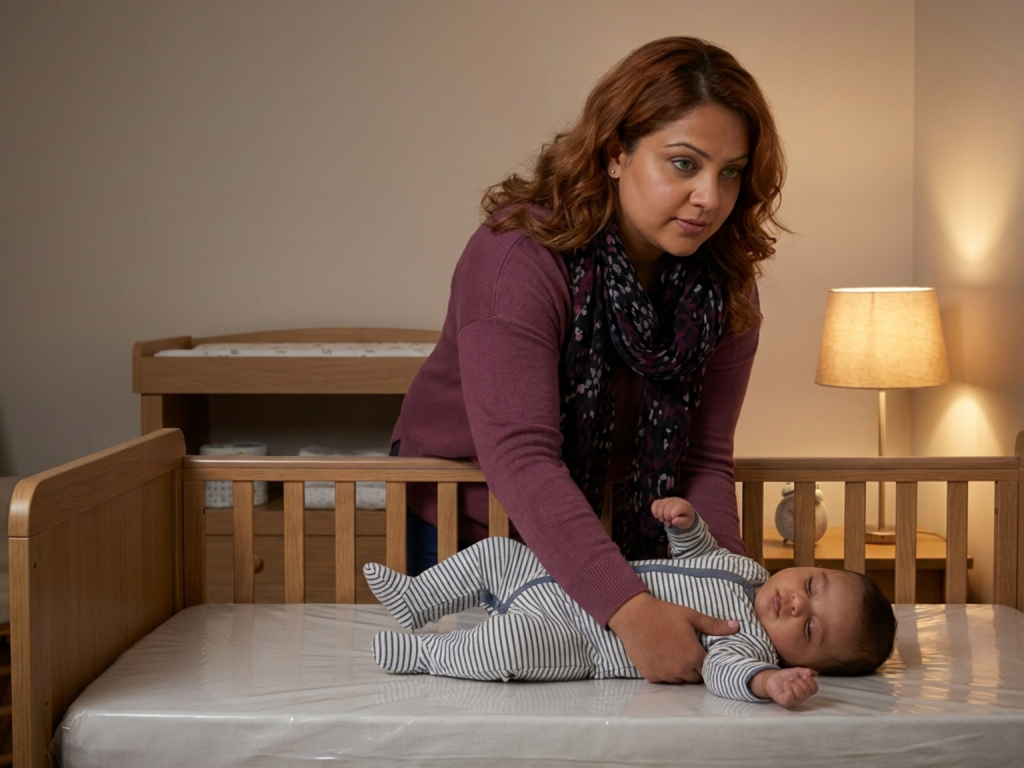
Helping a baby settle independently can be a gradual, reassuring process rather than a test of parenting or a measure of attachment. Babies need responsive care, particularly in the early months, while also benefiting from repeated opportunities to experience sleep in a calm, safe, predictable setting.
Independent settling does not mean leaving a baby unsupported. It means learning to notice when a baby needs feeding, comfort, or medical assessment, and when they may be able to move through a brief period of normal fussing, light sleep, or waking with less help.
Highlights
Some infants show the capacity to resettle between sleep periods very early in life, but this ability is variable and immature.
A calm environment and a predictable sequence before sleep can make settling cues easier for a baby to recognize.
Responsive care remains essential. Independent settling should never override hunger, illness, pain, or safe-sleep needs.
Progress is rarely linear; developmental leaps, feeding changes, and minor illnesses can temporarily disrupt sleep.
What independent settling means in infancy
Independent settling is the developing ability to fall asleep, or return to sleep after a normal arousal, in a safe sleep space without needing the same level of caregiver assistance every time. It can include quietly looking around, sucking a hand, making small movements, vocalising briefly, or having a short period of fussing before sleep. It does not require a baby to be silent, to sleep through the night, or to manage distress alone.
Infant sleep is biologically different from adult sleep. Babies cycle more frequently through active and quiet sleep, and may stir, grimace, cry out, or open their eyes without being fully awake. Video research involving London infants found that some babies could resettle after waking during the first three months, suggesting that this capacity can emerge early. However, not every infant does this consistently, and needing help remains normal.
The realistic goal is not control over sleep. It is to create conditions in which your baby has repeated, low-pressure chances to practice settling while knowing that a caregiver will respond when needed. Age, temperament, prematurity, feeding requirements, neurodevelopment, family circumstances, and current health all influence what is achievable.
Start with sleep readiness and realistic expectations
Timing matters. A baby who is overtired may become more activated and harder to settle, while a baby who is not yet sleepy may resist sleep because their biological drive is low. Instead of relying only on the clock, watch for patterns that suggest reduced alertness: quieter movement, less interest in interaction, staring, rubbing the face, yawning, or becoming irritable. These cues vary among babies and may be subtle in newborns.
Newborn sleep expectations should be especially flexible. Young babies commonly wake to feed, have irregular day-night patterns, and need frequent caregiver support. Breastfed infants in particular may feed often, including overnight. Seeking independent settling before feeding needs, weight gain, or medical concerns have been clarified can create unnecessary stress.
As a practical approach, begin the wind-down before your baby is very upset. After feeding and changing, reduce light, conversation, and play. The NHS advises keeping nighttime interactions quiet and minimally stimulating. This helps distinguish night from daytime and prevents a fully alert state immediately before sleep. A regular sequence can be more useful than a rigid schedule, especially in the first months.
Build a predictable bedtime routine
A predictable bedtime routine gives a baby repeated sensory cues that sleep is approaching. It need not be elaborate or long. Consistency in the order of events is usually more helpful than trying to reproduce an exact time or perfect atmosphere. For many families, a routine may include a feed, nappy change, sleep clothing, a quiet cuddle, a brief song or story, and placement in the cot.
Keep the final steps calm and unstimulating. Lower lighting, reduce screens and household noise where possible, and use a steady voice. These changes lower external stimulation but do not guarantee sleep; they simply give the nervous system a more predictable transition. Avoid adding numerous sleep associations that are difficult to maintain every time, such as prolonged movement or extensive interaction, unless they are working sustainably for your family.
Where feasible, place your baby down drowsy but awake. This phrase does not mean a baby must be nearly asleep or completely relaxed. It means they are fed, comfortable, and showing sleepiness while still having an opportunity to notice their sleep surface as they drift off. Some babies will settle this way quickly; others will need touch, voice, or being picked up, particularly at younger ages.
- Use the same short sequence for most naps and nights when practical.
- Choose one or two calming cues, such as a quiet phrase or gentle patting.
- Make changes gradually rather than removing all support at once.
Use responsive pauses and graduated support
When a baby stirs or fusses, pause briefly before intervening, provided they are safe and the sound is not escalating. A short settling pause can help you distinguish active sleep from a true waking and may allow the baby to resettle. The appropriate duration is individual: for a young infant, a few moments of observation may be enough. Prolonged crying is not required for independent settling.
If your baby continues to signal discomfort, respond in the least stimulating way that seems likely to help. You might wait nearby, speak softly, place a calm hand on their chest if appropriate and safe, or offer brief reassurance. If distress increases, pick the baby up and meet the apparent need. A responsive approach is compatible with giving small opportunities to settle; these are not opposing ideas.
Try to change one element at a time. For example, if your baby usually falls asleep while being rocked, you might rock until calm and then place them down before fully asleep. Over several days, you may reduce the amount of rocking if that feels manageable. This gradual approach can be easier for both baby and caregiver than abrupt withdrawal of support.
Observe the pattern rather than judging a single night. Was the baby hungry? Had they been awake longer than usual? Were they congested, teething, unwell, or exposed to unusual stimulation? Sleep is sensitive to ordinary changes, so apparent setbacks are often expected rather than evidence that the approach has failed.
Keep independent settling within safe sleep guidance
Independent settling should always occur alongside safe sleep practices. Use a safe separate sleep surface that is firm, flat, and clear, following the current advice provided by your local health service. Put babies down on their backs for every sleep unless a clinician has given specific medical instructions otherwise. Avoid soft bedding, pillows, loose blankets, positioners, and toys in the sleep area because these can increase the risk of sleep-related injury or suffocation.
Room-sharing without bed-sharing is commonly recommended for young infants in many public-health guidelines, as it allows close supervision while maintaining a separate sleep space. Your baby may still need you nearby to settle. Physical proximity and responsive care do not prevent a baby from developing sleep skills; in fact, a calm caregiver response can support co-regulation while the baby matures.
Ensure that feeding, holding, and soothing plans account for caregiver fatigue. Falling asleep with a baby on a sofa, recliner, or armchair is particularly hazardous. If you feel very sleepy while feeding or comforting your baby, return them to their own sleep space as soon as you are awake enough to do so, and consider asking another adult for support. Discuss individual circumstances, including prematurity or health conditions, with your baby’s healthcare professional.
Know when sleep needs more than a settling strategy
Sleep difficulties can sometimes reflect a need that cannot be addressed through routine alone. Contact a healthcare professional if your baby has feeding problems, poor weight gain, recurrent vomiting, persistent pain behaviours, breathing concerns, fever, unusual lethargy, or a marked change from their usual pattern. Persistent infant snoring, pauses in breathing, laboured breathing, or colour change during sleep require prompt medical assessment.
It is also reasonable to seek help when caregiver sleep deprivation is affecting safety, mood, daily functioning, or the ability to respond calmly. A health visitor, paediatric clinician, family doctor, or qualified infant sleep professional can help review feeding, growth, sleep safety, and development. They can also help you decide whether an approach is suitable for your baby’s corrected age if they were born prematurely.
There is no universal timetable for independent settling. Some babies develop a relatively consistent pattern early, while others need extensive support for longer. The best approach is one that protects safety, feeding, attachment, and caregiver wellbeing. A predictable bedtime routine, small opportunities for self-settling, and reliable response to genuine needs can coexist without asking more of a baby than their stage of development allows.
Safety and medical cautions
- Always place a baby on their back on a firm, flat, clear sleep surface unless a clinician advises otherwise.
- Do not use pillows, sleep positioners, loose bedding, or soft toys to help a baby settle.
- Do not delay feeding for a young baby or a baby with medical or growth concerns in order to encourage longer sleep.
- Seek urgent medical advice for breathing difficulty, bluish colour, unresponsiveness, or pauses in breathing.
- Ask a healthcare professional for personalised guidance for premature babies, babies with complex medical needs, or persistent sleep concerns.
Tools & Assistance
- Keep a simple sleep-and-feed record for several days to identify patterns.
- Ask a health visitor, paediatric clinician, or family doctor to review feeding, growth, and sleep concerns.
- Create a low-light nighttime care area with essential nappy-changing and feeding supplies nearby.
- Arrange protected rest or overnight support when caregiver fatigue is affecting safety.
FAQ
At what age can a baby settle independently?
Some infants show brief resettling ability in the first months, but reliable independent settling develops at different rates. Newborns commonly need substantial support and frequent feeds.
Should I leave my baby to cry to teach independent settling?
Independent settling does not require leaving a baby distressed. A brief observation pause may be appropriate when a baby is safe and only stirring, but respond when crying escalates or a need is likely.
Does putting a baby down awake mean they must fall asleep alone?
No. Drowsy but awake is an opportunity to practice falling asleep in the sleep space. You can still offer calm, responsive support if your baby needs it.
Can a dummy help a baby settle?
A pacifier may soothe some babies. Discuss its use, feeding considerations, and safe sleep practice with a healthcare professional, especially if breastfeeding is being established.
Sources
- PubMed Central — Video Evidence That London Infants Can Resettle Themselves Back to Sleep
- NHS — Helping your baby to sleep
- Mayo Clinic — Helping baby sleep through the night
Disclaimer
This article is for general information and is not a substitute for personalised medical advice. Consult a qualified healthcare professional about your baby's feeding, sleep safety, health, or development.














Please log in to leave a comment.