
Intro
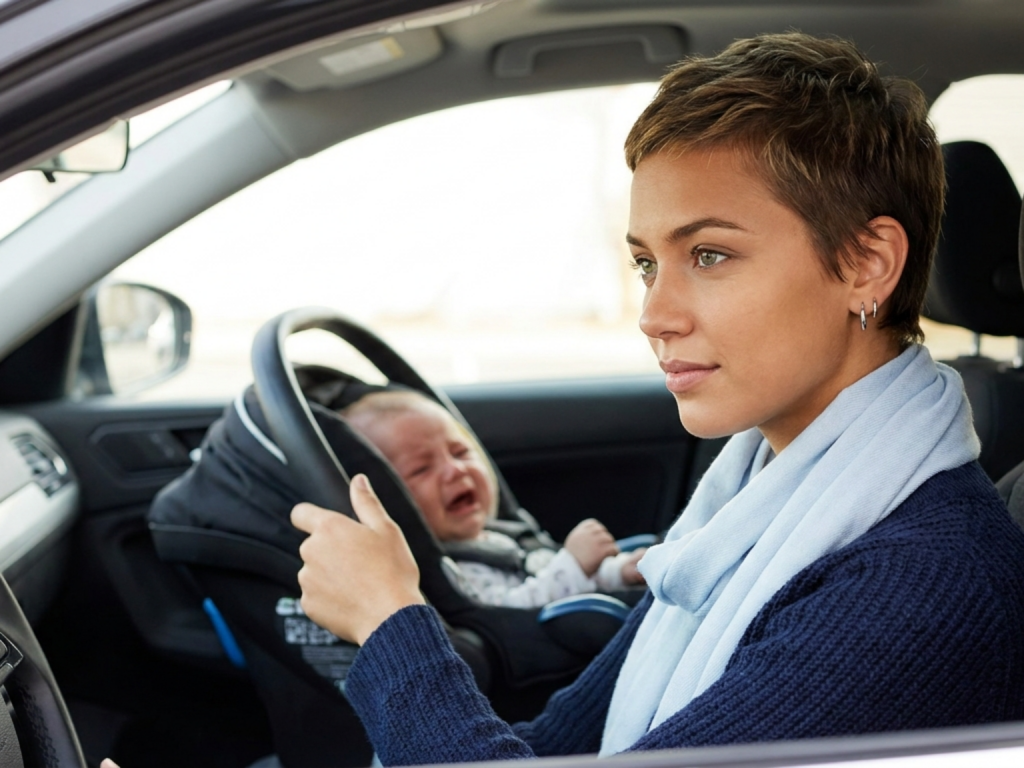
Crying during car rides can be exhausting and unsettling, especially when you are driving and cannot immediately pick up or comfort your baby. In many cases, crying reflects an ordinary response to restraint, motion, tiredness, hunger, temperature, unfamiliar sensory input, or separation from a caregiver. It does not mean that you are failing or that your baby is necessarily ill.
Car-related crying can also accompany motion sickness, particularly in children who are old enough to describe nausea, dizziness, sweating, pallor, or abdominal discomfort. This article explains possible contributors, practical steps that may help, and situations that warrant advice from a pediatrician or another qualified healthcare professional.
Highlights
Crying in the car may result from discomfort, overstimulation, fatigue, restraint, or motion-related nausea.
Behavioral measures such as fresh air, reduced visual stimulation, and avoiding heavy meals before travel may reduce motion-sickness symptoms.
Never compromise car-seat positioning, harness fit, or driving safety in an attempt to stop crying.
Persistent, severe, or medically concerning crying should be discussed with a healthcare professional.
Why Car Rides Can Trigger Crying
A baby may cry in the car for reasons that have little to do with illness. The car seat limits movement and changes the physical relationship between the baby and caregiver. A child who is accustomed to being held may protest when placed in a rear-facing seat, particularly when tired or already unsettled. Hunger, a wet diaper, reflux-related discomfort, overheating, cold air, glare, noise, or an awkward position can add to the distress.
Motion itself is another possible contributor. Motion sickness occurs when signals from the inner ear, eyes, and other sensory systems do not agree about movement. In a moving vehicle, the vestibular system detects acceleration and turning while the visual system may be focused on a relatively fixed interior surface. This sensory mismatch can produce nausea and related symptoms. MedlinePlus notes that motion sickness commonly affects children and can occur during car travel. The Mayo Clinic identifies children ages 2 to 12 as especially prone to car sickness.
Infants may not be able to report nausea in words. Instead, they may become irritable, pale, sweaty, unusually quiet, or begin crying before vomiting. These signs are not specific to motion sickness, however. Crying alone cannot establish a diagnosis, so repeated episodes deserve careful observation and, when needed, clinical advice.
Look for Patterns Before Changing the Routine
A brief travel record can help distinguish a predictable tolerance problem from a broader concern. Note the baby’s age, feeding and sleep timing, duration of the trip, road conditions, temperature, whether the crying begins immediately or after movement, and whether vomiting, pallor, sweating, coughing, fever, or abnormal sleepiness occurs. Also record what happens when the vehicle stops and whether the child recovers promptly.
Immediate crying after being buckled may suggest distress related to restraint, separation, or positioning. Crying that begins after winding roads or sustained movement may raise the possibility of motion-related discomfort, especially if accompanied by pallor, sweating, nausea, or vomiting. Crying after a large feed may reflect ordinary feeding discomfort, while crying across many settings may point to an issue that is not specific to car travel.
Do not use a pattern alone to label the cause. Babies can have overlapping needs, and symptoms can change with age. A pediatrician can help assess feeding, growth, gastrointestinal symptoms, respiratory symptoms, pain, and other possible contributors when the pattern is persistent or difficult to interpret.
Prepare the Car and the Journey
Start with car seat safety for babies. The seat should be installed and used according to the manufacturer’s instructions, with the correct recline and harness position for the child’s size. Avoid adding unapproved car seat accessories or placing bulky coats under the harness, because these changes can affect restraint performance. A certified Child Passenger Safety Technician can check installation and fit in person.
Plan travel around the baby’s ordinary needs where practical. A clean diaper, appropriate clothing layers, and a reasonable opportunity to feed and burp may reduce avoidable discomfort. Avoid beginning a journey immediately after a heavy meal if the child is old enough for that guidance to be relevant; the Mayo Clinic specifically lists avoiding heavy meals before travel as one measure that may help prevent car sickness. Infants still require developmentally appropriate feeding, so feeding decisions should be individualized rather than based on a rigid travel rule.
Keep the cabin comfortably ventilated and reduce unnecessary sensory input. Fresh air may help some children with motion sickness. Minimize glare and excessive heat, and keep music or conversation at a moderate level. For older children, the CDC Yellow Book emphasizes behavioral countermeasures such as looking toward the horizon and reducing visual activity. These strategies may not be developmentally feasible for a young baby, but they reinforce the value of limiting confusing or intense visual stimulation.
What to Do When Crying Starts
First, assess safety. If you are driving, keep your attention on the road and do not unbuckle, feed, reach into the back seat, or attempt complicated soothing while the vehicle is moving. Driver distraction from infant crying can create an immediate hazard. When it is safe, pull over in an appropriate location and check the baby’s breathing, color, temperature, position, diaper, and harness fit.
Use safe in-car calming methods that do not alter the restraint. A calm voice, predictable verbal reassurance, and a familiar soft sound may help. Check that the harness is snug according to the seat instructions and that clothing or straps are not visibly twisted. Do not place loose blankets, pillows, toys, mirrors, or other objects near the baby unless they are specifically permitted and securely used according to safety guidance.
If nausea or vomiting is suspected, stop when safe, offer fresh air, clean the child, and allow a recovery period before deciding whether to continue. Repeated vomiting can cause dehydration, and a baby who seems weak or unusually sleepy needs medical attention rather than simply another attempt at the journey. If the crying remains intense, it is reasonable to end the trip when possible and contact a healthcare professional for guidance.
Medication Requires Individual Advice
Medication is not a routine first response to crying in an infant. The CDC recommends behavioral countermeasures first for motion sickness and advises caution with anti-motion-sickness medicines in children. The Mayo Clinic notes that age-appropriate antihistamines may be considered before travel in some circumstances, but medication choice, dose, timing, contraindications, and adverse effects require professional guidance.
Do not give an over-the-counter antihistamine or another medicine solely because a baby cries in the car. Some medicines can cause sedation, paradoxical agitation, dry mouth, or other adverse effects, and an apparent improvement in crying may obscure a clinically important change. Product labels may differ by country and age group. A pharmacist, pediatrician, or other qualified clinician should confirm whether any medicine is appropriate for a particular child.
In very young infants, unexplained crying should not be presumed to be motion sickness. Discuss recurrent travel-associated episodes with the child’s clinician, especially when there is vomiting, poor feeding, weight concern, fever, breathing difficulty, or a change from the baby’s usual behavior.
When to Seek Medical Care
Contact a healthcare professional if car crying is persistent, worsening, unusually intense, or occurring outside travel as well. A clinician may ask about feeding, bowel movements, sleep, developmental behavior, car-seat positioning, and associated symptoms. They may also examine the baby for causes of pain or illness. A practical record of episodes can make that discussion more useful.
Seek urgent medical care for difficulty breathing, blue or gray coloration, marked pallor that does not resolve, unresponsiveness, seizure-like activity, repeated forceful vomiting, signs of dehydration, a swollen or rigid abdomen, significant injury, or crying that is inconsolable with a clearly ill appearance. Fever in a young infant requires prompt medical advice, with the exact urgency depending on age and local clinical guidance.
Caregiver wellbeing matters as well. If crying is overwhelming, stop in a safe place and ask another adult to help when possible. Never shake, hit, or handle a baby roughly. A clinician can also help with persistent inconsolable crying and identify support for caregiver stress.
Safety And Medical Warning Signs
- Never remove a baby from the car seat or loosen the harness while the vehicle is moving.
- Do not place unapproved accessories, pillows, loose bedding, or bulky coats under the harness.
- Do not give motion-sickness medication without age-appropriate advice from a clinician or pharmacist.
- Seek urgent care for breathing difficulty, abnormal color, unresponsiveness, repeated vomiting, or severe illness.
- If you feel unable to cope with crying, stop safely and obtain immediate support.
Tools & Assistance
- A brief travel and symptom record
- A car-seat installation check with a certified Child Passenger Safety Technician
- A planned safe stopping location on longer journeys
- A discussion with the child’s pediatrician or primary healthcare professional
- A pharmacist consultation before considering any over-the-counter medicine
FAQ
Is crying during a car ride always motion sickness?
No. Crying may reflect restraint, fatigue, hunger, temperature, sensory overload, separation, or pain. Motion sickness is more likely when crying occurs with nausea, vomiting, pallor, sweating, or dizziness, but these signs are not diagnostic.
Can fresh air help a child with car sickness?
Fresh air may help some children, and it is included among practical prevention measures from the Mayo Clinic. Only ventilate the vehicle in a way that remains safe, and pull over before making changes that require attention away from driving.
Should I give my baby an antihistamine before a trip?
Do not give medication based on crying alone. Anti-motion-sickness medicines can have age-related restrictions and adverse effects. Ask a pediatrician or pharmacist whether a medicine is appropriate, including the correct dose and timing.
How can I comfort a crying baby while driving?
Keep driving attention on the road and do not reach into the back seat. Pull over safely, then check breathing, color, temperature, diaper, position, and harness fit. Use calm verbal reassurance and other safe in-car calming methods that do not compromise restraint.
Sources
- Mayo Clinic — Car sickness in children: Can I prevent it?
- MedlinePlus — Motion Sickness
- Centers for Disease Control and Prevention — Motion Sickness | CDC Yellow Book
Disclaimer
This article is for general educational purposes and does not diagnose, treat, or replace advice from a qualified healthcare professional. Seek medical care for urgent or concerning symptoms.














Please log in to leave a comment.