

Intro
When a baby only sleeps when held, caregivers can feel trapped between the comfort that works and the exhaustion it creates. This pattern is common in early infancy, particularly during the newborn period, when babies have immature circadian rhythms, frequent feeding needs, and a strong preference for warmth, movement, familiar smell, and the sound of a caregiver’s breathing.
Contact naps can be emotionally reassuring and developmentally normal, but they also create a safety concern if an adult becomes drowsy or falls asleep while holding the baby. The goal is not to force immediate independent sleep. It is to understand why the pattern may be occurring, protect safe sleep, and make gradual changes that are realistic for the baby’s age and the family’s circumstances.
Highlights
Many newborns settle more easily in arms because close contact provides warmth, movement, regulation, and a familiar sensory environment.
A baby who sleeps while held may wake during transfer because the temperature, pressure, position, and sensory cues change abruptly.
The safest routine is to place an infant on their back in a separate, firm, flat sleep space whenever the caregiver may sleep or cannot remain fully alert.
Gentle practice with one sleep period at a time can help some babies become more comfortable sleeping in their own sleep space.
Seek professional advice for breathing concerns, poor feeding, fever, unusual lethargy, persistent pain, or caregiver exhaustion that is becoming unsafe.
Why babies often sleep better when held
Holding offers several cues that help an immature nervous system settle. A caregiver’s body provides warmth, rhythmic movement, gentle pressure, familiar scent, and auditory input such as breathing and a heartbeat. These cues can reduce the abrupt sensory change that occurs when a baby is placed on a stationary mattress. Newborns also have limited ability to regulate arousal, so they may move rapidly from drowsy to fully awake when their environment changes.
Sleep architecture is another factor. Infant sleep includes active sleep, which resembles rapid eye movement sleep and may involve facial movements, irregular breathing, grunts, or brief limb movements. A baby can appear asleep while still being relatively easy to disturb. If transfer occurs during a lighter phase, the baby may startle, cry, or search for the same conditions that helped them fall asleep.
There is also a normal biological need for frequent contact. Newborns are adapting from a continuously supported intrauterine environment to a world with changes in temperature, gravity, sound, and light. Wanting to sleep against a caregiver does not mean the baby is manipulative, spoiled, or permanently unable to sleep independently. It is usually a communication of comfort and regulation rather than a behavioral problem.
Some infants continue to prefer contact sleep after the newborn period, especially during illness, developmental changes, overtiredness, or periods of increased feeding. A temporary increase in holding can be a reasonable response to a baby’s needs. The important question is whether the arrangement remains physically safe and sustainable for the caregiver.
Check comfort, feeding, and the sleep environment
Before focusing on sleep training or transfer technique, consider whether the baby is comfortable and receiving appropriate care. Hunger is a frequent reason for waking, particularly in the early weeks. Feeding patterns vary, and a healthcare professional can help assess whether intake, wet diapers, weight gain, and feeding effectiveness are appropriate for that individual baby. A baby who repeatedly wakes when laid flat may also be experiencing discomfort, nasal congestion, reflux-like symptoms, or another issue that deserves clinical assessment rather than assumptions.
Observe the pattern carefully. Does the baby settle in arms but cry immediately when placed flat? Do they arch, gag, cough, wheeze, vomit forcefully, or seem distressed during feeds? Are there changes in stool, urine output, skin color, temperature, or alertness? These observations can help a clinician determine whether the issue is primarily a sleep association or whether pain, feeding difficulty, respiratory illness, or another medical concern may be contributing.
Environmental factors can make transfers harder. An infant may become overtired after staying awake too long, and an overtired baby can be more difficult to settle. Excessive light, noise, handling, or frequent attempts to transfer can also increase arousal. Keep the sleep area appropriately comfortable, avoid overheating, and use a consistent low-stimulation routine. These measures do not guarantee that a baby will sleep alone, but they reduce avoidable disruptions.
Do not use sleep positioners, inclined products, loose blankets, pillows, or other items intended to keep a baby in place unless a qualified healthcare professional has given specific advice for a medical reason. Products marketed for sleep, including some loungers and nests, may not provide a safe sleep surface. A clinician can help clarify what is appropriate for a premature infant or a baby with a diagnosed condition.
Protect safe sleep during contact naps
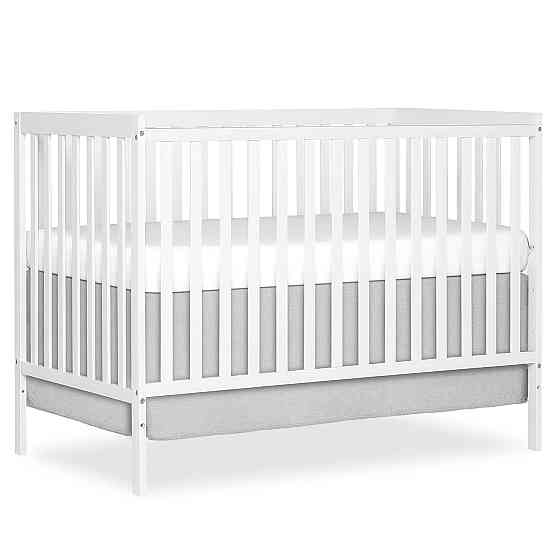
Contact sleep requires active risk management. The safest option is for the baby to sleep on their back in a separate, firm, flat sleep space designed for infants, with no loose bedding or soft objects around the face. A bassinet, crib, or portable play yard that meets applicable safety standards is generally used for this purpose. The sleep space should be close enough for supervision without placing the infant on an adult bed, sofa, recliner, or armchair.
A caregiver may choose to hold a sleeping baby while fully awake and alert. This should be treated as a supervised activity, not as a sleep location. If the caregiver feels sleepy, has taken medication or substances that cause drowsiness, is unwell, or cannot maintain continuous awareness, the baby should be moved to the separate sleep space. Sofas and recliners are particularly hazardous because an infant can become trapped against the adult or cushions, with the airway obstructed without obvious noise.
Planning helps. Arrange a safe sleep space before beginning a contact nap, keep phones and other necessities within reach so the caregiver does not need to stand while drowsy, and ask another adult to take over when possible. If the baby falls asleep during feeding or holding, transfer them as soon as it is safe to do so. A sleeping caregiver cannot reliably monitor airway position.
Safe sleep recommendations should be followed even when a baby strongly prefers being held. This is not a judgment about parents who have unintentionally fallen asleep; exhaustion is a real physiological risk. The practical response is to acknowledge the risk, reduce opportunities for accidental sleep, and discuss the family’s circumstances with a healthcare professional. Guidance from MedlinePlus and local public-health authorities can provide additional safe-sleep information.
How to make the transition gradually
There is no requirement to change every sleep at once. A gradual approach can protect the baby’s need for reassurance while giving the caregiver opportunities to rest. Choose one relatively predictable sleep period, often the first nap or the beginning of nighttime sleep, and practice the same short routine for several days. Other sleep periods can remain flexible while the family evaluates what works.
- Begin with basic needs: offer a feed when appropriate, change the diaper, assess temperature and comfort, and allow time for burping if needed.
- Use a calm sequence such as dimming the lights, reducing stimulation, holding quietly, and using a consistent verbal or tactile cue.
- Wait until the baby is relaxed and drowsy, while recognizing that some infants will need to be fully asleep before a successful transfer. “Drowsy but awake” is an option, not a test that every baby must pass.
- Lower the baby slowly, keeping the head and neck supported and maintaining close contact until the body is settled on the mattress.
- Pause with a steady hand on the torso for a short period, then withdraw gradually. If the baby escalates, pick them up, settle them, and try again later rather than continuing until everyone is distressed.
Some families find that beginning with one daytime nap makes the process less emotionally and physically demanding. Others prefer practicing at bedtime, when sleep pressure may be higher. The most appropriate choice depends on the baby’s age, temperament, feeding pattern, health, and the caregiver’s available support.
It can help to change only one cue at a time. For example, continue holding until calm, then reduce movement before attempting a transfer. Later, shorten the holding period. A baby may accept a change on one day and reject it on another. That variability is expected, especially during illness, growth, travel, or developmental transitions.
Never leave a young infant to cry in an unsafe location because a transfer is difficult. If crying becomes overwhelming, place the baby on their back in the clear sleep space and take a brief pause nearby while arranging support. A calm, safe pause is preferable to continuing while severely sleep-deprived or emotionally flooded.
Sleep associations and realistic expectations
Babies often develop sleep associations: repeated cues linked with falling asleep, such as feeding, rocking, movement, a pacifier, or being held. An association is not automatically harmful. Feeding and holding are normal ways to comfort an infant, and many families use them successfully. Difficulty can arise when the baby requires a caregiver to recreate the same conditions every time they move between sleep cycles, leaving the caregiver unable to rest.
Changing a sleep association is usually more manageable when framed as skill-building rather than a demand for immediate independence. Infants differ substantially in maturation, temperament, medical needs, and tolerance for separation. A newborn may need extensive assistance to settle, while an older infant may gradually accept more time in the crib. Expectations should be based on developmental stage and professional guidance rather than comparison with another baby.
Consistency means repeating a reasonable response, not rigidly following a plan despite distress or changing circumstances. A short routine, a safe sleep space, and a predictable response may gradually become familiar cues. Progress may look like one successful transfer, a longer first stretch of sleep, or less intense crying after placement. It does not necessarily mean sleeping through the night.
Caregiver wellbeing is part of the clinical picture. Chronic sleep deprivation can impair attention, reaction time, mood, and judgment. Discuss shift arrangements, family assistance, community services, and feeding support with a healthcare professional. If the caregiver feels anger, hopelessness, panic, or concern about losing control, place the baby safely in the crib and seek immediate help from a trusted adult or local emergency or crisis service.
When to seek medical advice
A baby who only sleeps when held may be entirely well, but persistent difficulty settling can sometimes coexist with discomfort or illness. Contact a pediatrician, family doctor, midwife, health visitor, or other qualified clinician when the pattern is new and accompanied by concerning symptoms, when feeding or weight gain is uncertain, or when the family cannot maintain safe sleep because of exhaustion.
Urgent assessment is appropriate for breathing difficulty, pauses in breathing, blue or gray coloration, severe or unusual lethargy, a seizure, repeated forceful vomiting, signs of dehydration, or a baby who is difficult to wake. Fever in a young infant requires prompt medical advice because the significance depends on age and clinical context. Do not rely on an online article to determine whether a specific temperature or symptom is safe.
Also seek advice for persistent inconsolable crying, marked arching or pain, frequent choking or coughing during feeds, poor sucking, substantially fewer wet diapers, or a baby who appears to be deteriorating. These findings do not identify a particular diagnosis, but they warrant professional evaluation.
Bring useful details to the appointment: the baby’s age and birth history, feeding method and frequency, wet-diaper pattern, sleep duration, position used during contact sleep, associated symptoms, and what happens during attempted transfers. A brief written log or video of breathing or feeding concerns may help, provided recording does not delay urgent care.
For many families, the best plan combines reassurance about normal infant behavior with specific safety adjustments and a gradual transition strategy. Healthcare professionals can tailor advice to prematurity, growth, reflux, respiratory conditions, feeding issues, medication exposure, and the caregiver’s mental and physical health.
Safety warnings
- Never intentionally sleep with a baby on a sofa, recliner, armchair, or adult bed when the caregiver may become drowsy.
- Place the infant on their back in a separate, firm, flat, clear sleep space for every sleep.
- Seek urgent help for breathing difficulty, blue or gray coloration, seizure, severe lethargy, or an infant who is difficult to wake.
- Contact a clinician promptly about fever in a young infant, poor feeding, dehydration, repeated forceful vomiting, or persistent distress.
- If exhaustion or distress is affecting safe care, place the baby safely in the crib and contact another adult or a healthcare service.
Tools & Assistance
- A crib, bassinet, or portable play yard with a firm, flat mattress and fitted sheet
- A written log of feeds, wet diapers, sleep periods, transfers, and associated symptoms
- A caregiver handoff plan for protected rest and supervised contact naps
- A pediatrician, family doctor, midwife, health visitor, or infant-feeding specialist
- Local public-health safe-sleep guidance and urgent-care services
FAQ
Is it normal for a newborn to only sleep when held?
It is common for newborns to settle more readily with close contact because warmth, movement, smell, and sound help regulate them. However, contact sleep should be supervised by an alert caregiver, and the infant should be moved to a separate safe sleep space if the caregiver may sleep.
Should I put my baby down drowsy but awake?
You may try placing a calm, drowsy baby in the sleep space, but this is an option rather than a requirement. Some newborns need more support, and repeated failed attempts can increase distress. A gradual approach tailored to the baby and family is reasonable.
What if my baby wakes every time I transfer them?
Try checking feeding, comfort, temperature, stimulation, and timing. You can practice one sleep period at a time, lower the baby slowly, and pause with a steady hand after placement. If the baby appears painful, unwell, or persistently distressed, consult a healthcare professional.
Can holding a baby too much create dependence?
Holding and comforting an infant do not by themselves indicate a problem or guarantee long-term dependence. The practical concern is safe sleep and caregiver sustainability. Sleep associations can be adjusted gradually when the family is ready and the baby is medically well.
When should I call a doctor?
Seek prompt advice for concerns about feeding, wet diapers, weight gain, persistent pain, repeated vomiting, fever in a young infant, or unusual lethargy. Seek urgent care for breathing difficulty, blue or gray coloration, seizures, severe dehydration, or difficulty waking the baby.
Sources
- MedlinePlus — Infant and Newborn Care
- The Peaceful Sleeper — Newborn Will Only Sleep When Held: Why It Happens and What to Do
- The Bump — What to Do If Baby Only Sleeps When Held
Disclaimer
This article is for general educational purposes and does not diagnose or treat any medical condition. Consult a qualified healthcare professional for advice tailored to your baby, and seek urgent care for emergency symptoms.
















Please log in to leave a comment.