
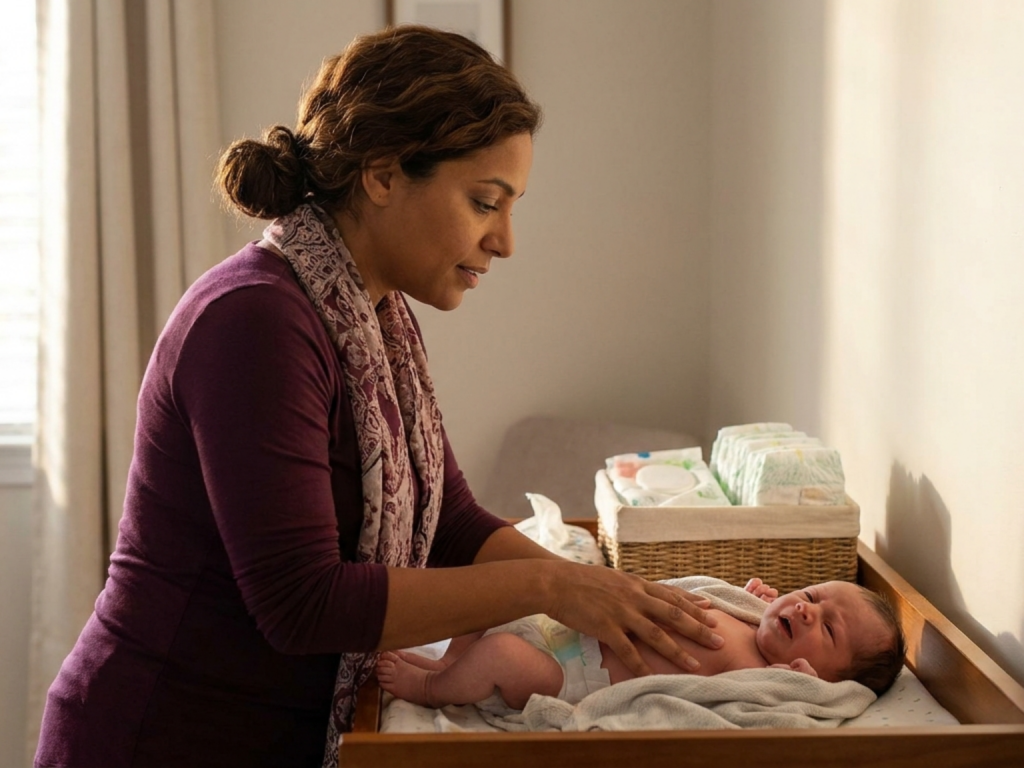
Intro
Diaper changes are routine, but a newborn may cry intensely from the moment the diaper is opened. This reaction can be unsettling, especially when the baby appears calm before the change. In most cases, crying reflects a temporary response to cold, loss of containment, hunger, fatigue, or the unfamiliar sensations of being handled rather than a serious problem.
Understanding the likely triggers can make changes more predictable and less stressful. At the same time, crying may occasionally signal skin irritation, injury, illness, or discomfort elsewhere in the body. The goal is not to stop every cry immediately, but to respond gently, observe patterns, and recognize when professional assessment is appropriate.
Highlights
Sudden exposure to cool air, wipes, or a cold changing surface commonly provokes crying.
Newborns often dislike being undressed, lifted, or moved because these sensations reduce their feeling of containment.
Diaper rash, eczema, stool irritation, and vigorous wiping can make a change painful.
A calm routine, warm supplies, efficient handling, and soothing voice may reduce distress.
Persistent, unusually intense, or medically accompanied crying warrants advice from a pediatric clinician.
Why diaper changes feel overwhelming to a newborn
Newborns have limited ability to regulate temperature, movement, and arousal. A diaper change removes several familiar sensations at once: the snug pressure of clothing, the warmth of the diaper, and the caregiver’s continuous physical contact. The abrupt transition from being held or sleeping to lying exposed on a changing surface can activate a startle response and lead to vigorous crying.
Many infants also dislike the sequence of being undressed, having their legs lifted, and being repositioned. Their nervous systems are still adapting to sensory input, so ordinary touch may feel intense. Crying is therefore often a communication of protest or overload rather than evidence that the caregiver is doing something wrong.
Timing matters. A baby who is hungry, overtired, cold, or already dysregulated has less capacity to tolerate handling. If crying occurs mainly when the diaper is opened and settles promptly when the baby is covered or held, a transient sensory explanation is more likely. Patterns are useful, but they do not replace clinical evaluation when the behavior is new, severe, or accompanied by other concerns.
Cold, touch, and loss of containment
Sudden cold air is one of the most straightforward triggers. Newborns lose heat relatively quickly because of their small body size and immature thermoregulation. A cool room, chilly wipes, or a cold changing pad can produce an immediate cry. The sensation may be especially startling at night or after the baby has been warm against a caregiver’s body.
Touch can also be uncomfortable when the infant is moved quickly or when the legs are extended forcefully. Gentle handling is preferable: support the ankles and lower legs without pulling, lift only as much as needed, and avoid pressing on irritated skin. Speaking softly before opening the diaper gives the baby a predictable auditory cue.
Preserving containment can help. Keep the upper body covered, place one warm hand lightly on the chest when safe and practical, and expose only the area being cleaned. A prepared setup allows the change to be brief without making movements hurried. Never leave a newborn unattended on a changing surface, even for a moment, and keep all supplies within reach before beginning.
Hunger, fatigue, and timing-related distress
Some babies cry during diapering because the change interrupts a biologically urgent need. A hungry newborn may already be moving from early feeding cues toward crying, while an overtired infant may react strongly to any additional stimulation. Diapering immediately after a feed can also be uncomfortable for some infants if the abdomen is handled or the legs are raised soon after eating.
When circumstances allow, try changing the diaper before a feed if the baby is showing early hunger cues but is not yet frantic. In other situations, a brief feed may help settle the infant before completing the change; caregivers should use their usual feeding plan and seek professional guidance for feeding concerns. If the baby has just eaten, gentle positioning and slower movements may be more comfortable.
There is no universally correct schedule. Newborns vary in stooling frequency, sleep patterns, and tolerance for handling. Observe whether crying is more common at particular times, after long sleep periods, or when a change is delayed. A simple record of feeds, wet and soiled diapers, skin findings, and crying episodes can help a clinician identify a broader pattern if concerns persist.
Skin irritation and pain during cleaning
Diaper-area inflammation can turn an ordinary change into a painful event. Irritant diaper dermatitis may develop when skin remains exposed to urine or stool, especially with frequent loose stools. Friction from wiping, fragranced products, or repeated cleansing can worsen the skin barrier. Eczema, small fissures, or inflammation in the skin folds may also cause tenderness when touched.
Look for redness, raw or shiny areas, peeling, cracks, bumps, bleeding, swelling, or a rash that extends beyond the diaper region. An infected-appearing rash may be increasingly painful, rapidly worsening, associated with pus, blisters, open sores, or significant swelling. These findings should be discussed with a healthcare professional rather than managed solely through trial and error.
Use gentle diaper-area cleansing appropriate for the baby’s skin, avoid scrubbing, and pat rather than rub dry. Allowing the area to dry briefly before replacing the diaper may reduce moisture-related irritation. A clinician or pharmacist can advise whether a barrier product is suitable; barrier ointment for diaper rash should not be used as a substitute for evaluation when the skin is severely damaged, infected-looking, or not improving.
How to make diaper changes calmer
A consistent, low-stimulation routine can reduce anticipatory distress. Before opening the diaper, gather clean diapers, wipes or cleansing materials, clothing, and any clinician-recommended skin product. Warm the room if needed, and test that wipes are not uncomfortably cold. Place the baby securely on a flat changing surface and maintain physical contact throughout the change.
Use slow, confident movements and narrate what is happening in a quiet voice. Keep one hand on the baby when possible, cover the torso, and avoid unnecessary repositioning. Clean from front to back, particularly for infants with a vulva, and use minimal pressure. If the baby becomes intensely upset, pause briefly to provide containment or soothing while maintaining safety, then continue when possible.
Different infants respond to different forms of regulation. A pacifier, humming, a calm voice, or a hand placed gently over the chest may help. Safe soothing strategies for newborns include holding the baby when the change is finished, reducing bright light and noise, and offering a feed according to the infant’s established plan. Never shake, jerk, or leave the baby alone on a high surface because crying becomes difficult to tolerate.
When crying may need medical assessment
Most diaper-change crying is brief and situational, but the clinical context matters. Contact a pediatric healthcare professional if crying is persistent, escalating, markedly different from the baby’s usual behavior, or associated with apparent pain between diaper changes. Also seek advice for a rash that is severe, spreading, bleeding, blistered, open, infected-looking, or not improving with basic gentle care.
Urgent assessment is appropriate for a newborn with a measured fever as defined by local pediatric guidance, breathing difficulty, unusual sleepiness, poor feeding, repeated vomiting, signs of dehydration, a swollen abdomen, or markedly reduced urine output. A baby who cannot be consoled, has a weak or high-pitched cry, appears seriously unwell, or has a possible injury should receive prompt medical attention.
Do not assume that crying during diapering is caused by the diaper area alone. Pain from another source can become more noticeable during handling. Clinicians may consider the skin, abdomen, hips, urinary symptoms, feeding, hydration, and overall appearance. If you are worried, your concern is a valid reason to call, even when the diaper area looks normal.
Supporting the caregiver as well as the baby
Repeated crying during routine care can activate a caregiver’s stress response, particularly during the early postpartum period or when sleep is fragmented. Feeling frustrated or anxious does not mean you lack patience or attachment. The practical priority is safety: place the newborn on a safe, flat surface, step away briefly if another responsible adult can monitor the baby, and ask for help when you need it.
Try to evaluate progress by the whole pattern rather than by whether every diaper change is quiet. A baby may continue to cry while still receiving excellent, responsive care. Over time, many infants become more tolerant as their sensory regulation and motor control mature. If crying is affecting feeding, sleep, bonding, or your ability to function, discuss it with the baby’s clinician and consider postpartum mental-health support.
Caregivers can also bring a short log to an appointment: when crying starts, how long it lasts, whether stool or urine is present, what the skin looks like, and what reliably helps. This information can make a clinical conversation more specific and may reveal a modifiable trigger without encouraging unnecessary self-diagnosis.
Seek medical advice promptly when
- A newborn has a fever or appears unusually lethargic, weak, or difficult to wake.
- Crying is inconsolable, high-pitched, markedly abnormal, or occurs with breathing difficulty.
- The diaper-area rash is blistered, bleeding, swollen, open, spreading, or infected-looking.
- The baby is feeding poorly, vomiting repeatedly, or producing substantially fewer wet diapers.
- You suspect injury or feel unable to keep the baby safe while crying continues.
Tools & Assistance
- A prepared diaper-change station with supplies within arm’s reach
- A simple log of feeds, diapers, skin findings, and crying patterns
- A room thermometer or practical method for maintaining a comfortably warm environment
- Your pediatrician, family physician, midwife, or local nurse advice line
- A trusted support person who can provide a safe caregiver break
FAQ
Is it normal for a newborn to cry at every diaper change?
It can be normal, particularly in the first weeks, when cold air, undressing, hunger, or handling trigger distress. The pattern should gradually become more manageable, and the baby should otherwise appear well. Persistent or worsening crying deserves clinical advice.
Should I change a diaper before or after feeding?
Either can work. Changing before feeding may prevent hunger-related crying, while a brief pause after feeding may be more comfortable for a baby who dislikes handling soon after eating. Follow the infant’s cues and established feeding guidance.
Can wipes cause a newborn to cry?
Yes. Cold, fragranced, or abrasive wipes may sting or irritate sensitive skin. Use gentle cleansing materials appropriate for the infant, avoid rubbing, and ask a clinician about persistent redness or pain.
How can I tell whether the crying is from diaper rash?
Crying may be more intense when the area is touched or cleaned, and the skin may look red, raw, cracked, or inflamed. Appearance alone cannot establish the cause, so seek medical advice for severe, spreading, infected-looking, or persistent rash.
Sources
- Pampers — Why Does Your Baby Cry During a Diaper Change?
- Mom Loves Best — Baby Cries During Diaper Changes? 9 Ways to Help
- Danishmom — Help - baby cries when changing diaper (and what to do)
Disclaimer
This article is for general educational purposes and does not diagnose or treat any condition. Contact a qualified healthcare professional for individualized advice, and seek urgent care when a newborn appears seriously unwell.















Please log in to leave a comment.