
Intro
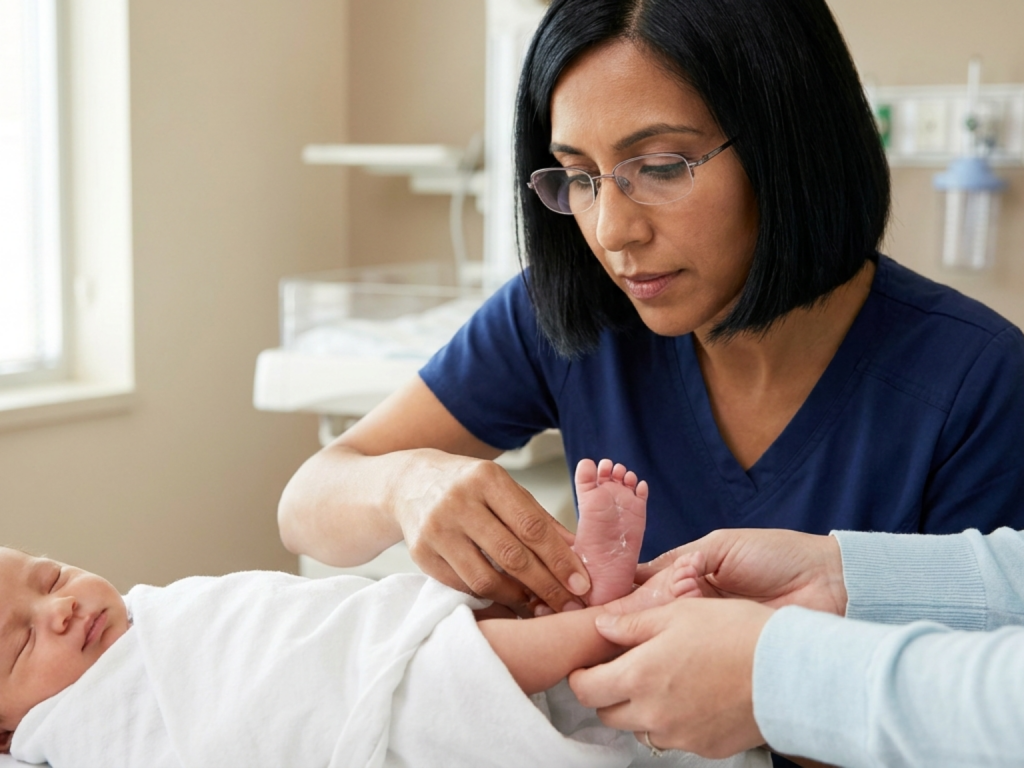
Peeling skin is a common newborn finding, especially during the first days and weeks after birth. It can look surprising when a baby’s hands, feet, ankles, wrists, or abdomen appear flaky, cracked, or as though a thin surface layer is shedding. In most cases, this reflects the normal transition from the fluid environment of the uterus to the drier air outside it.
Newborn skin is still developing its protective barrier, so it loses moisture more easily and may react visibly to ordinary exposure, bathing, friction, or temperature changes. This article explains what usually falls within normal newborn skin maturation, how to provide gentle care, and which findings warrant prompt medical advice.
Highlights
Dry, flaky, or peeling skin is particularly common on a newborn’s hands and feet during the first few weeks.
Vernix, lanugo, blotchiness, cracking, and peeling can all be normal transitional findings after birth.
Gentle handling, limited bathing, and an appropriate moisturizer may improve comfort without irritating the developing skin barrier.
Redness, swelling, blisters, drainage, fever, poor feeding, or a rapidly worsening rash should be assessed by a healthcare professional.
Why Newborn Skin Peels
Peeling is usually a form of physiologic desquamation, meaning that superficial epidermal cells are shedding as the skin adapts after birth. Before delivery, the fetus is surrounded by amniotic fluid and protected partly by vernix caseosa, a white, waxy substance made of water, lipids, and shed skin cells. After birth, vernix may remain in skin folds or gradually disappear during the first days.
The newborn epidermis and stratum corneum, the outermost layer of the skin, are functional but not fully mature. The skin barrier regulates water loss and helps limit irritation from the environment. In early life, barrier function continues to develop, and transepidermal water loss can be greater than in older children or adults. As the surface adjusts to air, temperature variation, clothing, diapers, and routine care, the outer layer may become dry and visibly flake.
This process is not generally caused by poor hygiene or inadequate care. In fact, frequent washing, vigorous rubbing, or exposure to fragranced products can increase dryness and irritation. The appearance may fluctuate from day to day, but uncomplicated peeling commonly improves as the skin matures.
What Normal Peeling Looks Like
Normal newborn peeling is often fine, dry, and superficial. It may resemble small flakes or thin sheets of loose skin. The hands and feet are especially common locations, although peeling can also occur around the ankles, wrists, lower legs, trunk, or other areas. Mild cracking may be visible where the skin is particularly dry, but the surrounding skin is usually not markedly inflamed.
A newborn’s skin may also appear blotchy, temporarily red, or uneven in color as circulation and temperature regulation adapt. These findings can occur alongside peeling and do not necessarily indicate disease. Normal newborn skin can look different from one hour to the next, particularly after crying, feeding, bathing, or becoming cold.
Peeling by itself generally does not cause significant discomfort. A baby may remain calm when the area is touched, feed normally, produce expected wet diapers, and behave in their usual pattern. Loose skin should be allowed to shed naturally. Pulling, rubbing, or trying to remove attached flakes can create tiny breaks in the epidermis and increase the risk of irritation or infection.
The timing matters. Peeling that begins in the first days or weeks and gradually settles is more consistent with ordinary transition than peeling that starts suddenly later, spreads rapidly, or is accompanied by systemic illness. Parents and caregivers should still mention persistent or extensive peeling at a routine newborn visit, particularly if they are uncertain about what they are seeing.
Gentle Daily Skin Care
The goal of newborn skin care is to preserve the barrier, reduce unnecessary irritation, and keep the baby comfortable. A gentle bathing routine is usually sufficient. Newborns do not need a daily full-body bath unless a clinician has recommended one for a specific reason. Frequent bathing can remove surface lipids and worsen dryness.
- Use lukewarm water and keep the bath brief. Test the water with the inside of your wrist or use a reliable temperature check rather than relying only on appearance.
- Clean visible soil and skin folds gently. A mild, fragrance-free cleanser may be used sparingly, but plain water is often adequate for areas that are not dirty.
- Support the newborn securely and never leave the baby alone in or near water, even for a moment.
- Pat the skin dry instead of rubbing, paying careful attention to folds where moisture can collect.
- Keep the room warm and dress the baby appropriately after bathing to reduce heat loss.
If the skin is dry, a thin layer of a simple, fragrance-free moisturizer may help reduce water loss and improve comfort. Choose products intended for infants or recommended by the baby’s clinician, and avoid applying products to open, weeping, or infected-looking areas unless a professional advises it. Petroleum-based ointments and other emollients are commonly used for barrier support, but product choice should take into account the baby’s age, skin condition, and any known sensitivities.
Do not use adult exfoliants, acids, retinoids, essential oils, talc, strongly scented lotions, or medicated creams unless specifically directed by a healthcare professional. Patch testing a small area can be discussed with the clinician if there is concern about a new product, but extensive experimentation is unnecessary for ordinary peeling.
Protecting the Developing Skin Barrier
Newborn skin is vulnerable to friction, occlusion, moisture imbalance, and chemical irritants. Clothing and bedding should be soft, clean, and loose enough to avoid rubbing. Laundry products labeled fragrance-free are often preferable when a baby has dry or reactive skin. There is no need to sterilize every textile or apply powder to keep the skin dry.
Diaper care deserves particular attention because urine, stool, cleansing, and repeated wiping can irritate the skin. Change wet or soiled diapers promptly, cleanse gently, and pat rather than scrub. A clinician may recommend a protective barrier product when the diaper area is becoming irritated. Peeling on the hands or feet should not automatically be treated as diaper rash, however; location and appearance matter.
Keep the baby away from cigarette smoke and avoid direct contact with harsh household chemicals. Overheating may make redness more noticeable and can contribute to discomfort, while excessive cold and dry air may worsen surface dryness. The nursery does not need to be unusually humid or hot. A comfortable, temperature-appropriate environment and breathable clothing are usually adequate.
Caregivers should also keep fingernails short or use appropriately fitted newborn mitts only when needed and under supervision. Scratching can turn mild dryness into excoriations. If the skin is cracking, bleeding, or repeatedly being scratched, ask the baby’s clinician for individualized advice rather than increasing the number of products used.
When Peeling May Need Medical Assessment
Peeling that is mild, superficial, and gradually improving is often reassuring. However, skin findings should be considered together with the baby’s overall condition. Contact the newborn’s healthcare professional if the peeling is extensive, rapidly spreading, persistent without improvement, or associated with significant redness, warmth, swelling, tenderness, bleeding, or pain.
Prompt assessment is particularly important when there are blisters, erosions, pus-like drainage, yellow crusting, foul odor, sharply demarcated plaques, or widespread redness. These findings may indicate inflammation, infection, or another condition that cannot be distinguished safely from normal peeling through a written description alone. Do not puncture blisters or apply leftover prescription medication.
Seek urgent medical care for a newborn with a temperature of 38°C (100.4°F) or higher when measured rectally, marked lethargy, difficulty breathing, repeated vomiting, poor feeding, substantially fewer wet diapers, or a baby who is difficult to wake. A skin problem accompanied by a generally unwell appearance deserves prompt evaluation even if the peeling itself looks minor.
Yellowing of the skin or eyes can be common in newborns, but worsening jaundice or yellow discoloration in a baby who is poorly feeding or unusually sleepy needs medical advice. Skin color can be difficult to assess in different lighting, so clinicians may use examination and bilirubin testing when appropriate. For broader context about warning signs, consult a resource on common newborn health concerns and discuss any uncertainty with the baby’s care team.
Special Situations and Follow-Up
Premature infants may have a less mature skin barrier and may require more carefully tailored handling, bathing, adhesives, and moisturizing practices. Babies receiving neonatal intensive care can also encounter equipment, antiseptics, monitoring devices, and medical dressings that affect the skin. In these situations, follow the neonatal team’s instructions rather than applying an over-the-counter product independently.
A newborn with a history of prolonged hospitalization, a known skin disorder, significant birth complications, or a family history of inherited blistering or scaling conditions may need individualized follow-up. The same visual description can represent different processes depending on gestational age, timing, distribution, and associated symptoms.
At a visit, it may help to record when the peeling began, where it occurs, whether it is improving, what products have been used, and whether the baby has feeding or temperature changes. Taking a clear photograph in natural light can help the clinician compare progression, although an image should not replace an examination when warning signs are present.
Most uncomplicated newborn peeling resolves as the epidermal barrier becomes more mature. Reassurance is appropriate when the baby is otherwise well and the skin is following that expected course, but reassurance and vigilance can coexist. Caregivers know when an infant seems different; concerns about appearance, behavior, or feeding are valid reasons to call the healthcare professional.
Seek Medical Advice Promptly
- Blisters, open sores, pus-like drainage, yellow crusting, or rapidly spreading redness
- Marked swelling, warmth, tenderness, bleeding, or apparent pain
- A rectal temperature of 38°C (100.4°F) or higher in a newborn
- Poor feeding, unusual sleepiness, difficulty waking, breathing difficulty, or fewer wet diapers
- Peeling that is widespread, worsening, or not gradually improving
Tools & Assistance
- A brief bath log noting water temperature, duration, and products used
- A fragrance-free moisturizer or protective emollient selected with clinician guidance
- Soft, breathable clothing and fragrance-free laundry products
- A phone photograph taken in natural light to document progression for the healthcare professional
- The newborn’s pediatrician, midwife, family doctor, or neonatal follow-up service
FAQ
How long does newborn skin peeling usually last?
Mild peeling commonly improves over the first days to weeks as the skin barrier matures. The exact duration varies with gestational age, environment, and individual skin characteristics. Persistent or worsening peeling should be discussed with the baby’s healthcare professional.
Should I remove the loose skin?
No. Allow loose skin to shed naturally and avoid picking, pulling, scrubbing, or exfoliating. These actions can create small breaks in the skin and increase irritation.
Can I put lotion on peeling newborn skin?
A simple fragrance-free moisturizer or emollient may improve comfort when the skin is dry, but product choice matters. Ask the baby’s clinician before using products on cracked, open, inflamed, or weeping skin.
Does peeling mean my baby has eczema?
Not necessarily. Normal transitional peeling is common in newborns and does not by itself establish eczema or another diagnosis. A clinician should assess persistent itch, inflammation, recurrent rash, or other unusual features.
When is peeling an emergency?
Seek urgent care for peeling associated with blisters, extensive skin loss, severe redness or swelling, fever, breathing difficulty, poor feeding, marked lethargy, or substantially fewer wet diapers.
Sources
- Mayo Clinic — What a newborn really looks like
- MedlinePlus — Changes in the newborn at birth
- PubMed — Neonatal skin care: a concise review
Disclaimer
This article is for general informational purposes and does not diagnose, treat, or replace advice from a qualified healthcare professional. Seek prompt medical care for urgent symptoms or concerns about a newborn.














Please log in to leave a comment.