

Intro
Preparing for birth is partly about packing, but it is more about reducing avoidable uncertainty. A well-built bag, a clear communication plan, and a few practical backups can make the difference between feeling scattered and feeling oriented when labor starts or plans change.
This article focuses on what to bring, how to stay ready, and how to think about readiness in a medically literate way. It is not a substitute for individualized obstetric advice; the details should fit your birth setting, medical history, gestational age, and the recommendations of your care team.
Highlights
Pack for function first: identification, records, medications, phone power, comfort items, and newborn basics tend to matter more than extra clothing.
Readiness is not only a suitcase. A written birth preparedness plan, a backup transportation plan, and a maternity triage telephone number reduce delays when plans change.
Keep the final weeks practical: refills, chargers, childcare, and a postpartum support schedule should be settled before labor begins.
Plan for more than one birth path. Vaginal birth, induction, cesarean birth contingency planning, and home birth transfer plan details all change what should be close at hand.
Start with the job the kit has to do
Birth readiness starts with a simple question: what problem is each item solving? Some things are for comfort, such as slippers, snacks, lip balm, and a charger. Other things are for continuity of care, such as your identification, insurance information, prenatal records, and a current medication and allergy list. A few items are for safety and logistics, such as a maternity triage telephone number, a route to the birth setting, and a backup transportation plan.
Thinking this way keeps the packing list focused. A hospital, birth center, or home birth team may already provide many supplies, but they cannot supply your history, your preferences, or the small details that make transitions easier. A written birth preparedness plan can help you decide what belongs in the bag, what belongs in a folder, and what belongs in a phone contact list. That kind of readiness is especially useful when labor starts at night, when an induction is moved earlier than expected, or when you need to move quickly from home to care.
Pack the bag in layers
Most people do best with three layers: immediate essentials, comfort and personal care, and backup items for a longer stay. Immediate essentials include photo ID, insurance card, a copy of your prenatal record if your team wants one, your current medication and allergy list, glasses or contact lens supplies if relevant, and a phone charger. Comfort and personal care items often include a water bottle, easy-to-digest snacks, toiletries, hair ties, a robe or loose clothing, socks, and any approved medications you already use.
Backup items are the ones people are most tempted to skip. A second charger, extra underwear, an additional outfit, and a few newborn basics can matter if the stay is longer than expected. If your care team has discussed cesarean birth contingency planning, include items that make a surgical stay easier, such as higher-waisted clothing or a longer phone charging cable. Keep the bag light enough that someone else can carry it without strain; readiness should reduce burden, not create it.
Do not separate documents from decisions
Documents are not just administrative clutter. They help clinicians make faster, cleaner decisions when time matters. Keep your birth plan, medication history, allergy history, blood type if you have it, emergency contact details, pediatrician information if already chosen, and any special instructions from your obstetric or midwifery team together in one place. If you have an interpreter need, an anticoagulation plan, a diabetes regimen, or a prior cesarean birth history, make sure those details are easy to find, not buried in a phone note.
It is also wise to review the phone number for labor advice before labor starts. The maternity triage telephone number should be easy to find by the person who will call if your contractions intensify, your water breaks, or you are unsure whether to come in. If your plan involves an induction, a scheduled cesarean, or a home birth, make the timing rules explicit and confirm who to contact if you are running late or symptoms change. Clear documentation is not bureaucratic excess; it is part of safe, coordinated care.
Prepare the home base before the first contraction
Readiness extends beyond the bag. In the final weeks, keep the car fueled, the phone charged, and the route to the birth setting reviewed. Decide where keys, parking information, and the child seat will live. A birth setting and transport plan should name the driver, the backup driver, the route, and the point at which you leave without hesitation if symptoms become urgent.
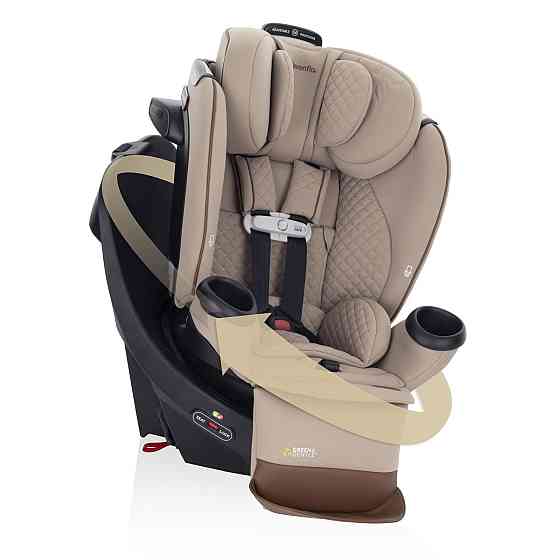
At home, try to lower friction. Freeze simple meals, stock water and snacks, and let the people around you know what practical help you actually need. A postpartum support schedule can clarify who is covering meals, errands, sibling care, and the first few sleep-deprived days after birth. If you are relying on a rear-facing infant car seat, install and inspect it before the due date rather than after labor begins. Small tasks completed early remove a surprising amount of stress from the last stretch of pregnancy.
Plan for more than one delivery path
Birth does not always follow the first plan. Even when labor begins as expected, pain relief choices, fetal positioning, blood pressure concerns, infection, or slow labor progress can shift the route of care. That is why it helps to think in branches instead of a single perfect script. If a vaginal birth is the most likely path, pack for mobility, hydration, and repeated restroom trips. If induction is planned, expect a potentially longer stay and bring more personal care items. If cesarean birth contingency planning is part of the conversation, keep the essentials accessible and assume you may need a longer recovery period.
Home birth deserves a specific note. A home birth transfer plan should be discussed ahead of time, not in the middle of a problem. Know which symptoms mean you call immediately, how transport would happen, and what documents or bags move with you. That kind of preparation is not pessimistic. It is a practical acknowledgment that good maternity care includes both the hoped-for path and the backup path.
Review, simplify, and refresh
Once the bag is packed, revisit it regularly. Replace expired snacks, update medications after any prescription change, and make sure the current medication and allergy list still matches what is in your chart. Check chargers, headphones, and any battery-powered items. If your due date is approaching during a season of weather or travel disruption, update the plan for getting to care. If childcare, work coverage, or family support changes, revise the backup transportation plan and the postpartum support schedule at the same time.
Simplify whenever possible. Too many separate bags, too many duplicate notes, and too many unconfirmed details make readiness worse, not better. A single folder for records, one bag for essentials, and one clear communication path are usually enough. Ask your obstetric, midwifery, or nursing team to individualize anything that seems uncertain. The strongest preparedness plans are not the most elaborate ones; they are the ones that match your actual birth setting, medical context, and support network.
When to escalate
- Seek urgent guidance for bleeding, rupture of membranes, severe abdominal pain, decreased fetal movement, headache with vision changes, or trouble breathing.
- Do not wait until labor to find your maternity triage telephone number, transport, keys, or identification.
- Do not assume the birth setting supplies every medication, charger, pad, or newborn item you will need.
- If your pregnancy is high risk or a cesarean birth is already planned, ask your care team for specific packing instructions.
Tools & Assistance
- Your obstetric, midwifery, or labor-and-delivery triage line
- One folder for records, medication lists, and insurance information
- A phone charger with a long cable and a charged backup battery
- A confirmed backup transportation plan and driver contact
- Your local pharmacy for refill timing and medication synchronization
FAQ
How early should I pack for birth?
Many people start by the early third trimester and finish by 36 weeks, but timing should follow your obstetric or midwifery advice and any risk factors.
What is the minimum I should bring?
Bring identification, insurance or registration information, a current medication and allergy list, phone power, a change of clothes, comfort items, and whatever your team says is necessary for you or the baby.
Should I pack differently for a planned cesarean?
Yes. Ask your care team what they recommend for a longer stay, surgical recovery, and newborn care after the operation.
Do I need to bring baby gear?
Bring only what your birth setting does not provide and what is needed for discharge, especially a rear-facing infant car seat if you will go home by car.
Sources
- Ready.gov — Build A Kit
- NYC Emergency Management — Get Prepared | Emergency Preparedness Tips
- PubMed Central — Get a Plan; Make a Kit
Disclaimer
This article is for general education only and does not replace personalized medical advice from your obstetric, midwifery, pediatric, or emergency care team. If you are worried about symptoms or a possible emergency, seek prompt professional care.

















Please log in to leave a comment.