

Intro
Increasing the chance of pregnancy depends on understanding when conception is most likely, timing intercourse around ovulation, and supporting reproductive health before pregnancy begins. Small changes in timing, lifestyle, medication review, and early evaluation when needed can make the process clearer and less stressful.
This article explains the biology of conception, ovulation tracking, nutrition, weight and metabolic health, exposures that impair fertility, male fertility, preconception care, and when to seek medical evaluation.
Highlights
The fertile window is the highest-probability time for conception and includes the days before ovulation and ovulation day.
Intercourse every 1 to 2 days during the fertile interval, or every 2 to 3 days throughout the cycle, is a reasonable strategy for many couples.
Ovulation predictor kits, cervical mucus, basal body temperature, and apps can help, but no tracking method is perfect.
Folic acid, avoiding smoking and alcohol, reviewing medications, and optimizing chronic conditions are important before pregnancy.
Fertility evaluation is recommended sooner when age, irregular cycles, male-factor risks, or symptoms suggest an identifiable problem.
Understand the biology of conception
Conception occurs when sperm fertilizes an oocyte released at ovulation. The embryo then travels through the fallopian tube and implants in the uterine lining several days later. Because the oocyte remains fertilizable for only about 12 to 24 hours after ovulation, while sperm may remain capable of fertilization in the female reproductive tract for several days, the timing of ]] is especially important.
The American Society for Reproductive Medicine defines the ]] as the 6 days ending on the day of ovulation. Intercourse during this interval, particularly in the several days before ovulation and on ovulation day, increases the opportunity for sperm to be present when the oocyte is released. Intercourse after ovulation can miss the highest-probability interval.
In typical cycles, ovulation occurs about 14 days before the next menstrual period, not necessarily on day 14 of the cycle. For example, someone with a 35-day cycle may ovulate around day 21, whereas someone with a 24-day cycle may ovulate around day 10. This is why cycle length, cycle regularity, and ovulation signs are more useful than assuming a universal ovulation day.
Time intercourse effectively
The chance of conception is highest when ]] is appropriately timed. Expert guidance supports ]] every 1 to 2 days during the . There is no need for prolonged abstinence to “save sperm”; in fact, limiting ]] to a single day may reduce the chance of conception if is misidentified.
- If cycles are regular: estimate as approximately 14 days before the expected next period, then have ]] every day or every other day during the 5 days before and on day.
- If cycles vary: use ovulation predictor kits, cervical mucus observations, or fertility tracking to identify a broader fertile interval, and avoid relying on calendar estimates alone.
- If tracking feels stressful: having ]] every 2 to 3 days throughout the cycle is a reasonable alternative for many couples, because it usually covers the fertile window without intensive monitoring.
Specific sexual positions, remaining lying down after intercourse, and orgasm have not been shown to meaningfully improve pregnancy rates. Lubricants may impair sperm motility in laboratory settings, but evidence is mixed; if vaginal dryness is an issue, ask a clinician about fertility-friendly lubricant options.
Use ovulation tracking wisely
tracking can be helpful, particularly when cycle length is not completely predictable. However, no method is perfect. The goal is not to achieve exact certainty but to identify the fertile days early enough to time intercourse before ovulation.
- Ovulation predictor kits: These urine tests detect the luteinizing hormone surge that usually precedes ovulation. They are useful for many people, but results may be less reliable in conditions associated with persistently elevated LH, such as some forms of polycystic ovary syndrome.
- Cervical mucus: Fertile cervical mucus often becomes clear, slippery, stretchy, and egg-white-like in the days before ovulation. This sign reflects estrogen-driven changes that facilitate sperm survival and transport.
- Basal body temperature: Temperature rises slightly after ovulation due to progesterone. This can confirm that ovulation likely occurred, but because the rise happens after ovulation, it is less useful for predicting the best days for intercourse in the same cycle.
- Cycle-tracking apps: Apps can organize data, but predictions based only on past cycle length are estimates. They are most useful when combined with physiologic signs such as LH testing or cervical mucus.
If there are very irregular periods, skipped periods, cycles commonly shorter than 21 days or longer than 35 to 40 days, or symptoms such as excess androgen effects, galactorrhea, severe pelvic pain, or abnormal bleeding, it is prudent to seek medical assessment rather than relying only on tracking.
Optimize preconception nutrition and supplementation
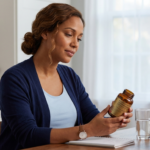
Nutrition pregnancy matters for both and early embryonic development. The clearest universal recommendation is folic acid supplementation. Many guidelines recommend at least 400 micrograms of folic acid daily and during early pregnancy to reduce the risk of neural tube defects. Some individuals need higher doses, for example those with certain antiseizure medications or a prior pregnancy affected by a neural tube defect, but dosing should be individualized by a clinician.
Evidence for specific fertility diets is less definitive in people without ovulatory dysfunction, but several dietary patterns are biologically plausible and consistent with general cardiometabolic . Diets emphasizing vegetables, fruits, whole grains, legumes, nuts, unsaturated fats, fish, and poultry, while limiting processed meats, refined carbohydrates, and trans fats, may support . Some literature suggests potential benefit from lower glycemic load patterns and higher omega-3 intake, although these should be interpreted as supportive rather than curative interventions.
- Prioritize micronutrient adequacy: folate, iodine, vitamin D, iron, zinc, and B12 status may matter, especially in restrictive diets, heavy menstrual bleeding, malabsorption, or limited sun exposure.
- Choose safer fish options: fish can provide omega-3 fatty acids, but pregnancy planners should avoid high-mercury fish and follow local public health guidance.
- Moderate caffeine: high caffeine intake has been associated with lower fecundability and pregnancy risks in some studies. Many clinicians advise keeping caffeine intake moderate when .
- Avoid alcohol when pregnancy is possible: because early pregnancy may be unrecognized, avoiding alcohol while is the most cautious approach.
Support a healthy weight and metabolic environment
Body weight can affect , pregnancy complications, and response to treatment. Both obesity and underweight status are associated with reduced in some populations. The mechanism is often endocrine and metabolic: insulin resistance, altered gonadotropin secretion, androgen excess, leptin pathways, ovarian function and endometrial receptivity.
Weight-related advice should be individualized and non-stigmatizing. For some people with an related to obesity or insulin resistance, modest weight reduction may improve . For others, especially those with undernutrition, eating disorders, or excessive exercise, restoring energy availability may be essential. Extreme dieting is not recommended when trying to conceive; abrupt nutritional restriction can impair ovulation and is not compatible with pre health.
Regular physical activity supports cardiometabolic health and pregnancy readiness. However, very intense exercise combined with low body weight or low caloric intake can suppress the hypothalamic-pituitary-ovarian axis, causing luteal phase abnormalities or anovulation. A clinician or dietitian can help tailor a plan for people with irregular cycles, athletic amenorrhea, obesity-related metabolic disease, or prior bariatric surgery.
Reduce exposures that impair fertility
Several exposures have consistent associations with reduced fecundability or poorer reproductive outcomes. Smoking is among the most important modifiable risks. It is associated with diminished ovarian reserve, earlier menopause, increased miscarriage risk, and adverse pregnancy outcomes. Secondhand smoke may also be harmful. Stopping smoking before conception benefits fertility and reduces pregnancy and neonatal risks.
Recreational drugs should be avoided when . Cannabis, cocaine, opioids used outside medical supervision, anabolic steroids, and other substances may affect , sperm production, sexual function, implantation, and pregnancy safety. Anyone using substances regularly should seek medical support; abrupt discontinuation of some substances can require supervision.
- Alcohol: heavy intake can reduce fertility and is unsafe in pregnancy. Because pregnancy is often not recognized immediately, abstinence while trying is a cautious strategy.
- Caffeine: moderate intake is commonly considered acceptable, but high intake should be reduced. Discuss an appropriate limit with a hehcare professional, especially with prior pregnancy loss or other risks.
- Environmental heat for men: frequent sauna or hot tub use, high scrotal heat exposure, and some occupational heat exposures may negatively affect spermatogenesis.
- Endocrine-disrupting chemicals: evidence varies, but minimizing unnecessary exposure to certain pesticides, solvents, and high-heat plastic food contact is a reasonable precaution.
Do not overlook male fertility
Male factors contribute to a substantial proportion of infertility. Sperm concentration, motility, morphology, DNA integrity, frequency, sexual function, and reproductive tract anatomy all matter. Optimizing only the female partner’s cycle timing can miss an important part of the conception equation.
For sperm health, general medical optimization is important: avoiding tobacco and anabolic steroids, limiting alcohol, maintaining a healthy weight, treating sleep apnea when present, and reviewing medications that may affect testosterone, , or spermatogenesis. Febrile illness can transiently reduce sperm parameters because sperm development takes approximately 2 to 3 months; therefore, changes in health or exposures may take time to be reflected in semen quality.
Some evidence supports dietary patterns rich in antioxidants, zinc-containing foods, omega-3 fatty acids, fruits, vegetables, nuts, fish, and poultry. However, supplements should not be used as a substitute for medical evaluation when indicated. Men with a history of undescended testes, testicular cancer, chemotherapy, pelvic surgery, varicocele, erectile or ejaculatory dysfunction, very low libido, or prior abnormal semen analysis should consult a clinician earlier.
Review medications, medical conditions, and vaccinations before pregnancy
Preconception care is not only about fertility; it is also about entering pregnancy as safely as possible. Chronic conditions such as diabetes, hypertension, thyroid disease, epilepsy, kidney disease, inflammatory bowel disease, autoimmune disease, depression, and severe asthma should be optimized before conception when possible. Poorly controlled disease can affect , implantation, miscarriage risk, congenital anomaly risk, and maternal health.
Medication review is essential. Some medications are compatible with pregnancy, some require dose adjustment, and some should be changed before conception. Do not stop prescribed medication without medical advice, particularly for epilepsy, psychiatric illness, hypertension, autoimmune disease, anticoagulation, or endocrine disorders. The safest plan often involves balancing fetal safety with the risk of uncontrolled maternal disease.
Vaccination status should also be reviewed before pregnancy. Immunity to rubella and varicella is relevant because live vaccines are generally given before, not during, pregnancy. Influenza and COVID-19 vaccination may be recommended depending on current guidance and individual risk. A clinician can advise on timing, contraindications, and documentation of immunity.
Know when to seek fertility evaluation
Many couples conceive within the first several months of appropriately timed unprotected , but is important when the probability of an identifiable factor increases. Common guidance is to seek after 12 months of regular unprotected if the female partner is younger than 35, after 6 months if she is 35 or older, and sooner if she is 40 or older or if there are known risk factors.
- Seek earlier care for irregular or absent periods, known polycystic ovary syndrome, endometriosis, prior pelvic inflammatory disease, recurrent miscarriage, prior ectopic pregnancy, pelvic surgery, chemotherapy, or radiation exposure.
- Seek earlier care if the male partner has a history of testicular disease, infertility with a prior partner, anabolic steroid use, chemotherapy, pelvic surgery, erectile dysfunction, or ejaculatory problems.
- Seek prompt care for severe pelvic pain, heavy abnormal bleeding, positive pregnancy test with one-sided pain or dizziness, or symptoms suggesting ectopic pregnancy or acute illness.
A fertility evaluation may include menstrual and ovulatory assessment, ovarian reserve testing, thyroid and prolactin testing when indicated, semen analysis, uterine cavity evaluation, and tubal patency assessment. The appropriate workup depends on age, history, duration of trying, and clinical findings.
When not to wait
- Seek prompt care for severe pelvic pain, heavy abnormal bleeding, dizziness, or a positive pregnancy test with one-sided pain.
- Ask for earlier evaluation if periods are absent, very irregular, commonly shorter than 21 days, or longer than 35 to 40 days.
- Do not stop prescribed medications while trying to conceive without medical advice.
- Seek medical support for regular substance use; abrupt discontinuation of some substances can require supervision.
- Consider earlier fertility assessment with known endometriosis, PCOS, recurrent miscarriage, prior ectopic pregnancy, chemotherapy, pelvic surgery, or male-factor risk.
Tools & Assistance
- Use an ovulation predictor kit to help identify the LH surge before ovulation.
- Track cervical mucus changes and cycle length for several cycles.
- Schedule a preconception visit to review folic acid, medications, chronic conditions, and vaccination status.
- Request fertility evaluation if trying has continued for 12 months under age 35, 6 months at age 35 or older, or sooner with risk factors.
- Consider semen analysis when there are male-factor risks or conception is taking longer than expected.
FAQ
How often should we have intercourse when trying to conceive?
Expert guidance supports intercourse every 1 to 2 days during the fertile window. If tracking is stressful, intercourse every 2 to 3 days throughout the cycle is a reasonable alternative for many couples.
Is ovulation always on day 14?
No. Ovulation usually occurs about 14 days before the next period, so the ovulation day depends on cycle length. A 35-day cycle may ovulate around day 21, while a 24-day cycle may ovulate around day 10.
Do sexual positions or lying down after intercourse improve pregnancy rates?
Specific sexual positions, remaining lying down after intercourse, and orgasm have not been shown to meaningfully improve pregnancy rates.
When should we seek fertility evaluation?
Common guidance is after 12 months of regular unprotected intercourse if the female partner is younger than 35, after 6 months if she is 35 or older, and sooner if she is 40 or older or if there are known risk factors.
Should male fertility be evaluated too?
Yes. Male factors contribute to a substantial proportion of infertility, and semen quality, ejaculation, sexual function, medications, prior testicular disease, surgery, chemotherapy, and anabolic steroid use can all matter.
Sources
- mayoclinic.org — How to get pregnant
- nhs.uk — Trying to get pregnant
- mamaspedia.com — How long it takes to get pregnant on average
- mamaspedia.com — Best timing strategy to get pregnant
- mamaspedia.com — Lifestyle changes to improve chances of pregnancy
Disclaimer
This article is for informational purposes only and is not a substitute for medical advice, diagnosis, or treatment. Consult a qualified healthcare professional for personalized preconception or fertility guidance.











Please log in to leave a comment.