
Intro
The first hours after birth combine recovery, major physiologic transitions, bonding, and careful clinical observation. Even when labor and birth have been uncomplicated, the care team monitors both the birthing parent and newborn because bleeding, blood-pressure changes, breathing difficulties, hypothermia, and feeding concerns may first become apparent during this period.
Monitoring should be explained, individualized, and balanced with privacy, rest, skin-to-skin contact, and family preferences. The exact schedule varies according to clinical findings, mode of birth, medications, anesthesia, local protocols, and the needs of parent and baby.
Highlights
Early monitoring focuses on trends in vital signs, bleeding, uterine tone, pain, consciousness, breathing, temperature, and newborn adaptation.
Observation is usually most frequent immediately after birth and becomes less frequent when findings remain reassuring.
Abnormal physiology, significant symptoms, or clinical concern should prompt reassessment and escalation rather than waiting for the next scheduled check.
Most routine assessments can be coordinated with bonding, feeding, and rest, although urgent care may occasionally require temporary separation.
Why the first hours require structured observation
Birth produces rapid cardiovascular, respiratory, hormonal, and metabolic changes in both parent and baby. The placenta separates, the uterus must contract to limit blood loss, circulating volume redistributes, and the effects of labor, analgesia, anesthesia, surgery, or antihypertensive medication may continue. At the same time, the newborn must establish air breathing, redirect circulation through the lungs, maintain temperature, and begin feeding.
Structured observation helps clinicians recognize deterioration early. General hospital guidance from NICE supports documenting an initial assessment that includes heart rate, respiratory rate, blood pressure, temperature, oxygen saturation, and level of consciousness, followed by a written monitoring plan. Maternity and neonatal teams adapt these principles to the specific physiology of the postpartum period.
A single measurement is only part of the picture. Trends, symptoms, examination findings, and professional concern matter. A value that appears acceptable in isolation may still be concerning if it has changed rapidly or accompanies heavy bleeding, breathlessness, confusion, severe pain, or an unwell appearance. Conversely, a mildly unusual result may reflect medication or normal recovery but still deserves interpretation by the clinical team.
Monitoring the birthing parent
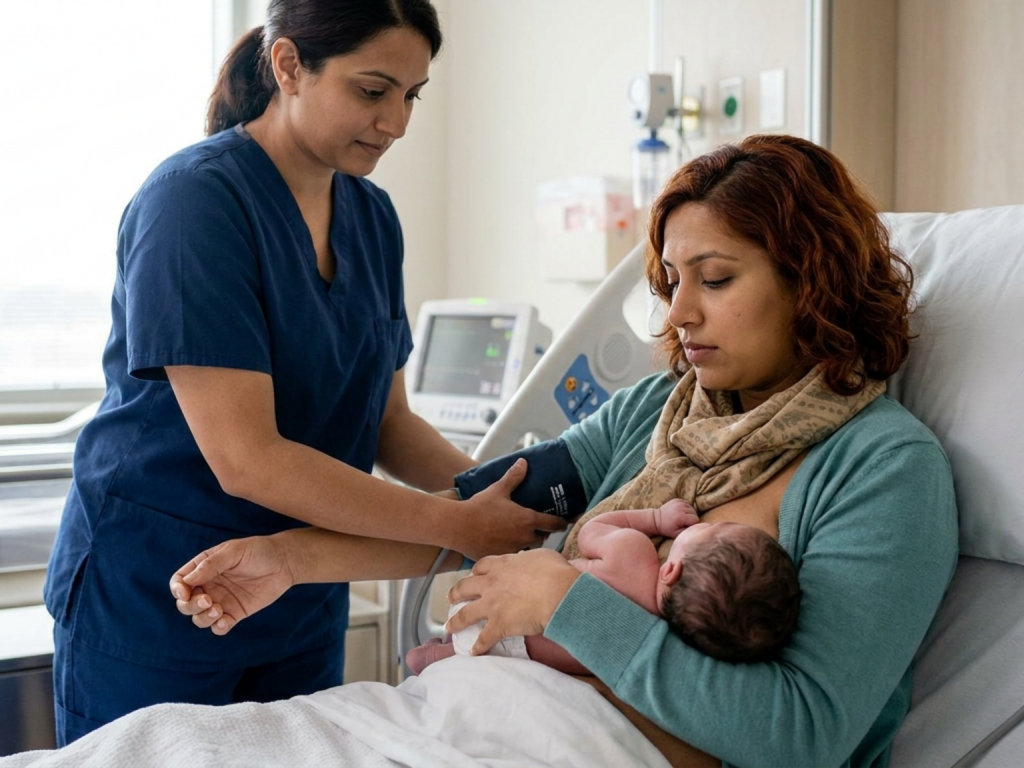
Immediate postpartum monitoring commonly includes pulse, blood pressure, respiratory rate, oxygen saturation when indicated or required by protocol, temperature, alertness, pain, and overall appearance. Staff also assess vaginal blood loss, uterine tone and position, and whether the uterus remains firmly contracted. After cesarean birth, the incision, abdominal findings, drains if present, and postoperative recovery are assessed.
Bleeding is evaluated through direct observation, weighed materials, measured collection systems, or a combination of methods. Estimation is not perfect, so clinicians also look for tachycardia, falling blood pressure, pallor, dizziness, weakness, altered consciousness, reduced urine output, and increasing abdominal or pelvic pain. Persistent uterine softness may be clinically relevant and requires professional assessment rather than self-treatment.
Additional checks may include bladder function, urine output, mobility, nausea, itching, sensation and motor function after regional anesthesia, and symptoms such as headache, visual disturbance, chest pain, calf pain, or shortness of breath. Perineal swelling, laceration repair, and pressure or pain out of proportion to expected recovery may also be examined.
The frequency of immediate postpartum monitoring is determined by maternity policy and individual risk. General adult inpatient guidance recommends a documented frequency based on physiology, diagnosis, and treatment, with more frequent observations when measurements are abnormal. In maternity care, checks are often close together initially and can be reduced only when recovery is stable.
Newborn transition and bedside assessment
The newborn assessment begins immediately, often while the baby remains on the parent’s chest. Clinicians observe breathing effort, heart rate, color or perfusion, muscle tone, responsiveness, and temperature. They look for grunting, persistent chest recession, apnea, poor tone, abnormal movements, or difficulty maintaining normal warmth. Oxygen saturation is measured when clinically indicated and as part of applicable screening protocols, but a monitor does not replace direct observation.
Newborn thermoregulation is supported by drying, warm blankets, a hat where locally recommended, and skin-to-skin contact after birth. Temperature instability can increase metabolic demands and may be associated with environmental exposure, prematurity, infection, or other clinical problems, so persistent abnormal readings need assessment.
A newborn feeding assessment considers readiness cues, latch or attachment, sucking, swallowing, coordination, and parental comfort. Some babies feed promptly, while others need time, especially after medication exposure, assisted birth, prematurity, or cesarean birth. Blood glucose monitoring in newborns is not universally required; it is generally reserved for babies with defined risk factors or relevant clinical signs under local neonatal guidance.
Routine newborn procedures may include identification checks, measurements, prophylactic care, physical examination, and screening arrangements. Many can occur at the bedside or be timed around the first feed. If urgent stabilization or closer observation is needed, staff should explain the reason for any temporary newborn separation and facilitate reunion when safe.
How monitoring intensity is individualized
Not every family needs the same equipment or observation schedule. Clinicians consider the course of labor, estimated blood loss, vital-sign trends, gestational age, mode of birth, anesthesia, medications, pre-existing conditions, and the newborn’s adaptation. A clear monitoring plan should identify what will be measured, how often it will be checked, and which findings require escalation.
Closer maternal observation may be appropriate after significant bleeding, hypertensive disease, infection concerns, operative birth, general anesthesia, magnesium sulfate, opioid administration, or unstable vital signs. Post-anesthesia recovery after cesarean includes attention to airway and breathing, consciousness, circulation, pain, nausea, motor and sensory recovery, and medication-related adverse effects.
Newborns may need intensified observation after resuscitation, preterm birth, meconium-associated concerns, temperature instability, respiratory symptoms, poor feeding, suspected infection, or risk of hypoglycemia. Monitoring may occur beside the parent, in a transitional care setting, or in a neonatal unit depending on the level of support required.
Track-and-trigger or early-warning systems can help teams detect patterns across several observations. Scores support, but do not replace, clinical judgment. A parent’s statement that something feels wrong should also trigger attention, even when the most recent numbers appeared reassuring.
When electronic monitoring may be used
Electronic devices may continuously display oxygen saturation, heart rhythm, respiratory information, or blood pressure. Continuous monitoring is not automatically necessary after an uncomplicated birth. It is selected when the clinical situation, anesthesia, medication exposure, or local recovery standard makes continuous surveillance useful.
Pulse oximetry can identify low peripheral oxygen saturation, but readings may be affected by movement, poor perfusion, sensor position, or other technical factors. Alarms therefore require assessment of the person or baby, not simply adjustment of the device. Intermittent manual observations and direct examination remain essential.
Continuous electrocardiographic monitoring is generally reserved for a specific cardiac indication rather than routine postpartum recovery. Authoritative cardiac-monitoring standards recommend prompt monitoring for patients presenting with conditions such as acute myocardial infarction, with duration based on risk and clinical course. In a postpartum patient, chest pain, arrhythmia, significant breathlessness, syncope, hemodynamic instability, or known cardiac disease may lead clinicians to obtain an ECG and consider telemetry or higher-acuity care.
Monitoring equipment can feel intrusive, especially during feeding or rest. Ask which devices are essential, whether wires can be repositioned safely, and whether routine checks can be clustered. Never disconnect a monitor or silence an alarm without staff guidance.
Supporting bonding, feeding, mobility, and rest
Safe monitoring and family-centered care are compatible in most circumstances. Bedside assessments can often occur during uninterrupted skin-to-skin contact, and staff may coordinate routine observations to reduce repeated disruption. If a procedure can reasonably wait until after an early feed, parents can ask whether that timing is appropriate.
Fatigue, medication effects, weakness, residual neuraxial blockade, dizziness, and blood loss can increase fall risk. The first attempt to stand or walk may therefore require assistance. Before getting up, use the call system and tell staff about numbness, light-headedness, severe pain, or a sense of instability. Safe positioning is also important when holding or feeding a newborn, particularly if the parent is very sleepy.
Support people can help by noticing changes, recording questions, and calling staff, but they are not expected to interpret monitors or provide clinical surveillance. Parents should receive explanations in understandable language, including what is being checked, whether findings are reassuring, and what must happen before transfer or discharge.
If monitoring interferes with sleep or privacy, discuss possible adjustments rather than declining observations without understanding their purpose. A shared plan can preserve rest while maintaining the frequency needed for safe care.
Recognizing concern and escalating care
Escalation means responding to abnormal observations, worsening trends, symptoms, or clinical concern with prompt reassessment and appropriate senior or specialist review. Depending on the situation, this may involve repeat vital signs, focused examination, laboratory tests, imaging, medication, intravenous access, supplemental oxygen, hemorrhage protocols, neonatal evaluation, or transfer to a higher-acuity area. These decisions should be made by qualified healthcare professionals.
For the birthing parent, urgent warning signs include heavy or rapidly increasing bleeding, fainting, confusion, severe breathlessness, chest pain, seizure, new weakness, severe or rapidly worsening headache, visual disturbance, intense abdominal or pelvic pain, or a sudden sense of being profoundly unwell. For the newborn, urgent concerns include blue or markedly pale color, pauses in breathing, persistent grunting or chest recession, limpness, poor responsiveness, seizures, inability to feed with abnormal behavior, or significant temperature instability.
Use the bedside call button immediately rather than waiting for routine rounds. If communication feels unclear, state the observed change and when it began, and ask for reassessment. Families should never worry that they are inconveniencing staff by reporting a sudden or serious concern.
Call hospital staff immediately
- Heavy or rapidly increasing bleeding, fainting, confusion, or sudden profound weakness
- Chest pain, severe breathlessness, seizure, or new difficulty speaking or moving
- Severe headache, visual disturbance, or intense and worsening abdominal or pelvic pain
- A newborn who is blue, very pale, limp, difficult to wake, or having pauses in breathing
- Persistent newborn grunting, chest recession, abnormal movements, or inability to feed with unusual sleepiness
Tools & Assistance
- Use the bedside call button for any sudden change or concern
- Ask the maternity or neonatal team to explain the written monitoring plan
- Request help before first standing or walking after birth or anesthesia
- Keep a short list of symptoms, questions, medications, and relevant medical history
- Ask for an interpreter or patient advocate if communication is difficult
FAQ
How often will my vital signs be checked after birth?
Frequency varies by local protocol, mode of birth, medications, symptoms, and results. Checks are commonly closer together initially and become less frequent only when recovery is stable.
Can monitoring be performed while I hold or feed my baby?
Often, yes. Many maternal and newborn assessments can occur at the bedside during skin-to-skin contact or feeding, provided both parent and baby are clinically stable.
Does every newborn need continuous oxygen monitoring?
No. Continuous monitoring is generally based on clinical need. Direct observation and scheduled assessments remain central, while pulse oximetry is used for specific indications and applicable screening.
Why might monitoring become more frequent?
Abnormal vital signs, increasing bleeding, concerning symptoms, medication effects, anesthesia recovery, or newborn breathing, temperature, glucose, or feeding concerns may require closer observation.
Can I ask why a test or monitor is being used?
Yes. The team should explain its purpose, expected duration, potential limitations, and how it affects feeding, mobility, rest, or plans for transfer and discharge.
Sources
- NICE — Acutely ill adults in hospital: recognising and responding to acute illness in adults in hospital
- NICE — Acutely ill patients in hospital
- Circulation — Practice Standards for Electrocardiographic Monitoring in Hospital Settings
Disclaimer
This article provides general medical information and is not a substitute for individualized care. Follow your maternity and neonatal team's advice and seek urgent assistance for concerning symptoms.


















Please log in to leave a comment.